
Diving in Saaristomeri (Archipelago Sea)
Finland's Archipelago Sea: 50,000 islands between SW Finland and Åland, with brackish-Baltic wrecks from sheltered Pargas to open-Baltic Utö-Jurmo.
Last updated April 2026
Overview
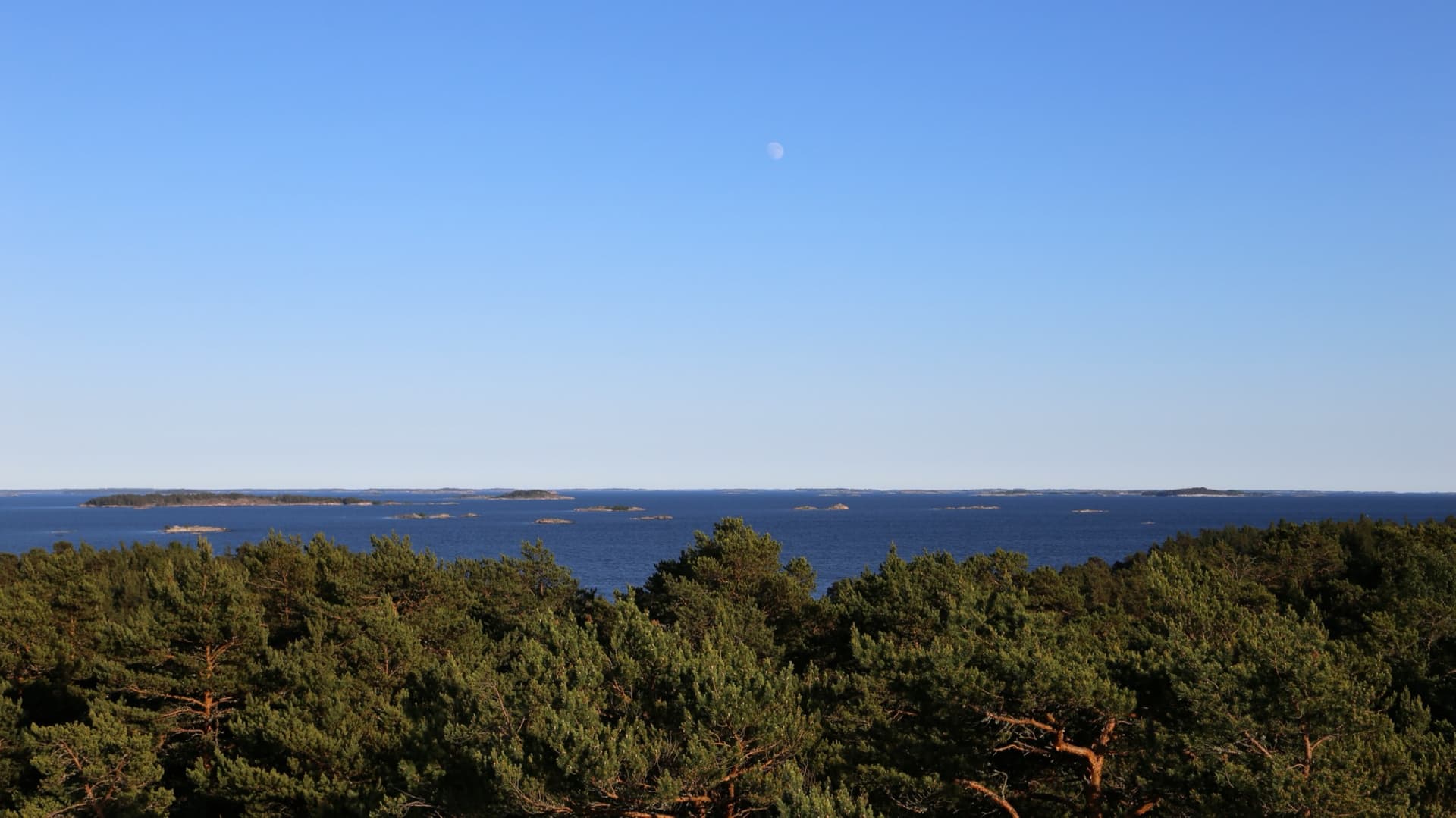
Finland's Archipelago Sea (Saaristomeri in Finnish, Skärgårdshavet in Swedish) sits between mainland southwest Finland and the Åland archipelago, with around 50,000 islands and skerries. For divers it splits into four sub-zones. The sheltered Pargas inner archipelago around Stortervolandet has small wooden wrecks at 12-15 m on mud and sand bottoms; Granvikin Hylky, located by Pargas Tumlare rf in 2008, is its indexed entry. The Korpo and Norrskata cluster carries multiple shallow wrecks at 3-10 m, including the shore-divable Olofsnäsin hylky. The outer Utö-Jurmo cluster is open Baltic, deeper, weather-window-dependent: home to S/S Park Victory at 27-36 m (the largest wreck in Finnish national waters) and the intact 18th-century Skeppsbådarnan itäpuolen wreck off Jurmo inside an Archipelago Sea National Park restriction zone.
Diving here is club-organised; there are no resident dive shops on the islands. Pargas Tumlare rf, Saaristomeren Sukeltajat, Nautic Club Urheilusukeltajien and MAS Turun all run trips from this catchment, with the Barlius collective contributing recent sidescan and survey-dive work. Helsinki schools such as Sukelluskoulu Aalto and PSK Kupla organise occasional Utö camps. The brackish-Baltic regime preserves wooden wrecks with planks intact, and grey seals frequent the outer skerries. Three regulation layers apply: most named wrecks are automatically protected under the Antiquities Act; the National Park requires Metsähallitus permission inside its restriction zones; and Vrouw Maria, Borstö 1 and the Egelskär wreck are closed to free recreational diving by Heritage Agency order.
Planning your visit
Turku is the gateway. TKU airport is 8 km from the city; Helsinki-Vantaa is about 170 km east. Föli buses and Archipelago Bus routes 901-904 reach the inner-archipelago islands, and private car with ferry transfers is the practical option for Pargas, Nagu and Korpo. Year-round Finferries crossings run from Pärnäs in Nagu to Utö in roughly three hours, weather-dependent. Practical diving season is May to October. July-August is warmest but plankton-bloom-affected; September-November and March-May give the best visibility windows for outer-archipelago wreck photography. Drysuit is standard, and gas fills are arranged in Helsinki or Turku before the trip. The child-site list will grow as the area structure consolidates; most catalogued historic wrecks beyond Granvikin Hylky, Park Victory and Posliinirinne are not yet indexed.
Geology & underwater terrain
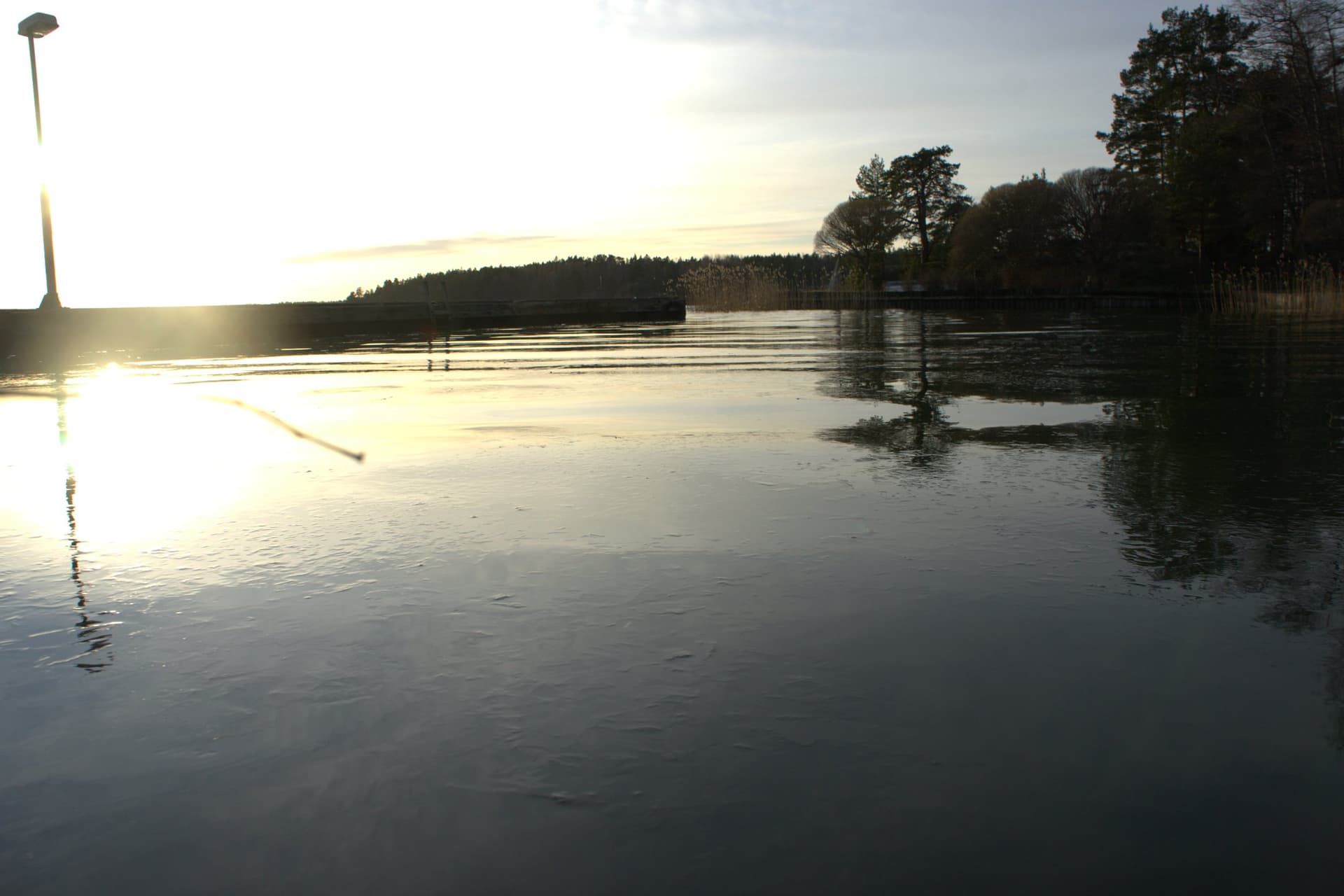
Glacially-scoured granite bedrock fragmented into roughly 50,000 islands and skerries. Inner archipelago is sheltered with mud and sand bottoms, reedy shorelines and brackish-influenced water. Outer Utö-Jurmo cluster is rocky, open-Baltic and exposed. Underwater ridges, sandbanks and flads are conservation-target habitats inside the Archipelago Sea National Park.
Dive sites in Saaristomeri (Archipelago Sea)
Frequently Asked Questions
Where exactly is the Archipelago Sea?▾
Between mainland southwest Finland and the Åland archipelago, in the Varsinais-Suomi region. The area extends from Turku in the north (60.45 N, 22.27 E) to Utö in the south (59.78 N, 21.37 E). It contains around 50,000 islands and skerries, the largest archipelago in Europe and one of the largest in the world by island count. Pargas, Nagu, Korpo and Houtskari are the main inner-archipelago hub villages; Utö is the southernmost inhabited island.
How is diving organised in Saaristomeri?▾
Almost entirely through dive clubs, not commercial centres. There are no resident dive shops on the islands. Most active divers belong to a sukellusseura (dive club) and trips are run on club or chartered boats from Pargas, Nagu, Korpo, Turku or Helsinki. Pargas Tumlare rf, Saaristomeren Sukeltajat, Nautic Club Urheilusukeltajien and MAS Turun all draw on this catchment, and the Barlius survey collective contributes the recent sidescan and dive-survey work. Helsinki schools such as Sukelluskoulu Aalto and PSK Kupla also run trips to Utö. Visiting divers without a club connection should expect to organise a charter rather than walk into a shop.
Do I need a permit to dive in the Archipelago Sea National Park?▾
Only inside the park's restriction zones (rajoitusosa). The park is multi-zoned. Open waters allow normal recreational diving without a permit, but specific reefs, bird-nesting islands and underwater cultural-heritage sites are restriction zones that require Metsähallitus permission. The Skeppsbådarnan itäpuolen hylky off Jurmo is one example, recorded as lying inside a rajoitusosa. Clarify per site with Metsähallitus or your local club rather than assuming general access.
Which wrecks are off-limits to recreational divers?▾
Three Heritage Agency closures apply in this area: Vrouw Maria, the 1771 Catherine the Great-bound art-treasure ship located in 1999 at around 40 m near Namnlösan in the Pargas archipelago; Borstö 1, an 18th-century wreck off Pargas with an exceptional artefact assemblage; and the Egelskär wreck off Jurmo, dated to the 13th-14th century and one of Finland's two oldest known wrecks. Free recreational diving on these is prohibited independently of National Park zoning.
What is the diving like in the inner Pargas archipelago versus the outer Utö-Jurmo cluster?▾
Two atmospheres in the same area. Pargas inner archipelago is sheltered, mud and sand bottoms, brackish-influenced, with visibility typically 2-6 m and reduced further during late-summer plankton blooms. Wrecks are shallow (10-15 m) and mostly small wooden vessels found by club groups. Outer Utö-Jurmo is the opposite: open-Baltic exposure, deeper wrecks (27-36 m), visibility 5-15 m on stable days, weather windows that frequently close on over-2 m waves. Same brackish water, very different days.
When is the best time to dive Saaristomeri?▾
Practical season is May to October. July-August is warmest at the surface (13-22 C) but plankton bloom peaks late July to early August, so the best visibility windows for outer-archipelago wreck photography are September-November and March-May. Ice cover closes the inner archipelago January through March. Outer Utö trips are weather-window-dependent year-round; allow extra days in your trip planning.
How do I get to Utö from Turku?▾
Drive or take Föli buses and Archipelago Bus routes 901-904 from Turku to Pärnäs in Nagu via the Pargas-Nagu ferry chain, then catch the year-round Finferries crossing from Pärnäs to Utö. The crossing is roughly three hours and weather-dependent. Helsinki divers usually drive to Pärnäs (about three to four hours from Helsinki via Turku) and continue from there.
What marine life will I see?▾
Brackish-Baltic fauna, not Mediterranean or tropical. Grey seals frequent the outer islands and pup on offshore skerries. The fish assemblage mixes freshwater species (Northern pike, perch, zander, whitefish, burbot) with marine species (Baltic herring, sprat, three-spined stickleback, bullhead) and the migratory sea trout. Blue mussel dominates the encrusting community on wrecks, with mysid shrimp clouds along deck-edges. There is no posidonia, no octopus, no Mediterranean groupers and no Teredo navalis shipworm, which is why wooden wrecks here lie with planks intact.
What exposure suit do I need?▾
Drysuit is standard May to October. Surface temperatures reach 13-22 C in summer but the thermocline drops sharply below 10-15 m and bottom water stays 4-10 °C even in midsummer; deeper outer-archipelago wrecks at 27-36 m are colder again. A 7 mm wetsuit is only feasible at the surface in July-August at shallow inner-archipelago sites for cold-tolerant divers. Drysuit competence and cold-water hood and gloves are baseline kit.
Will the area's child-site list grow?▾
Yes. Around 30 named historic wrecks are catalogued across Pargas, Korpo-Norrskata, Nauvo, Houtskari, Iniö and the Utö-Jurmo cluster, most of them automatically protected by the Antiquities Act because they are over 100 years old. Only a handful are currently in the indexed site list: Granvikin Hylky in Pargas, plus Park Victory and Posliinirinne in the Utö sub-zone. Sites such as the shallow shore-divable Olofsnäsin hylky on Norrskata, the intact 18th-century Skeppsbådarnan itäpuolen wreck off Jurmo (permit-only) and the Måsgrynnanin hylky near Granvikin are documented and will be added as the area structure consolidates.
Every dive has a story. Share yours.
Log your dives - notes, photos, conditions and the marine life you saw - and share them as one public diver profile. What you share helps the next diver, too.
Log every detail
Depth, duration, conditions, gear, buddy, notes — all in one place. Import from Suunto and other dive computers.
Track marine life
Record species sightings on each dive. Build a personal catalogue of everything you've seen underwater.
Your public dive profile
Share your dive history, stats, and experiences with a profile page you control. Show the world where you've been.