
Dive Kingdom Ayada
PADI 5-Star Dive Center at Ayada Maldives on Maguhdhuvaa island, running house-reef and dhoni diving in the remote, low-traffic Gaafu Dhaalu (Huvadhoo) Atoll.
Resort dive centrePADI3 services1 language
Far-south Maldives atoll, the southwestern half of giant Huvadhu: resort house reefs with reef sharks and turtles, plus channel drifts.
Last updated October 2026
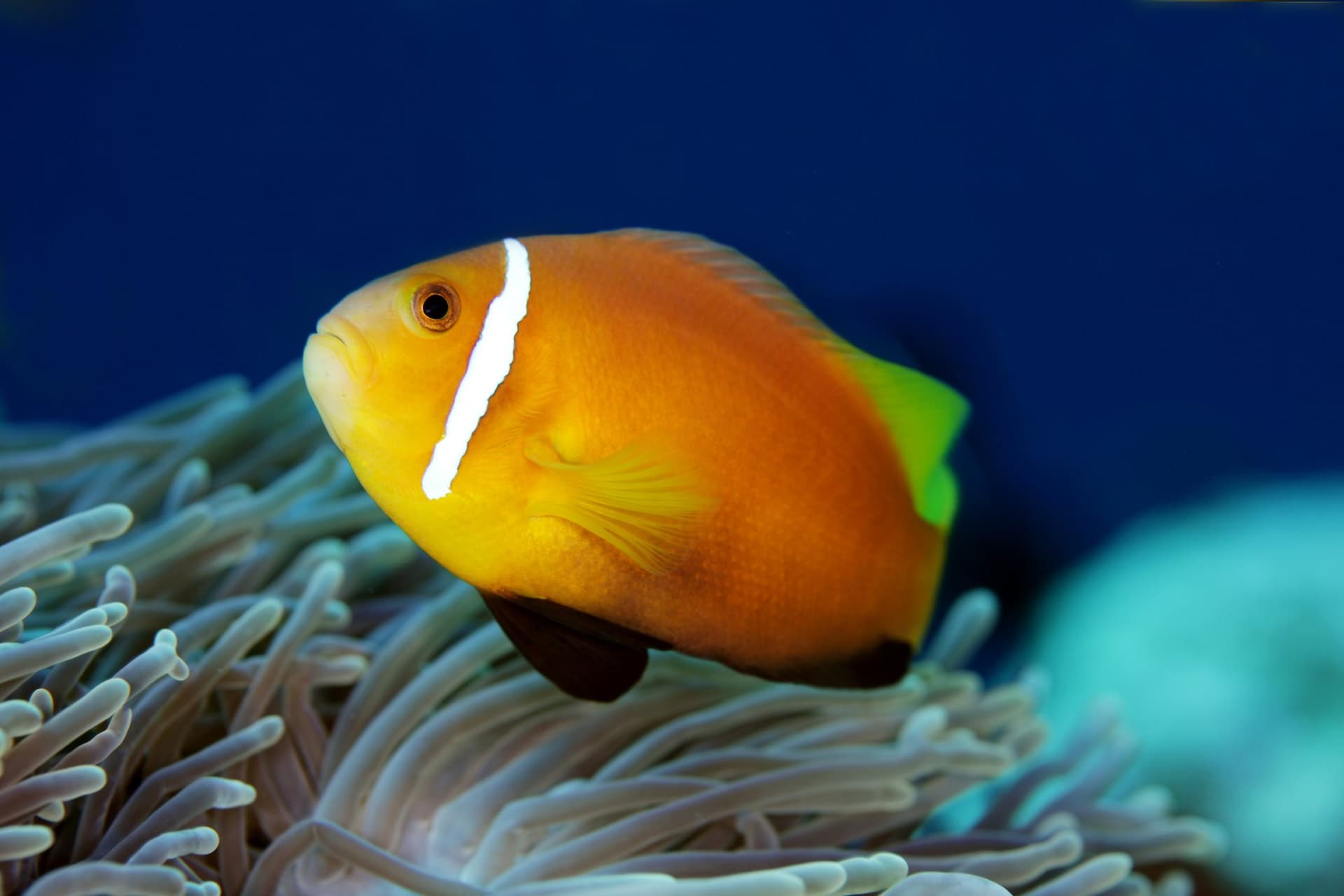
Most dives in Gaafu Dhaalu start from a resort jetty or beach. The atoll is the southwestern half of Huvadhu, one of the world's largest natural atolls, and its reefs tend to hard coral with fewer pelagics and schooling fish than the east side of Gaafu Alifu. The character is a reef-led one, with sharks, eagle rays and turtles as the regular company and the channels as the place for bigger action. Kaadedhdhoo Kandu is the channel drift beside the airport island, and Vaadhoo Thila and Mofzaa Thila are pinnacle dives.
Ayada's house reef starts a short swim from the beach, and blacktip and nurse sharks, eagle rays and turtles are reported on it regularly. In March, incoming ocean water runs through the kandus, which is the best window for sharks and schooling fish, and divers hook in to hold position against the current. Other dives reported in the atoll include Muraka Faru, known for its batfish, Jinttos Way, a long shallow reef with dense schools of fusiliers, Kuda Hafsa Thila, a thila with plenty of fish and some sharks, and Madeveli Kandhu, a channel where jacks swarm. Coral condition is mixed, with bleached patches among healthy stretches.
Getting here takes a domestic flight from Malé to Kaadedhdhoo, about an hour, and a resort speedboat of roughly 15 to 35 minutes depending on the resort. Diving runs through resort dive centres, among them those at Ayada, NH Collection Maldives Havodda and Outrigger Konotta, so the island you sleep on decides the sites you dive. The PADI 5-star centre at Havodda runs daily, offers nitrox and rental equipment, and works in English, Spanish and French. When you enquire, name the channel or thila you want and ask whether the centre goes there.
Channels assume drift experience, while house reefs and thilas suit newer divers. The recreational depth limit of 30 metres applies nationally. Calm seas, little rain and the best visibility come between December and April; May to November is wetter and windier.
A serious emergency means medical evacuation to Malé or abroad, so carry comprehensive travel and dive insurance.
The southwestern section of Huvadhu Atoll, one of the world's largest natural atolls: a reef rim cut by current channels (kandus), with pinnacles (thilas) and house reefs.
The diving here splits into 3 zones:
Gaafu Dhaalu's west-side channel drift for sharks and pelagics on current
Far-south channel drift from the outer reef into the atoll
Gaafu Dhaalu's calmer coral pinnacle, the slow dive beside the channel
The far-south Maldives channel for resting leopard sharks on the sand
Book online or contact a centre that dives this area.
PADI 5-Star Dive Center at Ayada Maldives on Maguhdhuvaa island, running house-reef and dhoni diving in the remote, low-traffic Gaafu Dhaalu (Huvadhoo) Atoll.
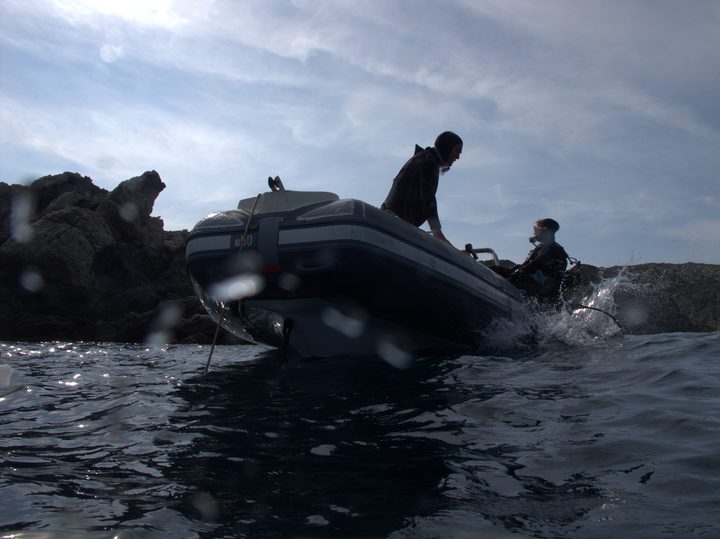
Get in touch to add or claim your dive center listing on DiveCodex.
December to April brings calm seas, little rain and the best visibility, and March puts incoming ocean water through the channels. May to November is wetter and windier.
What can go wrong here, and what divers do about it. Conditions change - take the briefing from the operator on the day.
National rules also apply: Rules and permits in Maldives
Fly from Malé to Kaadedhdhoo (KDM), about 55 to 70 minutes, then take a resort speedboat: roughly 15 minutes to NH Collection Maldives Havodda and 30 to 35 minutes to Outrigger Konotta. The atoll lies roughly 340 to 430 kilometres south of the capital, depending on who measures. Liveaboards on the Huvadhu route have joined at Kooddoo, which is in Gaafu Alifu, the northern half of the atoll.
One diver who dived both halves found more hard coral here and fewer pelagics and schooling fish than on Gaafu Alifu's east side, and still rated the diving fun. Expect reef-led days, with the channels as the place to look for sharks and schooling fish.
December to April has the calmest seas and best visibility. March is the month singled out for channel dives, when incoming ocean water runs through the kandus and gives the best chance of pelagic action. May to November is rainier and windier.
No. The baited Tiger Zoo dive is off Fuvahmulah, a separate atoll south of Huvadhu. Gaafu Dhaalu is not a tiger-shark destination.
The house reefs are the gentler way in, and a stay at a resort dive base means short, easy-access dives. The channels run in strong current with a reef hook in hand, so they suit divers with drift experience. Ask your dive centre which sites it visits and at what level before booking.
Meradhoo island, and the Raffles Maldives Meradhoo resort on it, belong to Gaafu Alifu. Some trade listings file Meradhoo Kandu under Gaafu Dhaalu, though they place it on Huvadhu's western side in front of Meradhoo island. If a booking page says Gaafu Dhaalu for a Meradhoo dive, expect the resort and its dive base to be in Gaafu Alifu.
Dive centres operate at Ayada Maldives, NH Collection Maldives Havodda and Outrigger Konotta Maldives. The Havodda centre is a PADI 5-star centre with nitrox, rental equipment, a house reef and a daily schedule, and its team works in English, Spanish and French. At Ayada the house reef starts a short swim from the beach. Confirm which sites a base visits when you book.
Today the diving here is delivered mostly through resort dive centres, so the resort you choose sets your sites. Liveaboards on the Huvadhu route have joined at Kooddoo, in Gaafu Alifu. If a liveaboard is your plan, confirm the itinerary, the dates and the joining point with the operator.
Most of the life in the kandus depends on water moving through them, and a channel with little current is quiet. When the current runs, it is often strong enough that divers use a reef hook. That is why March incoming water is singled out, and why a liveaboard of past years worked this stretch only from January to March. Tell your guide how much current you are comfortable with.
Mixed. Divers report healthy stretches alongside bleached patches, and local accounts point to bleaching episodes in 1998 and 2016. Treat the coral as variable from reef to reef and ask your centre how the house reef looks at the moment.
Also known as: Gaafu Dhaal Atoll, South Huvadhoo, Southern Huvadhu Atoll
Log your dives - notes, photos, conditions and the marine life you saw - and share them as one public diver profile. What you share helps the next diver, too.
Log every detail
Depth, duration, conditions, gear, buddy, notes — all in one place. Import from Suunto and other dive computers.
Track marine life
Record species sightings on each dive. Build a personal catalogue of everything you've seen underwater.
Your public dive profile
Share your dive history, stats, and experiences with a profile page you control. Show the world where you've been.