Kaafu Atoll
Marquee dives a short hop from the airport
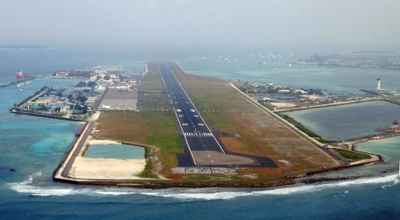
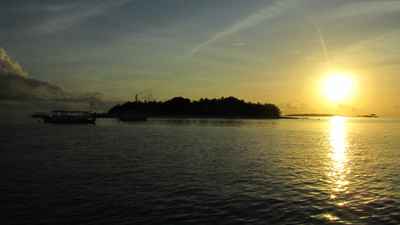
Gateway atoll around Malé and the airport: a coral-rich north, current-fed channels south, thila pinnacles and manta cleaning stations.
5 dive sitesBoat
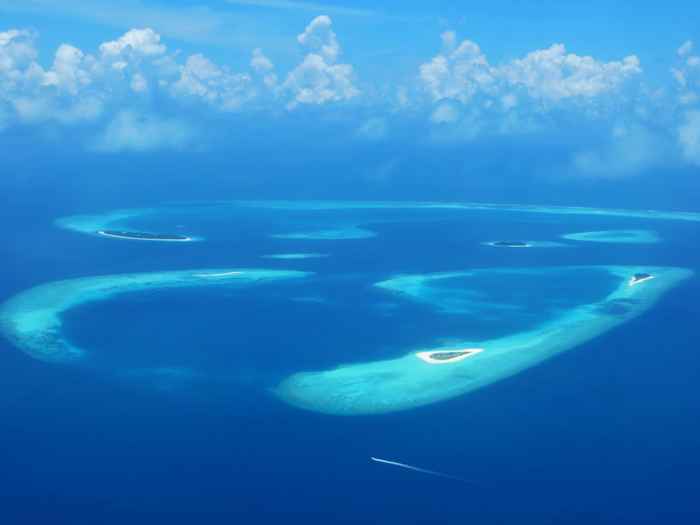
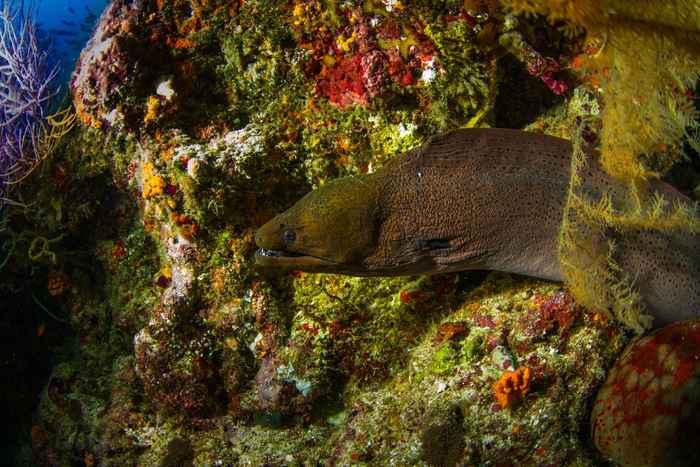
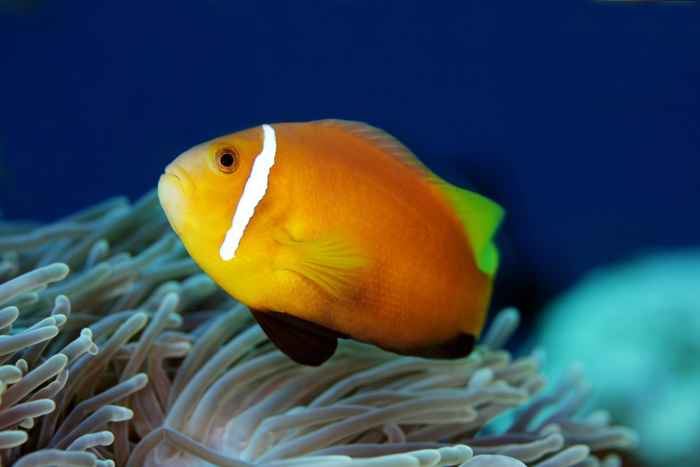
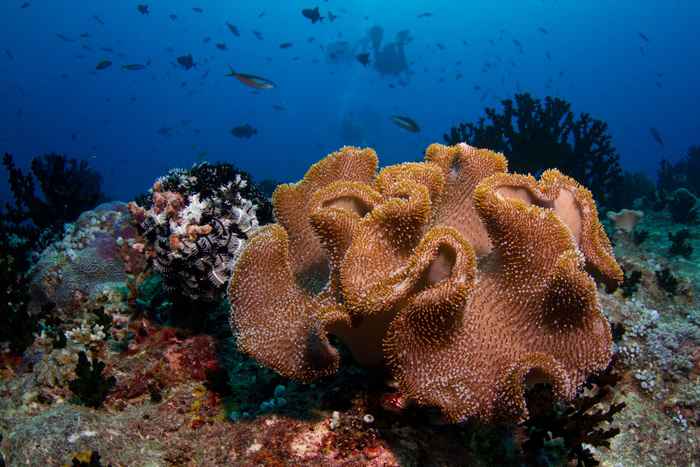
Indian Ocean atoll nation of channel and thila drift diving, with reef mantas, whale sharks and grey reef sharks, by liveaboard or local island.
Last updated October 2026
The central atolls carry the standard first trip, and the choice inside them follows the animal. Kaafu wraps Malé and the airport, so it is the base for a short stay or the days either side of a liveaboard, with Kandooma Thila as its current-fed pinnacle. South Ari is where whale sharks decide the trip, and it also holds easy reefs and a cargo-ship wreck beside advanced channels. North Ari is the thila-and-channel half of Ari, built on hook-in shark dives and the whitetip night dive at Maaya Thila. Vaavu adds hook-in channel drifts at Fotteyo Kandu and Miyaru Kandu and a shallow nurse-shark night dive at the Alimathaa jetty, all from small local islands.
Baa is the atoll for the Hanifaru Bay manta aggregation, which peaks in the wet season from May to November. Scuba diving is no longer permitted in the bay, so it is a snorkel, and the tanks go to the gentle thilas and reefs around it, which Baa rates easy to moderate and which run best from December to April.
In the far south, Gaafu Alifu and Gaafu Dhaalu, the two halves of giant Huvadhoo, are moderate-to-advanced channel diving on current. Vilingili Kandu gathers schools of 50 to 200 grey reef sharks on the right current, and Short Cut is built around leopard sharks resting on sand. The best months are given as February to April or as October to May.
The 11 highlighted areas have full dive guides. Grey markers show more of the country's dive regions, with new guides on the way.
Our handpicked selection of the best diving areas in Maldives.
Short stays near the airport with thila and channel dives close by
Confident divers after current-fed pinnacle sharks and mantas
Whale sharks, easy reefs and current thilas on one atoll
Current-fed shark and ray diving from a resort jetty or a guesthouse island
Shark drifts and a nurse-shark night dive from quiet local islands
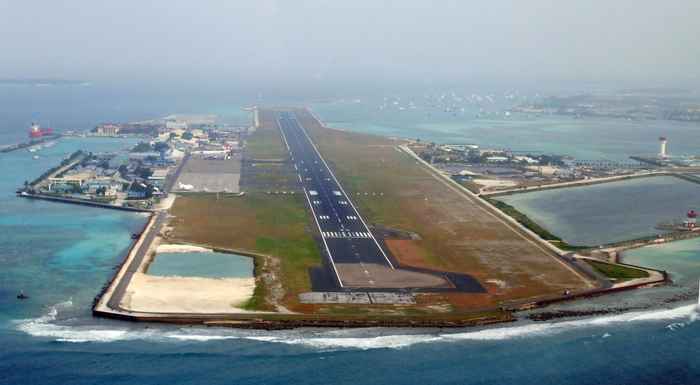
Visitors arrive through Velana International Airport at Malé, with Gan International Airport in Addu Atoll a second international gateway in the south. Onward transfers go by speedboat, seaplane or domestic flight depending on the atoll, and the far south is reached by domestic flight to Kooddoo or beyond. The natural atolls are counted as 20 or 26 depending on the reference, so treat any single figure with care.
One national rulebook covers every recreational dive. The maximum depth is 30 m and applies to liveaboards, and only no-decompression diving is allowed, with no exception for liveaboards. Entry-level divers are limited to 20 m. The minimum certification is an entry-level RSTC-associated certificate or CMAS 1-star, and centres ask for proof and a logbook. Dives less than 12 hours before flying are on the prohibited list. Feeding sharks is not permitted for divers or dive-centre staff. A permit may be required to dive marine protected areas, and in atolls outside the tourism zone diving is restricted except at designated sites. In October 2023 the government announced protection for twelve areas in Vaavu and Baa. Shark fishing was banned in territorial waters in 2009 and across the whole exclusive economic zone in 2010.
The season sets the animal. The dry northeast monsoon, roughly December to April, is the calm and clear window. The wet southwest monsoon, roughly May to November, trades clarity for plankton, and the feeders follow it to the downwind side of the atoll: east in the wet monsoon, west in the dry. Current is common at the headline sites, so a large SMB and a reef hook are standard advice.
Hyperbaric chambers are few. A chamber opened at Kandima resort in Dhaalu Atoll in 2021 and was described as the fourth operating chamber in the country, and the national defence force has received a portable transport unit for diving emergencies. Ask your operator where the nearest chamber is, and carry dive accident cover of your own.
What makes this country a world-class diving destination.
Kandus and submerged pinnacles funnel current past soft coral, sharks and rays
Plankton feeders follow the food to the downwind side of an atoll, which flips with the monsoon
A manta feeding aggregation in Baa Atoll that is a snorkel, with scuba no longer permitted in the bay
Liveaboards cover the atolls; resorts and local islands run day boats and house reefs
A 30 m maximum depth and no-decompression diving apply to every recreational dive, liveaboards included
Marquee dives a short hop from the airport
Gateway atoll around Malé and the airport: a coral-rich north, current-fed channels south, thila pinnacles and manta cleaning stations.
Whale sharks, easy reefs and advanced channels
Whale sharks all year along a protected southern reef, plus manta cleaning, an intact wreck and current-swept thilas.
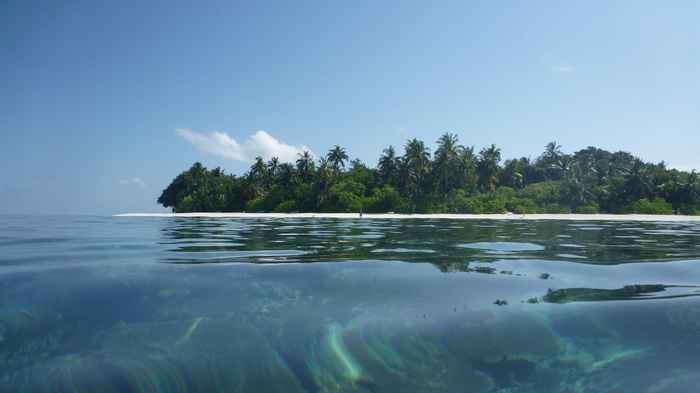
Shark pinnacles and a whitetip night dive
Northern half of Ari Atoll: coral pinnacles and tidal channels with grey reef and whitetip sharks, a night dive among fusiliers and a manta cleaning station.
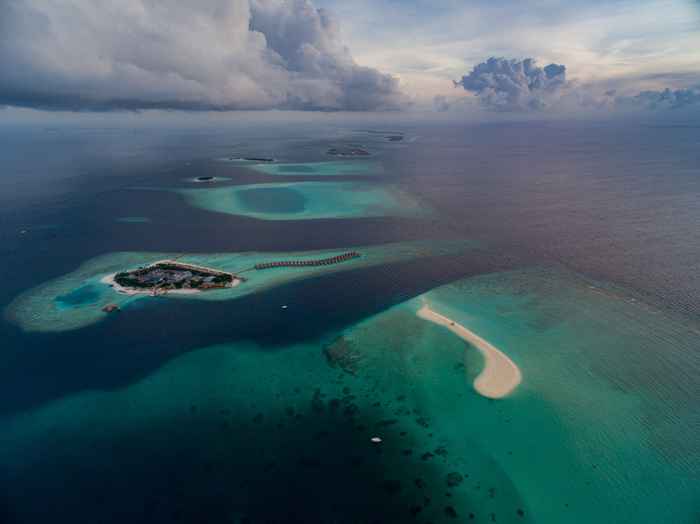
Channel sharks, wrecks and a divable manta station
North-central Maldives atoll of channel sharks, a protected reef-manta cleaning station and two scuttled ships, dived from resort bases.
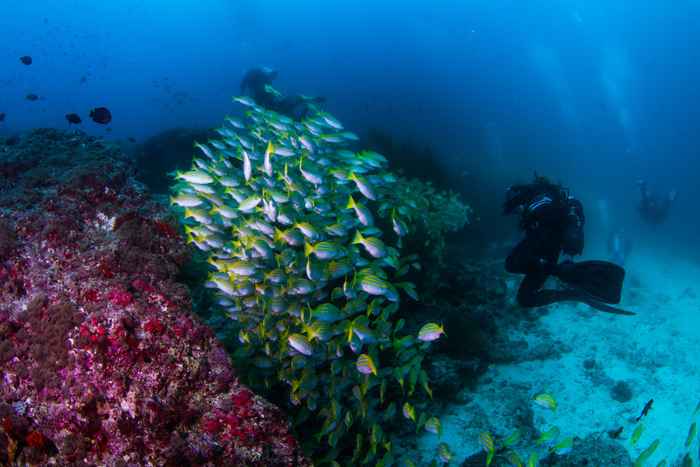
Channel shark drifts from quiet local islands
Channel-diving atoll south of Malé: hook-in shark drifts, an Alimatha nurse-shark night dive and quiet local-island bases.
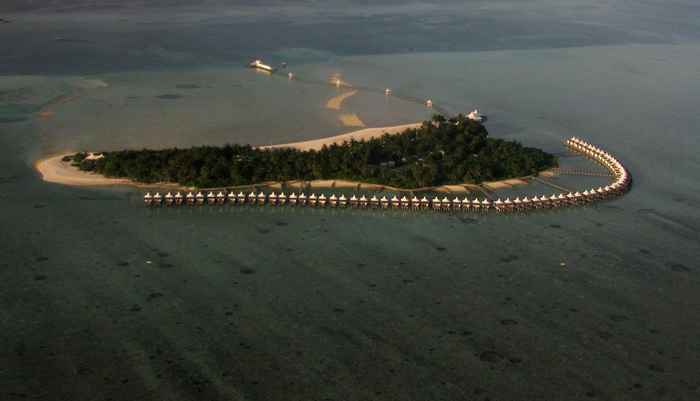
Quiet central atoll of soft-coral thilas and mantas
A central Maldives atoll where reef mantas gather at shallow cleaning stations, with rim channels for grey reef sharks and soft-coral thilas.
UNESCO manta bay, snorkel only, with easy thilas
UNESCO Biosphere Reserve where reef mantas feed in snorkel-only Hanifaru Bay, with gentle, quiet thila reefs for scuba.
Far-south grey reef shark channels
Far-south Maldives atoll where grey reef sharks gather in current-swept channels, reached by a short flight to Kooddoo or on a deep-south liveaboard.
Remote current channels with leopard sharks
Far-south Maldives atoll, the southwestern half of giant Huvadhu: resort house reefs with reef sharks and turtles, plus channel drifts.
Quiet reef, empty channels and reef mantas
South-central Maldives atoll with reef mantas at Hithadhoo Corner in every month of the year and a few current-fed channels for sharks and eagle rays.
Book online or contact a centre for your trip.
The in-house PADI 5-Star dive centre at Six Senses Laamu, the only resort dive operator in Laamu Atoll, hosting the Maldives Underwater Initiative's manta research programme at the atoll's signature cleaning station.
PADI 5-Star Dive Center at Ayada Maldives on Maguhdhuvaa island, running house-reef and dhoni diving in the remote, low-traffic Gaafu Dhaalu (Huvadhoo) Atoll.

Euro-Divers' 5-star PADI centre at Vilamendhoo Island Resort & Spa in South Ari Atoll, built around a 900m house reef with 10 entry points and full-day access to year-round whale sharks and seasonal manta cleaning stations.

Dhangethi-based dive operator, established 2021, running South Ari Atoll boat dives sold as bundled guesthouse-stay-and-dive packages.

PADI 5-Star IDC dive centre on the local island of Fulidhoo, northern Vaavu Atoll, running boat-based channel, drift and night dives with stay-and-dive packages.

PADI dive operator on Dhigurah, South Ari Atoll, running boat dives to 40+ sites within an hour, including the manta cleaning station at Rangali Madivaru.

PADI-registered dive school on Dhigurah, South Ari Atoll, running boat dives to a 44-entry site catalogue with a whale shark and manta focus.
Get in touch to add or claim your dive center listing on DiveCodex.
Recreational Diving Regulation 2003Diving Regulation amendment (Dhivehi)Ministry of Tourism regulationsChecked: Oct 2026
December to April, the dry northeast monsoon, is the calm and clear window and the easy choice for a first trip. May to November, the wet southwest monsoon, brings plankton, and the mantas and whale sharks follow it. They gather on the east side of an atoll in the wet monsoon and on the west side in the dry one, so a good guide picks the side by the season. The pattern thins away from the central atolls: in far-north Haa Alifu mantas are reported only in the northeast monsoon, while south of Huvadhoo reef mantas are present more or less year-round.
Divers split on it. Many experienced divers favour a liveaboard for reach, and the usual advice for a first trip is the central route, the longer the better. Others dive well from local-island guesthouses, where divers report dive centres at about USD 50-60 a dive in 2025 and a quieter, alcohol-free island life. Weather matters on both sides, since visibility and current differ from atoll to atoll and between monsoons, and a liveaboard can change route to follow the better conditions.
The legal floor is an entry-level certificate (an RSTC-associated agency or CMAS 1-star), with entry-level divers held to 20 m, and plenty of reef, house-reef and manta dives sit comfortably there. The headline channel drifts are another matter: current is common, from mild to ripping, and operators commonly expect Advanced Open Water, good buoyancy, a large SMB and a reef hook. Divers describe boats full of divers too new for the harder sites, so be honest about your level when you book.
A rise from 30 to 40 m and technical-diving permits have been announced by the Tourism Minister, but the limit in the published regulation is still 30 m. Deeper cave and exploration dives need a separate deep-exploration permit, which is in practice the only legal route to a site like the Vaavu cave where divers died in May 2026. After those deaths the Ministry of Tourism suspended the operating licence of the liveaboard involved indefinitely.
For whale sharks, South Ari is the atoll to choose. For feeding mantas, Hanifaru Bay in Baa is the spectacle, as a snorkel. For mantas on scuba, head to the cleaning stations in Kaafu, North Ari, South Ari, Meemu, Lhaviyani and Laamu, and plan on the wet season for the most. Hanifaru is the one place to leave the tank behind, since scuba diving is no longer permitted in the bay.
The window for Huvadhoo and the far south is disputed: one recent view puts it at February to April, a resident of the south says October to May. Either way it is current-driven channel diving with sharks in numbers, and divers who know both ends advise the central route first. Currents there can be very strong, so the far south is advanced current diving, while reef dives elsewhere in the country are calm.
Log your dives - notes, photos, conditions and the marine life you saw - and share them as one public diver profile. What you share helps the next diver, too.
Log every detail
Depth, duration, conditions, gear, buddy, notes — all in one place. Import from Suunto and other dive computers.
Track marine life
Record species sightings on each dive. Build a personal catalogue of everything you've seen underwater.
Your public dive profile
Share your dive history, stats, and experiences with a profile page you control. Show the world where you've been.