

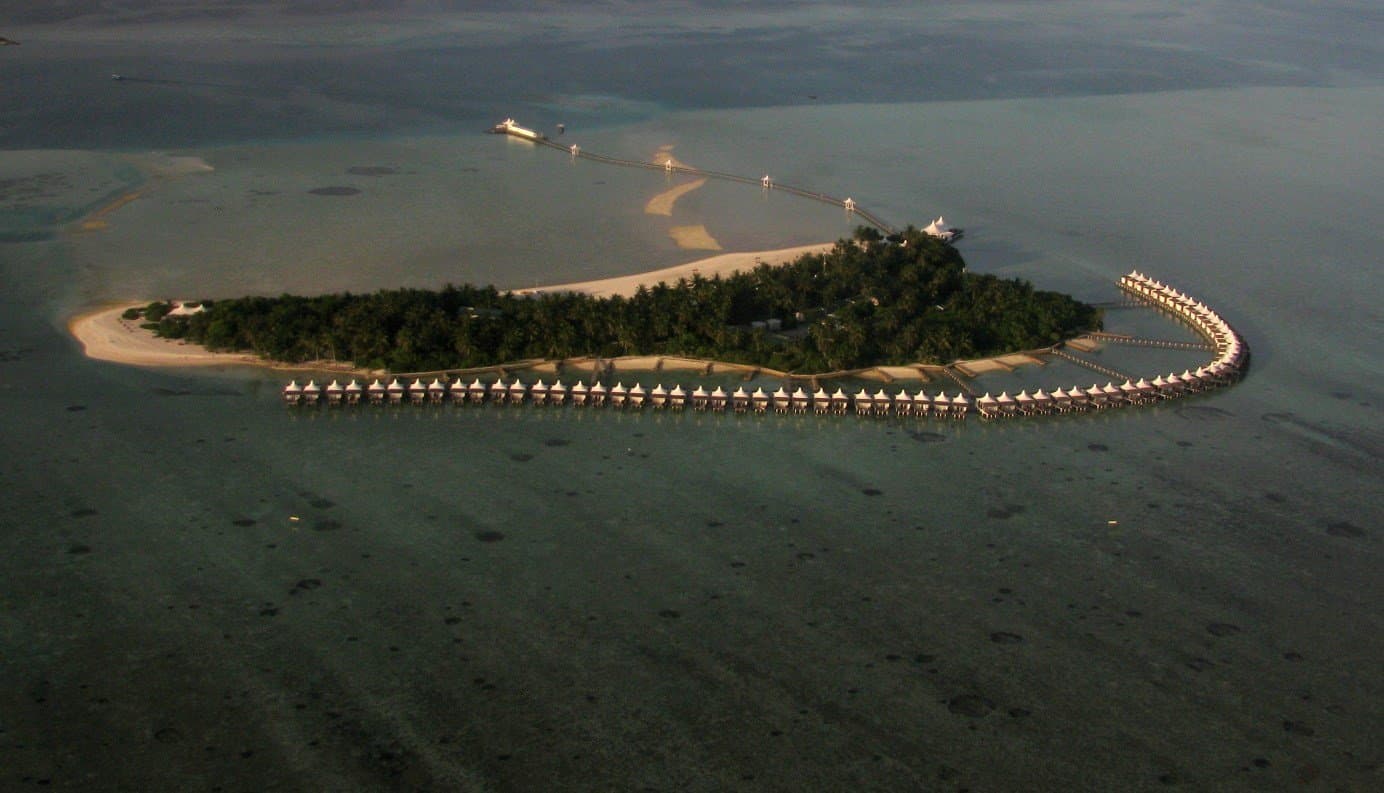
Werner Lau Medhufushi
Werner Lau's SSI/PADI dive centre at Medhufushi Island Resort, Meemu Atoll's only strong resort-based dive operation, known for shark- and manta-rich channel diving.
Resort dive centreSSI / PADI4 services1 language
A central Maldives atoll where reef mantas gather at shallow cleaning stations, with rim channels for grey reef sharks and soft-coral thilas.
Last updated October 2026
Reef mantas are the reason to come to Meemu, and the cleaning stations where they gather sit in channels as shallow as 14 m, so a diver can hold position and watch. Mantas are most abundant with the southwest monsoon, May to December.
Two other structures shape the rest of the diving. Kandus, the channels on the eastern and western rims, bring plankton-rich current, grey reef sharks and eagle rays. Some run as hot drops where operators issue reef hooks, and Mulaku Kandu's incoming current is strong enough that cruises tend to keep it for experienced divers. Thilas, the submerged pinnacles, hang soft and hard coral on overhangs and caves in gentler water.
Medhufushi Thila is the one to know: a top near 4 m and a wall to about 35 m, with guides split on how hard the current runs. Mantas and More is the shallow cleaning point, where 8-9 reef mantas plus mobula and eagle rays have been reported in the blue. Kurali Beru, on the west rim, is an outer-reef dive over sand where garden eels sit at about 14 m.
The atoll is lightly dived. Only 8 to 13 of its 33 islands are inhabited, and the diving is served by resort bases and passing boats.
Fly into Velana International Airport and continue south: about 40 minutes by seaplane, or a domestic flight to Maamigili followed by a 45 to 60 minute speedboat.
Diving is organised by where you sleep. Resort dive bases, among them the centre at Cinnamon Hakuraa Huraa, and liveaboards on Malé-to-south routes run the sites; the guesthouses on Muli and Kolhufushi have no independent dive centre. Check which base is operating when you book, since resort dive operations here change.
For season, January to April gives the calmest sea and the clearest water, and May to November suits mantas. A lightweight wetsuit is usually enough. Level is set by the dive: thilas and shallow manta stations suit most divers, while the rim channels call for experience and a comfortable relationship with a reef hook. Liveaboards are quoted at roughly 200 to a little over 300 euros per night.
A central Maldives atoll of near-continuous barrier reef around a lagoon, cut by deep channels and studded with submerged pinnacles, overhangs and caves.
The diving here splits into 3 zones:
Pinnacle of soft-coral overhangs, caves and thick reef fish; current varies
Meemu's easy shallow thila, hard coral and reef fish without the channel current
Meemu's colour dive, a pink soft-coral pinnacle for photographers in calm water
Book online or contact a centre that dives this area.
Werner Lau's SSI/PADI dive centre at Medhufushi Island Resort, Meemu Atoll's only strong resort-based dive operation, known for shark- and manta-rich channel diving.
Get in touch to add or claim your dive center listing on DiveCodex.
Safari boats based elsewhere that run itineraries to these dive sites.

35-metre, 20-guest liveaboard - the original hull of Carpe Diem Cruises Maldives, refitted in 2022, running the fleet's shared catalogue from central manta and reef weeks to the Baa Hanifaru snorkel season and seasonal southern shark charters, out of Male.

43-metre flagship of the Carpe Diem Cruises Maldives fleet - 12 cabins and 22 guests across three decks, with a dedicated camera room - running the shared Maldives catalogue from Male, from central Best-of and Ari weeks to the Baa Hanifaru snorkel season and seasonal southern shark charters.

38-metre, 20-guest sister in the Carpe Diem Cruises Maldives fleet, with a jacuzzi and a broad 10-metre beam, running the same shared catalogue - central Best-of and Ari weeks, the Baa Hanifaru snorkel season, and seasonal southern shark charters - from Male.
The northeast monsoon (January to April) gives the calmest surface and the best visibility. The southwest monsoon brings choppier water and plankton-rich current that favours mantas, though how many you meet varies by month.
What can go wrong here, and what divers do about it. Conditions change - take the briefing from the operator on the day.
National rules also apply: Rules and permits in Maldives
Guides disagree. Two describe the current as virtually non-existent and a third says strong currents make it a thrilling drift. Treat it as a thila that can be calm or can run, ask your guide for the day's conditions, and remember the wall drops to about 35 m.
Operators describe sightings on almost every dive, and 8-9 mantas at once are reported at Mantas and More. A diver who visited in November and December found the odds low. Mantas are most abundant from May to December with the southwest monsoon, so treat that as the better window and the sighting as likely, not guaranteed.
The rim channels. Divers describe hot drops, reef hooks and current that can sweep you off quickly, and Mulaku Kandu is the one cruises are likely to hold back for experienced divers. The thilas and the shallow manta stations are the easier end.
Muli and Kolhufushi have basic guesthouses but no independent dive centre. Diving runs from resort dive bases and from liveaboards, so your accommodation or boat decides which sites you reach.
One seller quotes roughly 200 to a little over 300 euros per night on 7 to 10 night itineraries. Prices vary by boat and season.
Also known as: Mulah Atoll, Mulakatholhu, Mulaku Atoll
Log your dives - notes, photos, conditions and the marine life you saw - and share them as one public diver profile. What you share helps the next diver, too.
Log every detail
Depth, duration, conditions, gear, buddy, notes — all in one place. Import from Suunto and other dive computers.
Track marine life
Record species sightings on each dive. Build a personal catalogue of everything you've seen underwater.
Your public dive profile
Share your dive history, stats, and experiences with a profile page you control. Show the world where you've been.