
Lobsters
PalinuridaeMediterranean spiny lobsters hide in crevices by day, antennae poking out like whiskers. Night dives are the best time to see them out walking the reef. In marine reserves, they can grow impressively large.
Last updated April 2026
Brown spiny lobsterPanulirus echinatus4 photos
An Atlantic-island spiny lobster, reddish-brown with rows of pale white spots down the abdomen and long, banded antennae. It shelters in reef caves and crevices across Macaronesia, often sharing its hole with cleaner shrimp.
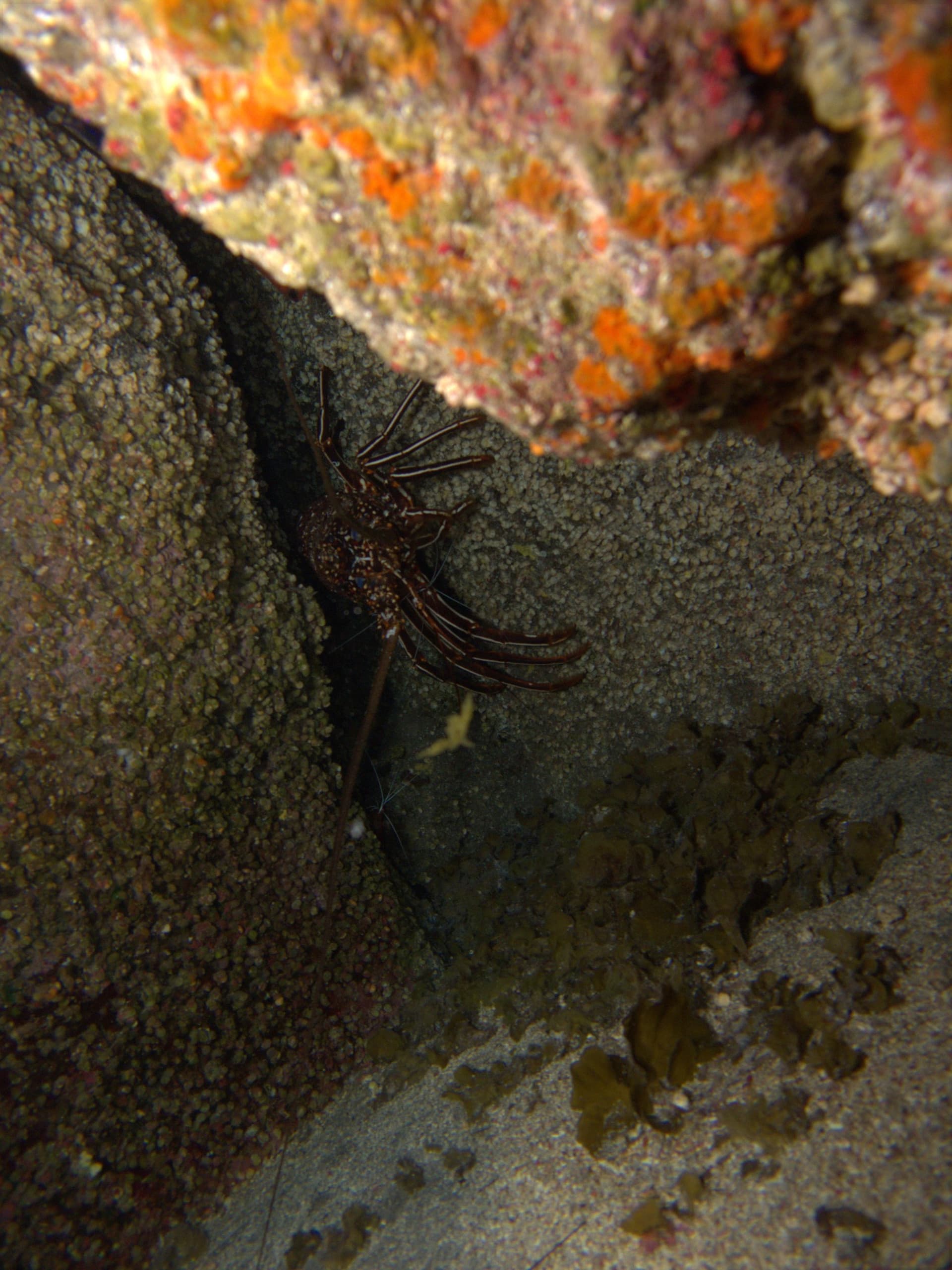
© Jouni Kuisma
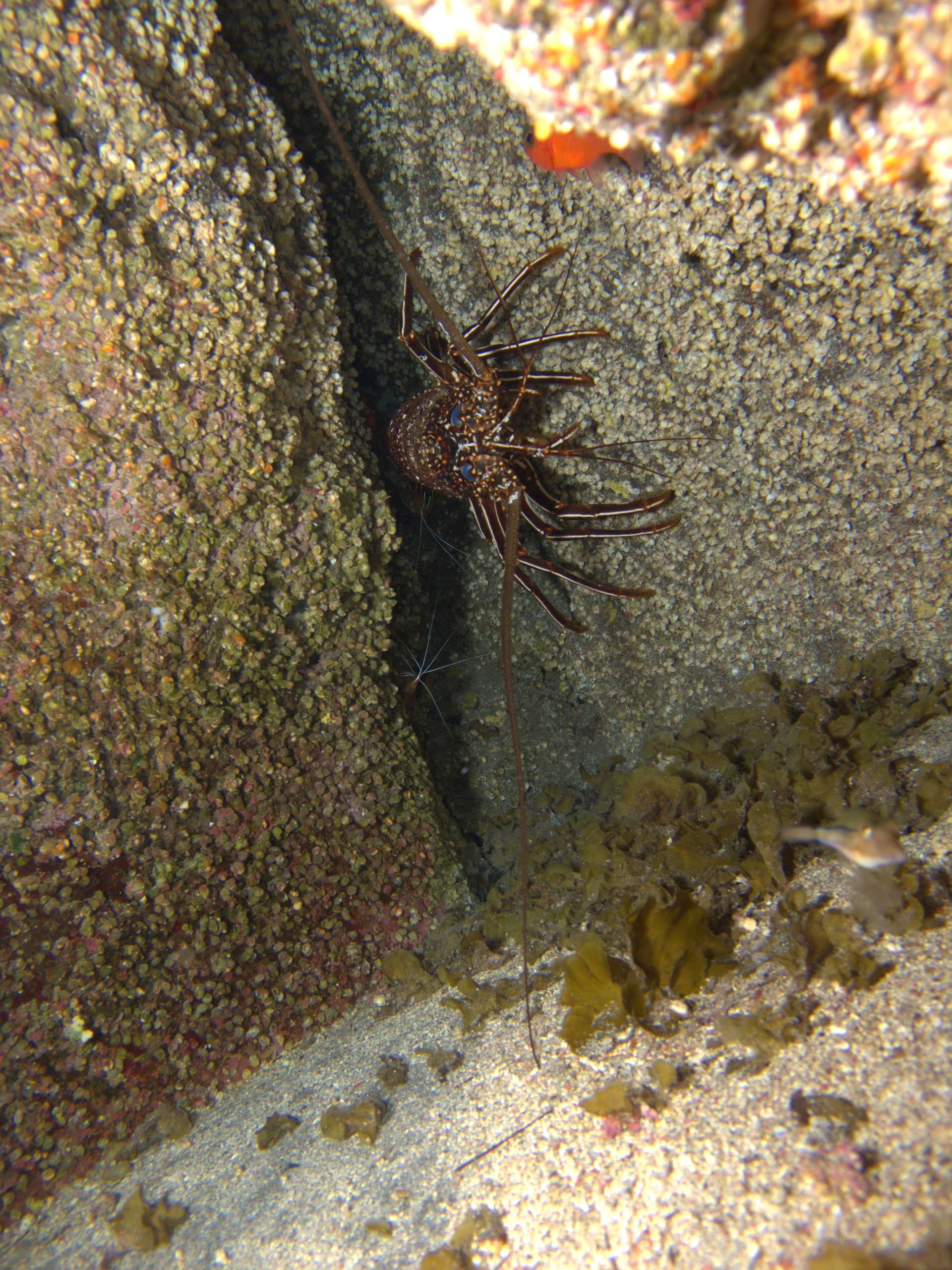
© Jouni Kuisma
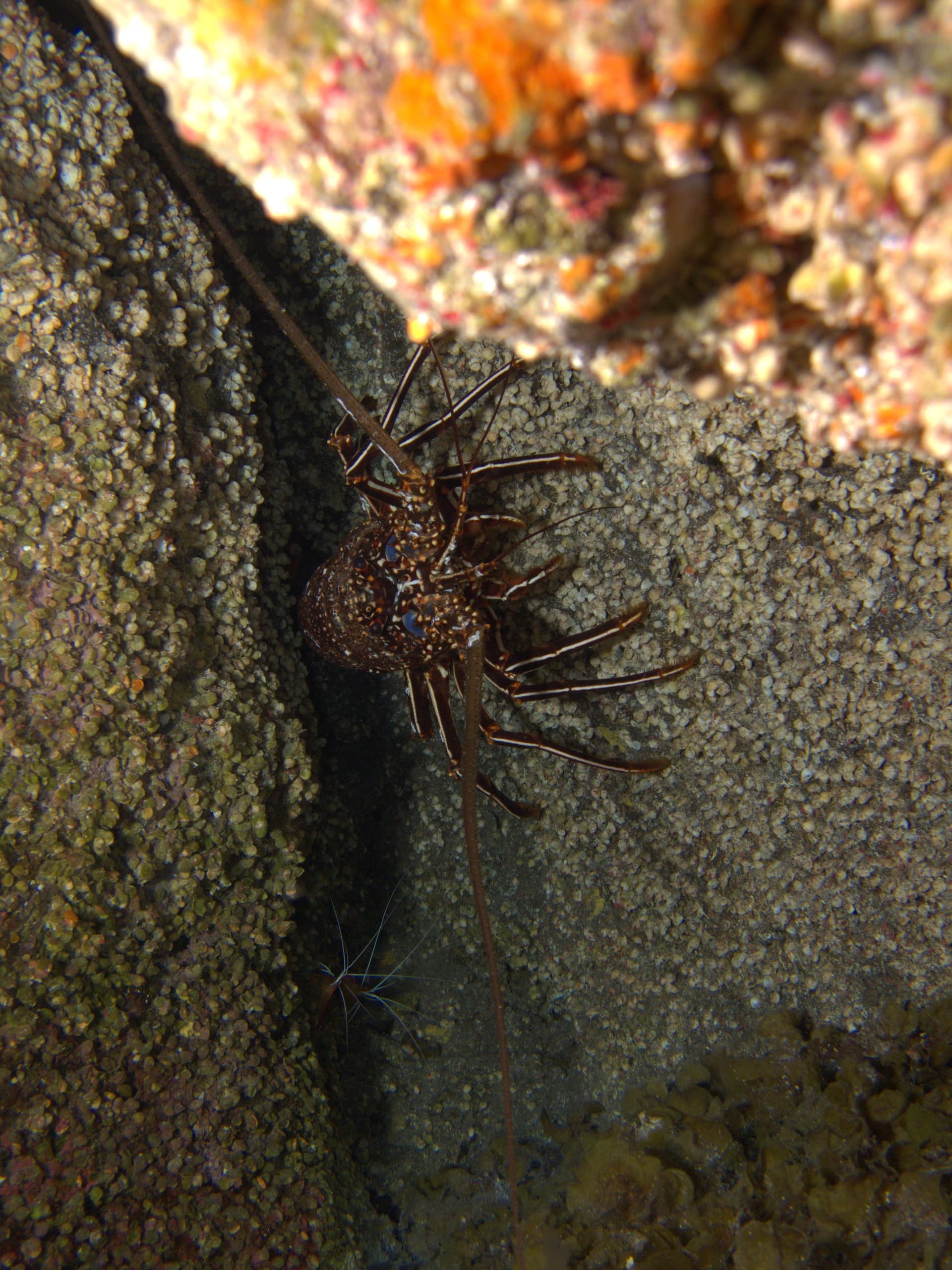
© Jouni Kuisma
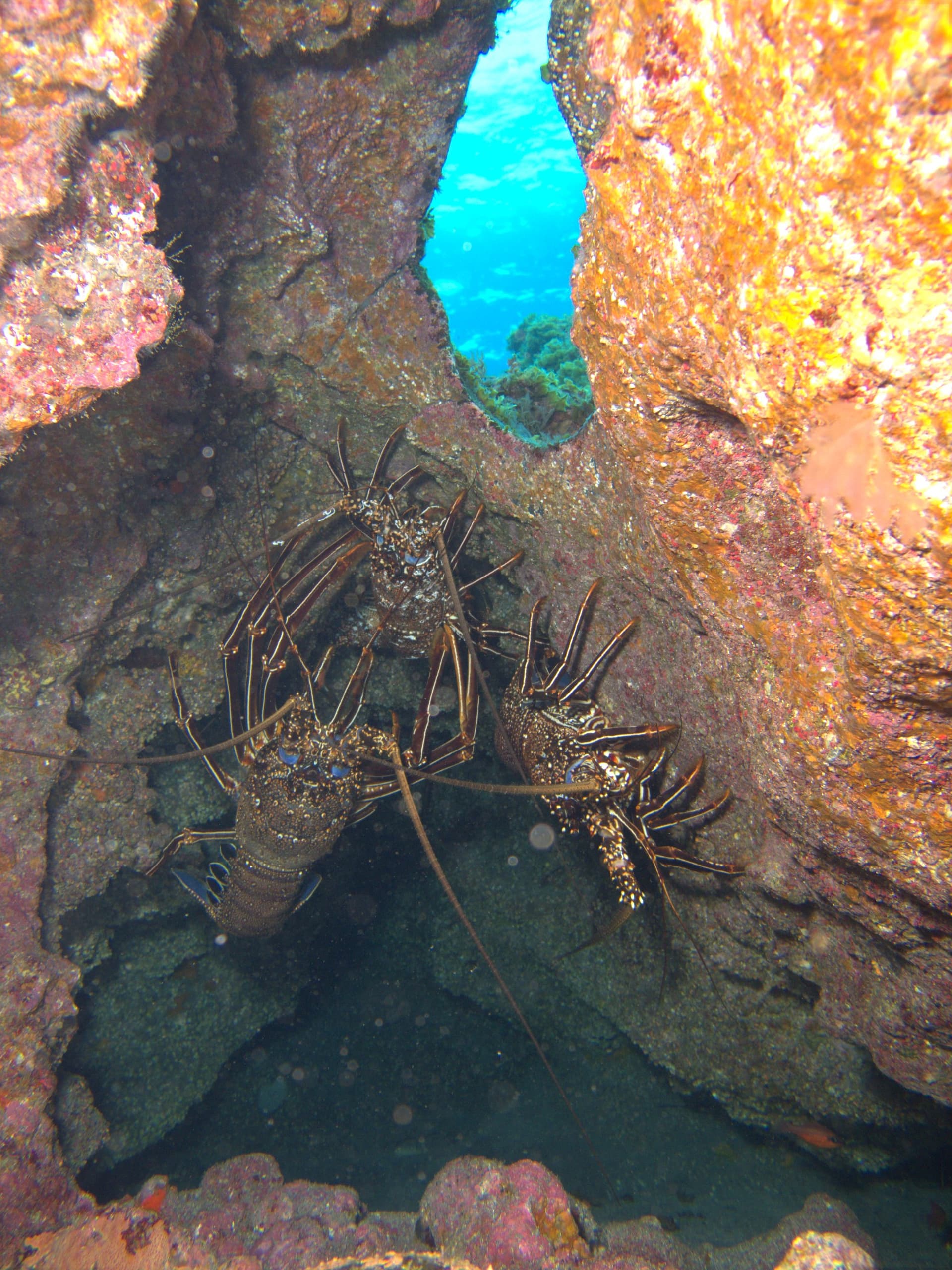
© Jouni Kuisma
Observed at
Atlantic slipper lobsterScyllarides latus1 photos
A large, flat lobster with a shovel-shaped head and no long antennae — looks like it was stepped on. Brown-orange body with sculptured plate-like segments.
Nocturnal — hides in caves by day. Extremely rare in the Med due to overharvesting. A thrilling find for any diver.
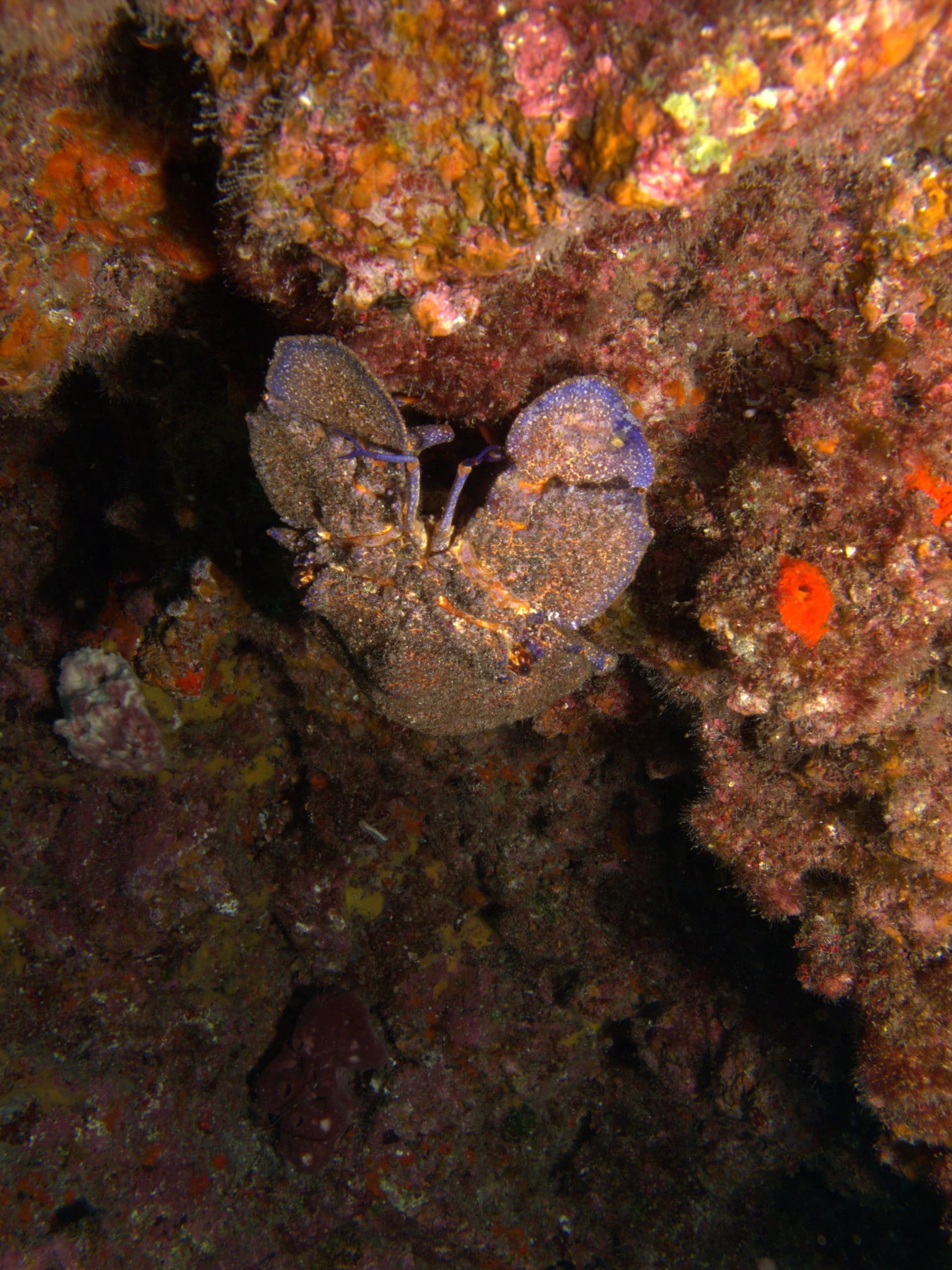
© Jouni Kuisma
Observed at
Every dive has a story. Share yours.
Log your dives - notes, photos, conditions and the marine life you saw - and share them as one public diver profile. What you share helps the next diver, too.
Log every detail
Depth, duration, conditions, gear, buddy, notes — all in one place. Import from Suunto and other dive computers.
Track marine life
Record species sightings on each dive. Build a personal catalogue of everything you've seen underwater.
Your public dive profile
Share your dive history, stats, and experiences with a profile page you control. Show the world where you've been.