

Buceo La Restinga
SSI center in La Restinga, El Hierro, highly rated by divers, with 24+ volcanic sites, a 30m depth cap, and the top recommendation on Spanish dive forums.
SSI2 languages
Also known as: Baja de Rosario, Baja El Rosario
Shallow volcanic shoal in El Hierro's marine reserve: a flat summit at 6m, a hollow with anemone-covered walls and lava canyons running down to sand.
Last updated October 2026
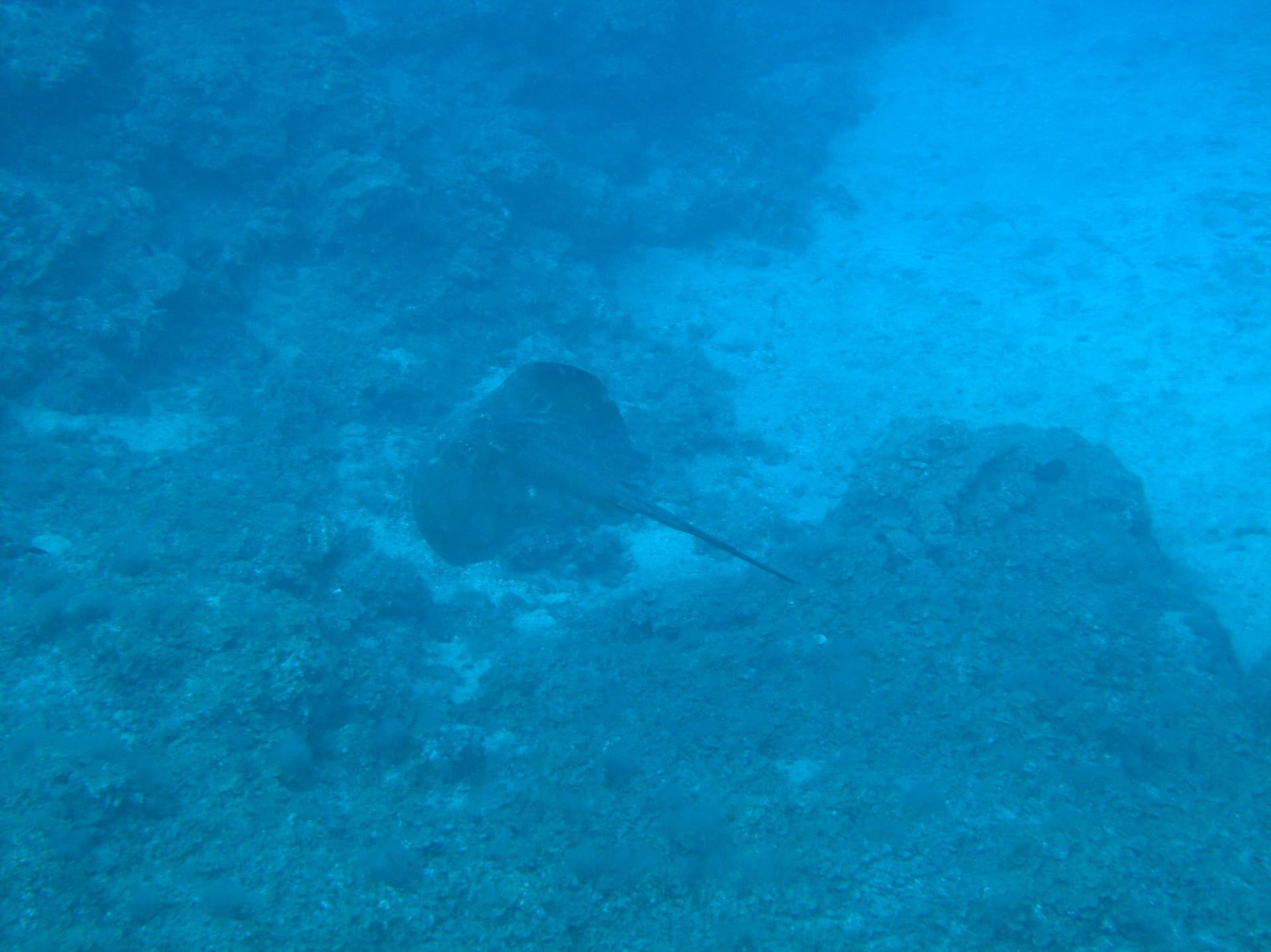
Baja Rosario has two shapes side by side: a volcanic hollow whose walls are covered in polyps and anemones, with a floor near 12 m, and a main mountain whose long flat summit sits at 6 m. Shrimp and crabs live in the crevices of the hollow, and lobsters show at some times of year. From the summit, lava-flow canyons run down the flanks to a sand plain beyond 30 m, where a small colony of garden eels lives at the foot of the mountain. Most dives stay above 25 m. One operator describes dives here facing open water, where pelagics pass by, while dusky groupers, amberjack and moray eels stay close to the rock.
Until 2019, female smalltooth sand tiger sharks (Odontaspis ferox), a deep-water species, could be watched in the hollow here. In August 2025 sightings were reported at Baja Rosario and El Salto, after about six years without confirmed sightings around El Hierro. The sharks are not here every year or all year, so a booking for the shark alone is a gamble. Sightings are reported to be easier in the afternoon.
The shallow top also suits photographers. Operators point to the first hours of sun, when light comes in behind the volcanic crags and backlights them.
A strong south swell reaches the site on a few days a year because the coast is close. For most of the year boats from the La Restinga centres work the site, and each buoy takes 12 divers. One La Restinga centre's own shark rule in 2019 was a two-metre minimum distance, no chasing and no cutting across the animal's path; if one appears, follow the guide's lead.
What makes this dive site stand out.
The long top of the main mountain sits in bright, shallow water
Walls covered in polyps and anemones, with a floor near 12m
Channels run down the mountain flanks to a sand plain beyond 30m
Females were watched here until 2019 and reported again in August 2025
27.6400°N, 17.9800°W
Guide figure for one boat dive without rented gear; confirm current rates with your dive centre.
The top of the site is at 6-7m. One operator labels the site Advanced on its page while rating the difficulty low; another calls it suitable for every certification.
Summary
Shallow top and hollow; operators report current from none to light.
Safety considerations
What can go wrong here, and what divers do about it. Conditions change - take the briefing from the operator on the day.
Book a guided dive at this site.
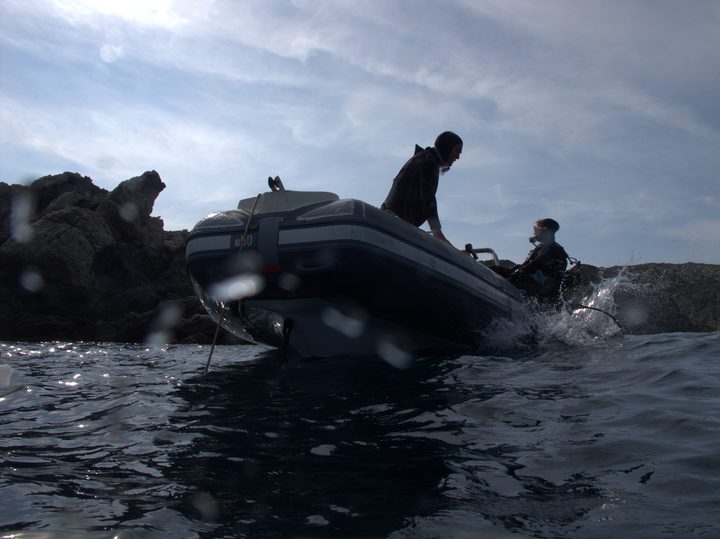
SSI center in La Restinga, El Hierro, highly rated by divers, with 24+ volcanic sites, a 30m depth cap, and the top recommendation on Spanish dive forums.

Dive centre in La Restinga, El Hierro, operating since 1978 and certified under PADI, FEDAS/CMAS and ESA, with a stable, named team and bundled trip logistics.
Get in touch to add or claim your dive center listing on DiveCodex.
Dive centres in the Canary Islands check that you hold the certification the dive needs.
Operators disagree. One says there is almost never any, a dive logged in March 2020 reports none, and another rates it low to medium. Expect anything from still water to a light flow, and ask at the briefing how the sea is running that day.
The top of the site is at 6 to 7 m, inside Open Water limits, and another operator describes the dive as suitable for every certification. The Advanced label sits on one operator's page next to a low difficulty rating. The sand below the mountain continues past 30 m, so the depth you plan decides how far the dive goes, not the card.
The June 2019 encounters reported from La Restinga were at Baja Bocarones and Los Saltos. Baja Rosario's own record is the females watched in the hollow until 2019 and the sightings reported in August 2025.
Log your dives - notes, photos, conditions and the marine life you saw - and share them as one public diver profile. What you share helps the next diver, too.
Log every detail
Depth, duration, conditions, gear, buddy, notes — all in one place. Import from Suunto and other dive computers.
Track marine life
Record species sightings on each dive. Build a personal catalogue of everything you've seen underwater.
Your public dive profile
Share your dive history, stats, and experiences with a profile page you control. Show the world where you've been.