
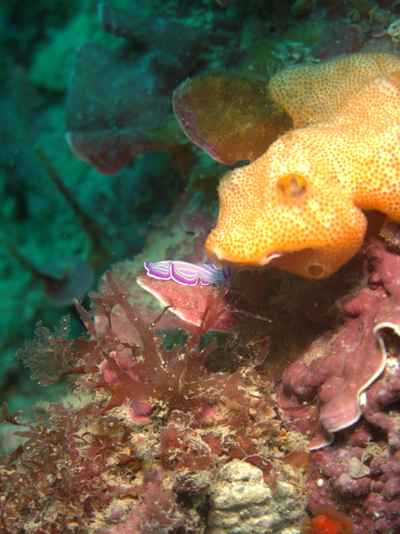
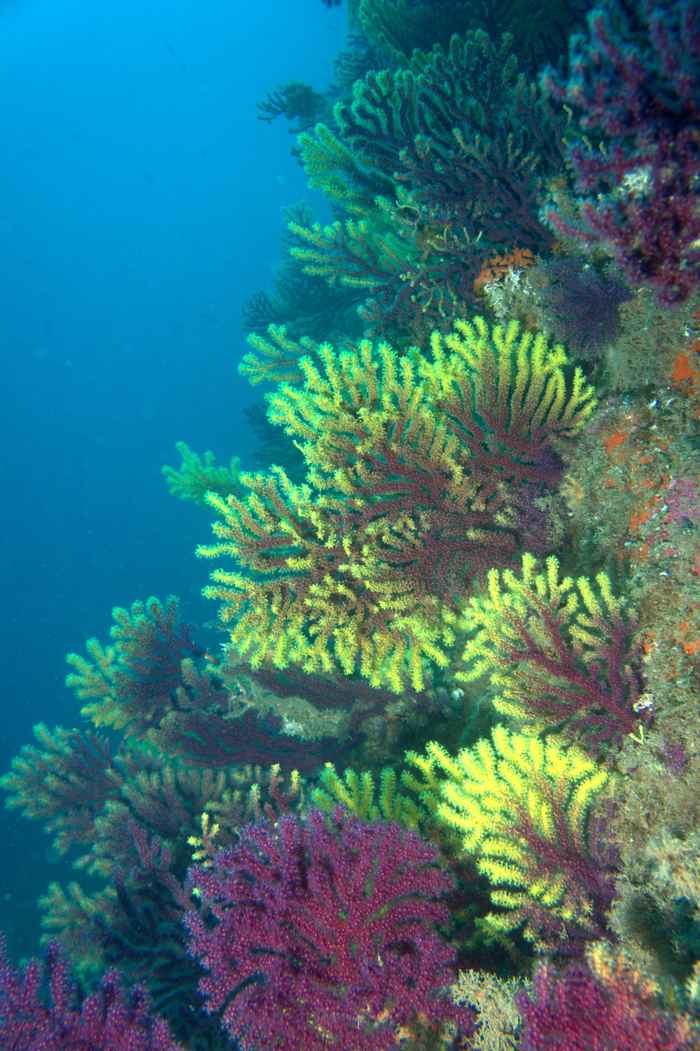
Palamós
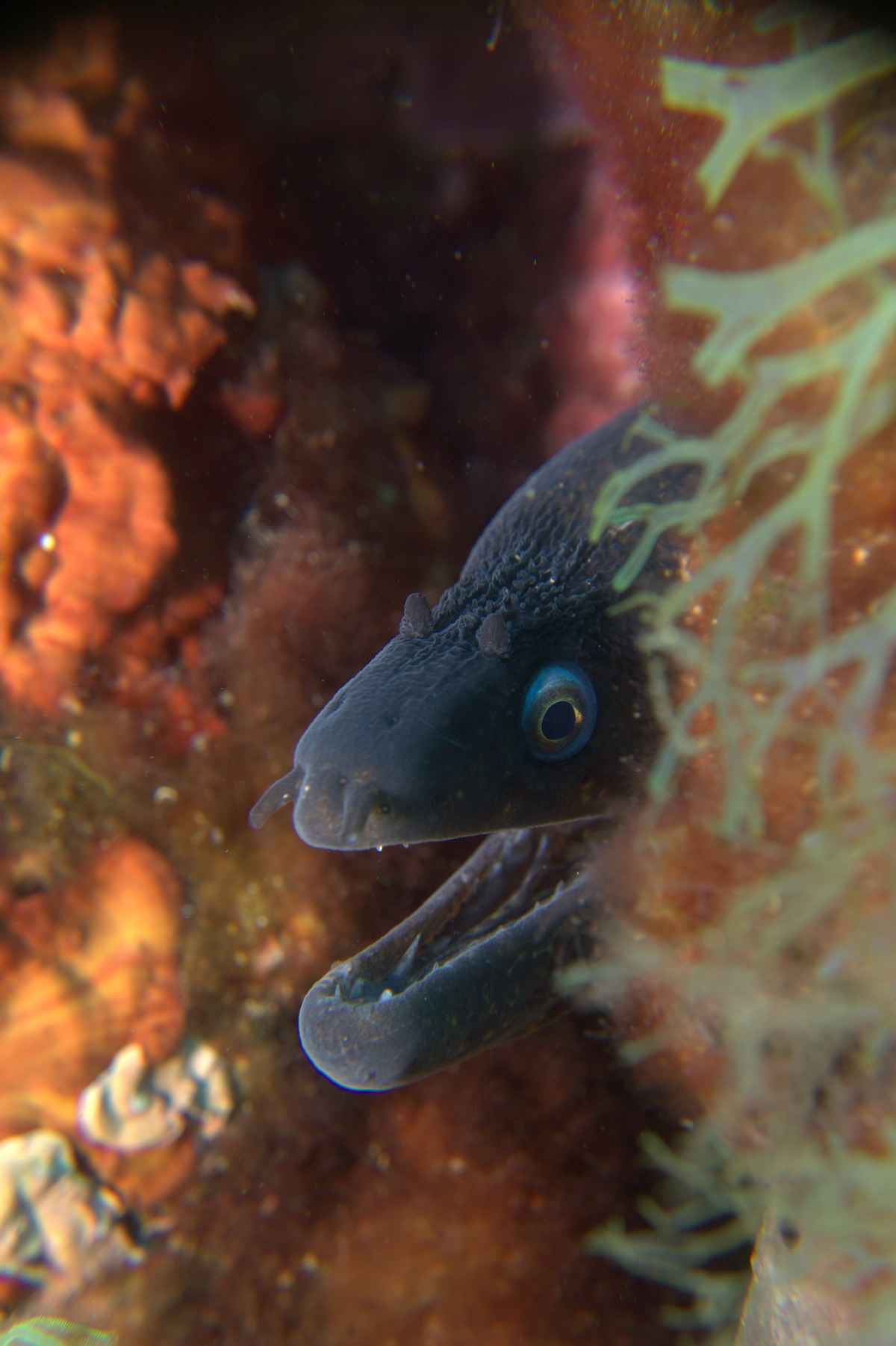
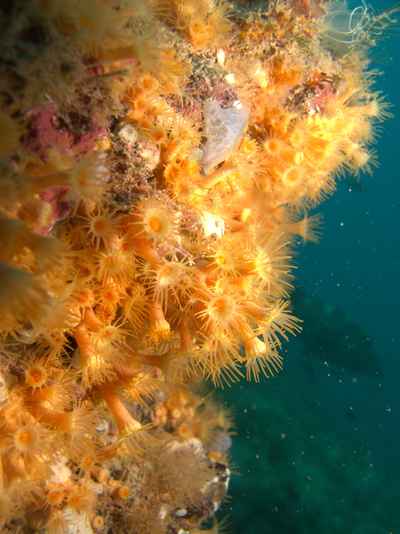
Boreas wreck and the Ullastres gorgonian walls
Central Costa Brava hub where a tug wreck, gorgonian pinnacles and a 16-islet archipelago sit a short boat run from one port, with no reserve permit.
12 dive sitesBoat & shore
Mediterranean marine reserves, volcanic Canary walls with angel sharks, and wrecks from Ibiza to Murcia, with diving open somewhere all year.
Last updated October 2026
The Mediterranean coast and the Balearics hold the reserves and most of the wrecks. The Canary Islands add volcanic Atlantic walls and angel sharks, and at Tarifa the Strait of Gibraltar puts kelp and strong current where the two seas meet.
The Costa Brava is where reserve diving is easiest to reach, and the Illes Medes are the reason. The islets sit under a daily diver quota, grouper encounters start at beginner level, and the gorgonian pinnacle of Carall Bernat is the best-known site. Next door the Costa del Montgrí covers the mainland side of the same coast with tunnels, arches and two wrecks, without the reserve fee.
North and south of the Medes the coast gets more demanding. Cap de Creus is a park of Paleozoic schist walls and pegmatite pinnacles, a 2025 park plan limits operators there, and exposed pinnacles such as Massa d'Or turn serious in strong current and tramontana wind. Palamós brings the Boreas wreck with its keel at 32 m and the Ullastres walls, and Begur has granite walls, Roman amphorae and the Furió pinnacle facing the open Mediterranean, an advanced dive.
The gentler Catalan bases are Tossa de Mar, with resident seahorses and six routes from the single shore entry at Mar Menuda, and Sant Feliu de Guíxols, where the six-tunnel Port Salví system sits in a sheltered bay and one local operator runs winter dives. The Costa del Maresme serves Barcelona with rocky bars and the El Santuari sunken fish farm.
At Cabo de Palos in Murcia the Islas Hormigas reserve holds submarine mountains such as Bajo de Dentro and wrecks including the Naranjito, and the currents point most of it at Advanced divers and up. At Tarifa slack water decides when the kelp, the walls and a paddle-steamer wreck can be dived.
Wreck divers have a choice across three seas. Don Pedro off Ibiza is a 142 m ship sunk in 2007, Cabo de Gata holds the 1928 Vapor in habitual current, Cabo de Palos has the Naranjito, and Menorca's Malakoff lies at 38-40 m. Menorca also adds limestone caves and two reserves, Mallorca a recovering grouper reserve at El Toro with Cala Ratjada caves, and Formentera posidonia clarity beside La Plataforma artificial reef.
Canary diving runs through the winter. Lanzarote, Gran Canaria and Tenerife share angel sharks on sandy bottoms and volcanic terrain, Tenerife adds basalt walls and lava tunnels, and Lanzarote the Museo Atlántico sculpture park. At El Hierro the Mar de las Calmas has been a state reserve since 1996, and El Bajón, a twin-pinnacle volcanic mountain, is the island's signature dive for experienced divers. A national marine park for the Mar de las Calmas is a government proposal that went to public information in 2025; it is not yet law.
South of Murcia the Mediterranean gets quieter, and the choice turns on shelter. La Herradura on the Costa Tropical is the easy start: a horseshoe bay with orange-coral walls, where Punta de la Mona is the one advanced headland. Cabo de Gata is the volcanic alternative, a reserve of caves and craters that, like La Herradura, is practical only by car. Marbella is resort diving with a single reason to leave the coast, the Las Bóvedas seamount, a RIB ride out to sea. Around Alicante the draw is protection: the Tabarca reserve (1,754 ha, 0-40 m) and Cabo de San Antonio at Dénia-Jávea, with the Marina Alta caves behind them.
The 22 highlighted areas have full dive guides. Grey markers show more of the country's dive regions, with new guides on the way.
Our handpicked selection of the best diving areas in Spain.
Divers after volcanic relief and calm over fish density
Groupers, tunnels and gorgonian walls a short boat ride from L'Estartit
Experienced divers after heavy fish aggregations, historic wrecks, and current-swept pinnacles inside a protected reserve
Shallow volcanic coves, caves and a deep wreck in a warm reserve
Divers who plan around the tide for walls, kelp and a wreck
Real Decreto 550/2020, amended in 2025, is the national safety framework. Every recreational diver needs accident and civil-liability insurance, scuba is capped at 40 m on air or nitrox, and the decree has the centre collect a signed health declaration. Each try-dive participant is accompanied individually by an instructor who supervises no more than that one participant. Certification equivalences sit in regional rules, so carry your card; the Balearic reserve authorisation asks for a valid official recreational certification.
The depth ranges on the area cards reach 55 m and beyond at Cabo de Palos, Palamós and Begur. They describe the sites. Recreational scuba stops at 40 m, and deeper diving is reserved for adults with the technical equipment of Annex III, so the lower part of those sites is not a recreational dive.
Reserve access differs by region. The ministry lists twelve state marine reserves of fishing interest, among them Cabo de Palos-Islas Hormigas, Cabo de Gata-Níjar, Tabarca and La Restinga-Mar de las Calmas, and the Illes Medes and the Balearic reserves follow regional regimes. The Balearic authorisation is personal, and its 2026 fees are 5.24 EUR a day and 52.82 EUR a year.
The Mediterranean main season runs May to October. Surface water reaches 21-25 °C from July to September and cools below the thermocline; in January to March it sits at 11-15 °C, which means 7 mm or a drysuit, where 5 mm does for summer. The Canary Islands dive all year, at around 22-23 °C in summer and 17-18 °C in March at Lanzarote, with El Hierro warmer and Lanzarote and La Graciosa the coldest. Their thermocline is weak, so the bottom stays within a degree or two of the surface, and Mediterranean thermocline figures do not carry over. Each area page gives its own best months.
Airports shape the logistics: Barcelona and Girona-Costa Brava for Catalonia, Palma and Ibiza for the Balearics, Tenerife South and Gran Canaria for the Canaries, Málaga for Andalusia, with Alicante, Almería and Murcia-Corvera serving their own coasts. Cabo de Gata and La Herradura are practical only by car. For decompression-chamber locations, DAN Ibérica and the regional health services hold the current lists.
What makes this country a world-class diving destination.
Temperate Mediterranean, the subtropical Atlantic around the Canary Islands, and the Strait of Gibraltar where the two meet.
Don Pedro off Ibiza, a 142 m ship sunk in 2007, the 1928 Vapor at Cabo de Gata and the Cabo de Palos wrecks.
Twelve state reserves of fishing interest, plus regional regimes such as the Balearic reserves and the Illes Medes.
The Canary Islands dive all year; the Mediterranean stays viable through winter in a drysuit or 7 mm.
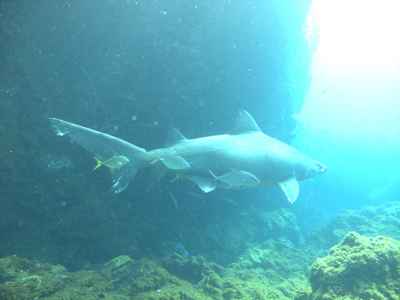
Squatina squatina on sandy bottoms at Lanzarote, Gran Canaria, Tenerife and El Hierro.
Boreas wreck and the Ullastres gorgonian walls
Central Costa Brava hub where a tug wreck, gorgonian pinnacles and a 16-islet archipelago sit a short boat run from one port, with no reserve permit.
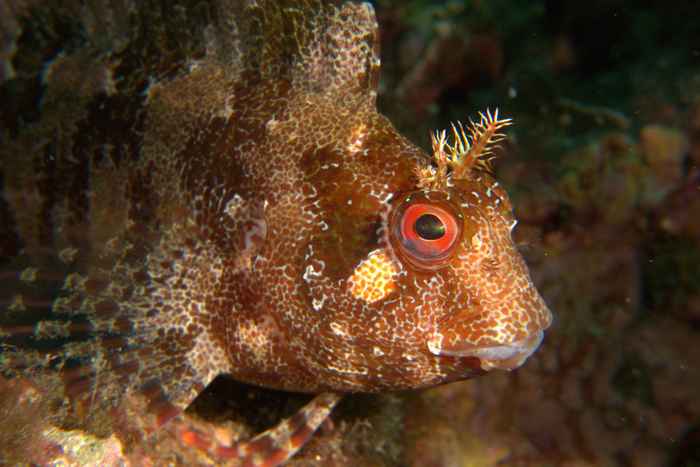
Barcelona's everyday rocky bars and a fish farm
Boat diving over parallel rocky ridges and a sunken fish farm, a short drive up the coast from Barcelona.
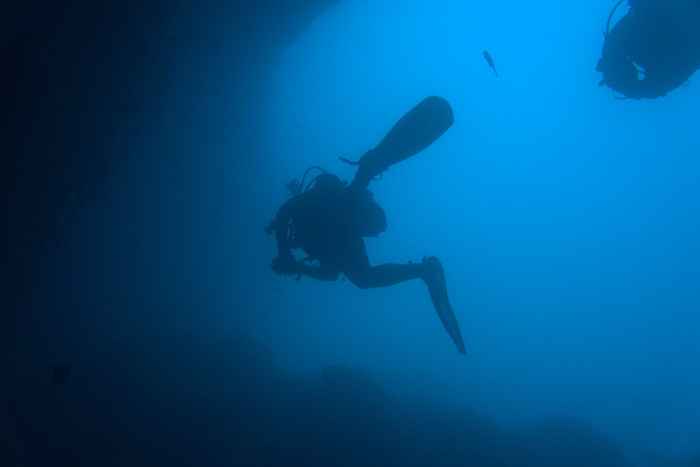
Flagship grouper reserve with a daily diver quota
Seven-islet limestone archipelago a mile off L'Estartit: a no-take reserve with groupers at most sites, tunnels, caves and gorgonian walls.
Schist walls and pegmatite pinnacles in a park
Current-driven walls, pinnacles and caves on a wind-scoured stretch of the Costa Brava, with grouper aggregations and barracuda schools inside a natural park.
Shore-diving base with resident seahorses
Shore-first Costa Brava diving: a south-facing beach with several routes, a small cavern, and boat sites from easy reefs to advanced rock pinnacles.
Six-tunnel cave complex in a sheltered bay
Costa Brava bay led by the limestone tunnels at Port Salví, with easy reefs by the port and deeper walls offshore.
Mainland Medes coast: tunnels, arches, two wrecks
Limestone coast beside the Illes Medes: swim-through tunnels, rock arches, caves with air chambers and two deep wrecks, with gorgonian walls to match.
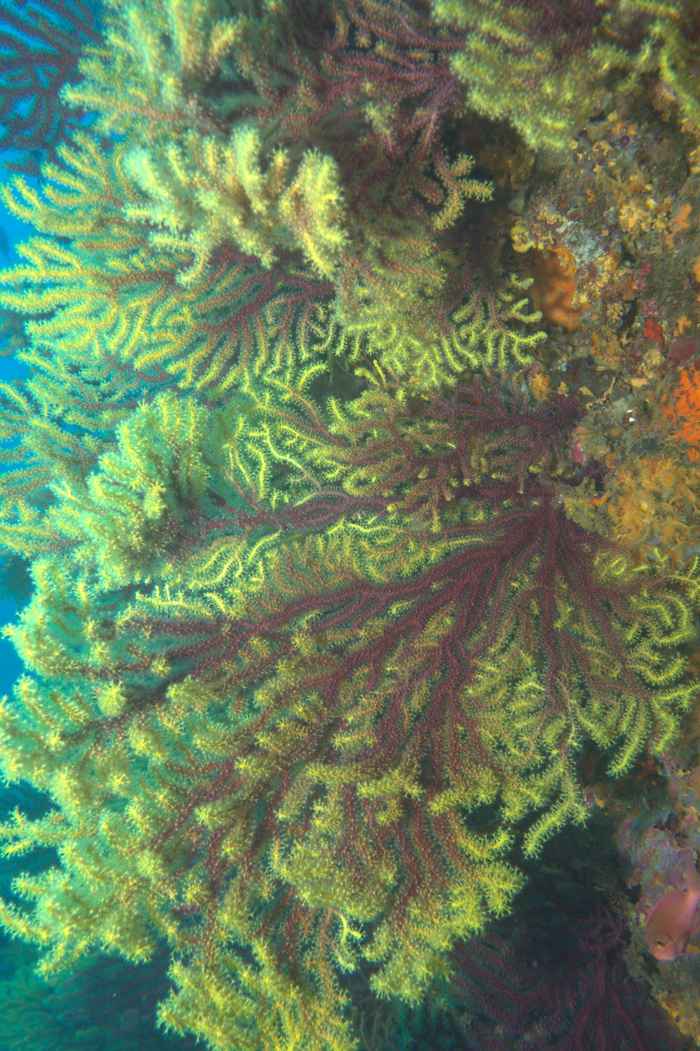
Granite walls, an offshore pinnacle, Roman amphorae
Granite headland on the central Costa Brava: gorgonian walls, an offshore pinnacle dropping to about 60 m, and Roman amphorae in a shore-dive cove.
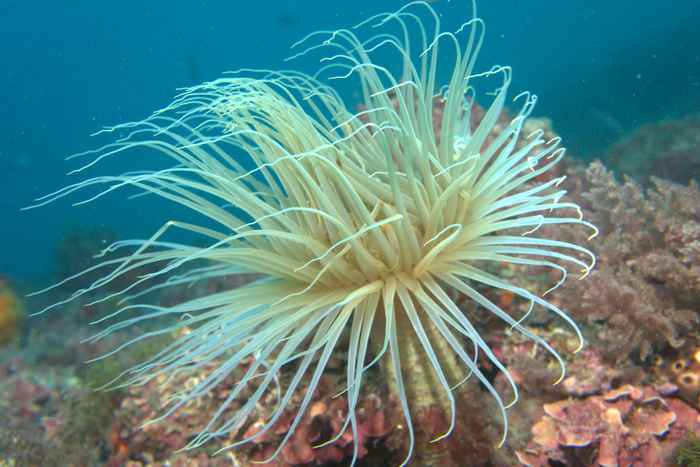
Orange-coral walls and a sheltered horseshoe bay
Orange-coral walls on a protected cliff coast, with a sheltered horseshoe bay for first dives, on Andalusia's Costa Tropical.
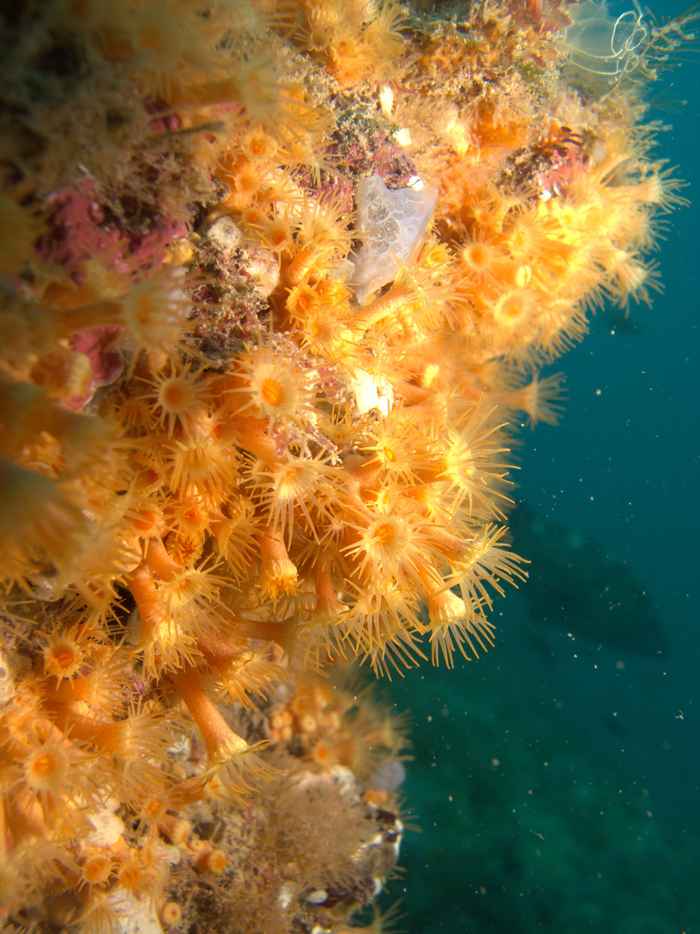
Wrecks and submarine mountains in a state reserve
Murcia marine reserve where submarine mountains and historic wrecks concentrate some of the Mediterranean's densest fish aggregations.
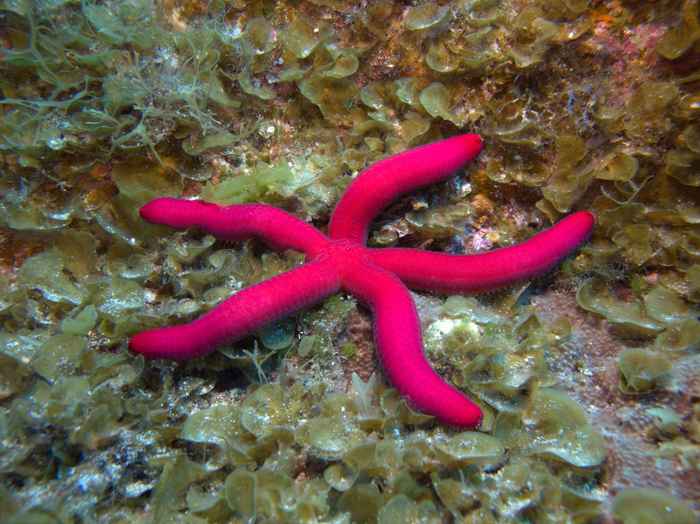
Strait of Gibraltar: kelp, walls, paddle steamer
Island diving where the Atlantic meets the Mediterranean: kelp, walls and a paddle steamer wreck, all planned around slack water.
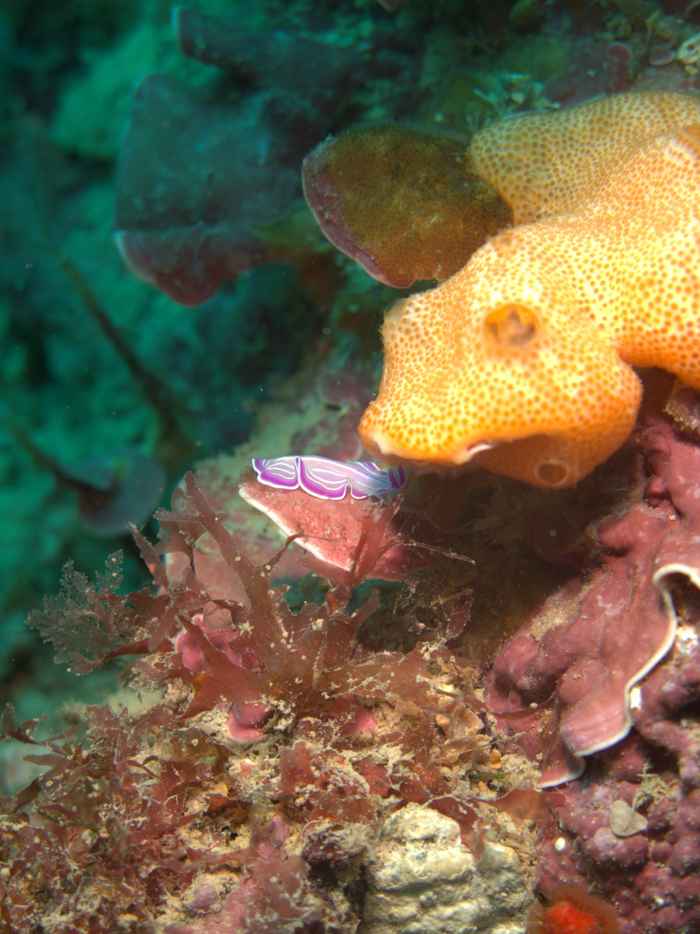
Volcanic reserve with caves, craters and a 1928 wreck
Volcanic coast in Almería where a marine reserve and natural park hold caves, orange-coral canyons and a 1928 wreck, diveable nearly all year.
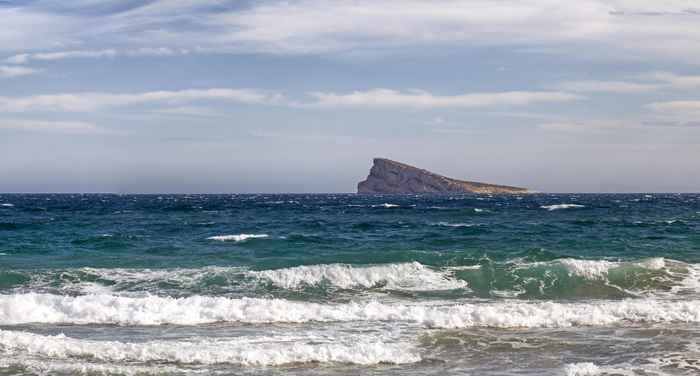
Two reserves, Marina Alta caves, Benidorm Island
Limestone Costa Blanca: a flooded three-arch cavern, wall and arch dives from Dénia to Benidorm, and the Tabarca and Cabo de San Antonio reserves.
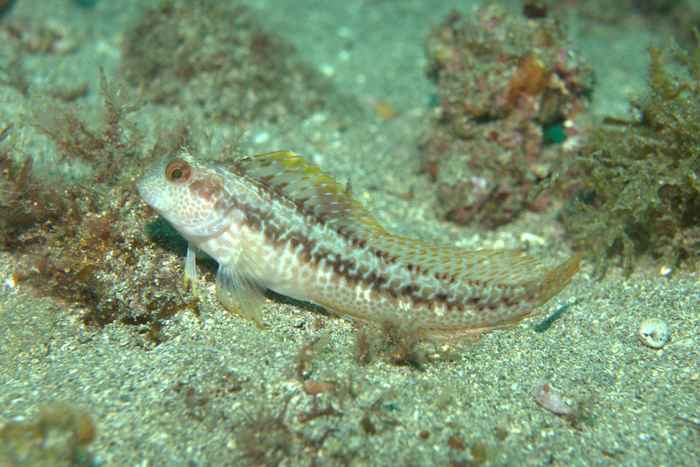
Resort coast with the Las Bóvedas seamount
Costa del Sol resort diving where murky nearshore water contrasts with Las Bóvedas, an offshore seamount at 18-40m with 20m+ visibility and pelagics.
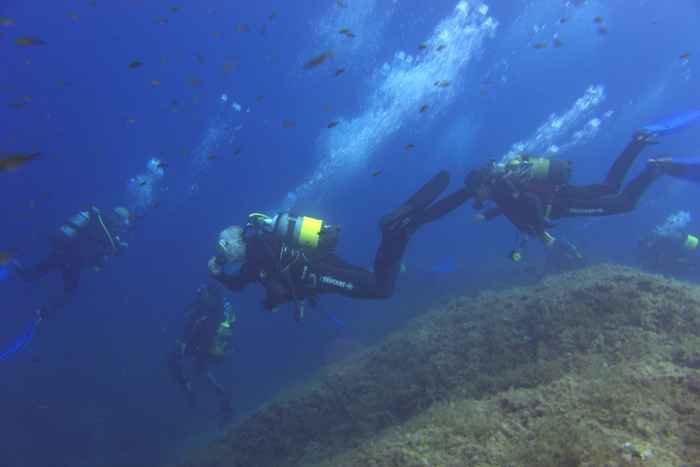
Don Pedro wreck, backlit caves, gorgonian walls
Small Mediterranean island where a 2007 wreck, backlit caves, deep gorgonian walls and Posidonia meadows sit a half-hour drive apart.
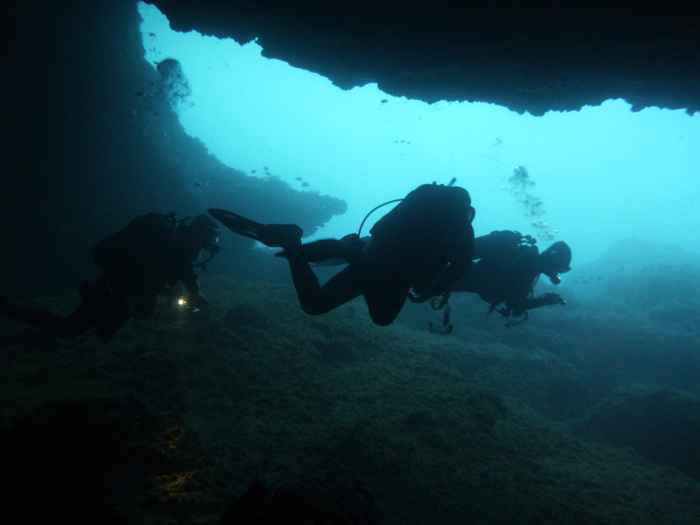
El Toro reserve groupers, caves, Palma Bay wrecks
Reef, wall, cave and wreck diving on a large Mediterranean island, with a recovering grouper reserve off Calvià and a wreck cluster in Palma Bay.
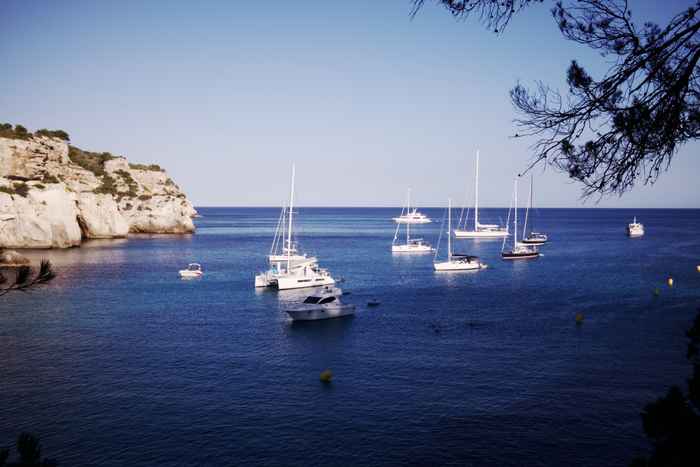
Limestone caves, a deep wreck and two reserves
Balearic island of limestone caverns and caves and a deep 1929 wreck, with two marine reserves that each ask for a personal diving authorisation.
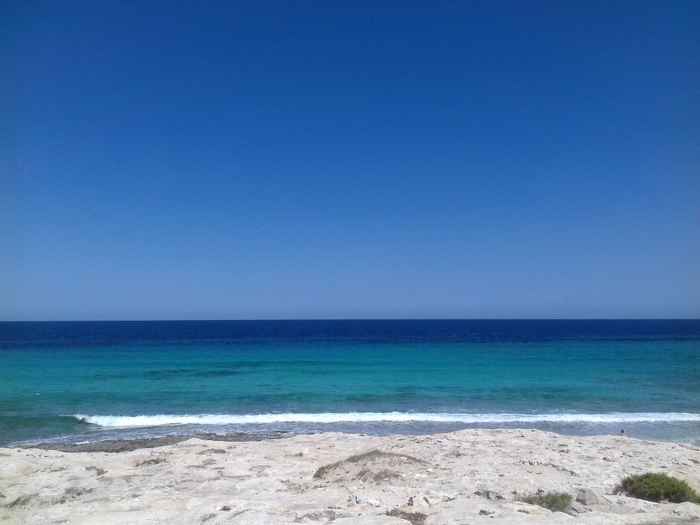
Posidonia clarity and La Plataforma artificial reef
Posidonia-clear water in a permit-regulated reserve: a sunken fish-farm reef, easy rock arches and cliff caves, a ferry hop south of Ibiza.
Volcanic Atlantic islands off northwest Africa.
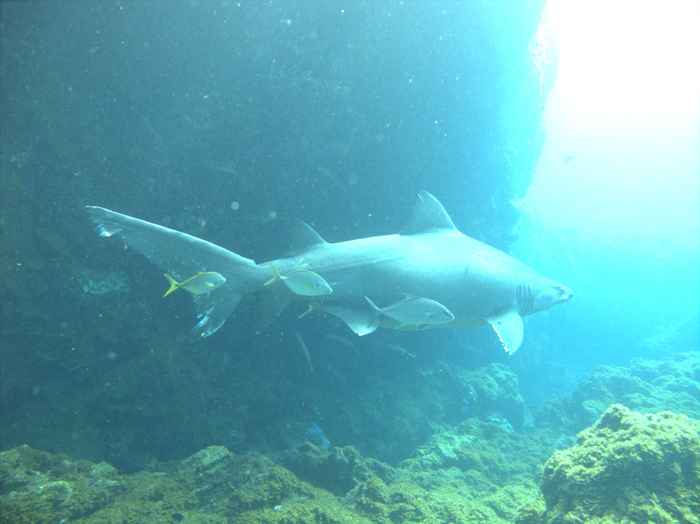
Volcanic walls and the Mar de las Calmas reserve
Lava walls, arches and pinnacles on the youngest Canary Island, dived from La Restinga inside a marine reserve, with El Bajón as the big dive.
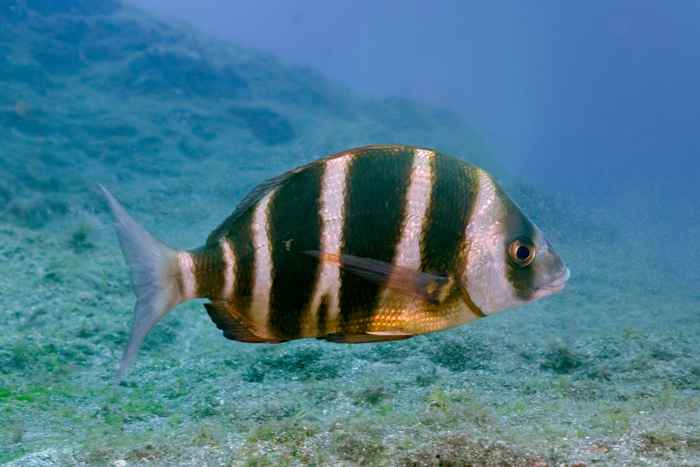
Basalt walls, lava tunnels and an easy turtle bay
Green turtles, winter angel sharks, shallow wrecks and lava caves on a Canary island that dives all year, partly inside two Natura 2000 zones.
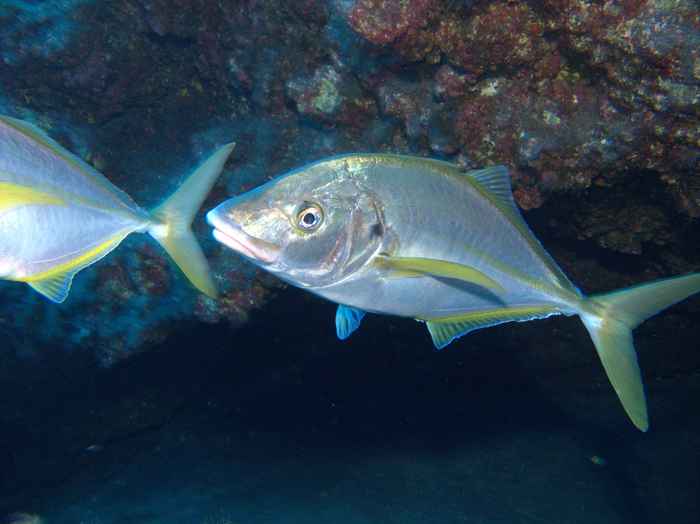
Year-round volcanic diving with angel sharks
Volcanic Atlantic island: lava caves and walls, a shore-dive bay with routes for days, angel sharks on the sand and an underwater sculpture park.
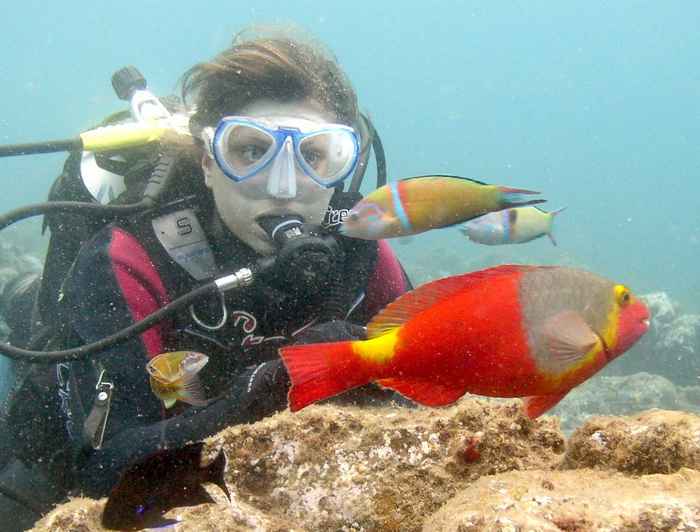
El Cabrón shore reef and winter angel sharks
Subtropical Atlantic diving on a volcanic island: lava arches, caves and wrecks, a Natura 2000 shore reef at El Cabron, and angel sharks.
Book online or contact a centre for your trip.

SSI Instructor Training Center at Port Balis marina, 35 km north of Barcelona, running 24 boat dive sites on the Maresme coast year-round.
Family-owned dive center in Llafranc since 1979, with 4.9/5 on 717 Google reviews, covering 11 sites across two Costa Brava dive areas.
Family-run PADI 5-Star Dive Resort in Tarifa harbour, the Parque Natural del Estrecho information point, with short boat dives around Isla de las Palomas.

PADI 5-Star Instructor Development Center by Las Canteras beach in Las Palmas de Gran Canaria, with twice-daily boat and van trips.

SSI Diamond Center with two SE Mallorca bases at Calas de Mallorca and Cala d'Or, diving the Migjorn marine reserve with all-inclusive transparent pricing.
PADI and SSI center operating from Cabo de Palos port and La Manga Club resort, 25 years in the area.

Mallorca's first PADI Eco Center in Cala Bona, founded 1993, with 25 east-coast sites and Conservation Diver ecological monitoring programmes.
Get in touch to add or claim your dive center listing on DiveCodex.
Diving safety decreeAmends the 2020 diving decreeInsurance rules for diversChecked: Oct 2026
For a diver based in Europe who wants range, yes: Mediterranean reserves, volcanic Atlantic walls with angel sharks, wrecks along several coasts and some diving open in every month, all on short-haul flights. Divers who compare it with the Red Sea or the Maldives find warmer water and bigger pelagics there; Spain trades that for protected reefs with dense fish life and a flight of a few hours from most of Europe.
The Canary Islands dive all year, at 17-18 °C around Lanzarote in March. The Mediterranean stays viable in a drysuit or 7 mm: about 11 °C at the Illes Medes in March, 13 °C at Cabo de Palos and 15 °C at Ibiza, and some Mediterranean centres run fewer departures in the cold months. Angel-shark timing differs by island: Gran Canaria sightings run from November to March, while at Lanzarote divers report a peak around October and November.
In the Balearic Islands, diving in the marine reserves needs a personal, non-transferable authorisation. The 2026 fees are 5.24 EUR for a day or 52.82 EUR for a year, and it asks for a valid official recreational certification. The annual version does not cover the El Toro and Malgrats special zones. Elsewhere the regime is regional: the Illes Medes run a daily diver quota, and Tabarca needs prior authorisation within a daily quota per zone. The area pages give each local rule.
Real Decreto 550/2020 requires accident and civil-liability insurance, caps recreational scuba at 40 m on air or nitrox, and rules out cave or wreck penetration beyond 30 m. For health, the decree has the centre collect a signed declaration, with medical clearance only after a positive answer. The Generalitat de Catalunya's information page describes a specific medical examination instead, and the same page still lists national orders the decree repealed. Ask the centre what it requires before you travel.
From age 8. The national decree sets depth limits of 6 m at 8-9, 12 m at 10-11, 21 m at 12-15 and 40 m at 16-18, and each try-dive participant works with one instructor. The Valencian centre regulation, written before the decree, sets 12 m for ages 12-15 and a 6 m cap on try-dives in confined water or near the beach. The two values for the 12-15 band differ, so ask the centre which one it applies.
They sit at opposite ends of Spanish reserve diving. Cabo de Palos is submarine mountains, wrecks and heavy fish aggregations in currents that put the main sites at Advanced level and above. The Illes Medes are compact islets, run on a daily diver quota and offer grouper encounters from beginner level up. A diver new to the Mediterranean starts at the Medes; the Palos sites suit a logbook with current experience.
Log your dives - notes, photos, conditions and the marine life you saw - and share them as one public diver profile. What you share helps the next diver, too.
Log every detail
Depth, duration, conditions, gear, buddy, notes — all in one place. Import from Suunto and other dive computers.
Track marine life
Record species sightings on each dive. Build a personal catalogue of everything you've seen underwater.
Your public dive profile
Share your dive history, stats, and experiences with a profile page you control. Show the world where you've been.