

Diverty Sub
Barcelona dive school and shop diving from Lloret de Mar, Costa Brava; SSI Diamond Instructor Training Center since 2006, plus Extended Range technical courses.
SSI6 services2 languages
Also known as: Canyelles Beach, Platja de Canyelles, Playa de Canyelles
Costa Brava cove with a beach dive along the jetty over posidonia meadows, where pen shells, clams and small octopuses turned up on a logged dive.
Last updated October 2026
A large rock splits the cove, and the beach dive follows the jetty on the right bank, with the posidonia starting close in. The dive logged here ran 72 minutes on one cylinder over the meadow, broken by patches of sand and rock, and turned up pen shells, clams and small octopuses in 15 m of visibility in June. Anemones with crabs, sea urchins and bream are also reported along the way.
The cove is listed on six guided eco-route themes: the guardians of the sea, seahorses, marine predators, macro-lens nudibranchs, creatures hidden in the shadows, and the ones without feet or head. Treat seahorses and nudibranchs as possibilities. Posidonia, the Mediterranean's own flowering plant, gives the beach dive its character, and the cove adds a small marina, a beach bar and two seaside restaurants for before and after.
Parking fills up in summer. Boat dives from the same port are graded separately: the operator Canyelles Diving asks for at least an advanced certification at Llosa de Llevado (18 to 32 m), where the first 18 m are blue water with no reference. The Can Juncadella side north of the cove sees more boats passing in summer, so check the surface before you ascend.
What makes this dive site stand out.
Seagrass fields over sand and rock make up the bottom of the beach dive
The shore dive follows the jetty on the right bank of the cove
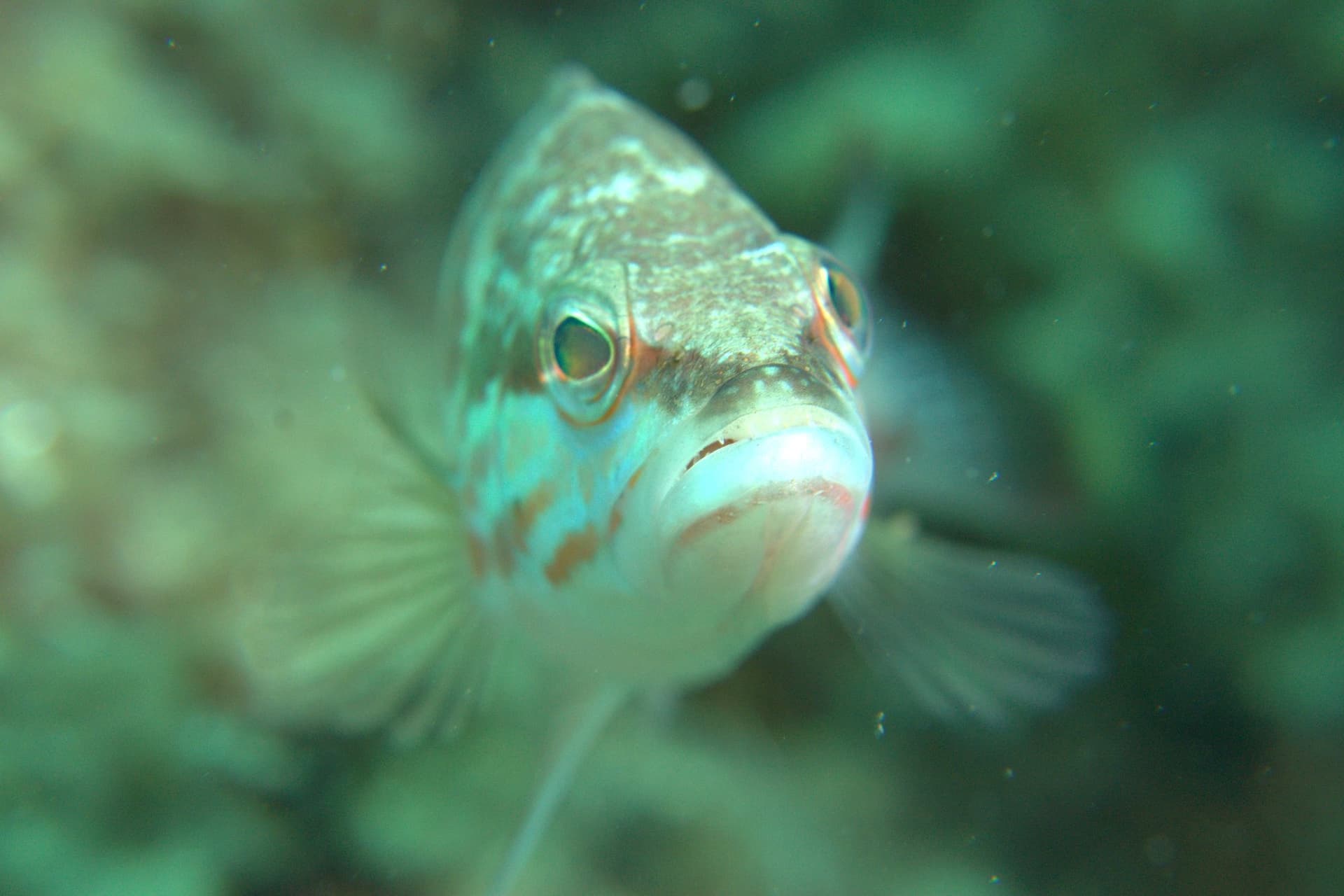
All three were seen among the seagrass on a logged dive
Reported along the beach dive, with crabs living in the anemones
Seahorses, nudibranchs and marine predators are among the guided route themes
41.7046°N, 2.8827°E
Most dives here fall between June and September; the resident operator runs March to November.
Open Water covers the beach dive, which stays shallow for most of its length. Boat sites from the same port are graded separately by the operator.
Summary
Entry from the beach along the jetty into a shallow meadow; the deeper boat dives from the port are a different level.
Safety considerations
What can go wrong here, and what divers do about it. Conditions change - take the briefing from the operator on the day.
Book a guided dive at this site.
Barcelona dive school and shop diving from Lloret de Mar, Costa Brava; SSI Diamond Instructor Training Center since 2006, plus Extended Range technical courses.

Family-run PADI/SSI/CMAS centre in Tossa de Mar with 21+ seasons, free Nitrox on guided dives, marine life courses, and on-site apartments.
Get in touch to add or claim your dive center listing on DiveCodex.
Dive centres in Catalonia must require insurance from every diver on their dives, and must be able to offer a policy to anyone who has none.
Descriptions of the beach dive put its maximum anywhere from about 7 m to 22 m, with 17 m also given, so an Open Water diver cannot assume the whole dive stays inside 18 m. The meadow where the time is spent lies in the shallow part. Keep to it and agree the plan with your guide before going deeper.
A Barcelona operator that lists Cala Canyelles prices a day in Lloret de Mar at 125 EUR for two shore dives, 150 EUR for two boat dives and 135 EUR for one of each. Each includes full gear, one-day insurance, a guide, boat fees and tanks, and starts from Barcelona, about an hour away. Rates change by season, so confirm before booking.
Log your dives - notes, photos, conditions and the marine life you saw - and share them as one public diver profile. What you share helps the next diver, too.
Log every detail
Depth, duration, conditions, gear, buddy, notes — all in one place. Import from Suunto and other dive computers.
Track marine life
Record species sightings on each dive. Build a personal catalogue of everything you've seen underwater.
Your public dive profile
Share your dive history, stats, and experiences with a profile page you control. Show the world where you've been.