

Andreas Diving
Family-run SSI center on Menuda Beach in Tossa de Mar since 1998, with eco-guide philosophy, 17 dive sites, and authorized Cressi service.
SSI4 languages
Shore-first Costa Brava diving: a south-facing beach with several routes, a small cavern, and boat sites from easy reefs to advanced rock pinnacles.
Last updated October 2026
Most of Tossa's diving starts at one beach. Cala Mar Menuda faces south, so the tramontana does not reach it even when it blows hard, and several routes of different depth leave from the same entry, from the shallows to about 22 m with some going on to 30 m. The coast around it is granite, posidonia and rock, divers and operators report little or no current, and the boat sites sit a few minutes out.
Beyond the beach, La Cueva de Tossa is a cavern about 2 m long with a maximum depth of 18 m, where lobster and shrimp turn up on many night dives. By boat, Roca Muladera has a wide shallow zone for novices and a deeper one beyond, and one centre recommends it for groupers, which are occasional and wary here. Tres Barres is a pair of parallel rock bars with nudibranchs and fish schools. The island wall of Illa de Tossa lies under five minutes out and can be dived at 14 to 30 m depending on the route. Roca de Santa Anna is the advanced favourite, and sunfish are seen there in summer.
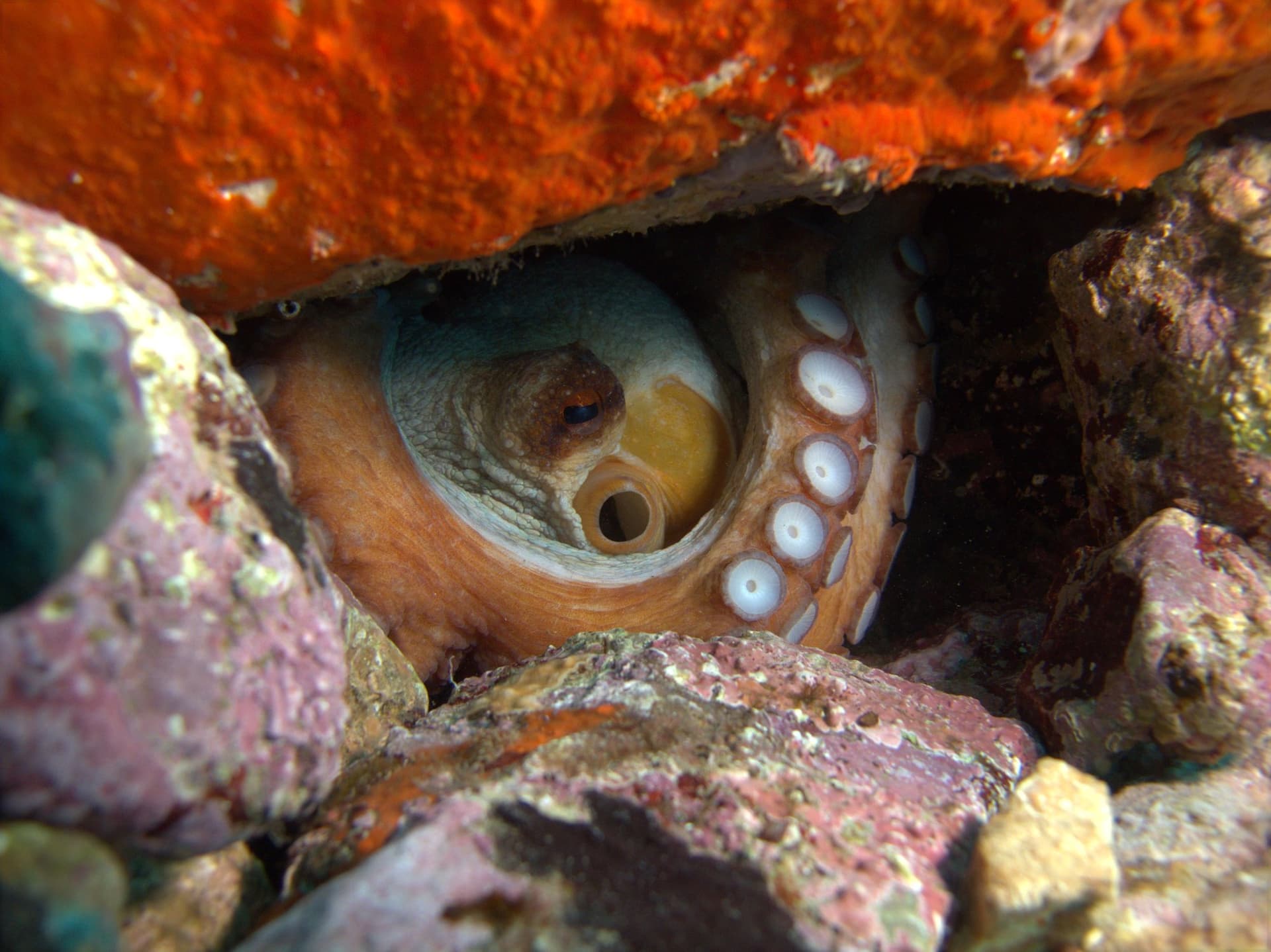
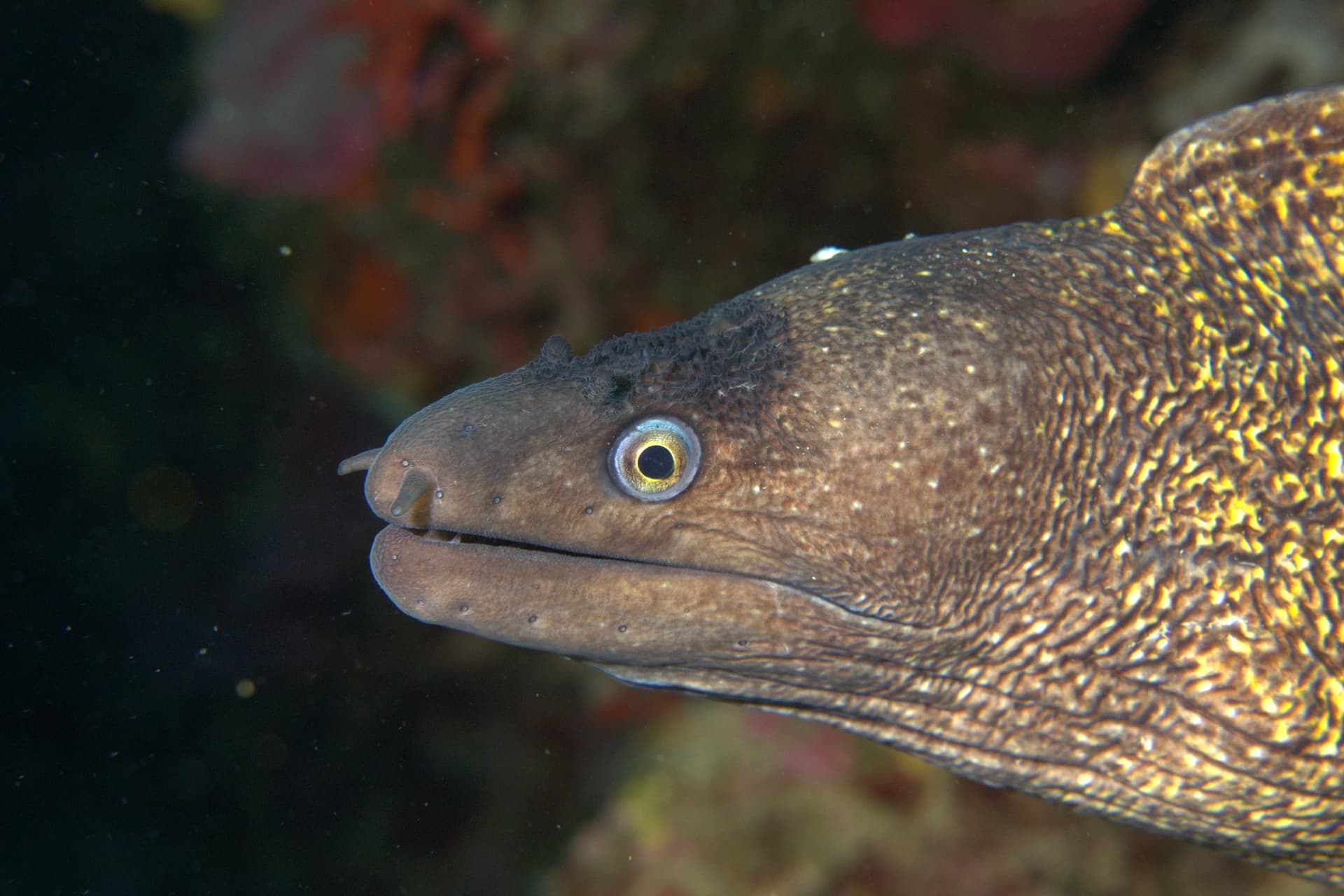
At the deep end, Els Bolets has mushroom-shaped rocks reported covered in lobsters, and Perduts is an offshore rock site that can hold barracuda. Roca d'en Ricard is an advanced dive too, rated for small groups. Seahorses, moray eels, octopus and spiny lobsters turn up across the area, and in winter monkfish and john dory at Asunción, La Cueva, Las Barras and Perduts.
No diving permit, reserve fee or diver quota applies, and the coast is not a marine reserve. It lies inside the PEIN Massís de les Cadiretes, approved in 2004, an environmental designation that sets no diving rules. You book directly with a centre.
Several independent centres work the town, some from Cala Mar Menuda beach itself. One runs its own boat with groups of at most four certified divers; another drops divers at the beach and collects them at an agreed time. Levels are set by the centres, not by a rule. Mar Menuda is open to all levels, the easiest boat sites run 3 to 18 m, and the pinnacles and Roca d'en Ricard are advanced, and the night dive run by OceaNomads needs Advanced Adventurer. In summer, ask the centre how the banyera entry at Mar Menuda works on the day, as a 2014 report says entry and exit there were not possible from 10:00 to 18:30.
Diving runs all year; May to October is the usual season and the cold months suit monkfish. Girona-Costa Brava airport and Barcelona are the gateways. Summer surface warmth does not carry down, so ask the centre for the temperature at your planned depth.
A granite coast of small coves, posidonia meadows and offshore rocks, with rock formations and crevices at the deeper sites.
The diving here splits into 3 zones:
Shore divers wanting route variety, seahorses, and a wind-protected bay.
Advanced divers seeking a deep navigation challenge with seasonal pelagic encounters off Tossa de Mar
Open Water divers wanting a shore-entry cavern with rich crustacean life and one of Tossa's best night dives
Canyon beside a surface rock with a shallow side and a deeper side
Wall dive with route choice on a single island, from a 14-24 m circumnavigation to a 30 m seaward drop along detached rock ridges
Tossa de Mar's deepest standard dive, with decompression management and a seasonal sunfish cleaning station
Long unhurried traverse across rocky ridges with a nudibranch-rich safety stop, suited to air-efficient divers and macro photographers
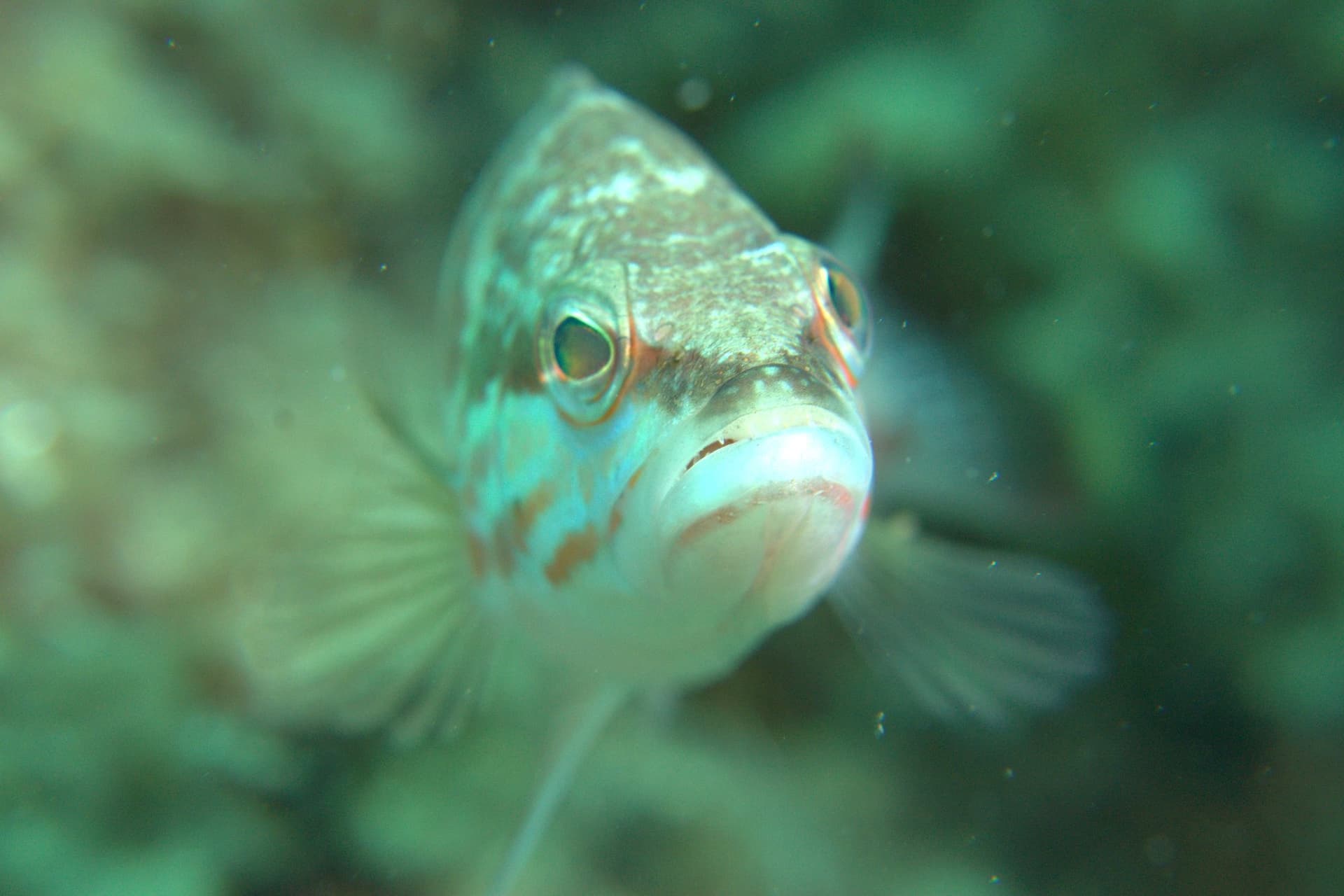
Easy shore dive from the beach, entering along the jetty into posidonia
Relaxed boat dive in Tossa de Mar with posidonia ecosystems and cavern photography
Photographers and newer divers wanting easy boat diving with seahorses and schooling bream in Tossa de Mar
Two-for-one boat dive with Tres Barres, accessible to all levels from 4 m shallows to 22 m rock formations
Divers wanting a quick, accessible boat dive that captures the variety of Tossa de Mar reef life in one outing
Deep AOW dive on a 1994 anti-trawling concrete reef off Lloret de Mar
Book online or contact a centre that dives this area.
Family-run SSI center on Menuda Beach in Tossa de Mar since 1998, with eco-guide philosophy, 17 dive sites, and authorized Cressi service.
Barcelona dive school and shop diving from Lloret de Mar, Costa Brava; SSI Diamond Instructor Training Center since 2006, plus Extended Range technical courses.
Family-feel PADI and CMAS centre in Tossa de Mar with free parking, van to Mar Menuda, and a wide course menu including ice, altitude and DPV specialties.
Small-group dive center in Tossa de Mar with a year-round boat, max 4 divers per guide, PADI TecRec and CCR training, and on-site accommodation.
Beach-front Tossa de Mar centre with GUE technical training, a 24/7 membership model and conservation work through Ghost Diving Spain.

Family-run PADI/SSI/CMAS centre in Tossa de Mar with 21+ seasons, free Nitrox on guided dives, marine life courses, and on-site apartments.
Family-run Costa Brava dive center at Cala Canyelles, Lloret de Mar, with its own boat reaching reefs and pinnacles from Blanes to Tossa de Mar.
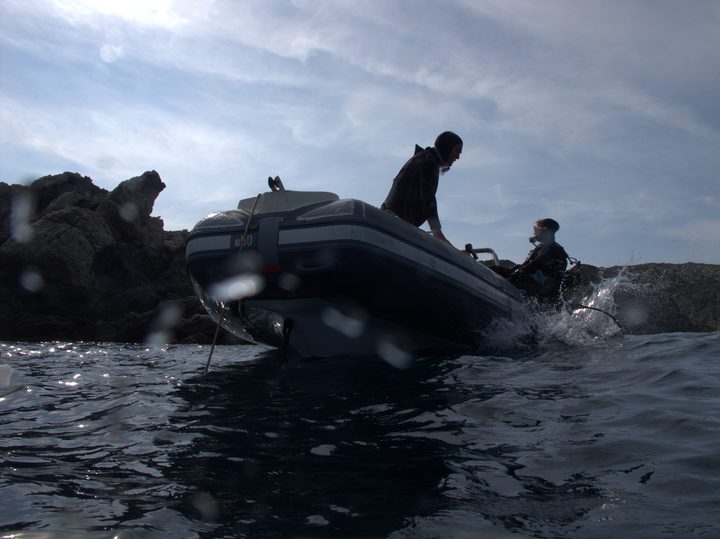
Get in touch to add or claim your dive center listing on DiveCodex.
Upcoming trips published by dive centres in this area.
Availability is read from each centre's public calendar and refreshed daily. Last checked October 16. Confirm with the centre before travelling.
Diving runs all year, and the cold months bring monkfish and john dory. Plan on 15 to 20 m of visibility on a good day and 25 m at most; operators quote up to 30 m in summer, which is a ceiling, and adverse winter days drop to 5 to 10 m.
What can go wrong here, and what divers do about it. Conditions change - take the briefing from the operator on the day.
Decree on dive centresGeneralitat page for dive centresChecked: Oct 2026
National rules also apply: Rules and permits in Spain
Mar Menuda is the beach dive: open to all levels, with several routes between the shallows and 22 m and some reaching 30 m. Local centres describe other dives entered from the same beach, among them La Cueva de Tossa, Asunción, El Acuario, La Llosa, Las Barras, El Cuerno and La Caída. Perduts is reached from there too, but it is an advanced dive. At least one centre drops divers at the beach and collects them at an agreed time, so parking is not a worry.
No. The coast belongs to the PEIN of the Cadiretes massif, approved in 2004, which is an environmental designation. Tossa is not a marine reserve: no diving permit, reserve fee or diver quota applies, and you book directly with a centre. A reserve of the same name appears in some centre marketing but does not exist in any government registry.
Sunfish are a summer sight at Roca de Santa Anna: one centre says they are seen very often there in summer, another says you may spot one with a little luck. Seahorses are reported across the year in the posidonia and among fan mussels at El Acuario and La Llosa, both shallow shore dives.
Centres rate Roca de Santa Anna advanced, meaning a 2-star or higher diver. Roca d'en Ricard has the same rating, with very good gas consumption expected and small groups. Els Bolets (19-30 m) has no part shallower than 19 m, so Advanced is the minimum we would set; one centre lists it as open water or 1-star with good gas, but it is easy to get lost there, so go with a guide. Montirivi and Perduts are also advanced.
La Cueva de Tossa is a night favourite for lobster and shrimp, and El Cuerno is noted for night dives. The night dive run by OceaNomads asks for Advanced Adventurer as the minimum. Other centres set their own requirements, so ask when you book.
Mar Menuda takes all levels, and the area's currents are mild. By boat, Sa Gatera (4-15 m) is described as very easy, Es Palomar (3-18 m) as the most relaxed of all, and Punta Pola (3-17 m) as easy. Roca Muladera has a wide shallow zone for novices before the deeper ground.
Also known as: Tossa
Log your dives - notes, photos, conditions and the marine life you saw - and share them as one public diver profile. What you share helps the next diver, too.
Log every detail
Depth, duration, conditions, gear, buddy, notes — all in one place. Import from Suunto and other dive computers.
Track marine life
Record species sightings on each dive. Build a personal catalogue of everything you've seen underwater.
Your public dive profile
Share your dive history, stats, and experiences with a profile page you control. Show the world where you've been.