
DiveCodex

Carnatic

Also known as: SS Carnatic

P&O steamer sunk 1869 at Sha'ab Abu Nuhas. One of the most famous Red Sea wrecks.

The dive

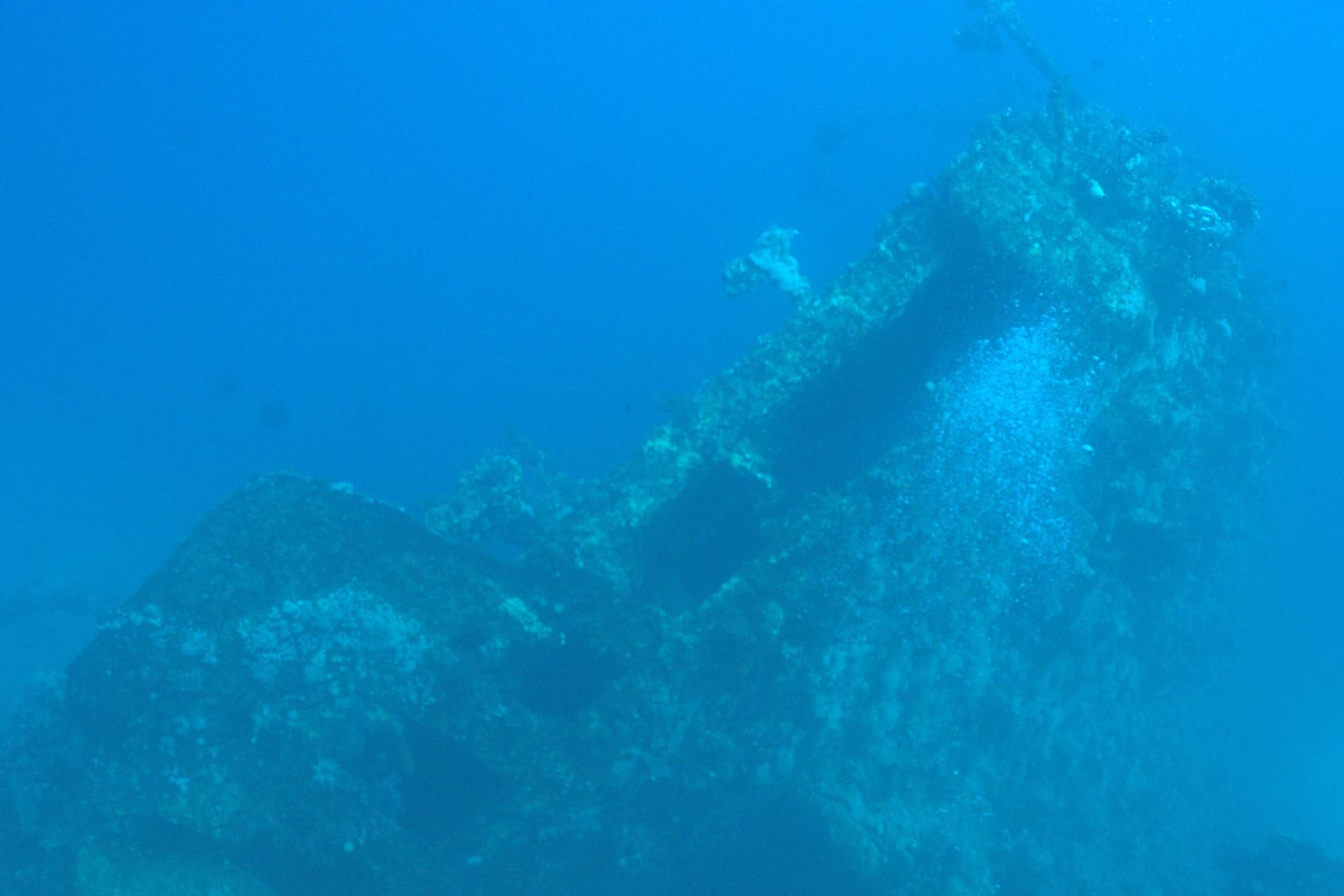
Parallel rows of iron ribs rise from the seabed like the nave of a flooded cathedral. The SS Carnatic's wooden decking rotted away over a century ago, leaving only the skeletal framework of a Victorian-era steamship standing open to the water column at 22-27m. A dive typically begins at the stern, swimming the full 90-metre length through the exposed hull where soft corals and hydroids drape the ironwork in colour, and glassfish pulse through the rib openings. The bow section at 12m provides a shallower exit point via the buoy line, or divers can ascend the adjacent reef slope — watching for fire corals that dominate the reef face here.

What makes it special

The Carnatic predates every other diveable wreck in the Red Sea by more than a century. She sank in September 1869, just months before the Suez Canal opened — the end of an era when ships still rounded Africa or crossed overland from Alexandria to Suez. That age shows not in decay but in transformation: 150-plus years of marine colonisation have turned the iron skeleton into a living reef that far surpasses the coral coverage on the younger Abu Nuhas wrecks. Fragments of wine bottles still scatter the floor — relics of the Victorian cargo that earned the wreck its "Wine Wreck" nickname. The human story is equally arresting: after balancing on the reef for 36 hours, the ship broke in two and sank, sending passengers fleeing to Shadwan Island where 31 perished awaiting rescue.

Know before you go

The Carnatic sits deeper than the Giannis D or Chrisoula K, with most of the wreck between 22 and 27m. Nitrox is strongly recommended to make the most of the bottom time. The open-rib structure means there are no enclosed compartments — entry and exit points appear throughout the hull, making this an unusually comfortable wreck for divers who dislike tight penetration. Broken wine-bottle glass on the floor is the primary hazard inside the wreck; avoid touching the bottom and be mindful of fin kick. The Carnatic lies adjacent to the Giannis D, and both can be visited on the same day at Abu Nuhas. Many experienced Red Sea divers rate it as their favourite wreck on the reef.

Depth & Profile

12m
Min depth
27m
Max depth
18–27m
Typical range
wreckcoralsand

Location

27.5814°N, 33.9319°E

Conditions

Temperature
22°C29°C
Visibility
20–30m
Current
moderate

Difficulty & Certification

moderateMin cert: AOWNitrox recommended

The open iron-rib structure allows easy swim-throughs, but the depth (22-27m) and possible currents elevate the overall difficulty.

Frequently Asked Questions

Why do divers call the Carnatic the 'Wine Wreck'?
The SS Carnatic was carrying wine among its cargo when it sank in 1869. Over 150 years later, broken glass fragments from wine bottles still litter the wreck floor — visible proof of a Victorian-era cargo hold. The nickname distinguishes it from Abu Nuhas's other wreck monikers: the Tile Wreck (Chrisoula K), Wood Wreck (Giannis D), and Lentil Wreck (Kimon M).
Why does the Carnatic look like a cathedral inside?
Time has done what no architect could design. Over 150 years, the wooden decking and hull planking have completely rotted away, leaving only the iron ribs standing upright in parallel rows. Sunlight filters through the open structure, creating light shafts between the ribs — an effect divers consistently compare to swimming through a Gothic cathedral. Soft corals and hydroids drape the ironwork like stained glass.
Is the Carnatic safe to swim through?
The open skeletal structure actually makes it one of the safer wrecks to explore — there are no enclosed compartments or tight passages to trap divers. Multiple gaps in the hull provide easy entry and exit points throughout. The main hazard is broken glass from the wine bottles on the floor and fire corals on the adjacent reef slope. Gloves and careful buoyancy are the primary precautions.
What happened to the passengers when the ship sank?
After hitting the reef at night, the captain ordered everyone to stay aboard. The ship balanced on the reef for 36 hours — two nights and a full day — before breaking in two and sinking. Passengers and crew escaped in lifeboats to Shadwan Island, 3 km to the south. Tragically, 31 people died on the island during the wait for rescue, reportedly from exposure during cold desert nights. The £40,000 in gold was recovered by another British ship about two months later.
How does the Carnatic compare to the other Abu Nuhas wrecks?
The Carnatic stands apart on three counts: age (1869, over a century older than the next oldest wreck), structure (open iron ribs versus enclosed steel hulls), and marine growth (150+ years of coral colonisation versus 40-50 years on the others). It sits deeper than the Giannis D or Chrisoula K, so nitrox is more valuable here. Many experienced Red Sea divers rank it as their favourite Abu Nuhas wreck for its haunting atmosphere.
Was there really gold on the Carnatic?
Yes. The ship carried £40,000 in gold coins — a substantial sum in 1869 — along with wine, cotton, copper, and mail. The gold was salvaged by another British vessel approximately two months after the sinking. The wine bottles, however, remain where they fell.

Photos & Video

Jouni Kuisma

Log your dives

Track every dive with depth, duration, conditions, and marine life sightings. Join a club and share your underwater experiences.

Try DiveLog — it’s free