

Colona Divers
PADI 5 Star IDC in Hurghada tracing to a 1977 Red Sea liveaboard, with daily boat dives, a house reef to 30+ m, and liveaboard safaris.
PADI5 services3 languages
Four wrecks on the Abu Nuhas reef, shallow Giftun coral gardens and a resident dolphin pod, all reached by boat from Hurghada.
Last updated October 2026
Hurghada is a resort city on Egypt's Red Sea coast, and its diving falls into two halves. The Giftun islands and the coastal reefs lie 30 to 90 minutes by boat from the harbour, on day trips. Abu Nuhas lies to the north-west in the Strait of Gubal, a crossing that runs from about 90 minutes to four hours, which is why they are usually a liveaboard job.
Abu Nuhas is a triangular reef in a shipping lane, and since 1869 it has been taking ships. It now holds four diveable wrecks: the Carnatic, lost in 1869, with her iron ribs standing open; Giannis D, tilted on her side with glassfish hanging in the engine room; Chrisoula K, her holds full of Italian tiles; and Kimon M, the largest. The Rosalie Moller, a WWII cargo ship, lies upright further out. She is the area's deep dive, silty on the bridge, and she is not on regular day-boat routes.
Closer in, Sha'ab El Erg is a horseshoe reef with a resident pod of Indo-Pacific bottlenose dolphins, and HEPCA's code for the site asks for passive contact with no chasing. Around it the Giftun reefs are shallow coral gardens and pinnacles, the kind of sites where many newly certified divers log their first reef.
HEPCA began the Red Sea mooring system at Hurghada in 1992 with 50 buoys. The network now runs to more than 1,200 moorings along the Egyptian coast, so each boat ties into a mooring line and the anchor stays aboard.
Diving here is guided and from a boat. Access to the sites runs through a dive centre, and a visiting diver's first dive is normally a check dive with a divemaster, usually a simple exercise. Day trips to the Giftun reefs and Sha'ab El Erg include a hotel pickup. Quality varies widely with price, and some divers advise bringing your own regulator, computer and mask where possible and checking any rental BCD before the first descent. Any Giftun park fee is usually folded into the trip price.
Those wrecks suit a liveaboard better, and the FAQ below covers the crossing. Northern-wreck itineraries that continue to the Thistlegorm and the Brothers run from March to November. A few operators run two-day boat trips to Panorama Reef and Abu Kafan, south of Hurghada.
Open Water divers are well served on the Giftun reefs, Sabina Garden and Sha'ab Eshta. The Abu Nuhas wrecks reach depths of about 24 to 32 m, Gorgonian Garden reaches about 30 m, and the Rosalie Moller is a deep dive in its own right, listed to around 50 m. Fly into Hurghada International (HRG); Sharm El Sheikh International (SSH) serves some northern Gubal itineraries. A 5 mm suit is normal in winter, a 3 mm shorty or full suit in summer.
Fringing reefs along the mainland coast, coral pinnacles around the Giftun islands and submerged reef plateaus that reach into the Strait of Gubal shipping channel.
The diving here splits into 3 zones:
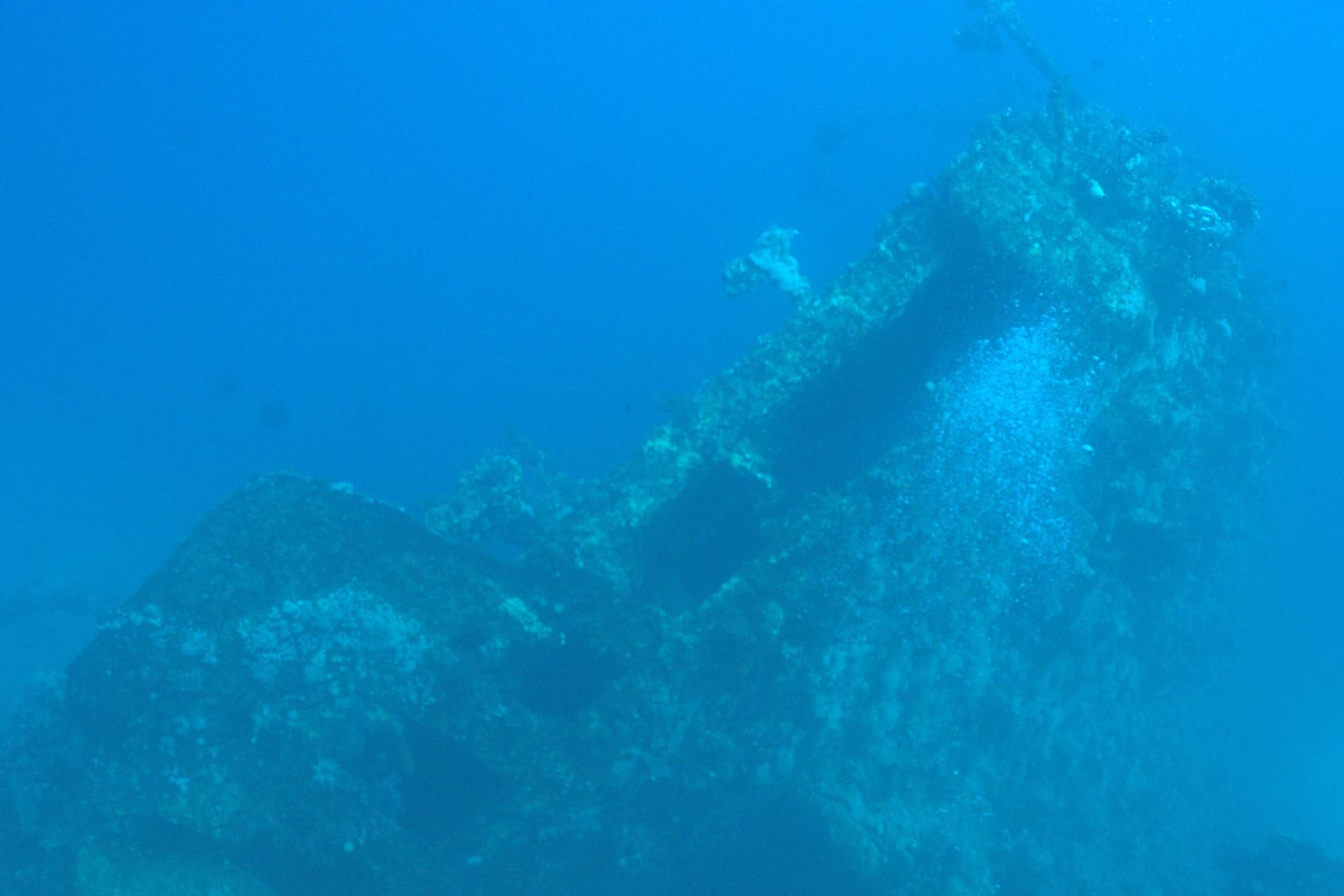
Victorian iron wreck with light pouring through bare ribs and glassfish holds
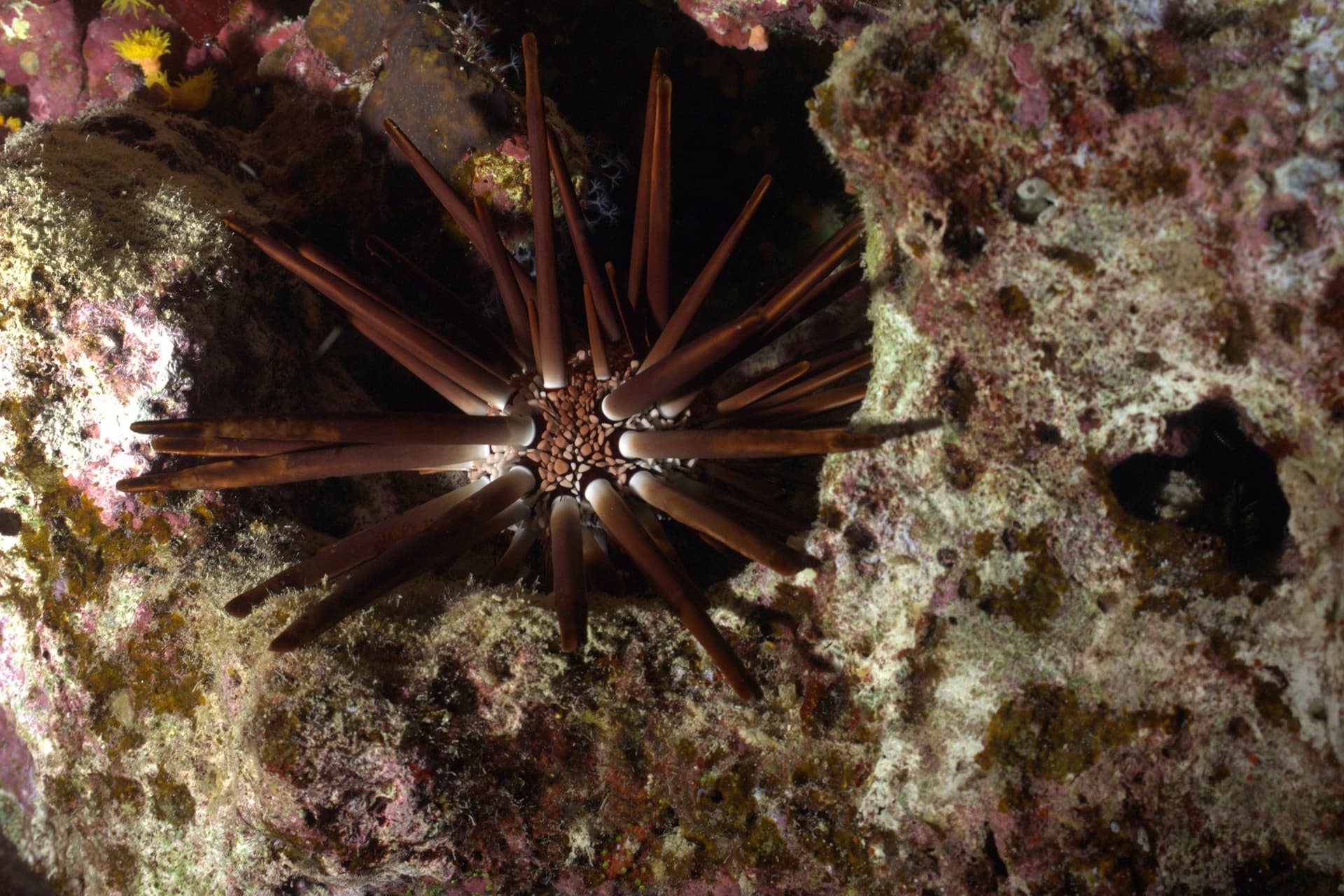
Four wrecks of different character on a single reef
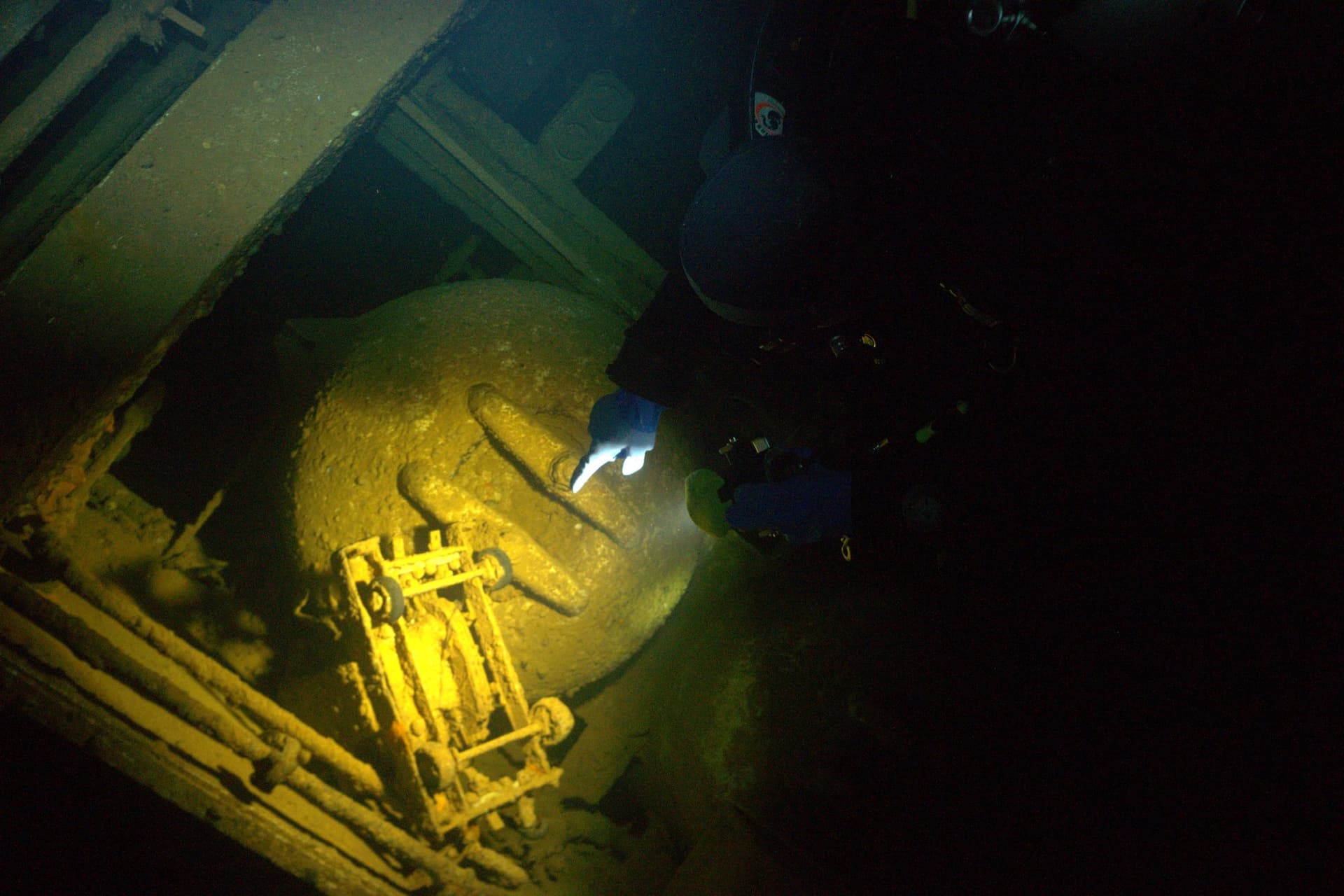
Tilted cargo wreck with a shallow mast and a glassfish-filled engine room
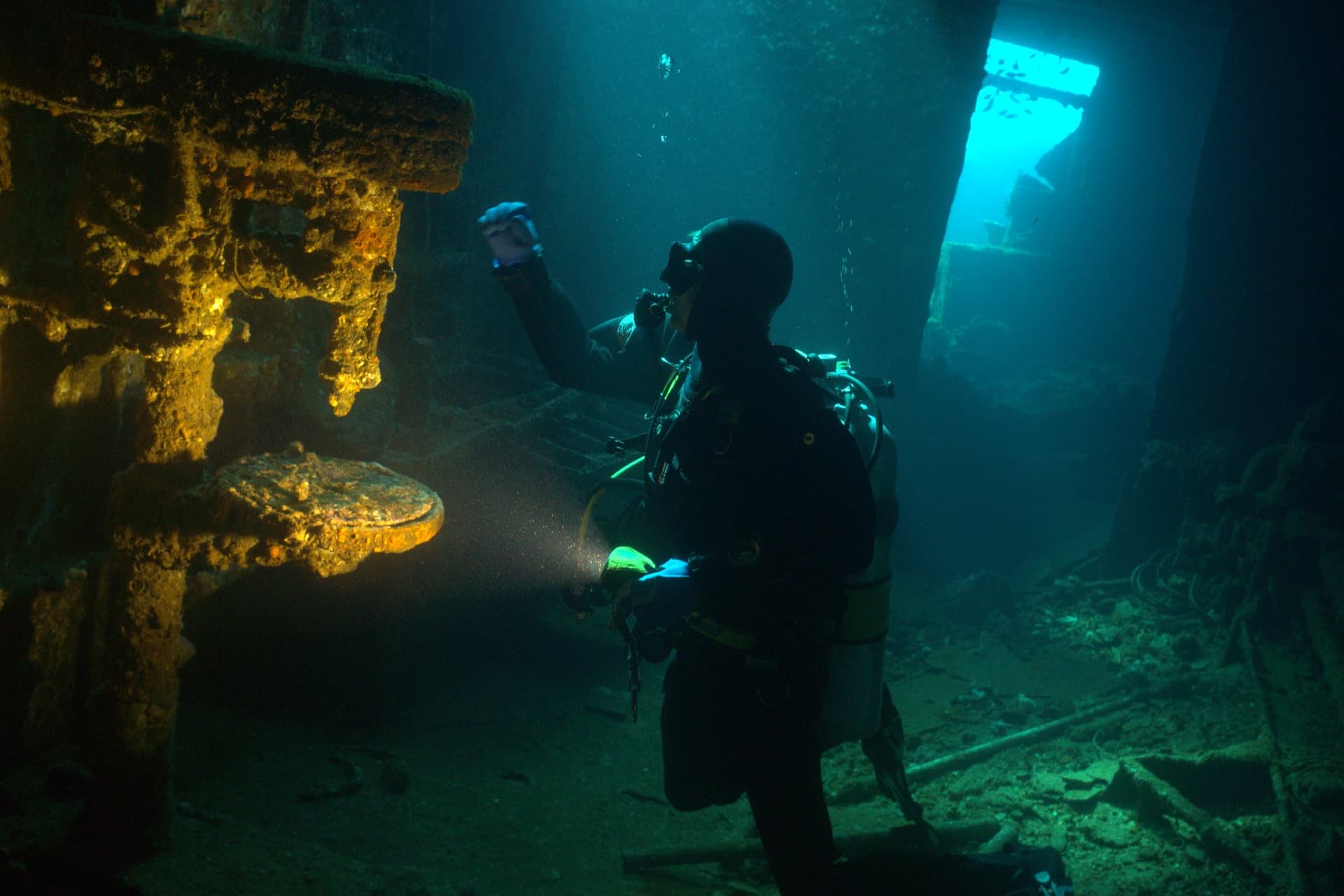
Wreck divers wanting easy cargo hold penetration and macro photography at Abu Nuhas, plus snorkelling access at the bow
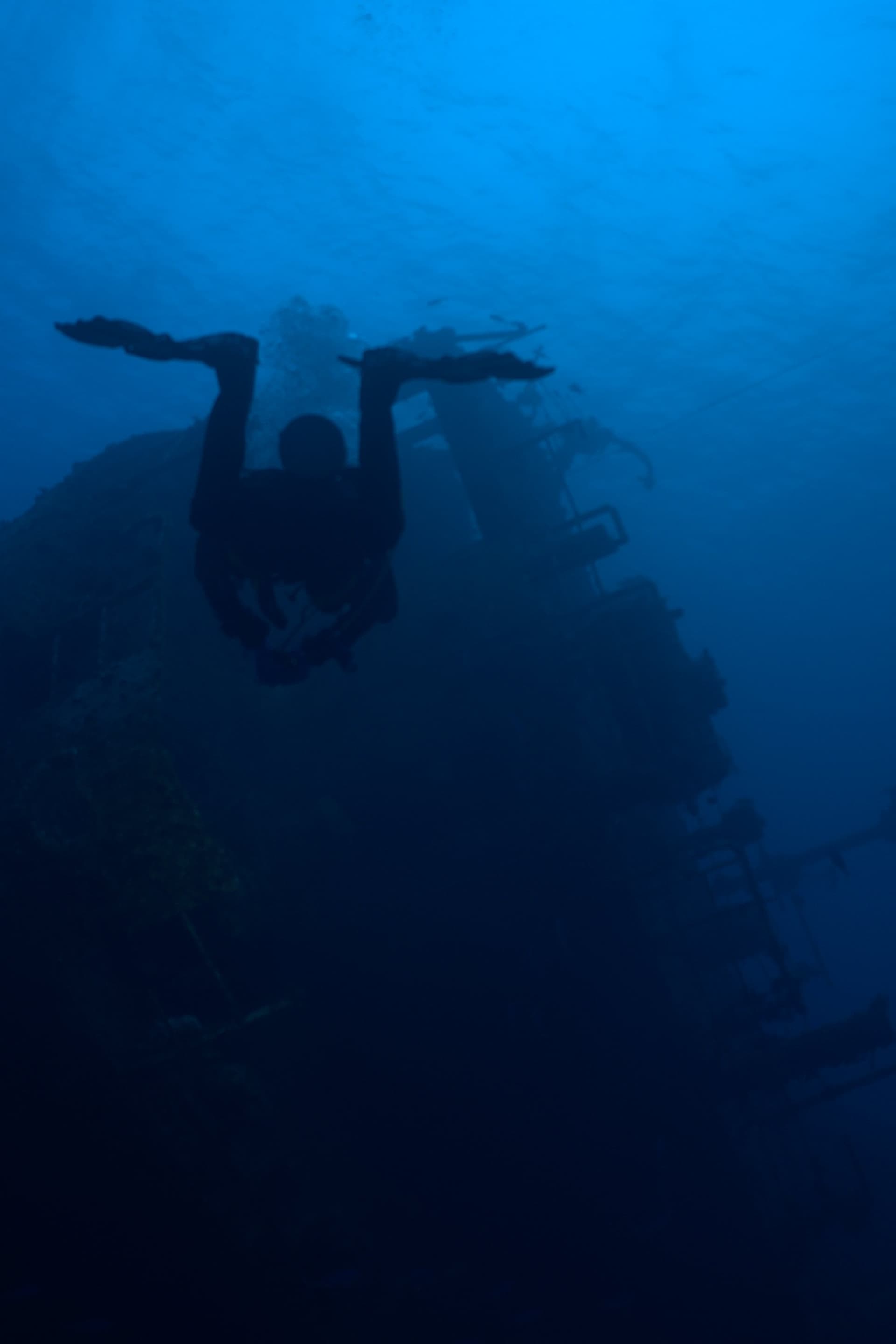
Deepest of the Abu Nuhas wrecks: ruined bow, near-complete stern, propeller
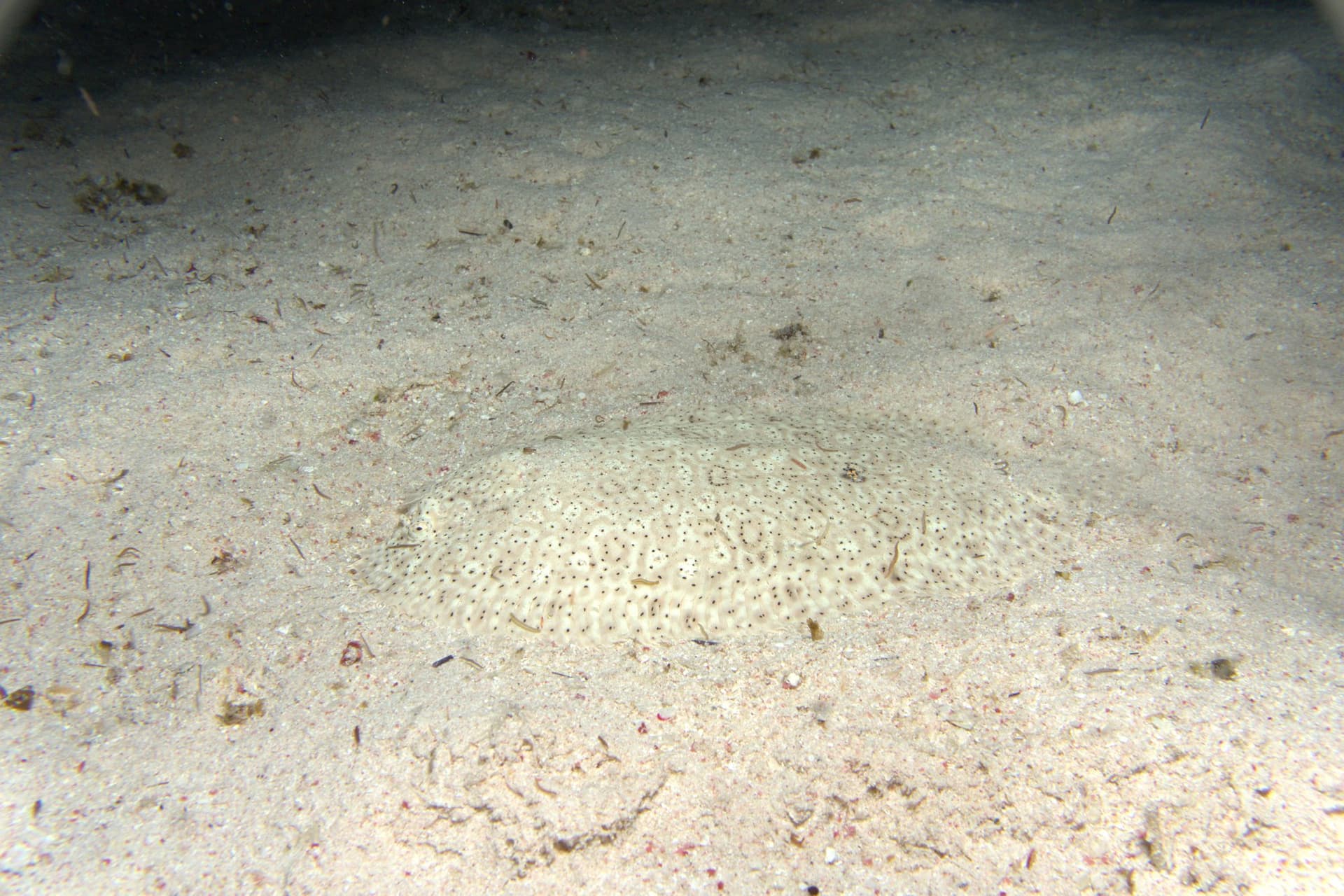
Open Water divers wanting an ethical dolphin-lagoon encounter plus an outer reef worth diving on its own merits
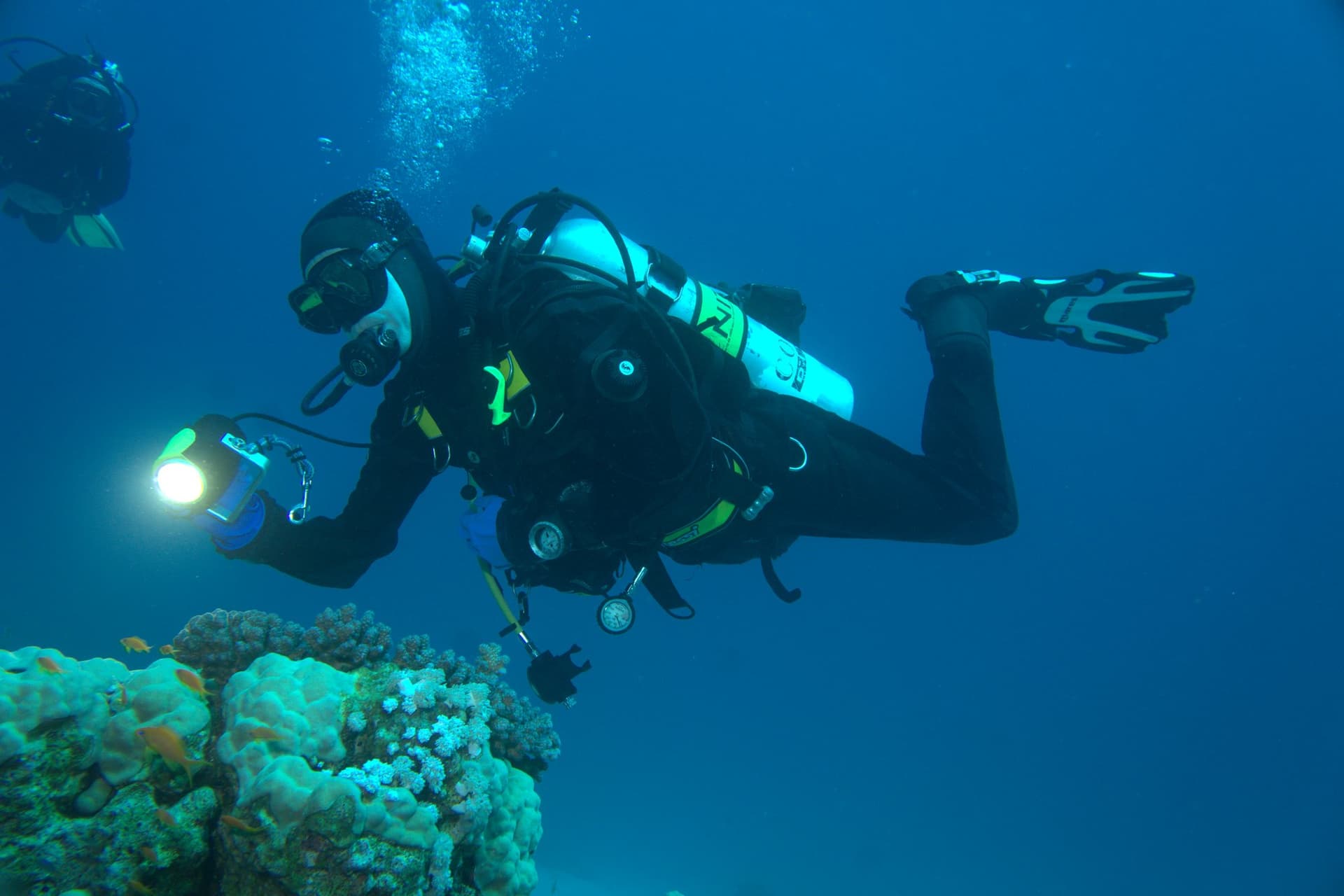
Coral plateau and 40 m drop-off in one Makadi Bay drift
Shallow two-erg dive with glassfish schools and crocodilefish on sand
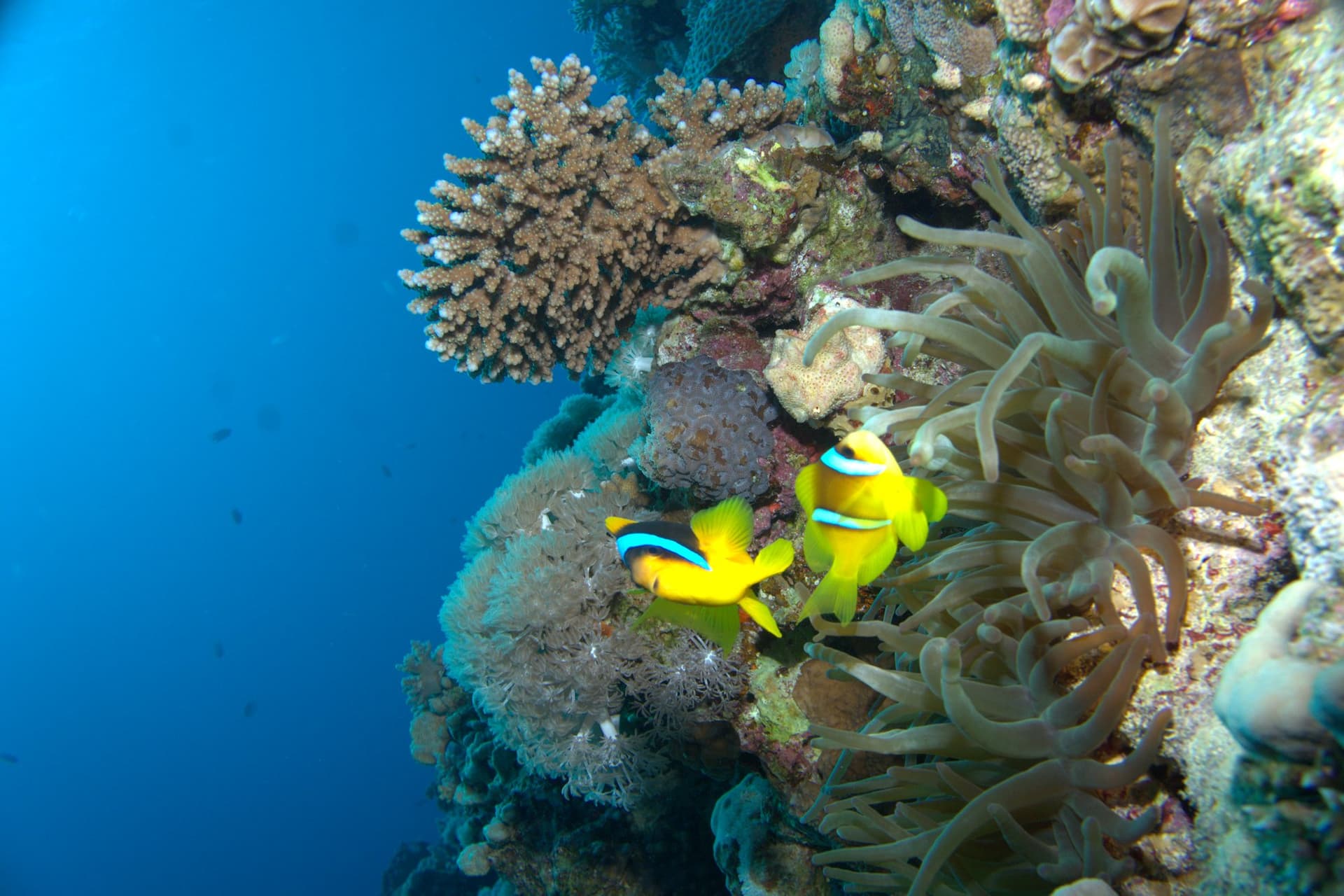
Gorgonian wall drift with longnose hawkfish, ending on a coral plateau
Glassfish tunnel in a coral block on a sandy plateau, with a wall drift
Layered hard-coral maze dived as a drift in shallow water
Shallow twin-erg figure of eight with seagrass macro life
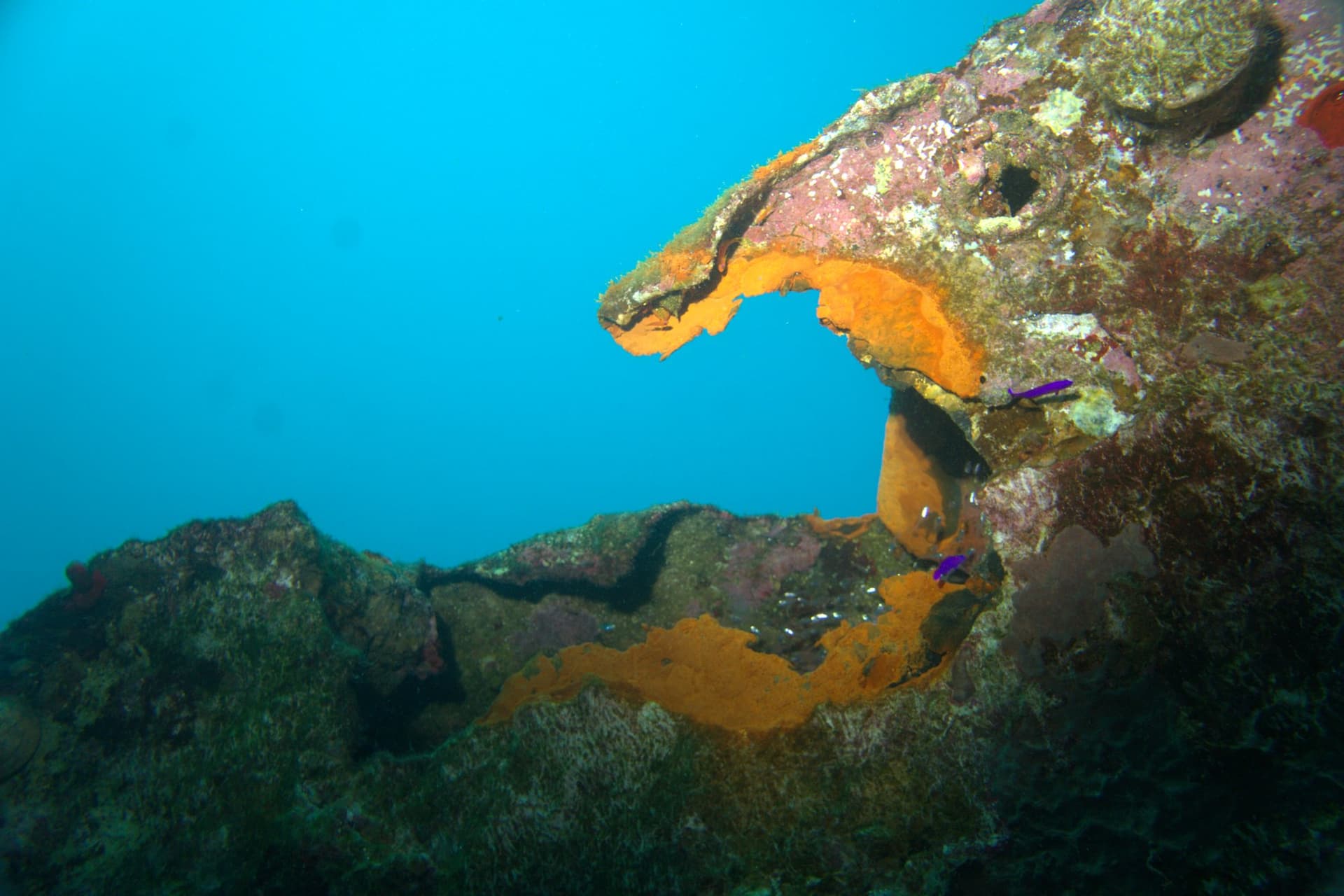
Warship wreck with a glassfish-filled blast hole beside Hurghada port
Coral-garden labyrinth with pinnacles and reef-fish schools in shallow water
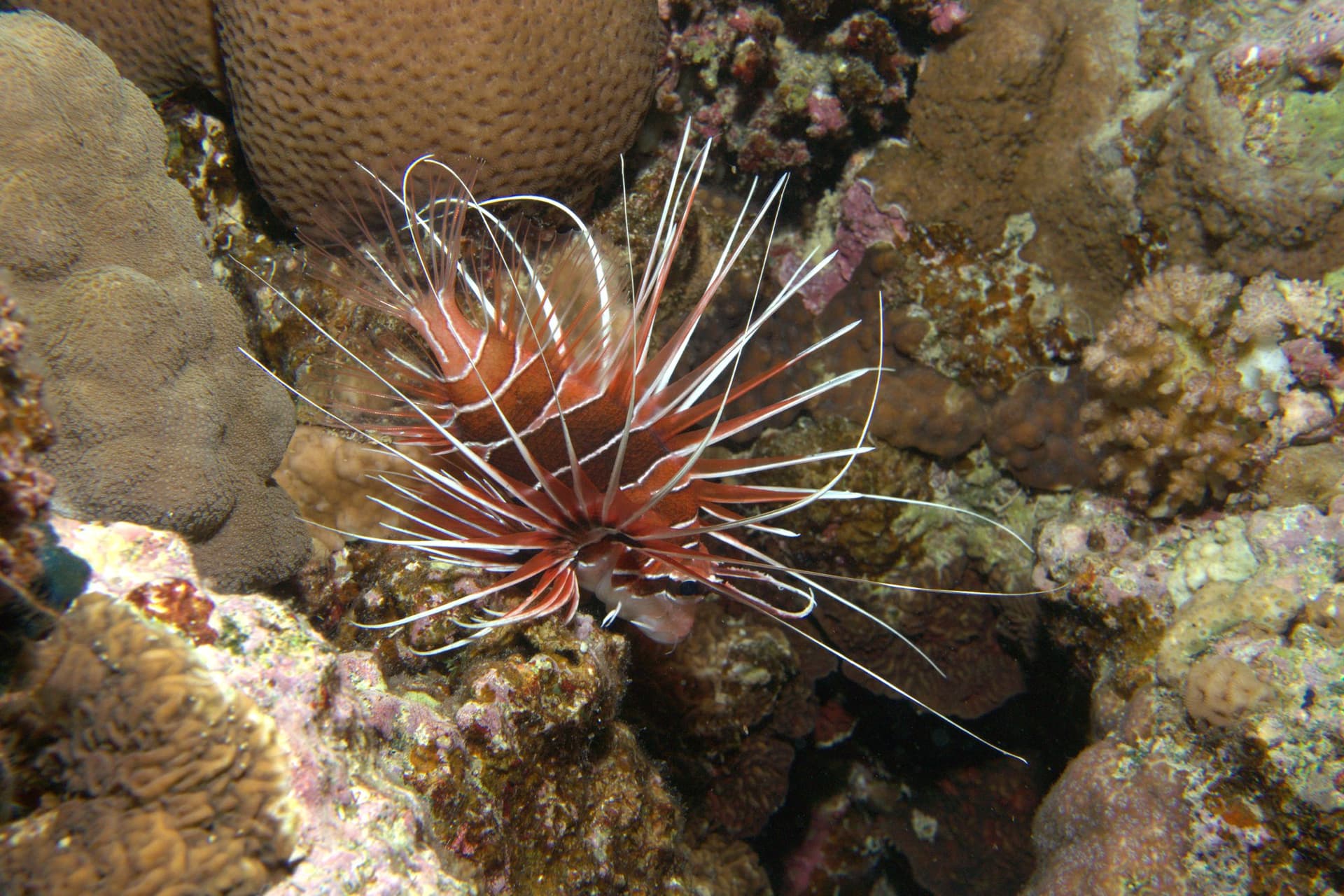
Newly certified OW divers and photographers wanting maximum fish density in a shallow, calm setting near Hurghada
Open Water divers wanting an easy, shore-accessible first wreck dive in Hurghada
Book online or contact a centre that dives this area.
PADI 5 Star IDC in Hurghada tracing to a 1977 Red Sea liveaboard, with daily boat dives, a house reef to 30+ m, and liveaboard safaris.
Get in touch to add or claim your dive center listing on DiveCodex.
Safari boats based elsewhere that run itineraries to these dive sites.
41m, 26-guest wooden liveaboard running Master Liveaboards' full Egyptian Red Sea catalogue from Hurghada and Port Ghalib, from northern wrecks and Tiran through the offshore Brothers, Daedalus and Elphinstone to the far-south Rocky, Zabargad and St John's reefs.
38 m wooden liveaboard with 13 ensuite cabins for 26 guests, on 7- and 10-night Red Sea trips from Hurghada and Port Ghalib.

26-guest sister of Superior with Junior and Executive suites, ranging across Emperor's Egypt catalogue from northern wrecks and offshore Brothers, Daedalus and Elphinstone to the Deep South.

13-cabin, 26-guest wooden liveaboard running Emperor's northern Red Sea wreck-and-reef weeks from Hurghada, plus offshore Brothers, Daedalus and Elphinstone.

Red Sea Explorers' largest liveaboard: 37.5m, 28 guests across 14 cabins, running the same GUE-leaning offshore and deep-south Egypt route catalogue.

36m, 22-guest steel liveaboard with a dedicated camera room and gas-blending deck, running the Brothers, Daedalus, Deep South and Fury Shoal weeks.

Red Sea Explorers' tech flagship: a 37m, 22-guest steel liveaboard with a full trimix/CCR fill station and scooters for offshore and deep-south Egypt safaris.

42m steel liveaboard released 2018, the Spanish-operated Blue Force Fleet's Egypt boat, running week-long Red Sea routes from Hurghada and Port Ghalib, with English and Spanish spoken on board.
The shoulder months give mild water and fewer crowds. Winter is the coolest time and often the clearest, summer the warmest.
What can go wrong here, and what divers do about it. Conditions change - take the briefing from the operator on the day.
National rules also apply: Rules and permits in Egypt
A liveaboard suits most divers. It reaches the wrecks early in the morning and in the evening when the day boats are away, and it spares the crossing. Reports of that crossing from Hurghada run from about 90 minutes to around four hours each way, which is why the choice matters: a long day-boat trip leaves less time on the wrecks, and Kimon M or Giannis D deserve more than one dive. Day boats and some two-day trips do go for divers who cannot spare a week.
Not in practice. Every dive goes through a dive centre, so there is no site to drive to and kit up at. Expect a check dive with a divemaster on the first day, usually a simple exercise that lets the guide see your buoyancy and basic skills.
Yes. Sabina Garden, Sha'ab Eshta, the Aquarium and Erg Sabina are shallow reefs and pinnacles that work for newly certified Open Water divers and for supervised first dives. Centres paired with hotels commonly run their beginner programmes on these sites.
Sha'ab El Erg, the horseshoe reef known as Dolphin House, has a resident pod of Indo-Pacific bottlenose dolphins. HEPCA's code for the site asks for passive contact: never chase or disturb the animals and let them decide whether to approach. Sightings are likely but never guaranteed, and divers use the moorings.
Water is around 20 to 23 C at the surface and 20 to 22 C at depth in January and February, so a 5 mm full wetsuit is the norm, with a hood for the deep wrecks. Visibility is often good then. Summer reaches 27 to 30 C and a 3 mm shorty or full suit is enough.
Depth figures for the wreck vary with where they are measured, from about 17 m on the upper structure to the seabed near 50 m. That is deep enough to make it a specialist dive, planned as a dedicated outing, with Nitrox commonly recommended.
Almost all Hurghada diving is from a boat. One experienced diver judged the shore options in town not worth the effort of gearing up, and a diver who wants shore access may look to Soma Bay or Sharm el Naga to the south.
The picture is mixed. A liveaboard diver in October, with the water at 30 C, found the coral pale and some of it dead. A day-boat diver in 2025, after a cooler year, found plenty of healthy coral on a first outing and expected worse. Reefs close to town are the likelier to show wear. Fish density can feel thin to anyone arriving from the Maldives or Indonesia.
Divers split on it. Soma Bay has a house reef at the door and half-day boat trips, which suit non-diving partners. A diver who lived at Safaga preferred Hurghada for its bigger menu of sites, the wrecks among them, at the cost of longer boat days and daily transfers.
Also known as: الغردقة
Log your dives - notes, photos, conditions and the marine life you saw - and share them as one public diver profile. What you share helps the next diver, too.
Log every detail
Depth, duration, conditions, gear, buddy, notes — all in one place. Import from Suunto and other dive computers.
Track marine life
Record species sightings on each dive. Build a personal catalogue of everything you've seen underwater.
Your public dive profile
Share your dive history, stats, and experiences with a profile page you control. Show the world where you've been.