
Hurghada
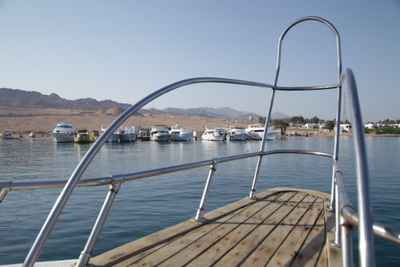
Wreck graveyard and liveaboard departure port
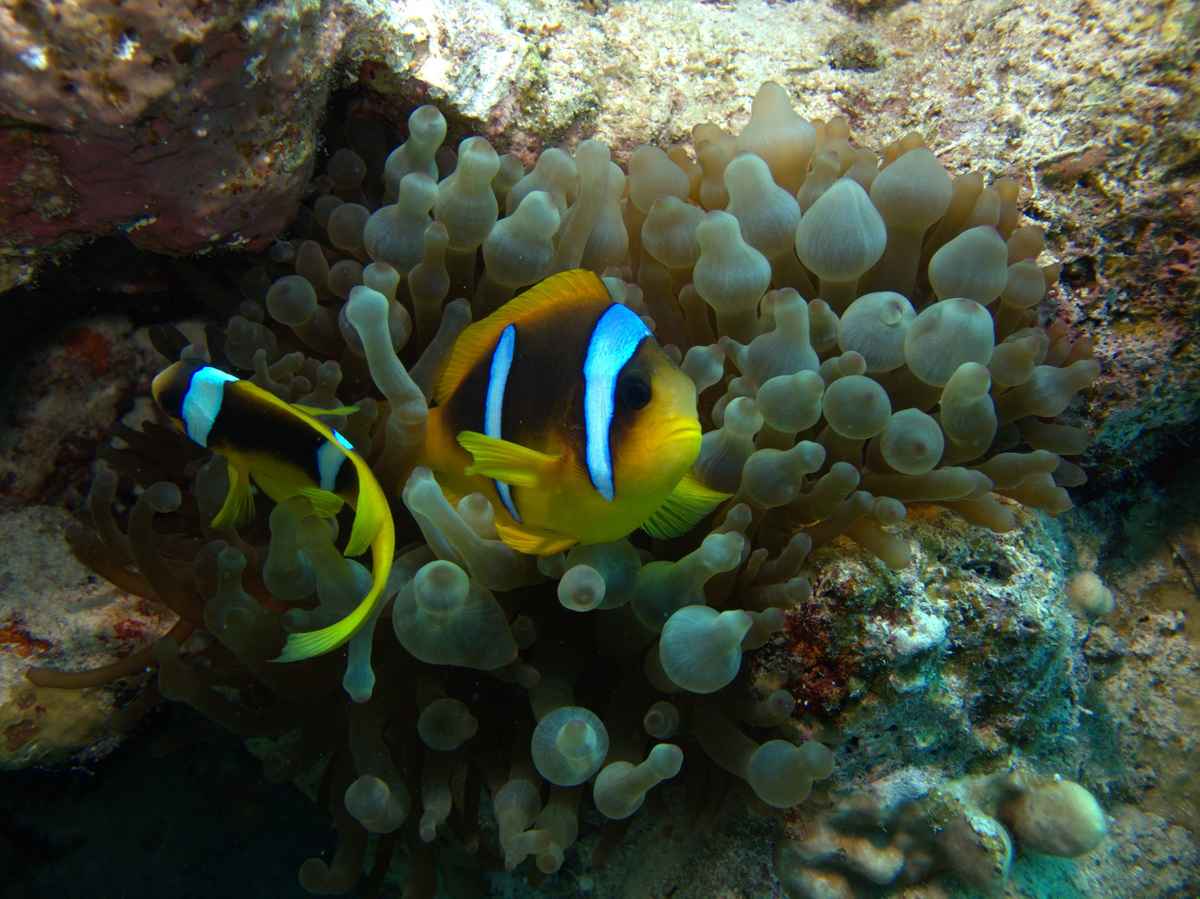
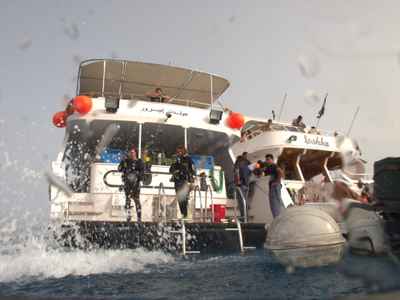
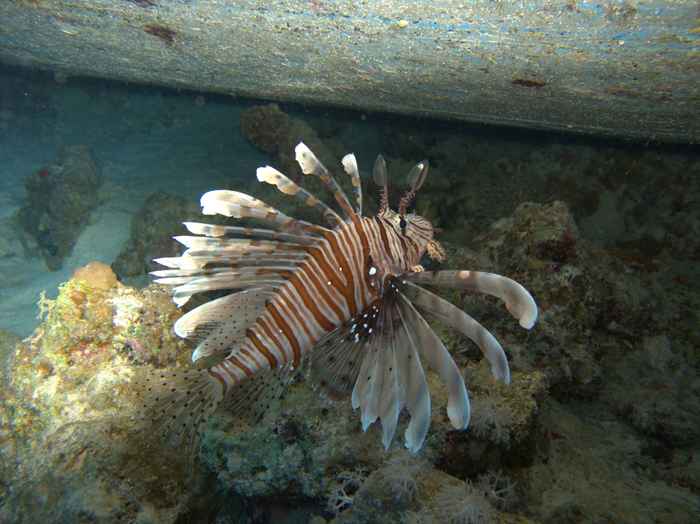
Four wrecks on the Abu Nuhas reef, shallow Giftun coral gardens and a resident dolphin pod, all reached by boat from Hurghada.
17 dive sitesBoat
Red Sea diving from walk-in Sinai reefs and wreck hubs to a liveaboard-only offshore tier of shark walls and hammerhead reefs.
Last updated October 2026
Egypt's diving sorts itself by how far from the beach you want to be. Dahab sits at one end, where reefs, canyons and the Blue Hole are reached on foot. At the other end the Brothers, Daedalus, Rocky Island and St John's lie out at sea and are dived only from a liveaboard. Everything else falls between, with day boats running from resort towns.
For wrecks and walls, Sharm El Sheikh at the tip of Sinai has the widest span, from beginner reefs to advanced current. Boats reach the walls of Ras Mohammed, the reefs of the Straits of Tiran and, on a long crossing, the SS Thistlegorm. Hurghada is the wreck-and-liveaboard port. Abu Nuhas holds several wrecks, the Giftun reefs and the Sha'ab El Erg dolphin lagoon fill the inshore days, and many liveaboard itineraries depart from here. Safaga, to the south, is a quieter day-boat base built around the Salem Express, a ferry wreck dived as a memorial.
Wildlife leads in the south. Marsa Alam has resident dugongs in the Abu Dabbab seagrass bays, spinner dolphins at Samadai, oceanic whitetips at Elphinstone and eco-villages where the house reef means unlimited shore diving. Further south, Hamata puts the Fury Shoals reefs and the Sataya dolphin lagoon within day-boat reach of a fixed base.
The Brothers add sheer walls, oceanic whitetips and two wrecks, with threshers on the plateau at dawn. Daedalus is a lighthouse reef where hammerheads school off the north plateau. Rocky Island and Zabargad combine a current-swept wall with a wreck and turtle bays. St John's has coral gardens and shallow caverns pierced by shafts of light. Strong current is the common report at the islands and in the Straits of Tiran, which is much of why they sit at the advanced end; the operator's logged-dive minimum is covered below.
The 10 highlighted areas have full dive guides. Grey markers show more of the country's dive regions, with new guides on the way.
Our handpicked selection of the best diving areas in Egypt.
Walls, a WWII wreck and Red Sea pelagics from one resort base
Wreck diving at Abu Nuhas with easy Giftun reef days in between
Dugong, dolphin and shore-reef trips from eco-villages
Shore reef, canyon and sinkhole diving, from recreational to technical
Day-boat wall, drift and wreck diving on the quieter mainland coast
Egypt has no national diver licence. PADI, SSI, BSAC, CMAS and equivalent certifications are accepted by dive centres and liveaboards, and you sign the operator's paperwork and dive. The Chamber of Diving and Water Sports (CDWS) licenses operators, and its policy requires a service provider to be registered to ISO 24803:2007 / EN 14467:2004 to obtain a licence to operate in Egypt. Its depth policy caps recreational air diving at 40 m and decompression-procedure dives at 45 m, extended-range dives at 55 m and normoxic trimix at 60 m, and does not recommend or support technical diving beyond those limits; technical dives past them call for proof of insurance to the planned depth. The tourism ministry reviewed updating diving regulations in April 2026, so confirm current rules with your operator.
The offshore itineraries carry their own conditions. Liveaboard operators set a logged-dive minimum that differs by company, from 30 to 50 dives, and each is that operator's own booking rule. The Brothers lie inside a marine protectorate, so coast guard authorisation and a fee apply, and the operator handles both. Ras Mohammed National Park was declared in 1983, and protected areas fall under Law 102/1983, administered by the Egyptian Environment Affairs Agency. Operators usually collect marine-park fees for you.
Three airports serve the coast: Hurghada (HRG), Sharm El Sheikh (SSH) and Marsa Alam (RMF). Dahab is about 80 km from Sharm El Sheikh airport, and Marsa Alam is a long coastal drive of several hours south of Hurghada. Liveaboards leave from Hurghada or Port Ghalib.
Recompression chambers are listed at Sharm El Sheikh, where the Hyperbaric Medical Center has run since 1993 and the same director leads the Dahab centre, at HyperMed in Hurghada, and at Baro Medical, set up in 2006 at Marsa Shagra near Marsa Alam. Offshore liveaboards arrange evacuation to the nearest chamber, and dive-accident insurance is sensible for any liveaboard week.
What makes this country a world-class diving destination.
The SS Thistlegorm from Sharm El Sheikh, the Abu Nuhas wrecks off Hurghada and the Salem Express off Safaga
Oceanic whitetips and hammerheads at the Brothers and Daedalus, whitetips and walls at Rocky Island, all by liveaboard
Roughly 21 to 25C in winter and 26 to 30C in summer
Dahab walk-in reefs, day-boat hubs and offshore safaris along one coast
Dugongs in the Abu Dabbab seagrass bays, spinner dolphins at Samadai and Sataya in the south
Shore and day-boat diving from towns on the Sinai and the mainland coast.
Wreck graveyard and liveaboard departure port
Four wrecks on the Abu Nuhas reef, shallow Giftun coral gardens and a resident dolphin pod, all reached by boat from Hurghada.
Reef walls, Tiran and a WWII wreck
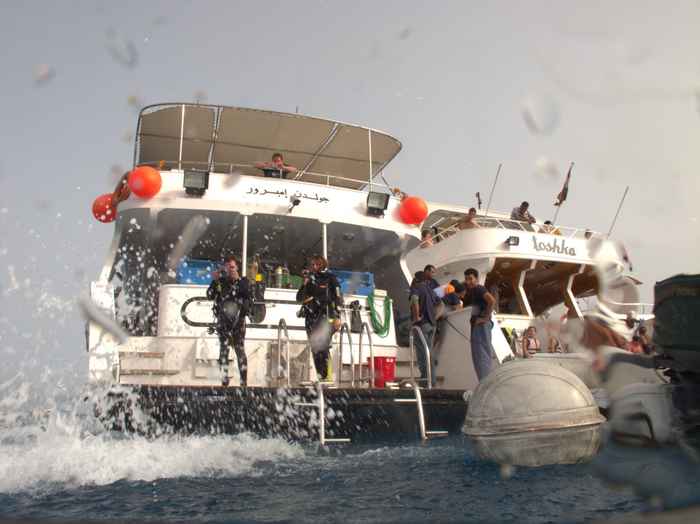
Southern Sinai hub where Ras Mohammed walls, the Straits of Tiran and the SS Thistlegorm wreck sit within day-boat range in warm water all year.
Shore diving and technical town on the Blue Hole
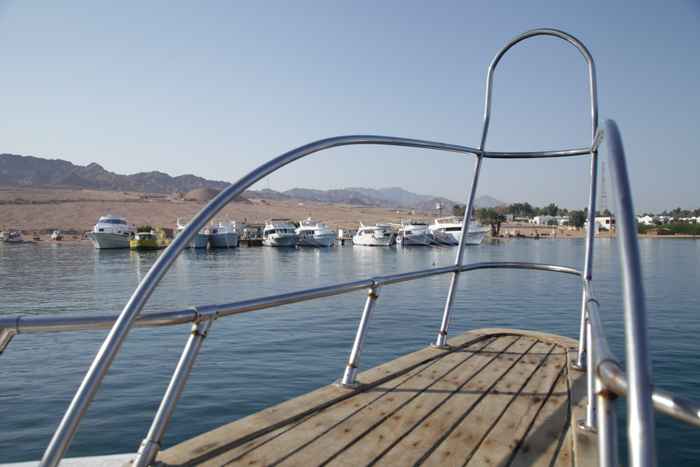
Shore diving on the Gulf of Aqaba: walk-in reefs, the Canyon fissure and the Blue Hole sinkhole, with technical depths on the same walls.
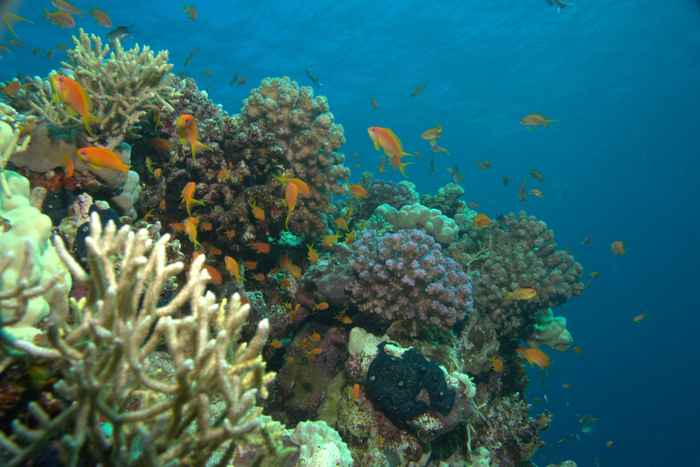
Dugong bays, whitetips and dolphin reef
Quiet southern Red Sea coast of shore-diving house reefs, dugong bays and a protected dolphin reef, with Elphinstone's offshore wall a day-boat away.
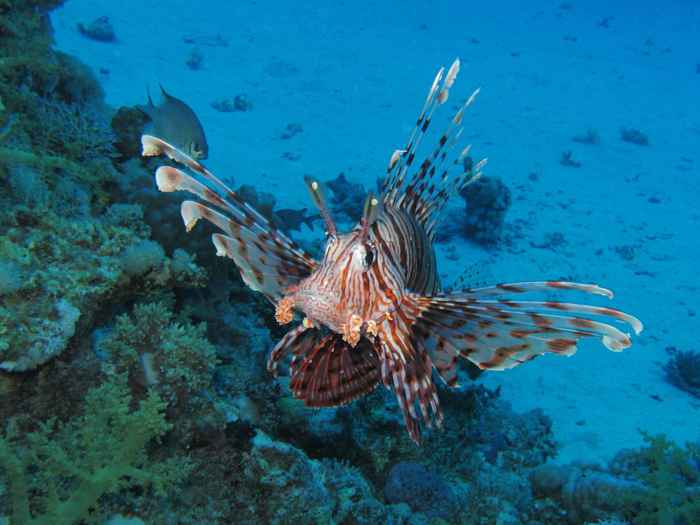
Fury Shoals reefs and a dolphin lagoon
Day boats and a dive camp near the Sudan border reach the Fury Shoals reefs: a dolphin lagoon, a shallow wreck, sunlit caverns and an offshore wall.
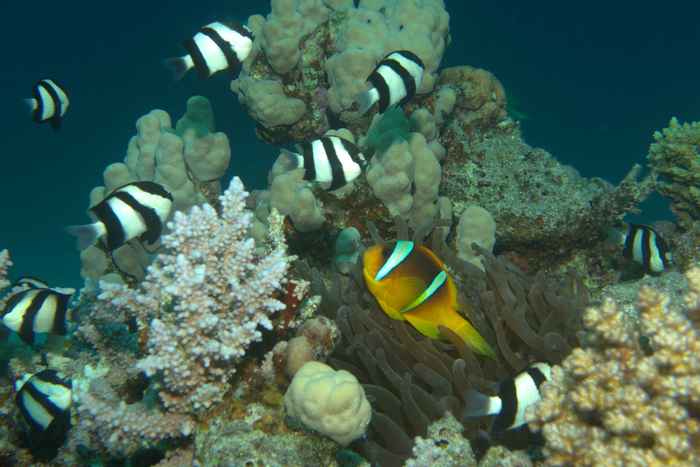
Quiet day-boat reefs and the Salem Express
Mainland Red Sea day-boat base south of Hurghada: the Salem Express memorial wreck, exposed walls at Abu Kafan and Panorama, and sheltered pillar reefs.
Open-water reefs dived from liveaboards.
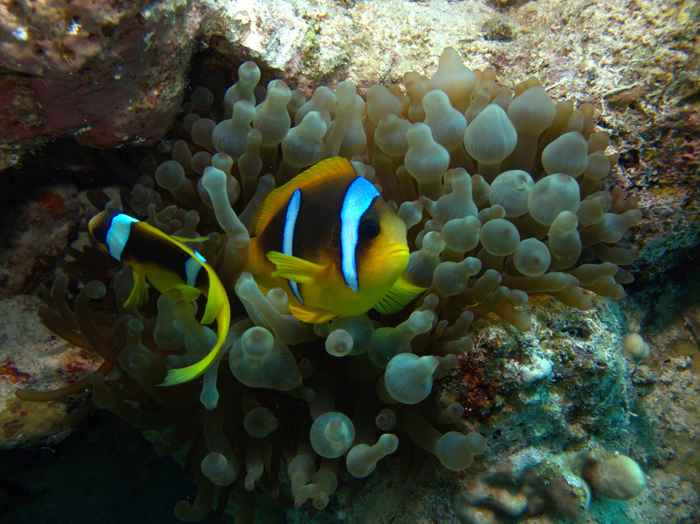
Coral gardens and sunlit caverns
Far-south Egyptian Red Sea reef complex near the Sudanese border, reached only by liveaboard: coral tunnels, sunlit caverns and shark pinnacles.
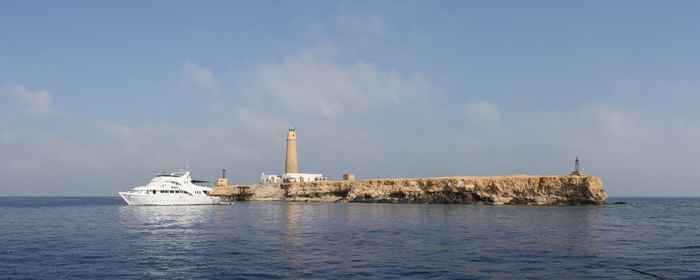
Liveaboard shark walls with two wrecks
Two offshore Red Sea islands reached only by liveaboard: sheer coral walls, oceanic whitetips, seasonal hammerheads and two historic wrecks.
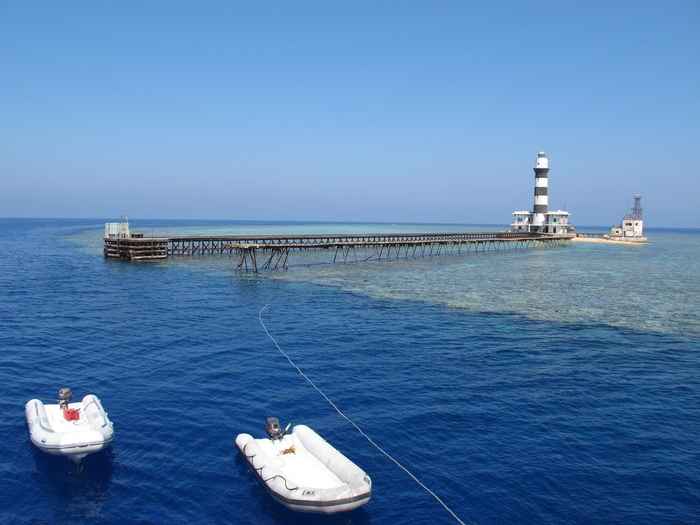
Remote lighthouse reef for hammerhead schools
Egypt's most remote offshore reef: a liveaboard-only seamount with a lighthouse, famed for hammerhead schools, whitetip sharks and an anemone wall.
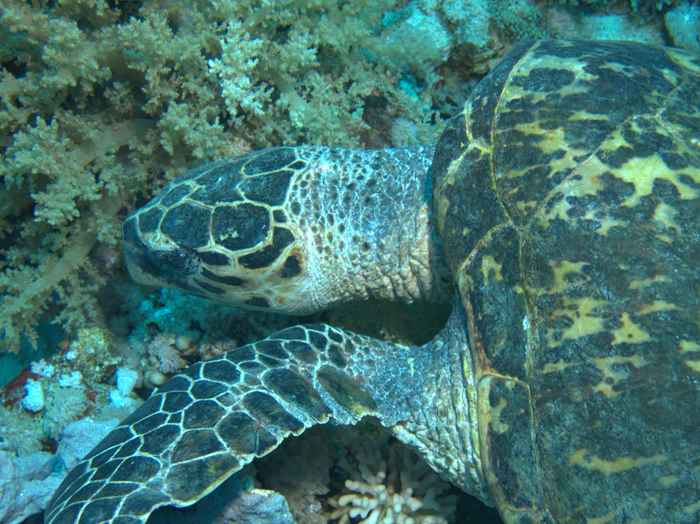
Current-swept shark wall and a wreck
Two contrasting offshore islands at Egypt's far south: Rocky for current-swept shark walls, Zabargad for turtle bays and a Russian wreck. Liveaboard only.
Book online or contact a centre for your trip.

PADI 5 Star IDC in Hurghada tracing to a 1977 Red Sea liveaboard, with daily boat dives, a house reef to 30+ m, and liveaboard safaris.

German-speaking PADI and SSI dive base on the Abu Soma strip in Safaga, sharing its base with a French team, with large day boats, a house reef and zodiac drop-offs.
PADI 5 Star IDC Resort running full-day boat dives from Safaga marina, with its own air and Nitrox fills and hotel pickup in Safaga.

26-guest sister of Superior with Junior and Executive suites, ranging across Emperor's Egypt catalogue from northern wrecks and offshore Brothers, Daedalus and Elphinstone to the Deep South.

SSI Instructor Training Center in the Amarina Abu Soma Resort at Safaga, with its own jetty, a house reef and boat trips to the Tobia and outer reefs.

Eco-diving resort south of Marsa Alam with 3 villages, unlimited house reef diving, 60+ sites, and access to Elphinstone Reef.
PADI dive centre in Sharm El Sheikh est. 1993, with beachfront base, daily boats to Tiran and Ras Mohammed, and liveaboard fleet.
Get in touch to add or claim your dive center listing on DiveCodex.
CDWS technical rulesCDWS depth limitsChecked: Oct 2026
It reads as an operator condition, and it differs by company. Emperor Divers asks for 50 logged dives on its Brothers, Daedalus and Elphinstone trip, while Master Liveaboards lists 30 for a comparable itinerary. No national or park regulation is known to set either figure, so treat the number as part of the booking terms of the operator you choose and confirm it before you pay. Reaching the Brothers does involve coast guard authorisation and a fee, which the operator arranges.
Boat standards differ widely, so the operator matters more than the itinerary. Check how long the company has run the boat, how it is maintained, and what safety equipment is aboard, and do not choose on the lowest price alone. The CDWS licenses liveaboards, but a licence is not a quality guarantee by itself, so ask the operator directly about maintenance and emergency procedures before you pay.
Daedalus Reef and the Brothers are the names to look for, and both are reached only by liveaboard. Hammerhead sightings gather in the warmer months, from late spring into autumn, and published windows run anywhere between about May and November, so ask the operator what the record looks like for your departure date. Ask also which departures favour hammerheads and which favour the oceanic whitetips that patrol the same walls. Expect strong current on the walls and plateaus.
Yes, in the right places. The shallow coral gardens and sandy slopes at Dahab, the sheltered local reefs at Sharm El Sheikh, the inshore Giftun reefs at Hurghada, Tobia Arbaa at Safaga and the shallow Fury Shoals reefs from Hamata all suit newly certified divers. The Straits of Tiran, the Thistlegorm and the offshore island tier sit at advanced level, so keep those for later in the logbook.
March to May and September to November balance water temperature, visibility and calm seas on most of the coast. Water runs roughly 21 to 25C in winter, which calls for a 5 mm suit, and 26 to 30C in summer, when a 3 mm is enough. Marsa Alam stays good from October through May, and Dahab from March to June and again from September to December.
Log your dives - notes, photos, conditions and the marine life you saw - and share them as one public diver profile. What you share helps the next diver, too.
Log every detail
Depth, duration, conditions, gear, buddy, notes — all in one place. Import from Suunto and other dive computers.
Track marine life
Record species sightings on each dive. Build a personal catalogue of everything you've seen underwater.
Your public dive profile
Share your dive history, stats, and experiences with a profile page you control. Show the world where you've been.