Las Planetas
Also known as: Les Planetes
Deep reef near Sant Feliu de Guíxols, reaching 47m.
The dive
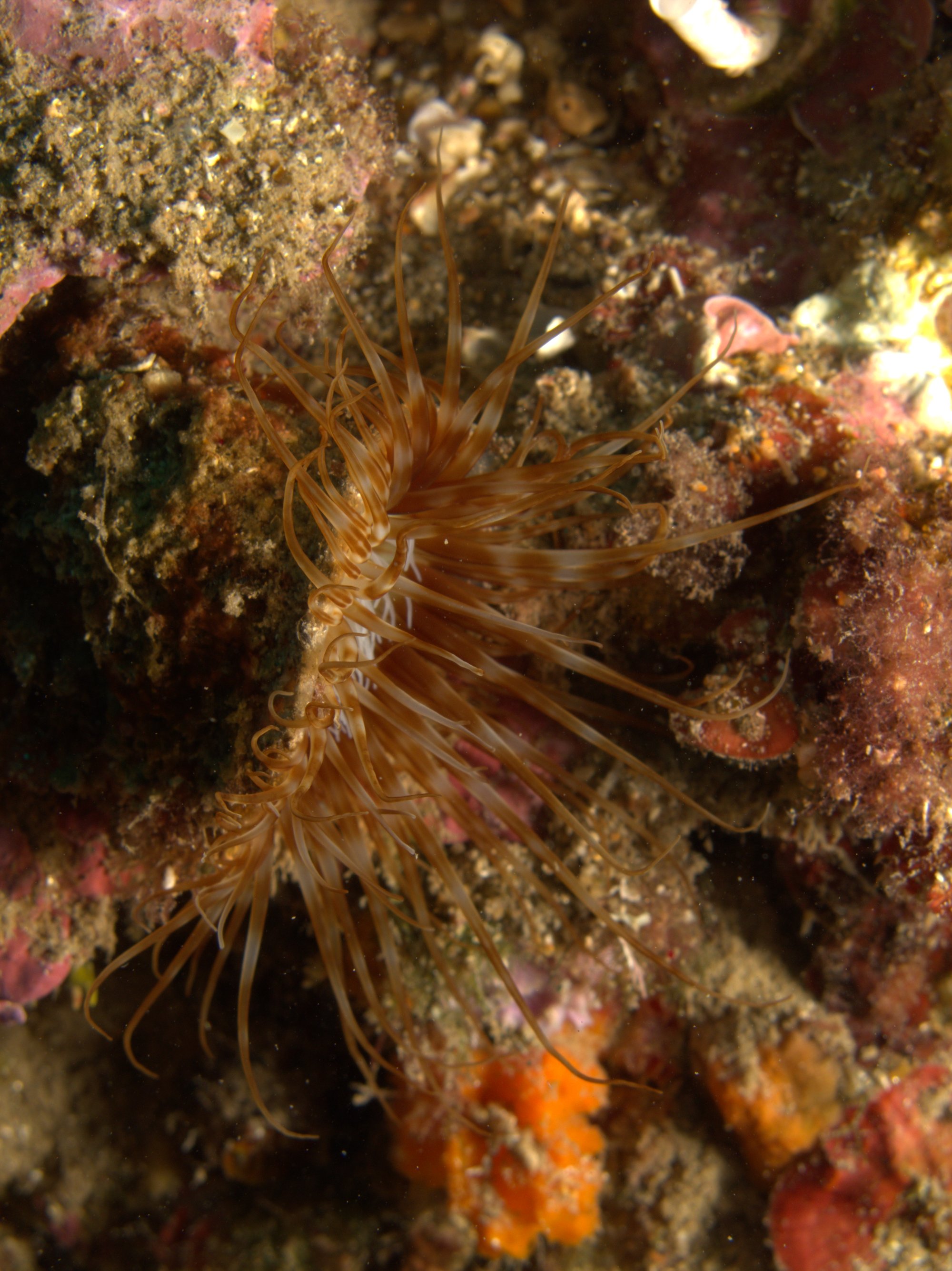
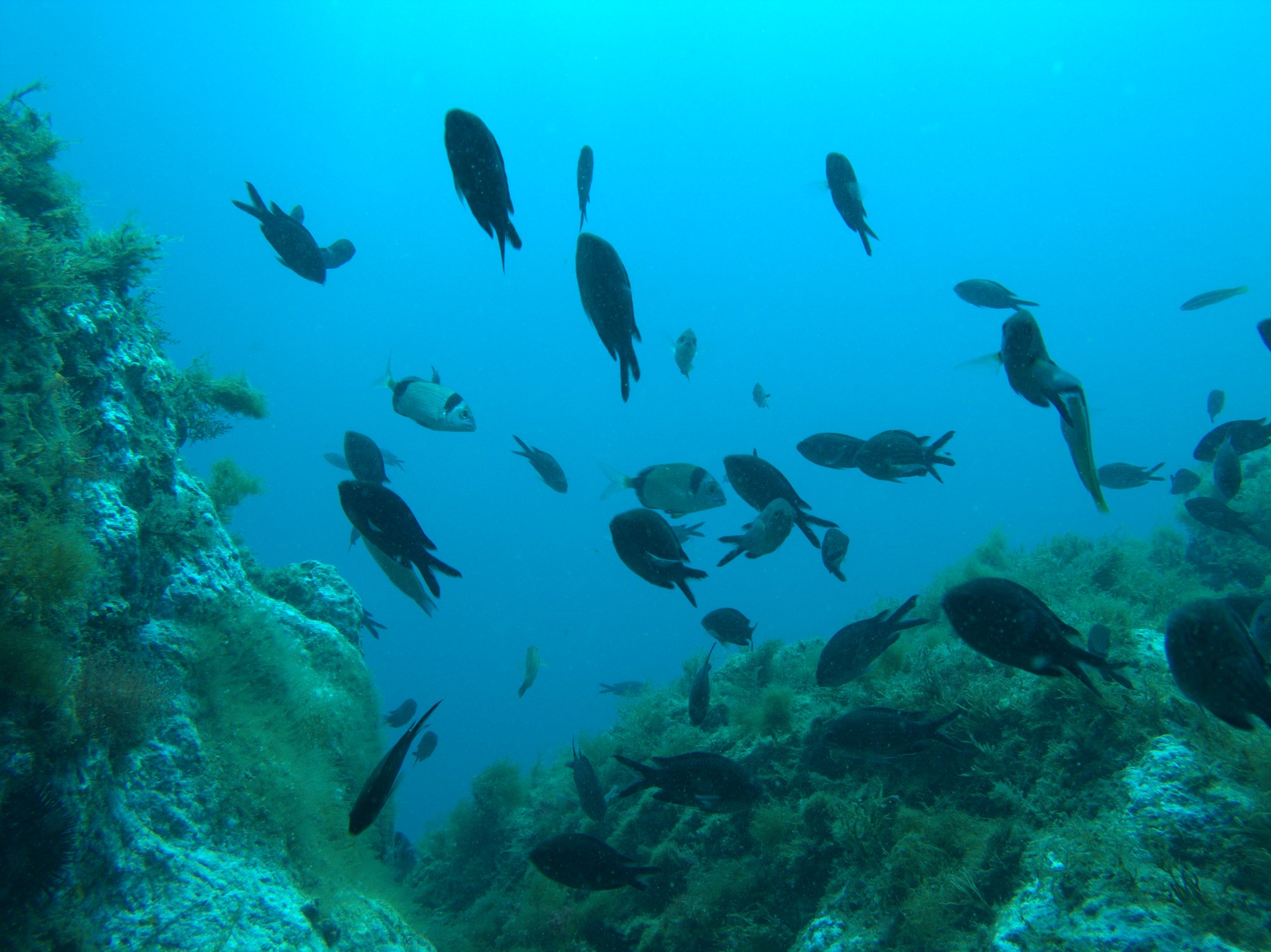
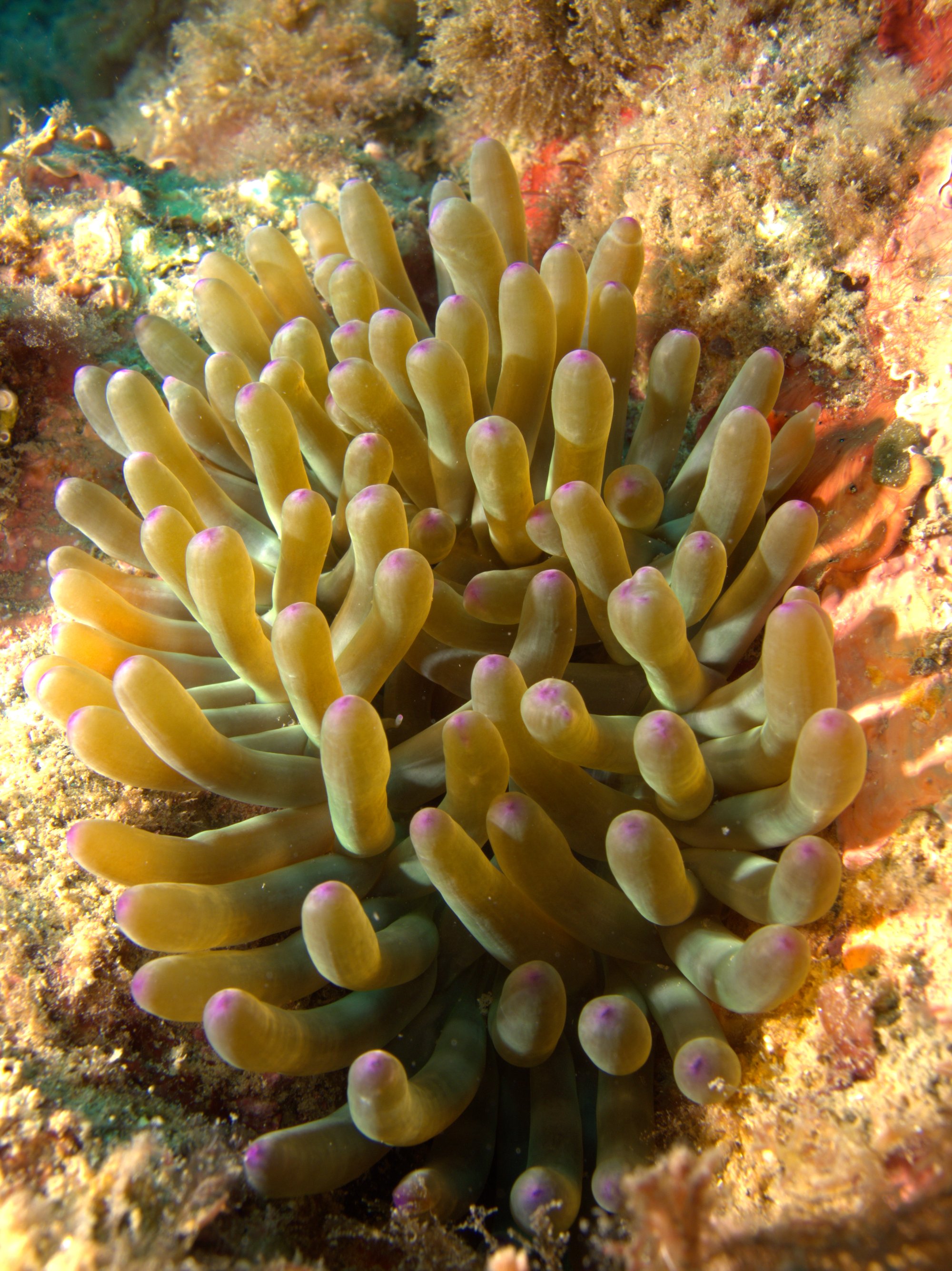
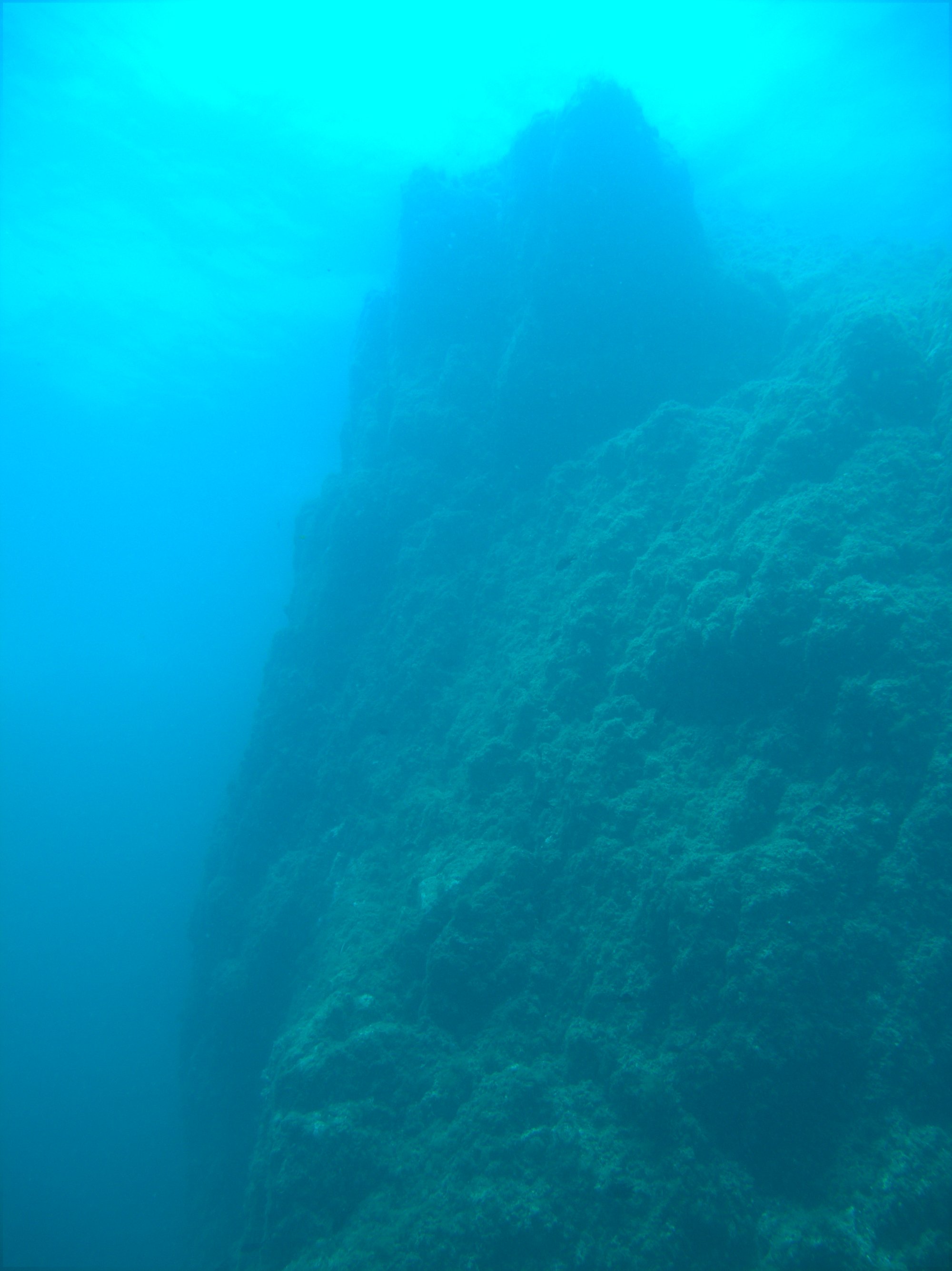
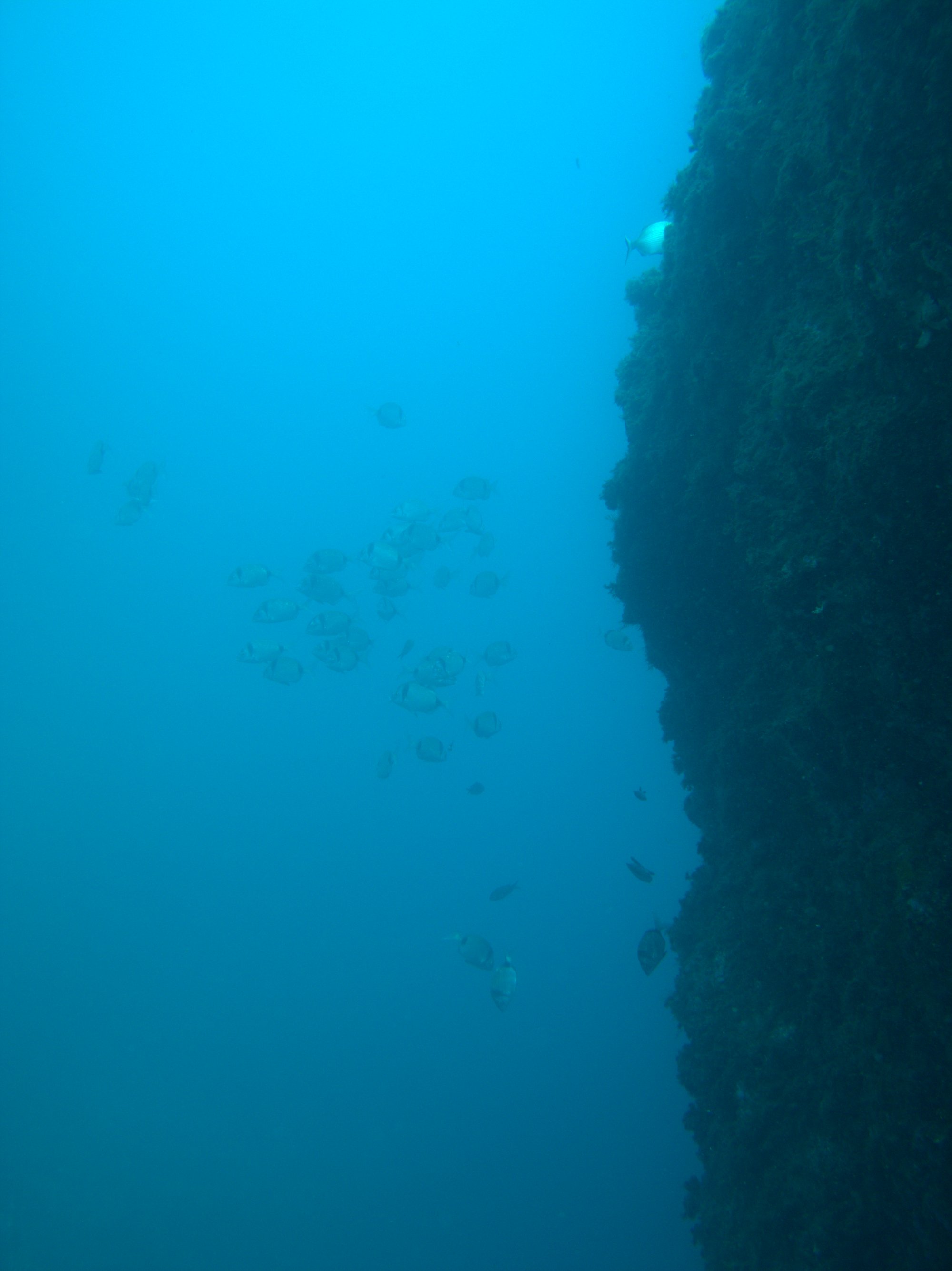
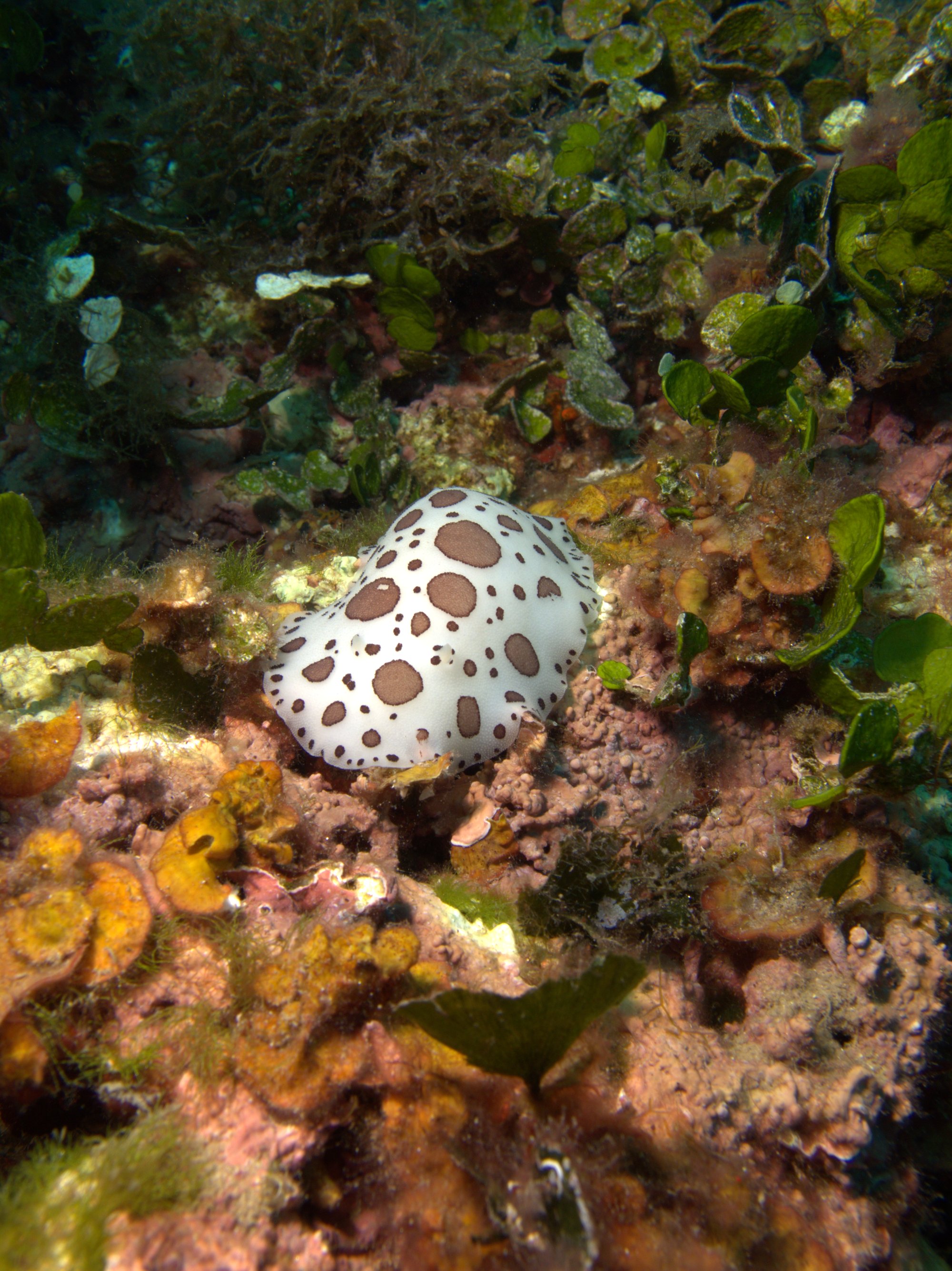
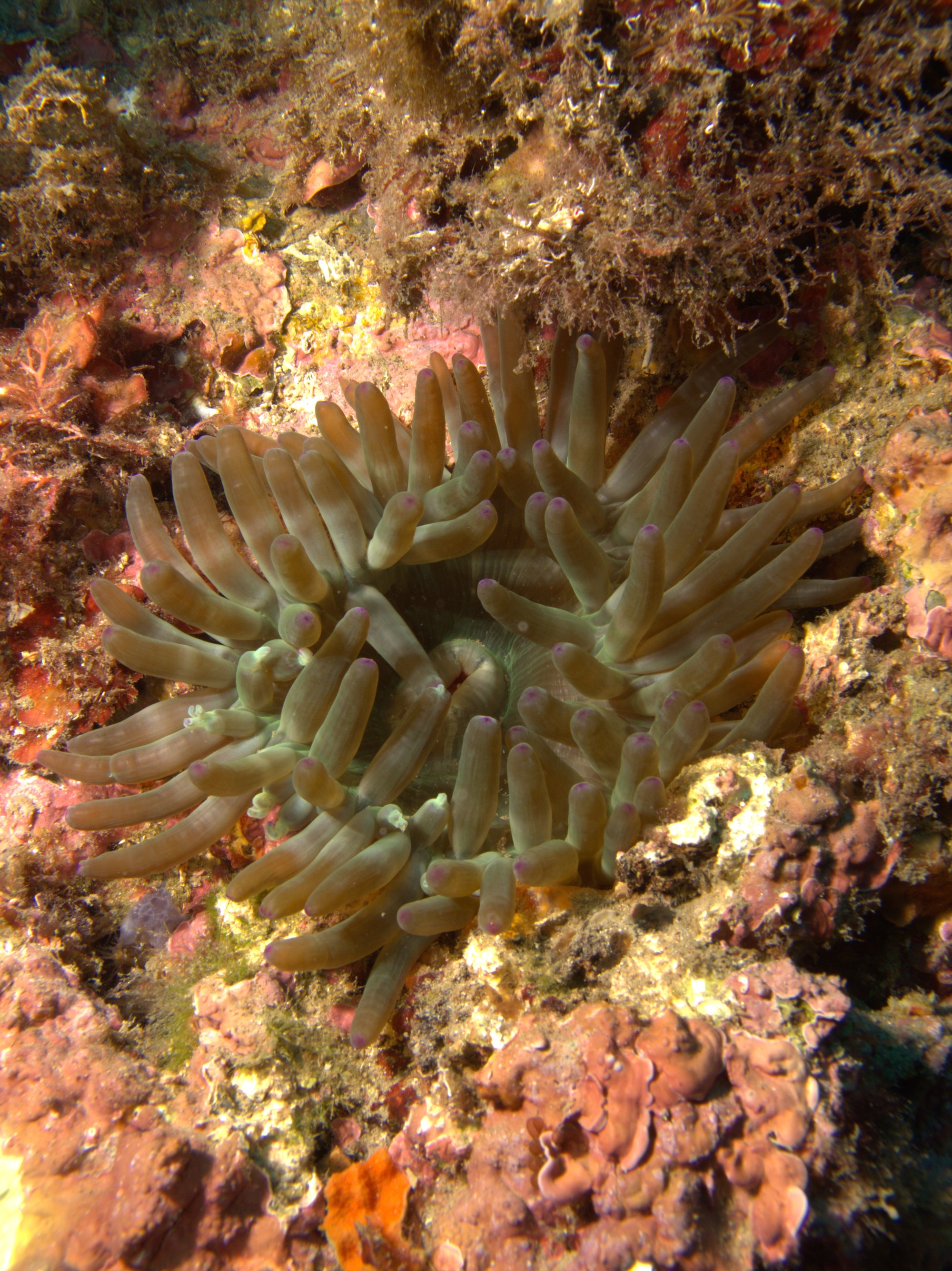
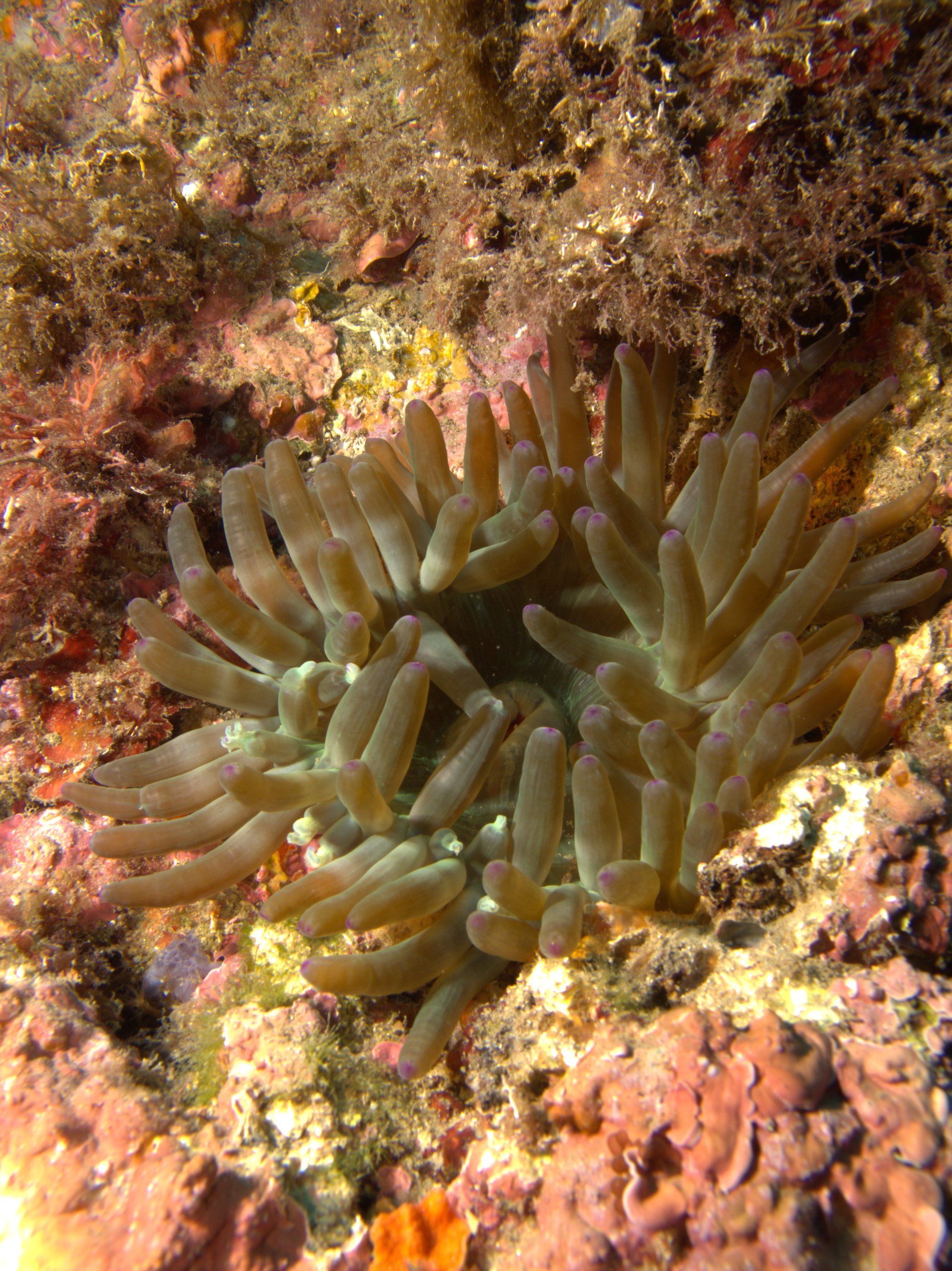
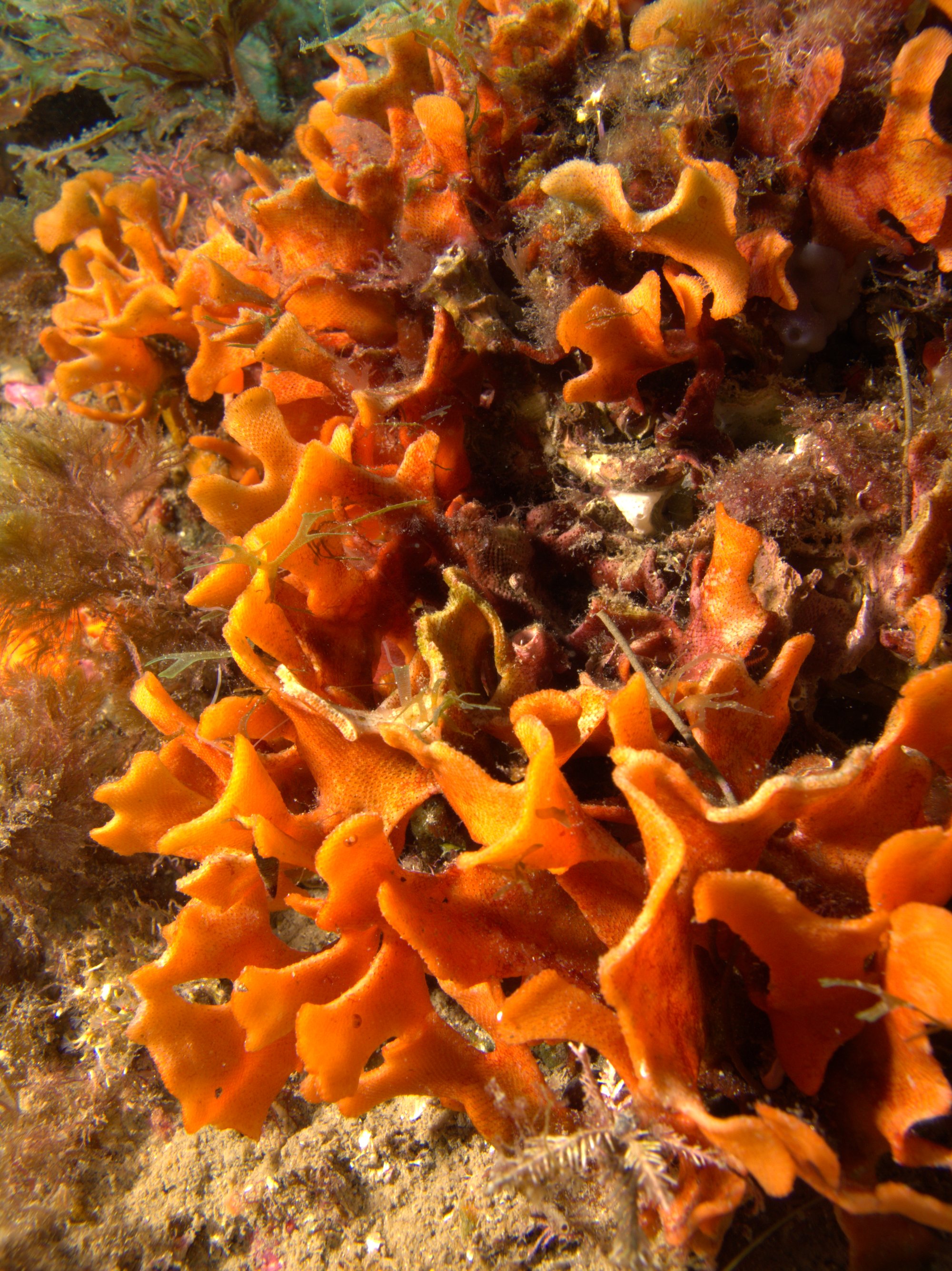
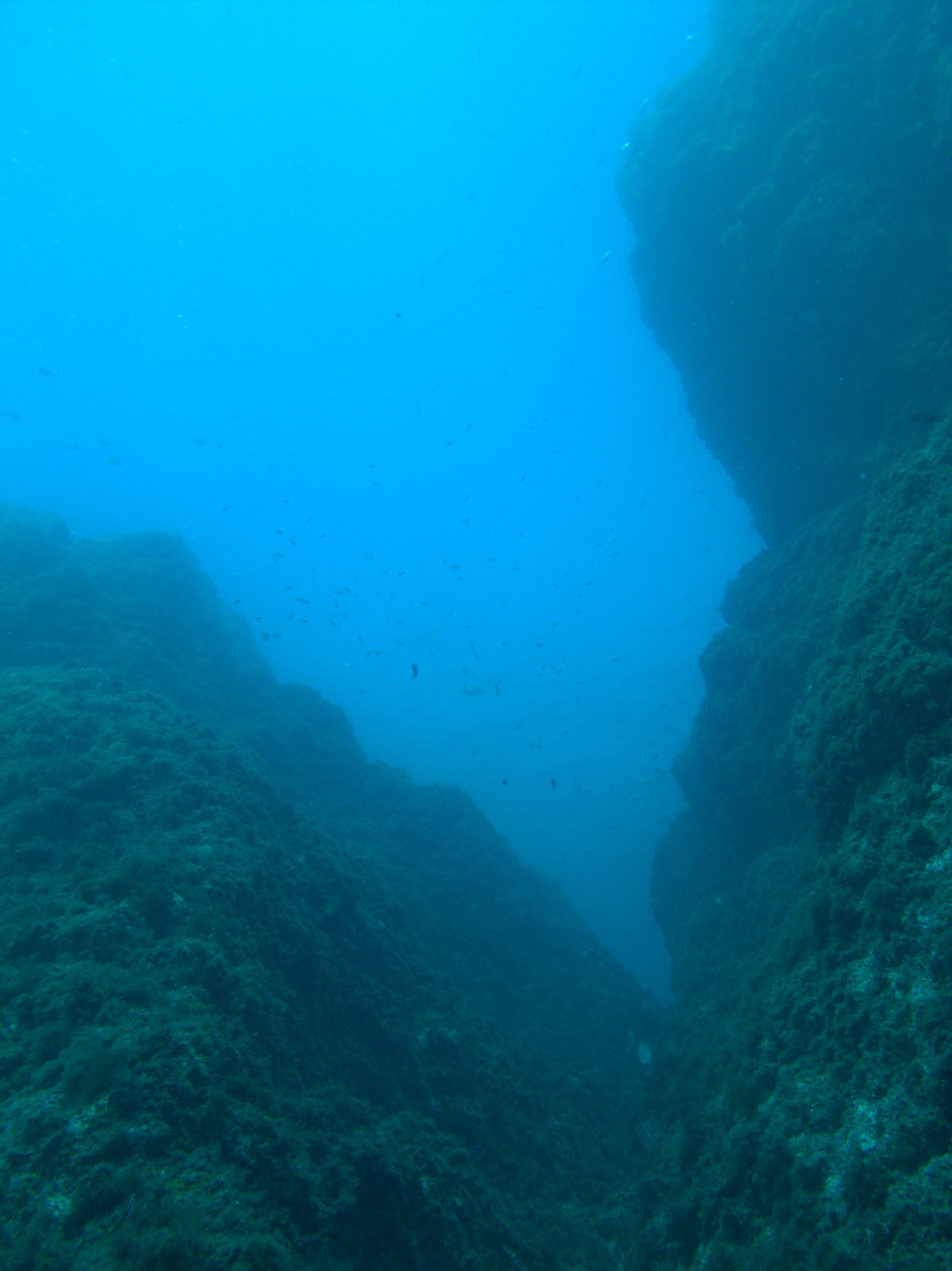
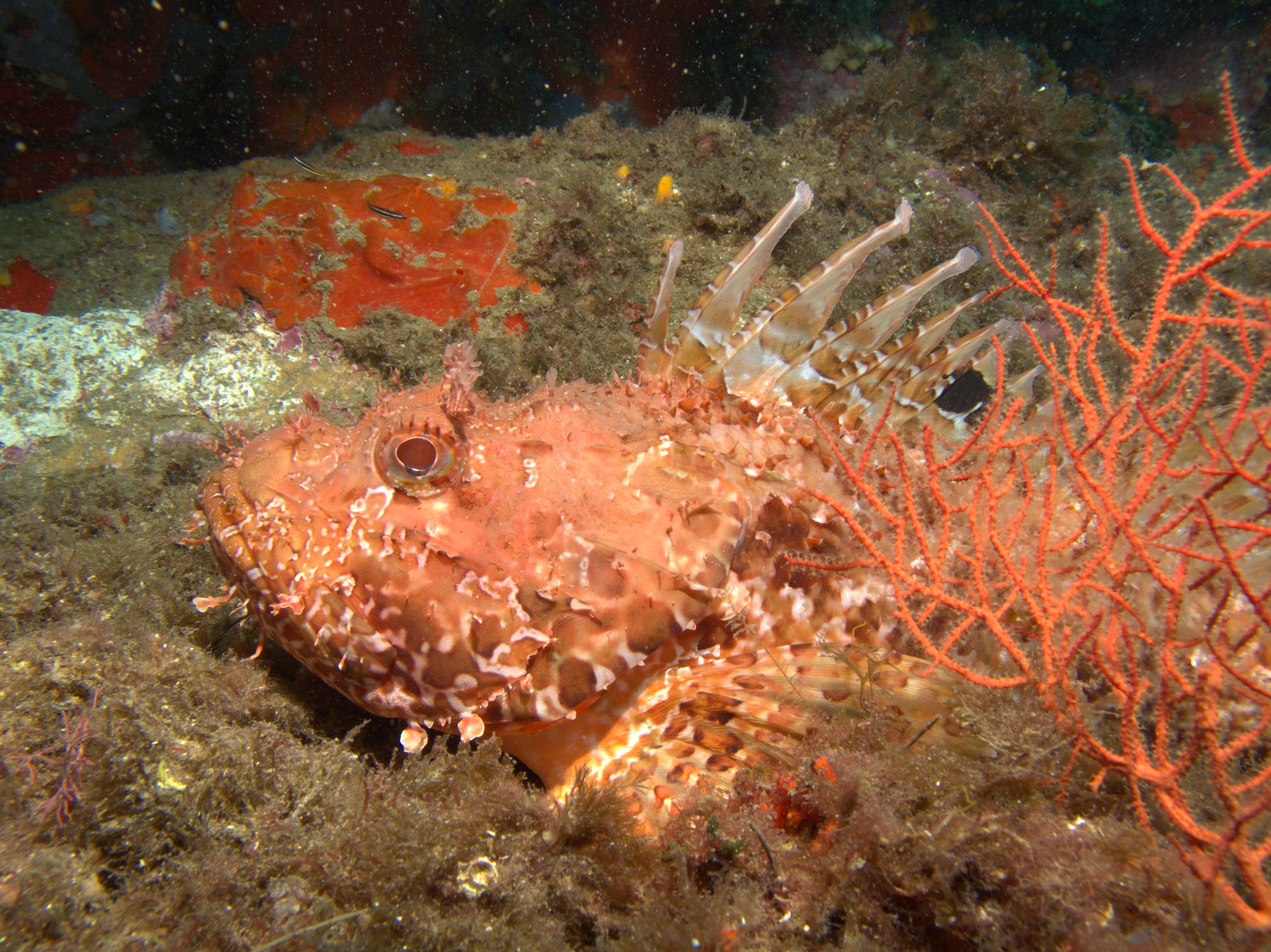
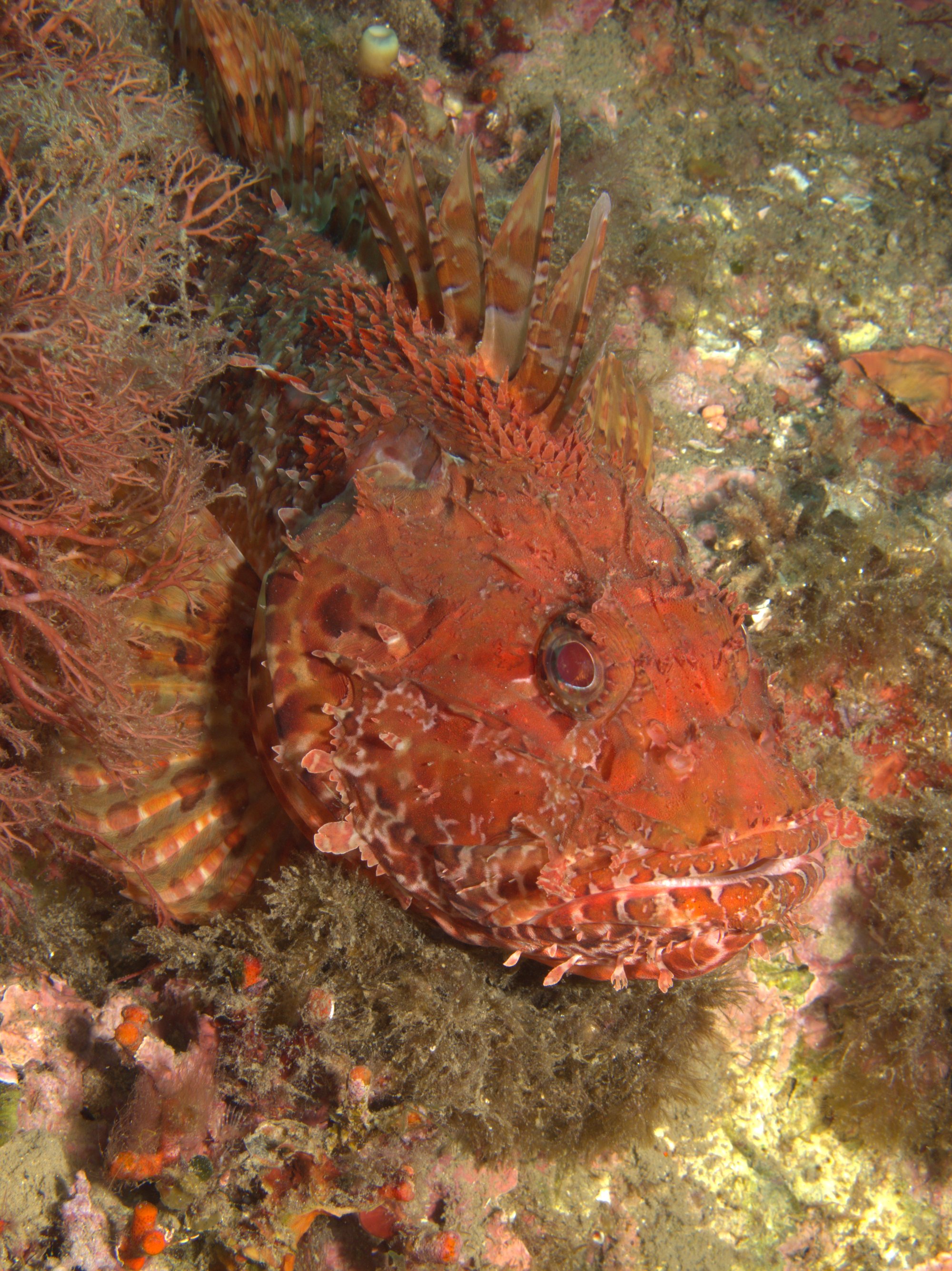
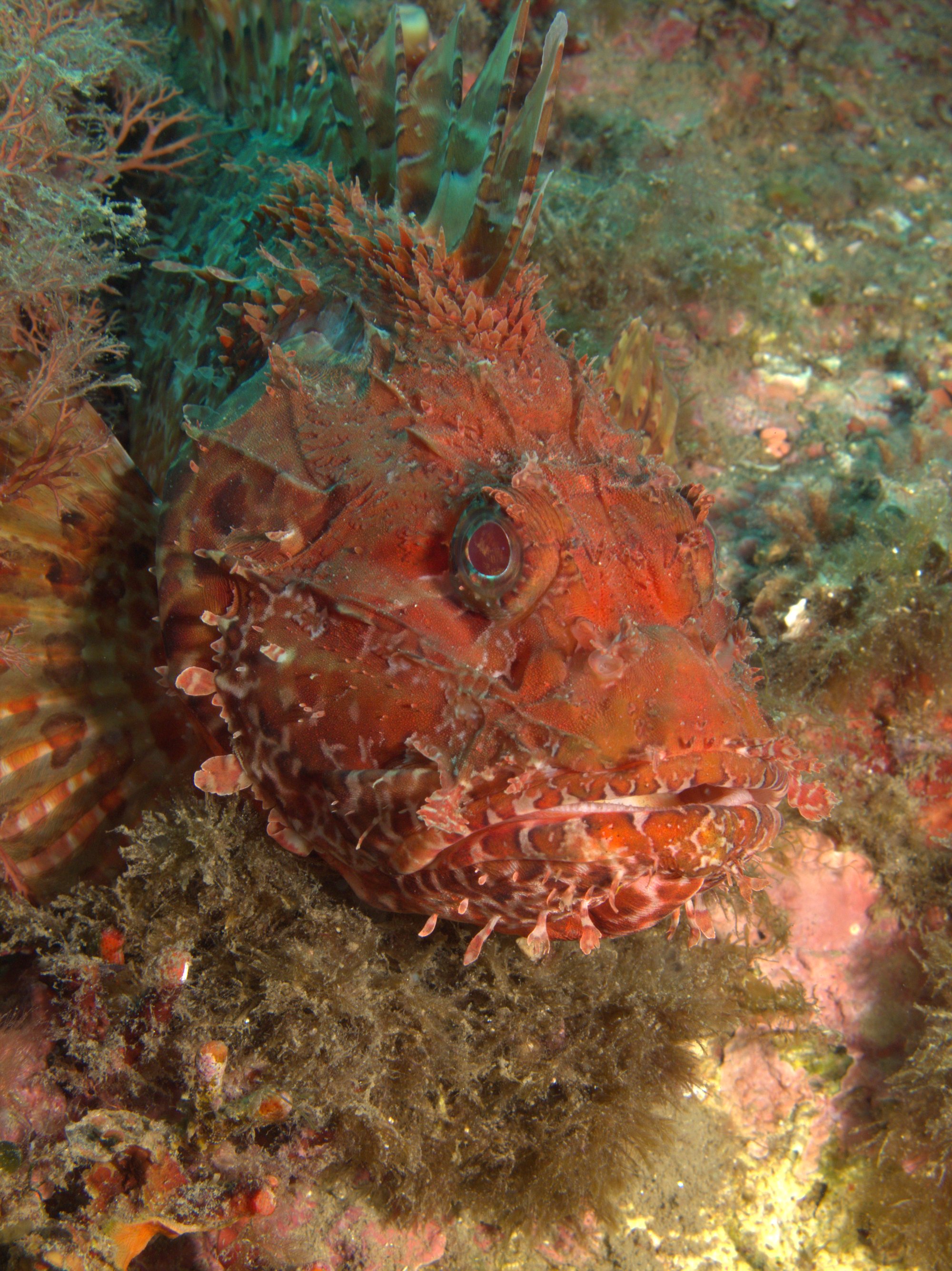
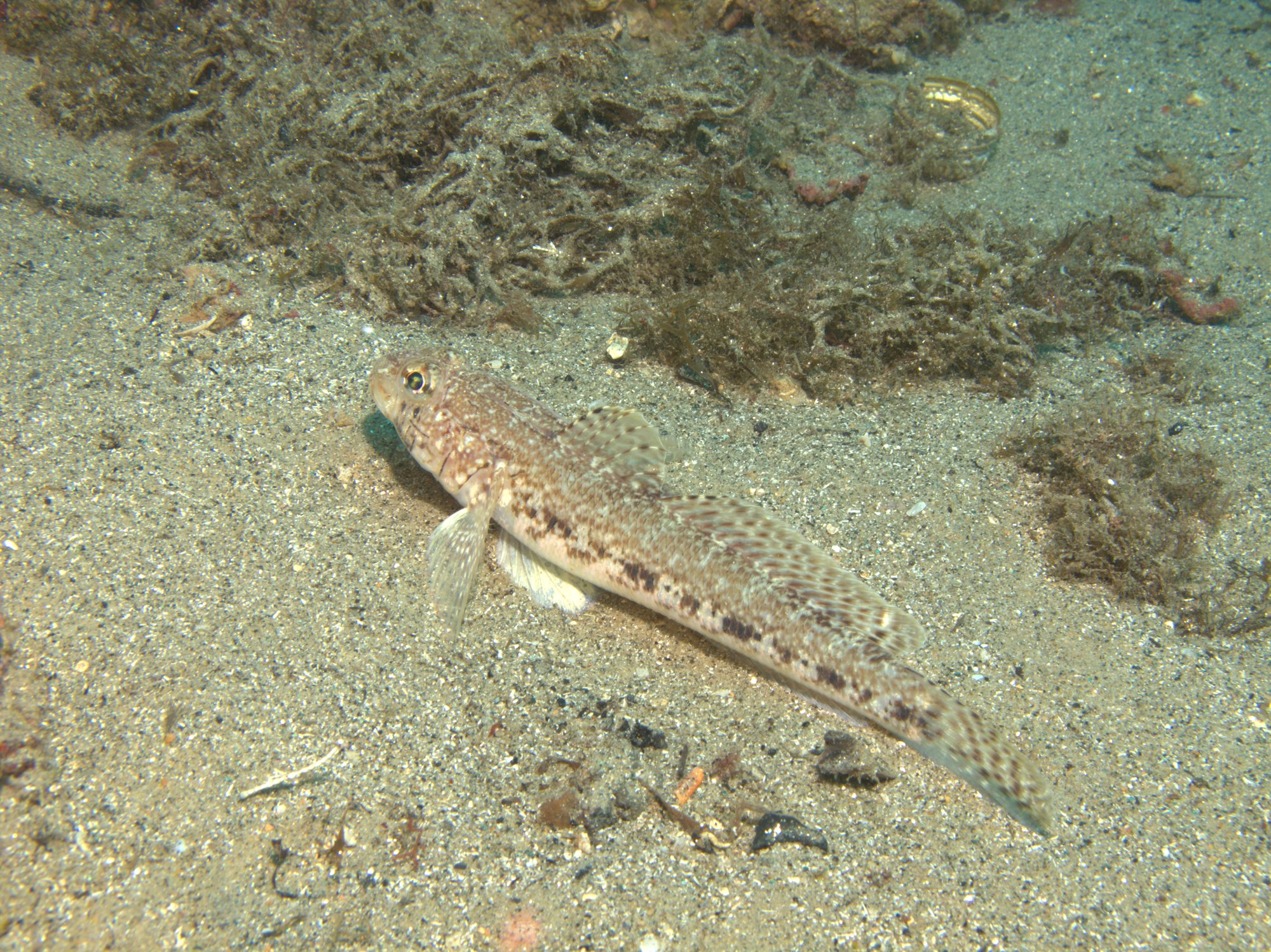
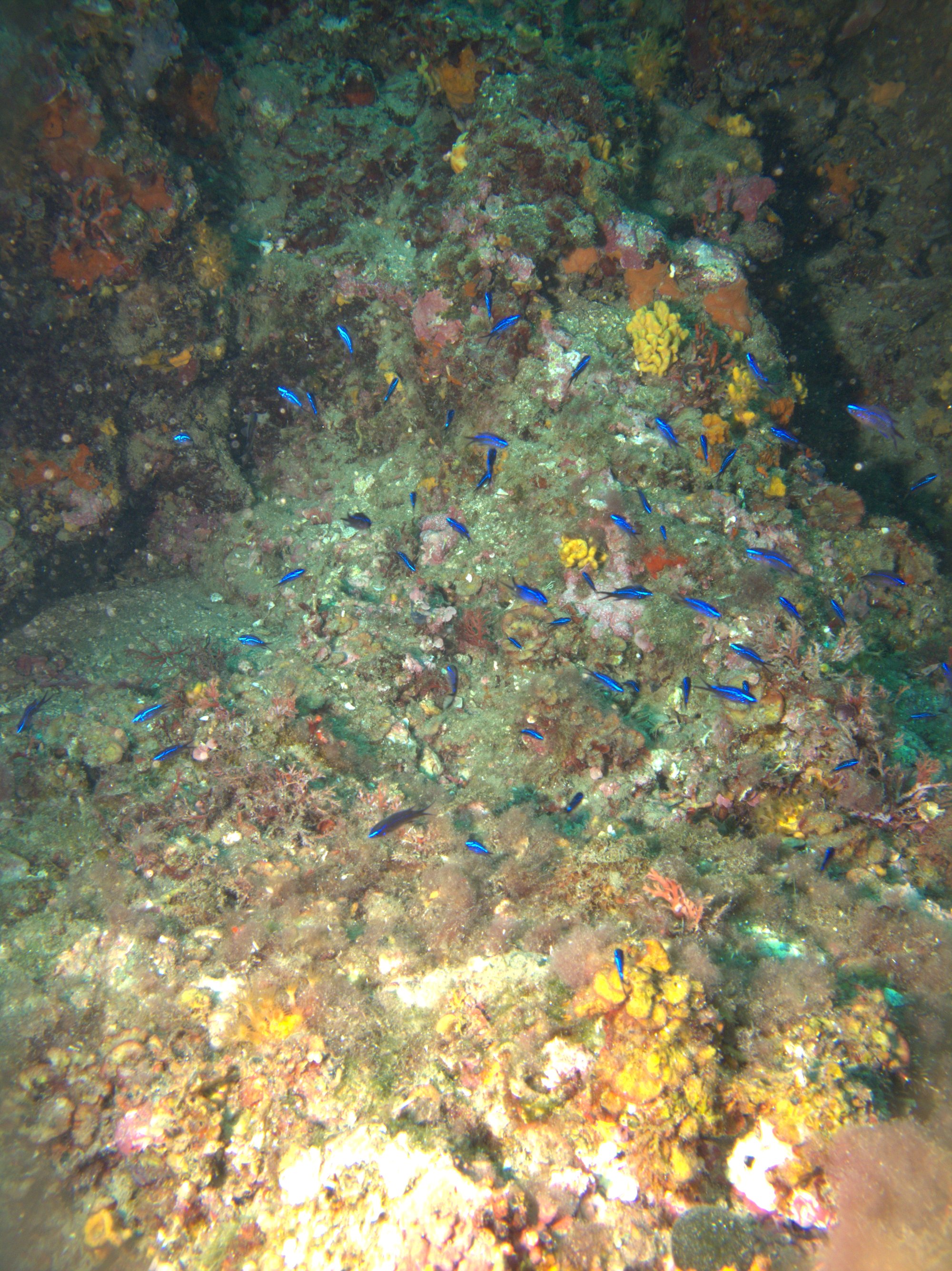
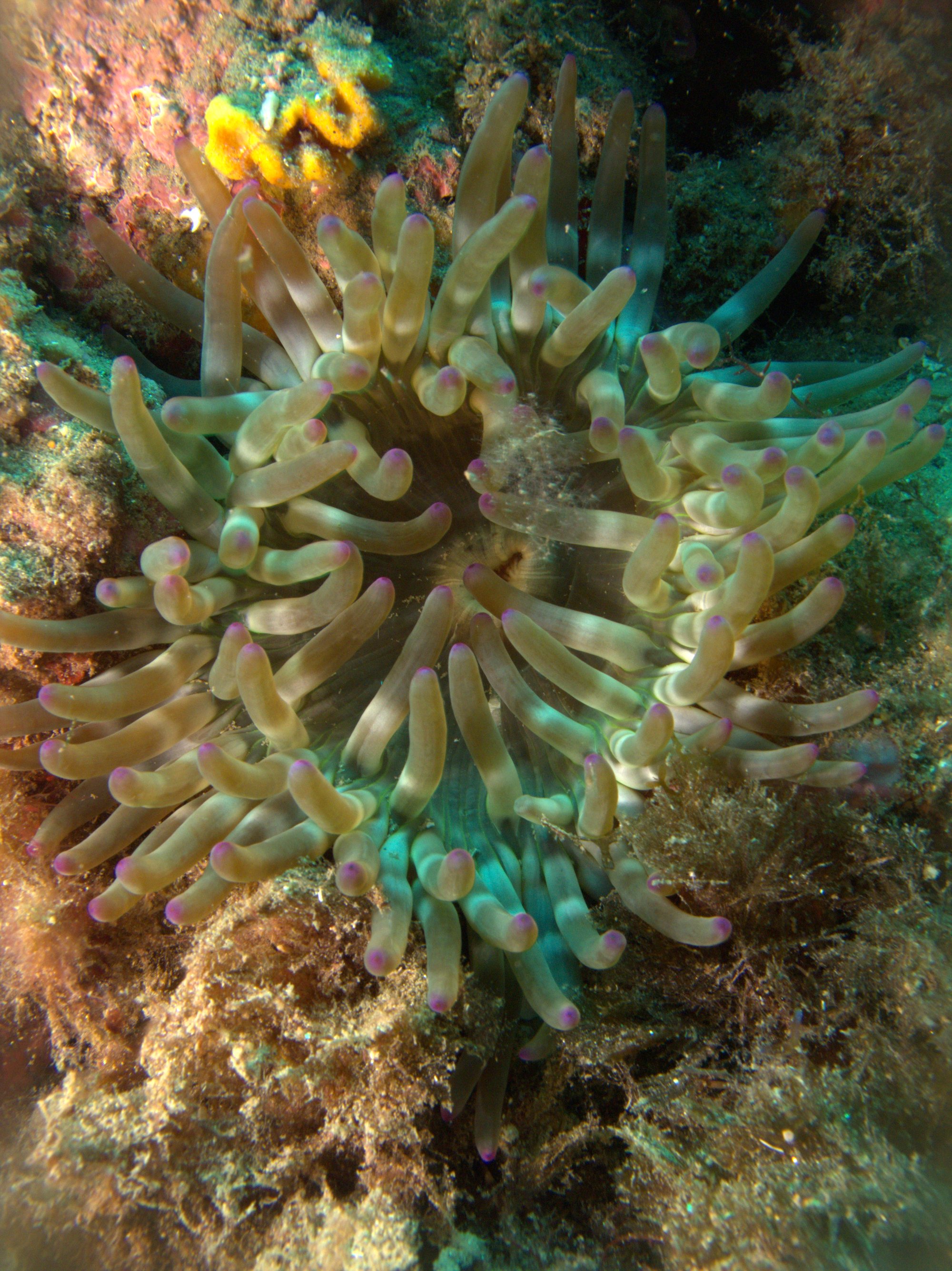
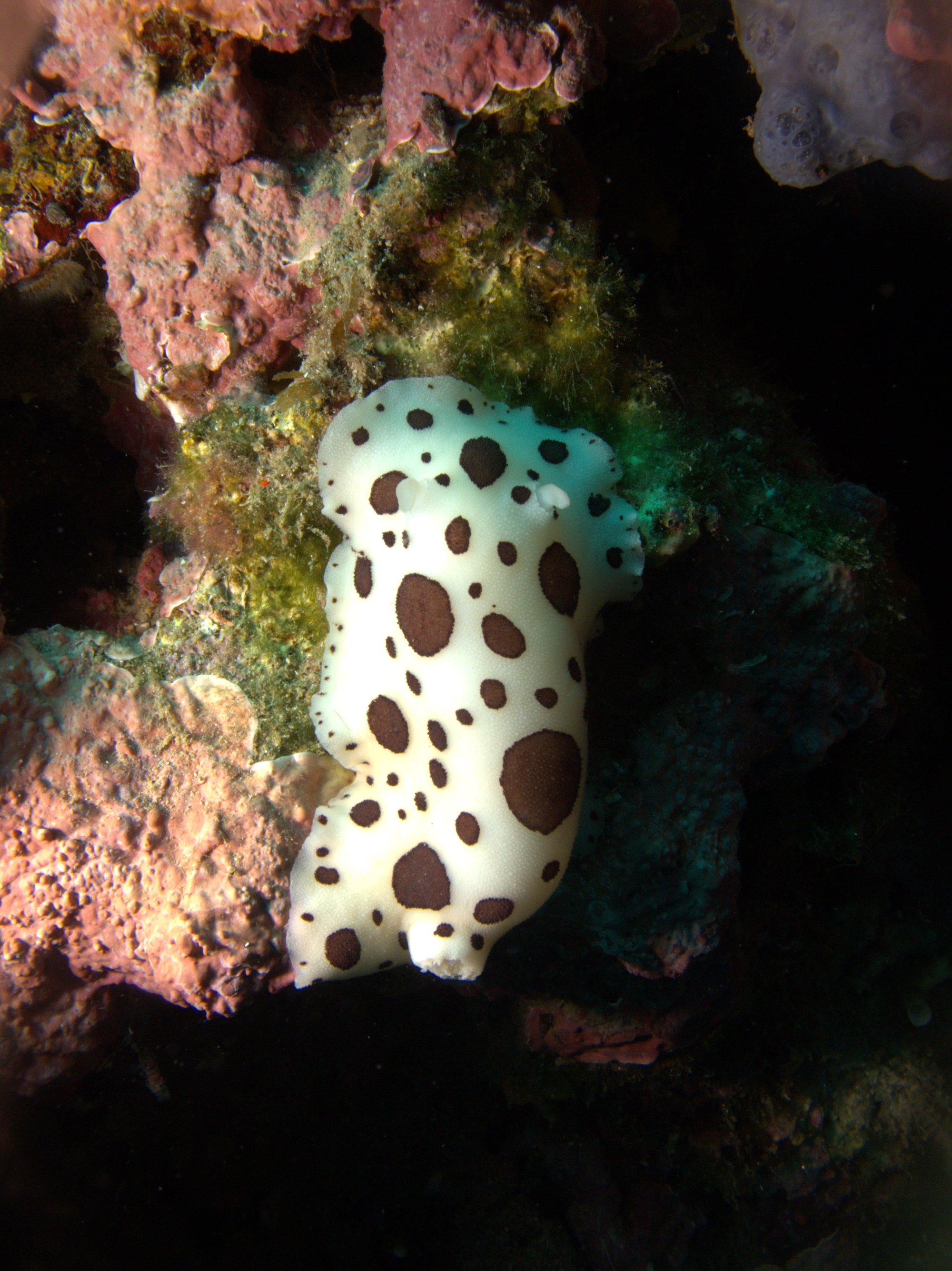
Five rocky peninsulas extend from the coast at Cala dels Penjats, creating four corridors that deepen from 6 metres at the tops to 25 metres at the seaward ends. Schools of mullet and sea bream move through the upper levels while the corridor walls host yellow encrusting anemone, white gorgonians, and green algae communities. At depth, the passages narrow and the rock is broken by crevices — lobsters, large scorpionfish, and wrasse occupy these shadowed zones. Between the formations, an incongruous sunken water slide sits half-buried in the sand, an unofficial landmark that nobody can explain.
What makes it special
The corridor architecture sets Las Planetas apart from the flat reef sites and wall dives elsewhere in Sant Feliu. Each of the four passages has its own character — slightly different depth, light angle, and wall texture — creating a sense of exploration that linear dive profiles lack. Seahorses have been documented here, associated with the algae and crevice habitat deeper in the corridors. This species is uncommon enough in Mediterranean dive area listings that its confirmed presence genuinely distinguishes the site. The 6-25m range also means groups with mixed experience levels can dive together, each finding interest at a comfortable depth without anyone compromising.
Know before you go
The five formations look similar from underwater, so track your route through the corridors to navigate back to the mooring. Torchlight transforms the deeper crevices — lobsters and seahorses sheltering at the corridor ends become visible, and the yellow anemone colonies on the walls take on richer colour. The shallow tops at 6-10m make an excellent extended safety stop with plenty of small life, so plan to end the dive there rather than surfacing early. If seahorses are the priority, tell your guide at the briefing — they know the current sighting areas and can route the dive accordingly.
Depth & Profile
Location
41.7790°N, 3.0300°E
Conditions
Difficulty & Certification
Easy at shallow levels; moderate in the deeper corridor ends where crevices and small caves appear.
Frequently Asked Questions
Are there seahorses at Las Planetas?▾
What is the sunken water slide at Las Planetas?▾
Is Las Planetas suitable for Open Water divers?▾
How many corridors are there at Las Planetas?▾
Do I need a torch at Las Planetas?▾
Photos & Video
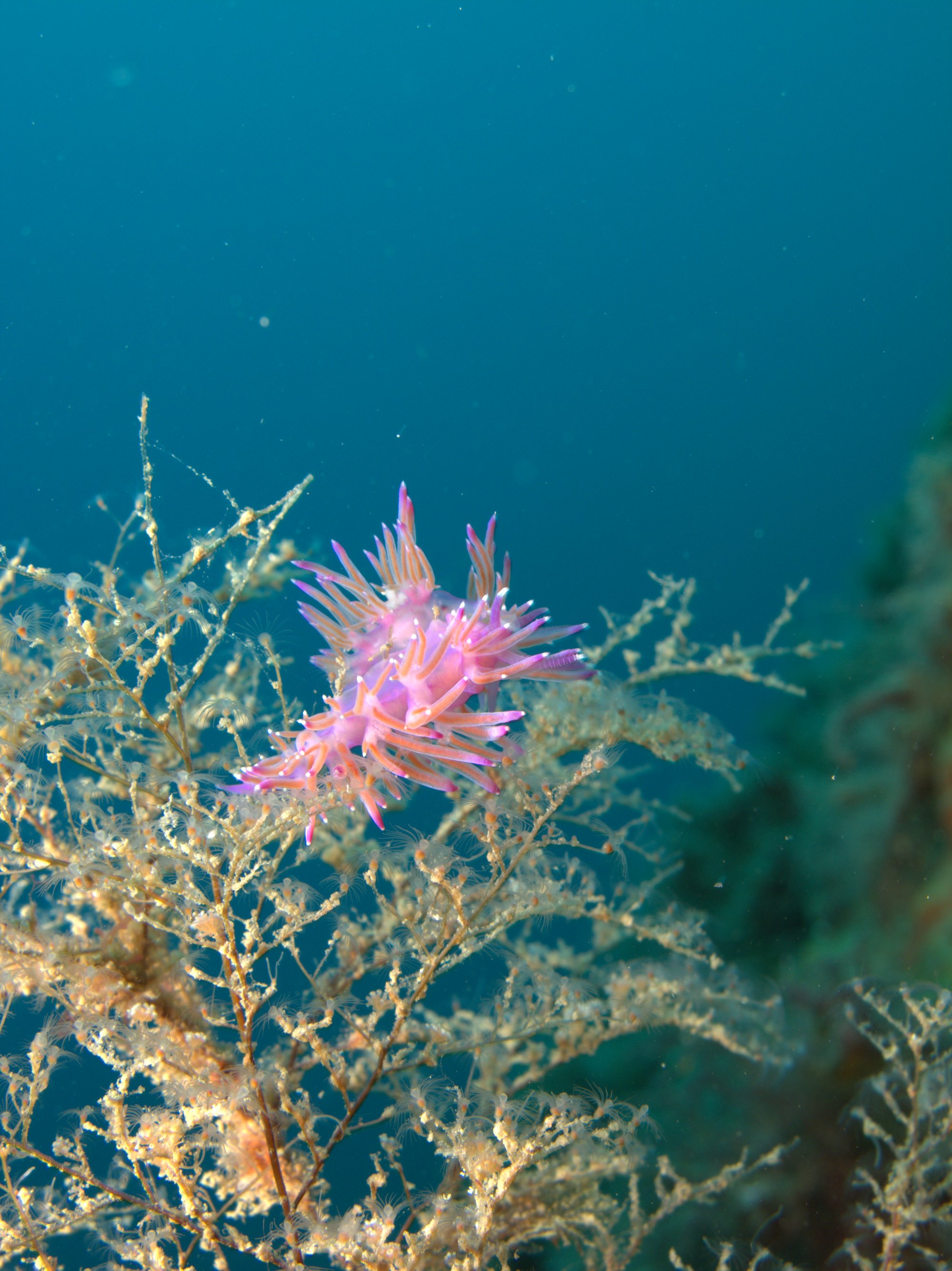
Jouni Kuisma
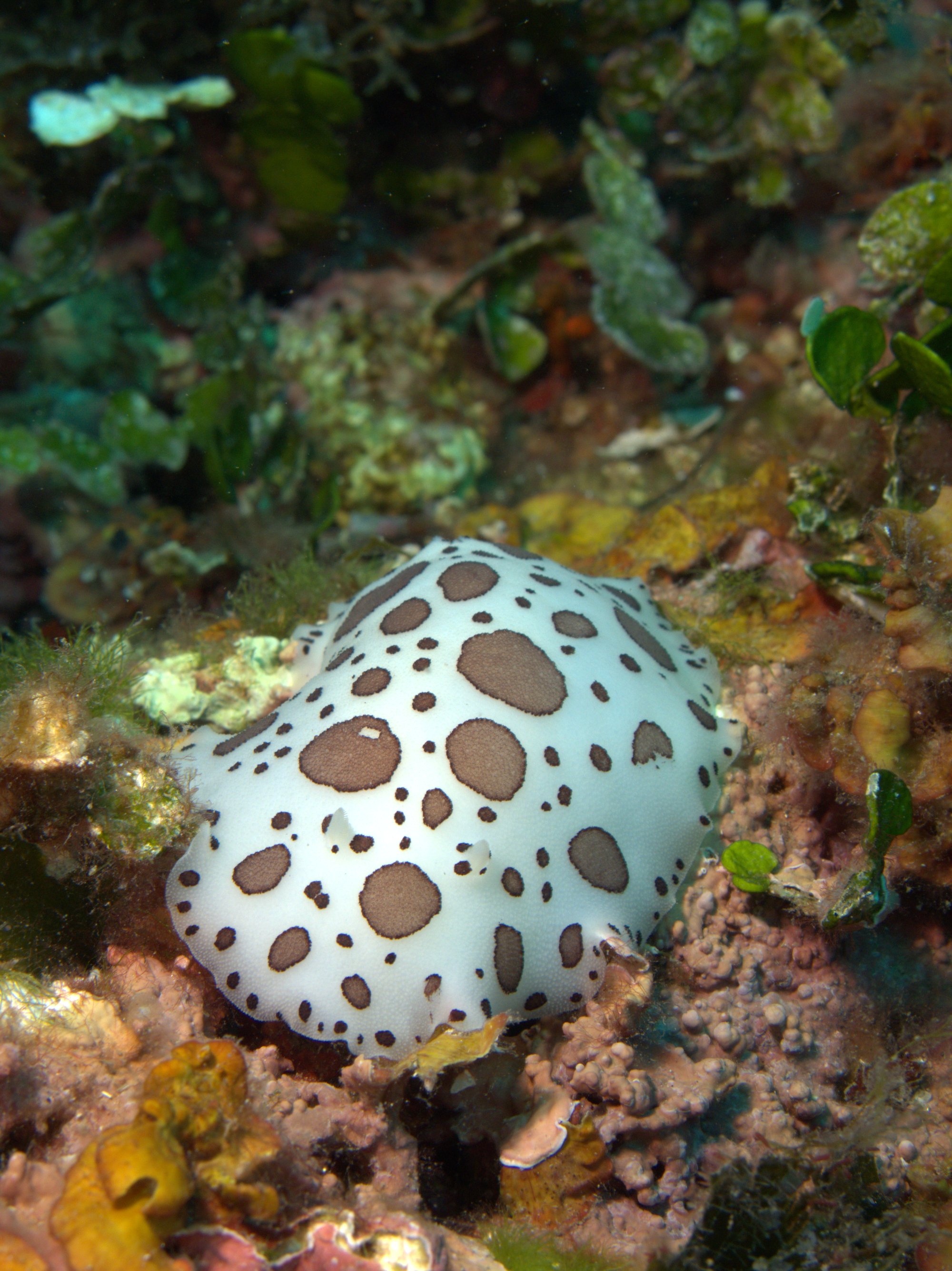
Jouni Kuisma
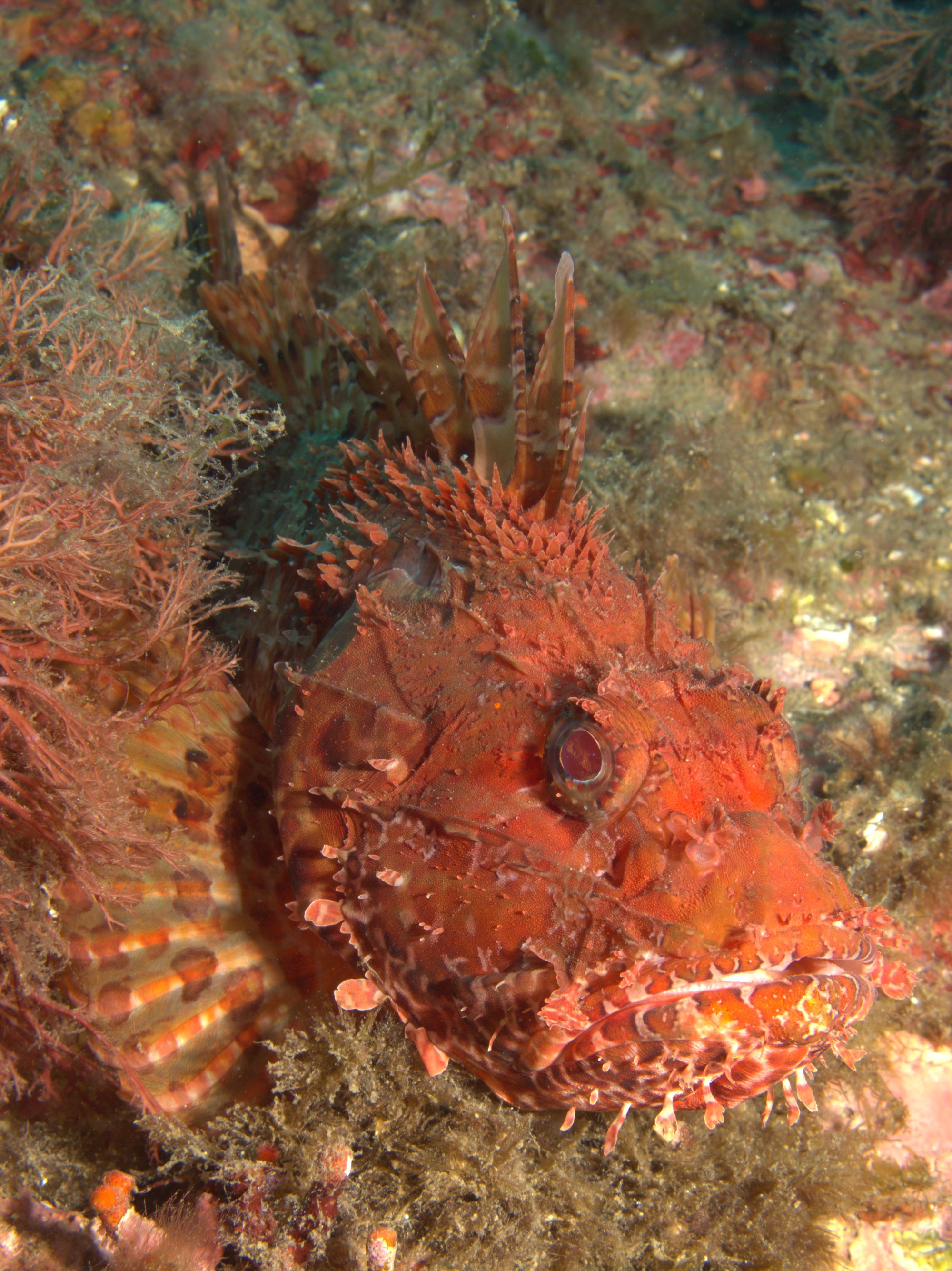
Jouni Kuisma
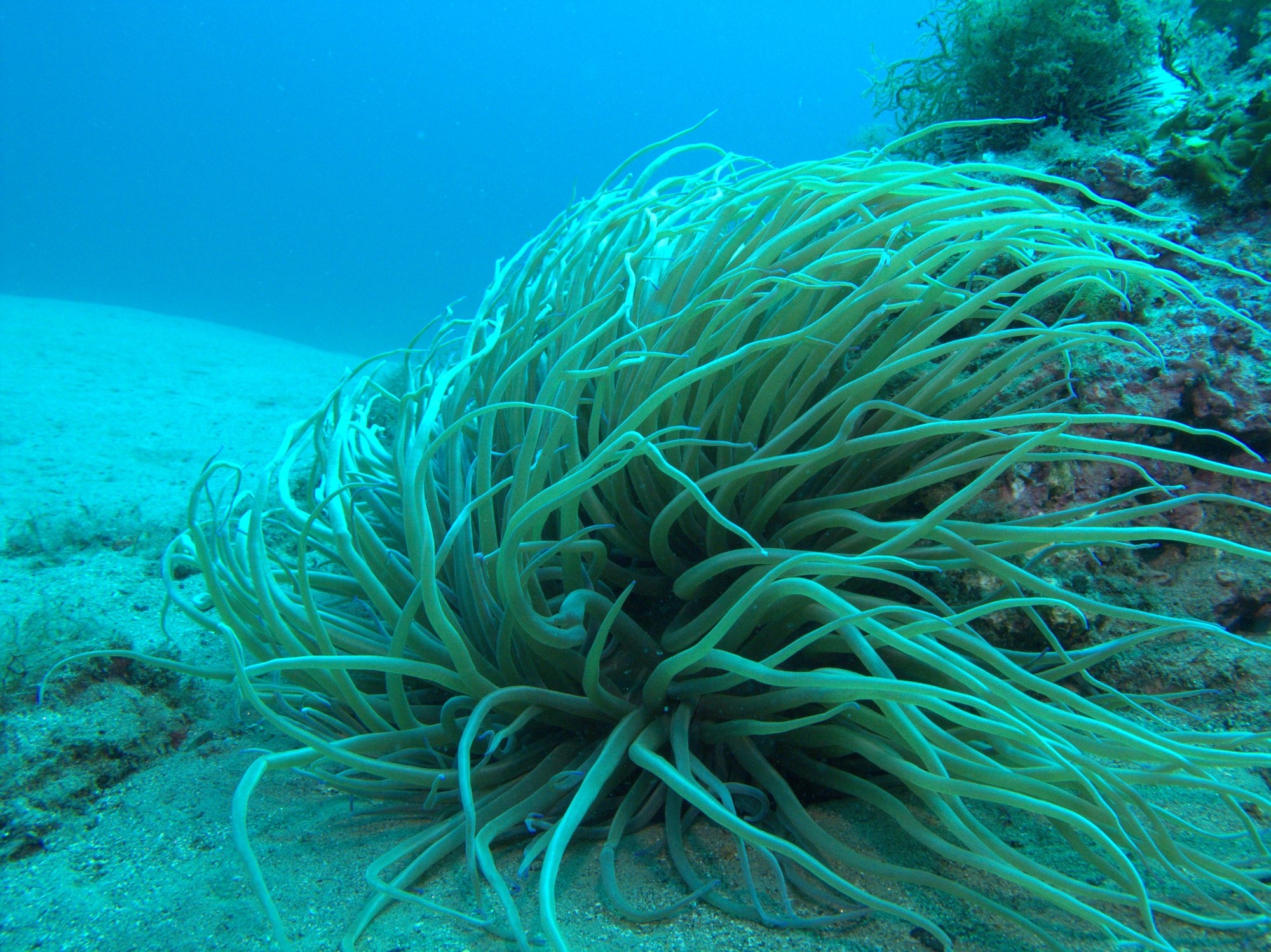
Jouni Kuisma
Jouni Kuisma
Jouni Kuisma
Jouni Kuisma
Jouni Kuisma
Jouni Kuisma
Jouni Kuisma
Jouni Kuisma
Jouni Kuisma
Jouni Kuisma
Jouni Kuisma
Jouni Kuisma
Jouni Kuisma
Jouni Kuisma
Jouni Kuisma
Jouni Kuisma
Jouni Kuisma
Jouni Kuisma
Jouni Kuisma
Jouni Kuisma
Jouni Kuisma
Jouni Kuisma
Jouni Kuisma
Jouni Kuisma
Jouni Kuisma
Jouni Kuisma
Jouni Kuisma
Jouni Kuisma
Log your dives
Track every dive with depth, duration, conditions, and marine life sightings. Join a club and share your underwater experiences.
Try DiveLog — it’s free