Montelivi
Also known as: Montirivi
Advanced dive site near Sant Feliu de Guíxols with clean waters and abundant fish schools.
The dive
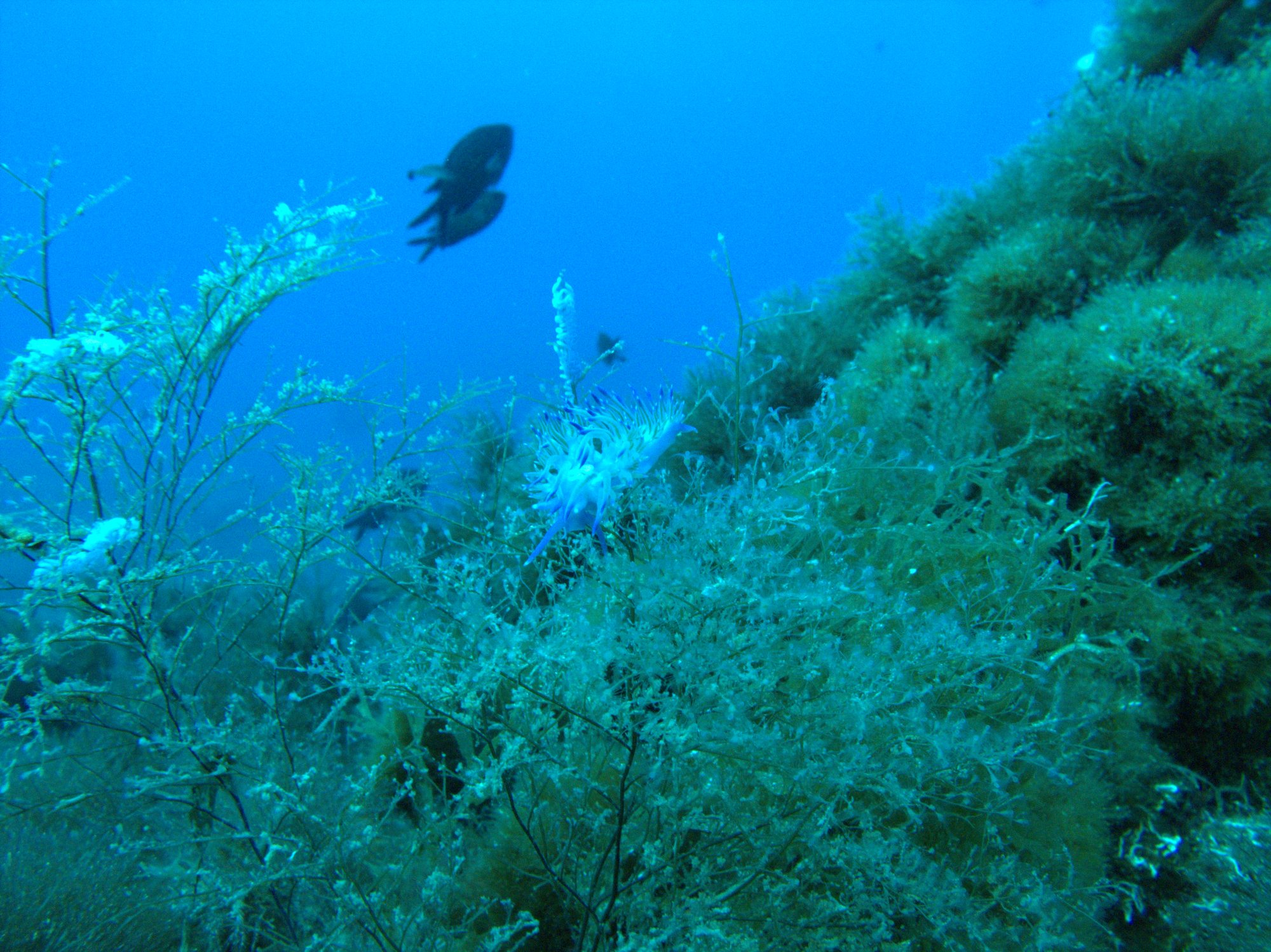
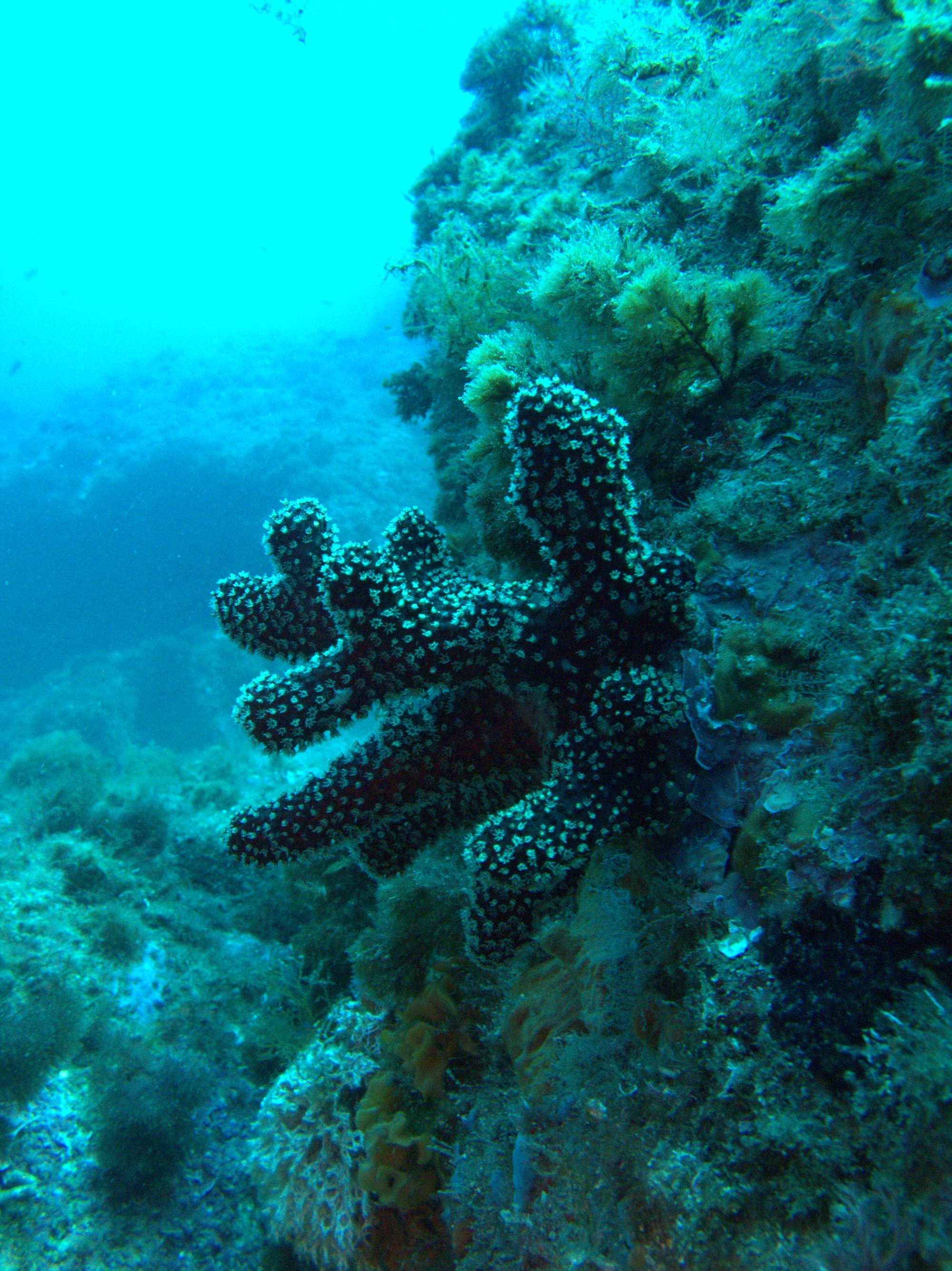
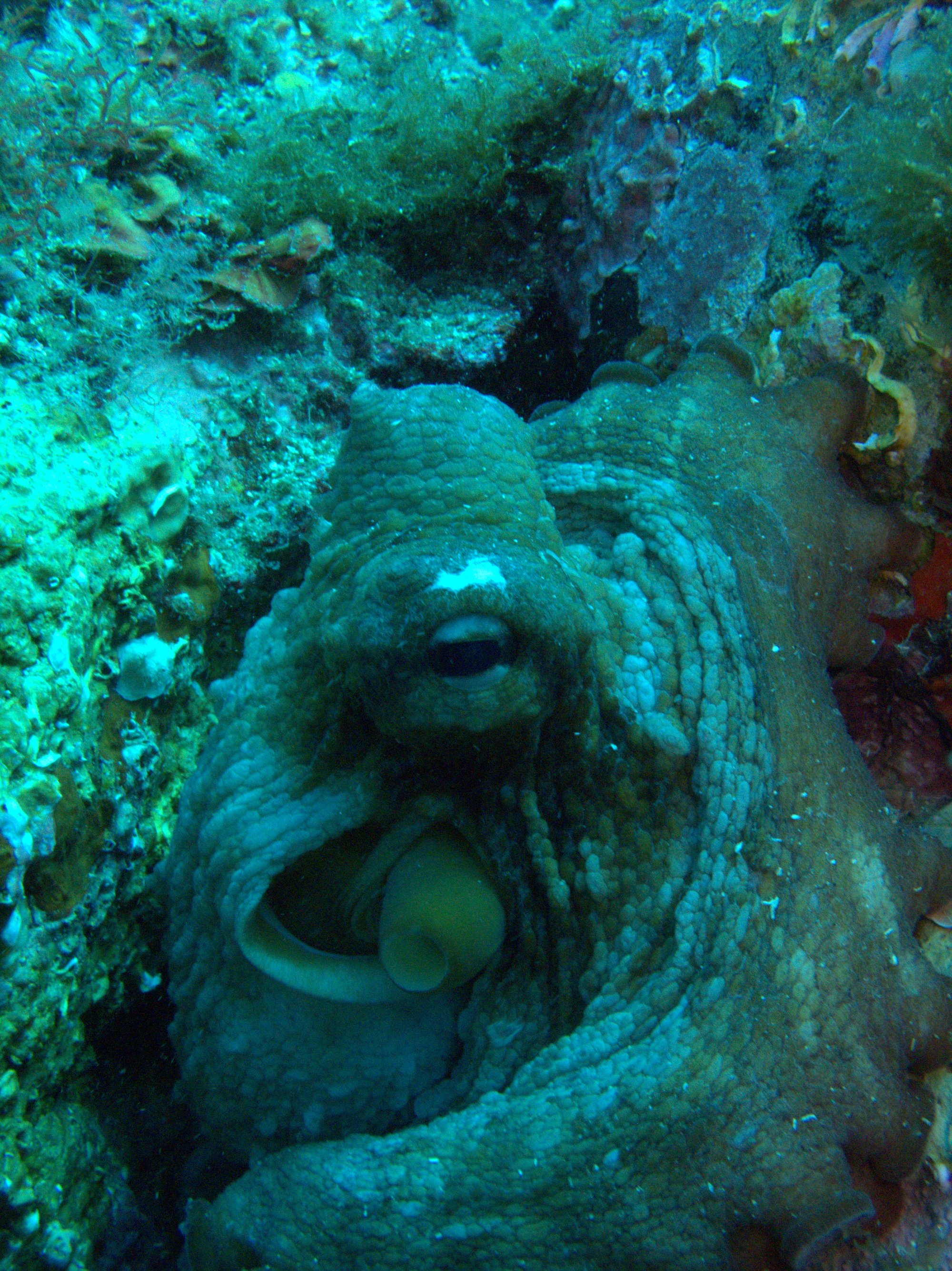
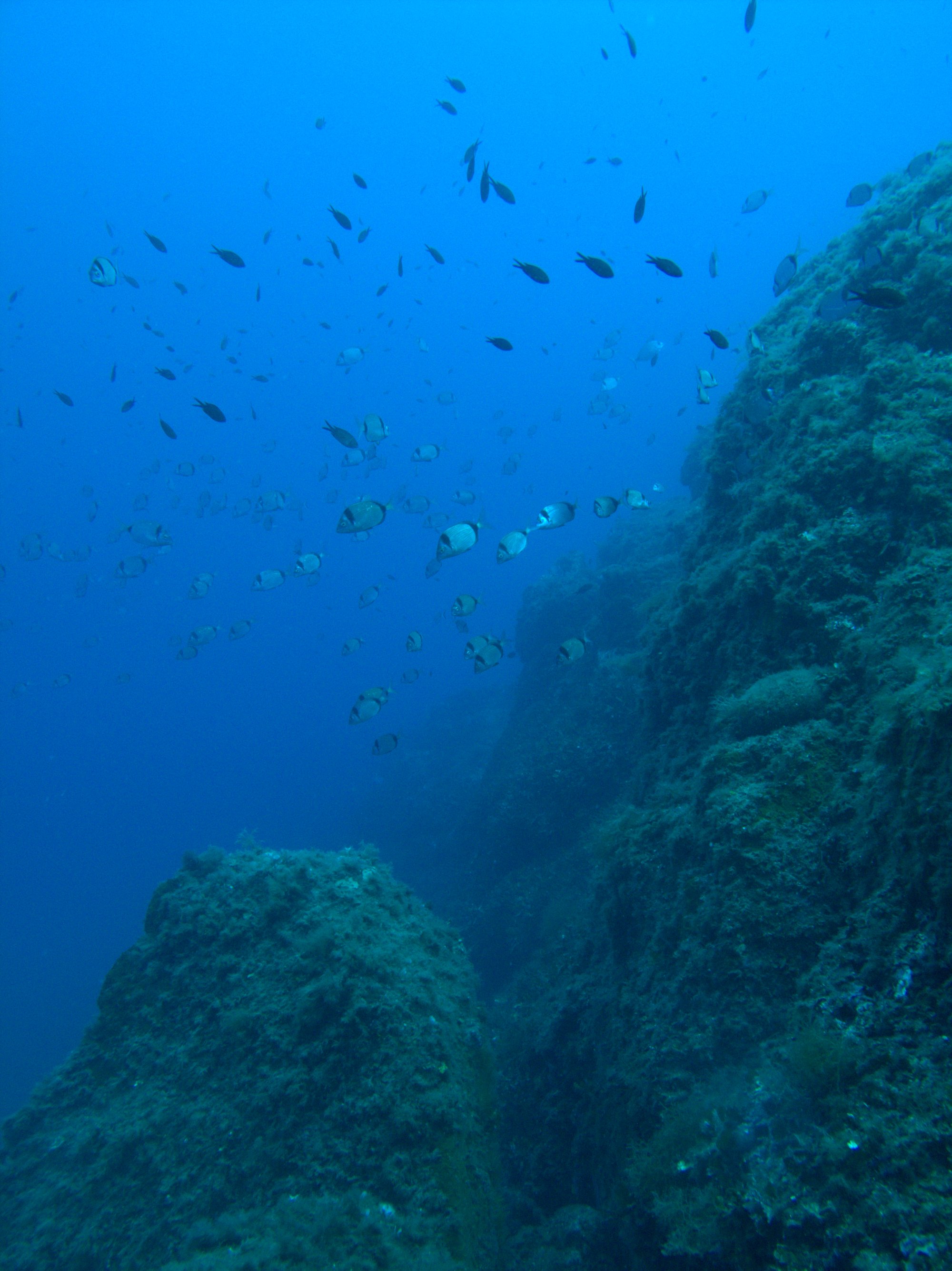
Montelivi is the largest single formation in the Sant Feliu de Guíxols dive area — a rock structure extending half a kilometre seaward from Punta dels Canyets. The boat drops you on the section your guide selects based on conditions. The 18-33m range is where Montelivi delivers: vertical walls coated in golden Parazoanthus anemones, deep crevices where groupers and conger eels shelter, and the coralligene community that needs this depth and orientation to thrive. Sea bream and wrasse school around the shallower faces. The formation's extent means you pick a direction and explore — there is always more rock ahead.
What makes it special
Scale distinguishes Montelivi from the compact sites nearby. Where Las Planetas has five corridors and La Red has two zones, Montelivi is a single continuous wall system large enough that no two dives on it need follow the same route. The coralligene habitat on the deeper faces — encrusting organisms building on rock in conditions of reduced light — gives the walls a texture and colour density that open-water sites above 15m rarely match. This is the site for divers who prefer spending a full dive on one feature rather than hopping between multiple points, and for those who appreciate the biological richness that comes with depth and wall orientation rather than spectacle species.
Know before you go
Nitrox is strongly recommended — the best section sits at 25-33m where bottom time on air is limited. The site is more exposed than the bay-sheltered sites like Las Planetas or La Llosa, so expect mild to moderate current on some days; your guide will choose the section and approach direction based on conditions. Because the formation extends 500 metres, no two dives here need follow the same route — ask your centre which section they plan to visit and whether you have been to a different part before. A torch reveals groupers and conger eels deep in the wall crevices where ambient light barely reaches.
Depth & Profile
Location
41.7820°N, 3.0250°E
Conditions
Difficulty & Certification
Moderate due to depth and occasional moderate currents at this more exposed location.
Frequently Asked Questions
How big is Montelivi?▾
What certification do I need for Montelivi?▾
Is there current at Montelivi?▾
How does Montelivi compare to La Red?▾
Should I dive Montelivi on Nitrox?▾
Photos & Video
Jouni Kuisma
Jouni Kuisma
Jouni Kuisma
Jouni Kuisma
Jouni Kuisma
Jouni Kuisma
Jouni Kuisma
Jouni Kuisma
Jouni Kuisma
Jouni Kuisma
Jouni Kuisma
Jouni Kuisma
Log your dives
Track every dive with depth, duration, conditions, and marine life sightings. Join a club and share your underwater experiences.
Try DiveLog — it’s free