

Buceo La Restinga
SSI center in La Restinga, El Hierro, highly rated by divers, with 24+ volcanic sites, a 30m depth cap, and the top recommendation on Spanish dive forums.
SSI2 languages
Also known as: Bocarona, Bocarones, el Rocón Monstruoso, La Baja Bocarones, Punta Bocarone
Two volcanic rock towers on a sandy plateau east of La Restinga, outside the marine reserve, one with vertical walls rising in open blue water.
Last updated October 2026
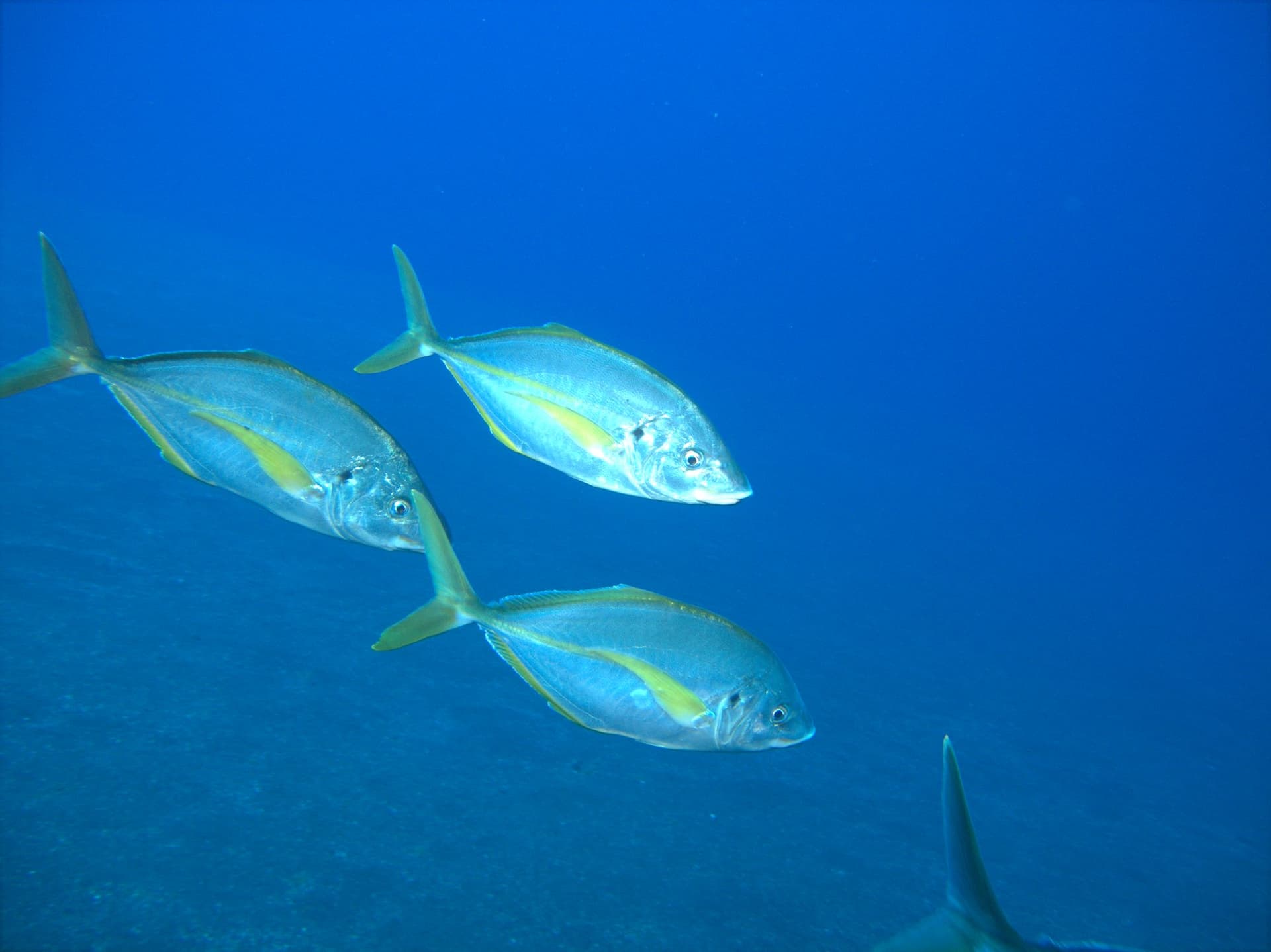
Two towers of volcanic rock stand on a sandy plateau at the foot of the cliffs that form the island shelf here. The smaller one is sharper and sits closer to the coast. Across the sand flat, with stone reefs on both sides, the larger tower rises with absolutely vertical walls, and its base meets the sand at about 25 m on the north side. Black coral and moray eels fill the cracks and the deeper zones. Groupers are seen along the wall, schools of sargo circle the rock, and rays lie on the sand at its foot.
The larger tower is a column of volcanic rock whose walls are so vertical that island tourism guides write that it is hard to believe human hands did not shape it. There is no gradual slope to read the depth from. The wall rises straight out of the sand into open blue water, and divers who photograph here favour the outline of the towers against that blue. Cavities and holes break the rock face, and one description adds narrow tunnels.
The dive runs only when wind and current allow. The east side takes the full force of the trade winds, and on a rough morning the day's diving goes elsewhere, so a trip to El Hierro cannot be planned around this site. On the south side the larger tower falls to more than 50 m by one operator's account, well below the 25 to 30 m of the usual route: agree a turning depth at the briefing and keep to it.
What makes this dive site stand out.
Two rock towers stand on a sandy plateau at the foot of the island-shelf cliffs.
The larger tower has absolutely vertical walls, described locally as an obelisk.
Outside the marine reserve on the east side, open to the trade winds.
Cracks and deeper zones of the towers hold black coral and moray eels.
27.6410°N, 17.9802°W
One operator that runs the site states no particular licence is needed: beginners follow the whole route to 18-20 m, and advanced divers go on to the tower base and the sand at 30 m.
Summary
Graded medium in island guides and not usually complicated, since it is dived only in good sea conditions; the current on the day sets the real difficulty.
Safety considerations
What can go wrong here, and what divers do about it. Conditions change - take the briefing from the operator on the day.
Book a guided dive at this site.
SSI center in La Restinga, El Hierro, highly rated by divers, with 24+ volcanic sites, a 30m depth cap, and the top recommendation on Spanish dive forums.

Dive centre in La Restinga, El Hierro, operating since 1978 and certified under PADI, FEDAS/CMAS and ESA, with a stable, named team and bundled trip logistics.

Francophone owner-run dive centre in La Restinga, El Hierro. Triple eco-certified, six divers per zodiac, top-rated across both major review platforms.
Get in touch to add or claim your dive center listing on DiveCodex.
Dive centres in the Canary Islands check that you hold the certification the dive needs.
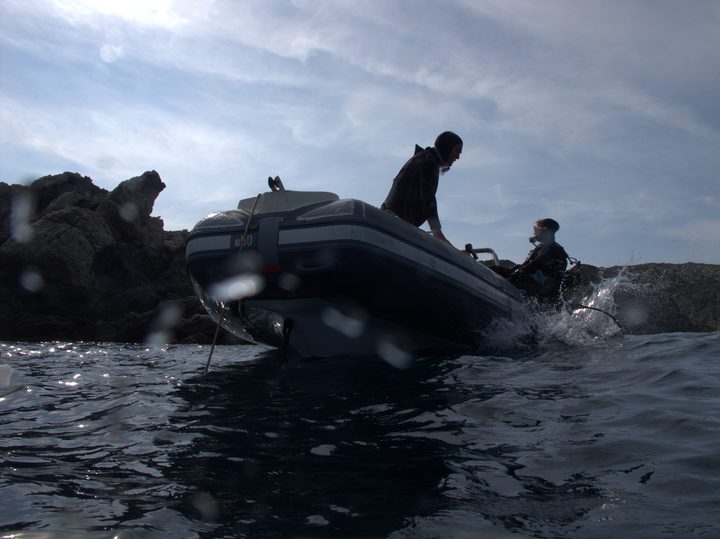
East. The boats run about 15 minutes from La Restinga toward the east, to a point roughly three nautical miles from the southern tip of the island, up the east coast. One island description places it south-west of the Herreña coast, which does not match the route the dive centres run.
Angel sharks are listed on the sand flat between December and March, and divers describe them as not hard to find there, but a sighting is never promised. They are critically endangered and well camouflaged: let the guide point them out and keep your distance, with no touching.
One local dive guide describes a smaller rock with its base at about 20 m and a cave running through it. That is a single account, so ask your guide whether the dive includes it. Anything beyond natural light is overhead diving and needs its own training.
Log your dives - notes, photos, conditions and the marine life you saw - and share them as one public diver profile. What you share helps the next diver, too.
Log every detail
Depth, duration, conditions, gear, buddy, notes — all in one place. Import from Suunto and other dive computers.
Track marine life
Record species sightings on each dive. Build a personal catalogue of everything you've seen underwater.
Your public dive profile
Share your dive history, stats, and experiences with a profile page you control. Show the world where you've been.