

Andreas Diving
Family-run SSI center on Menuda Beach in Tossa de Mar since 1998, with eco-guide philosophy, 17 dive sites, and authorized Cressi service.
SSI4 languages
Also known as: Cala Mar Menuda, La Mar Menuda, Mar Menuda Beach Dive, Platja de la Mar Menuda
Costa Brava's most-dived shore entry: routes 0-32 m, resident seahorses in posidonia, precoralligenous deep zone, tramontana-proof bay.
Last updated May 2026
Sa Banyera de ses Dones is a shallow rock pool at the beach's edge, warm and sheltered enough for a pre-dive check in the water. From here the seabed fans in several directions. The classic right route slopes gently through posidonia past resident seahorse colonies onto rocky reef at the Freu channel, the narrow water between shore and Illa de Tossa. Left of centre, El Acuario stays under 15 metres, its sandy shallows and posidonia margins lit brightly enough that local guides compare it to a display aquarium. From 17 metres the precoralligenous zone takes over. That is where the site changes character. Canyons, walls, and a 13 to 20 metre cavern sit within Open Water reach. A short swim across sand reaches La Llosa, a quiet submerged island most groups never visit. Perduts extends to 32 metres for experienced divers. Small nativity figures (belenes) left on the seabed by local tradition serve as navigation landmarks across the larger route network.
Three properties separate Mar Menuda from the other fifty-plus sites around Tossa. The first is route density. From Sa Banyera alone, divers access at least six distinct profiles from one entry: shallow aquarium, mid-zone reef, precoralligenous deep, La Llosa detour, the cavern, and the Perduts extension. Experienced locals estimate around thirty dives to know them all. The second is the Hippocampus specialisation. Two decades of local seahorse observation have produced the world's only PADI Mediterranean Seahorse Expert course, run on the same beds divers swim past on the classic right route. The site is an official stop on the Costa Brava Seahorse Eco-Route. The third is wind. The bay faces south. When the tramontana closes exposed Costa Brava sites, Mar Menuda stays flat. Two decades as a weekend-regular local site give it the feel of a community dive, not a distant destination.
Summer beach logistics shape the dive. Between roughly 10:00 and 18:30 the municipality restricts equipment preparation at the beach, and fines have been issued for gearing up in the street. Regulars work around it by entering at dawn, around 07:30 to 08:00, into an empty Sa Banyera. Flat water, good visibility, the site to yourself. Spanish law requires diving insurance (roughly 7 EUR a day if not covered elsewhere). Seahorses and every inhabitant of the posidonia beds are protected species that must not be touched or disturbed. The precoralligenous zone from 17 metres sits below the summer thermocline. Bottom water drops to 16-20 C in July and August, so deep routes need at least a 5 mm wetsuit plus hood even in peak season. Shallow routes stay above the thermocline. Night diving requires centre guidance and is worth booking ahead.
What makes this dive site stand out.
Hippocampus in posidonia and sandy bottoms, year-round locations mapped by local guides.
Shallow aquarium to 15 m, precoralligenous 17-30 m, deep extensions to 32 m from Sa Banyera.
South-facing bay stays diveable when northerly wind closes other Costa Brava sites.
Part of the Costa Brava Diving Association's official Seahorse Eco-Route programme.
Squid, mosaic rays, lobster, and coloured shrimp emerge on the same routes after dark.
41.7221°N, 2.9395°E
September and October give warm water, improving visibility, and smaller crowds. Winter rewards macro specialists with nudibranchs, seahorses, monkfish, and john dory in the clearest water of the year.
Guided shore dive from 22 EUR (own equipment) up to around 55 EUR (full rental). Night dive supplement 6-13 EUR. Spanish law requires dive insurance; daily cover approximately 7 EUR. Verify current rates with your centre.
Discover scuba dives start in the shallows. OW covers 0-18 m including seahorse habitat. AOW opens the precoralligenous zone at 17-30 m and extensions to 32 m.
Summary
Shallow routes (El Acuario, La Llosa, 0-15 m) are easy with minimal current. Precoralligenous routes (17-30 m) are moderate. Extensions to 32 m require depth management.
Safety considerations
What can go wrong here, and what divers do about it. Conditions change - take the briefing from the operator on the day.
Book a guided dive at this site.
Family-run SSI center on Menuda Beach in Tossa de Mar since 1998, with eco-guide philosophy, 17 dive sites, and authorized Cressi service.
Family-feel PADI and CMAS centre in Tossa de Mar with free parking, van to Mar Menuda, and a wide course menu including ice, altitude and DPV specialties.
Small-group dive center in Tossa de Mar with a year-round boat, max 4 divers per guide, PADI TecRec and CCR training, and on-site accommodation.

Beach-front Tossa de Mar centre with GUE technical training, a 24/7 membership model and conservation work through Ghost Diving Spain.

Family-run PADI/SSI/CMAS centre in Tossa de Mar with 21+ seasons, free Nitrox on guided dives, marine life courses, and on-site apartments.
Long-established SSI Instructor Training Center in Tossa de Mar, with a full course ladder to instructor level and a Red Sea dive-travel program.
Costa Brava's only PADI CDC, 20+ years in Tossa de Mar with the world's sole Mediterranean SeaHorse Expert specialty and 843 five-star reviews.
Get in touch to add or claim your dive center listing on DiveCodex.
Dive centres in Catalonia must require insurance from every diver on their dives, and must be able to offer a policy to anyone who has none.
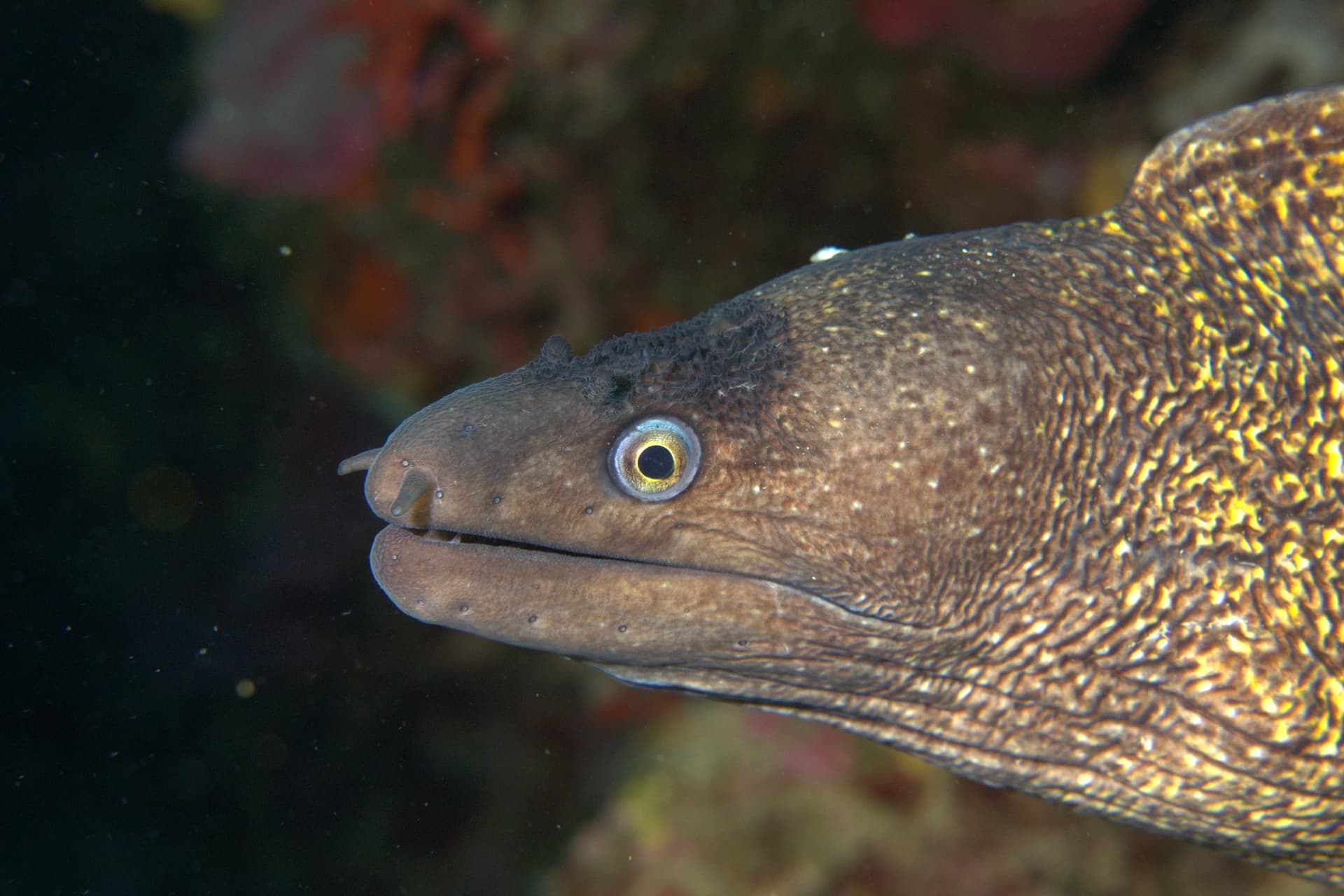
The site is best known for resident seahorse colonies in the posidonia beds, visible year-round with a local guide who knows the exact locations. The rocky formations hold moray eels, octopus, scorpionfish, and high nudibranch diversity. The precoralligenous zone from 17 metres adds invertebrate richness, red and yellow gorgonians in the deeper sections. After dark the site shifts to squid, mosaic rays, European lobster, and coloured shrimp.
Experienced local divers estimate around thirty dives to know the full network. The main options run from a single entry: the classic right route through posidonia and seahorse habitat onto reef at the Freu channel, El Acuario shallow aquarium, the precoralligenous deep zone with its cavern, La Llosa submerged island, and the Perduts perpendicular for advanced divers. Each route has its own character and best season.
No. Discover scuba experiences (bautismos de buceo) start in the shallows around Sa Banyera. Open Water divers cover 0-18 metres, which includes the seahorse habitat. Advanced Open Water opens the precoralligenous zone at 17-30 metres and extensions to 32 metres. The 13-20 metre cavern is a swim-through accessible from Open Water level.
May to October gives warm water and comfortable conditions. September and October are the sweet spot: warm water, improving visibility, smaller crowds. Winter delivers the best clarity of the year, plus seasonal fauna (nudibranchs, monkfish, john dory) for macro specialists prepared to wear a 7 mm semi-dry.
No. Tossa de Mar carries PEIN and Natura 2000 ZEC environmental protection, not marine reserve status. A 2007 proposal to create a fishing reserve around the La Roja and Mar Menuda area was submitted but never enacted, which is the source of confusion in older references. In practice this means no diving permits, no reserve fees, and no diver quotas.
The main entry is Sa Banyera de ses Dones, a sheltered shallow rock pool at the beach's edge. In summer the municipality restricts equipment preparation on the beach between roughly 10:00 and 18:30, with fines possible for gearing up in the street. A dawn entry around 07:30 avoids the crowds entirely and often delivers the best visibility of the day.
Summer surface water runs 24-26 C, but the precoralligenous zone below 20 metres sits under the thermocline at 16-20 C. Divers planning the deep routes need at least a 5 mm wetsuit plus hood even in July and August. Shallow routes above 15 metres stay in the warmer layer and a 5 mm or thinner suit is comfortable.
Log your dives - notes, photos, conditions and the marine life you saw - and share them as one public diver profile. What you share helps the next diver, too.
Log every detail
Depth, duration, conditions, gear, buddy, notes — all in one place. Import from Suunto and other dive computers.
Track marine life
Record species sightings on each dive. Build a personal catalogue of everything you've seen underwater.
Your public dive profile
Share your dive history, stats, and experiences with a profile page you control. Show the world where you've been.