St John Caves

Also known as: St. John's Caves

Daylit cavern labyrinth at Egypt's far-south Red Sea reef cluster, prized by liveaboard photographers for light shafts and coral-roofed swim-throughs at 5-20m.

Last updated May 2026

The dive

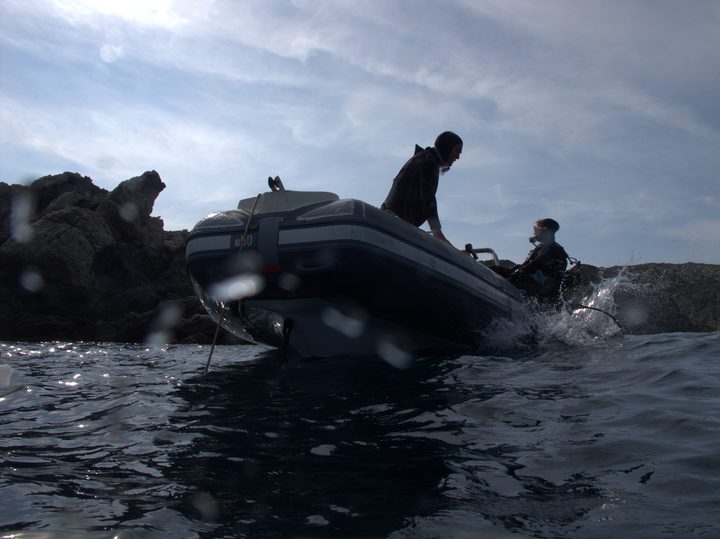
The Zodiac drops you at one of the cavern openings and the route from there reads as a slow loop through light. Sun cuts down through the reef roof in moving shafts, hits soft corals and sponges on the walls, and turns the interior into a series of lit chambers connected by short, coral-roofed passages. The roof is rarely far above the dive line and exits stay in view, which is why guides keep this on the Open Water tier rather than treating it as overhead. Cardinal fish hang in dense shoals under the openings and glassfish drift as one body when divers pass. Between the cavern structures, sandy patches open up where blue-spotted stingrays settle. The reef around the labyrinth carries anthias clouds, butterflyfish and the occasional Napoleon wrasse working the edges. A torch helps in the deeper crevices where ghost pipefish, nudibranchs and small shrimp pull divers into a slower macro pace. Dives normally run an hour, and Nitrox extends that without pushing depth.

What makes it special

Most cave-style sites in the Red Sea sit deeper or demand technical training. This one does not. The whole system falls inside Open Water limits and stays daylit throughout, which is the rare combination that earns it a "photographer's dream" framing in operator material. A single dive captures both formats — wide-angle in the light shafts of the larger chambers, macro on the cardinal-fish, ghost-pipefish and nudibranch life packed into the passages. The site also serves as a counterpoint to the rest of the Deep South: while Habili Ali and the outer pinnacles deliver current and pelagic action, the Caves deliver stillness and detail. Experienced guides commonly schedule it as the afternoon dive after two morning wall dives, when ambient light is at its strongest.

Know before you go

Buoyancy and trim do more work here than depth ever does. The coral-roofed passages reward divers who hover rather than settle, and a careless fin-kick silts the interior fast for everyone behind. Bring a torch for the darker pockets where macro subjects hide. Deploy an SMB before every ascent — multiple liveaboards anchor at the area at peak times. Expect to reach the cluster after an overnight sail of roughly 14 hours from Port Ghalib; itineraries normally allocate two to three days at the St. John's reefs with three to four dives a day, and the cavern is one of several stops. Nitrox is standard on most Deep South vessels and worth using here. A southern Red Sea hyperbaric chamber support fee of around 7 EUR per diver is standard on most boats and is collected through the operator. Late 2024 and 2025 trip reports flag coral bleaching at site level, consistent with the wider southern Red Sea event — the cavern topography and the light remain intact.

Why Dive St John Caves

What makes this dive site stand out.

  1. 1
    Daylit cavern system

    Sun shafts pour through openings in the reef roof and light up coral-encrusted interiors

  2. 2
    Coral-roofed swim-throughs

    Soft corals, sponges, and hard formations cover the cavern walls and ceilings

  3. 3
    Macro and wide-angle in one dive

    Glassfish and cardinal-fish shoals for wide; ghost pipefish, nudibranchs, and shrimp for macro

  4. 4
    Shallow profile, long bottom time

    5-20m core depth supports 60+ minute dives, especially on Nitrox

  5. 5
    Deep South liveaboard only

    Reached by overnight sail from Port Ghalib or Hamata, near the Sudanese border

Depth & Profile

5m
Min depth
20m
Max depth
5–16m
Typical range
CaveReefTunnelRockSandCoral

Location

23.6400°N, 35.9800°E

Conditions

Temperature
22°C30°C
Visibility
20–35m
Current
mild

Difficulty & Certification

ModerateMin cert: OWNitrox recommended

Depth is benign; trim and buoyancy discipline carry the dive. Hard coral and sharp rock line the swim-throughs, and silt-out is the main self-inflicted risk.

Frequently Asked Questions

What certification do I need for St. John's Caves?
Open Water with a guide is the consensus framing. The dive sits at 5-20m and the caverns are daylit with multiple exits, so cave or cavern specialty is not a gatekeeping requirement. Advanced Open Water is recommended for the broader St. John's itinerary because of currents at the wall sites elsewhere in the system.
Why is St. John's Caves so popular with photographers?
The combination is rare. The system sits shallow enough that ambient light reaches most of the interior through openings in the reef roof, so wide-angle shots work without heavy strobe rigs. Coral and sponge cover the walls. Macro subjects — ghost pipefish, nudibranchs, shrimp — concentrate around the same passages. Long bottom times mean photographers can rework the same scene as light shifts.
How do you get to St. John's Caves?
By liveaboard only. Most depart from Port Ghalib near Marsa Alam International airport, with some running from Hamata further south. The southern Red Sea reefs sit roughly 200km from Marsa Alam, an overnight sail of around 14 hours. Common routes include South and St John's, Southern Solitude, and Rocky/Zabargad/St Johns.
When is the best time of year to dive St. John's Caves?
Liveaboards run year-round. Autumn (September-November) is often called the strongest overall window for calm seas and visibility. April-November offers warmer water (28-30C) and 20-30m visibility. Winter diving is still good at 22-24C with a 5mm suit, but November-February winds can disrupt offshore legs of the itinerary.
How does the cavern compare to the wall dives in the St. John's system?
Different formats on the same trip. Habili Ali and the outer pinnacles deliver wall, drift, gorgonians and pelagic chances at depth. The Caves deliver shallow topography, light and macro. Operators commonly run two wall dives in the morning and the cavern in the afternoon, when ambient light is highest.
Is coral bleaching affecting the site?
Reviews from late 2024 and 2025 flag visible bleaching across parts of the southern Red Sea, consistent with the area-wide 2024 bleaching event tied to a September 2024 surface-temperature spike. The cavern topography and light effects are intact regardless, but the surrounding reef shows signs of stress at site level.
How long is a typical dive at St. John's Caves?
Around 60 minutes is normal. The 5-20m profile means Nitrox extends bottom time without depth pressure, and operators often plan for the full hour. The shallow depth is a deliberate part of the photography appeal — divers can rework the same composition as light shifts.

Log your dives

Track every dive with depth, duration, conditions, and marine life sightings. Join a club and share your underwater experiences.

Try DiveLog — it's free