Diving in Alifu Alifu Atoll

Northern half of Ari Atoll: coral pinnacles and tidal channels with grey reef and whitetip sharks, a night dive among fusiliers and a manta cleaning station.

Last updated October 2026

Overview

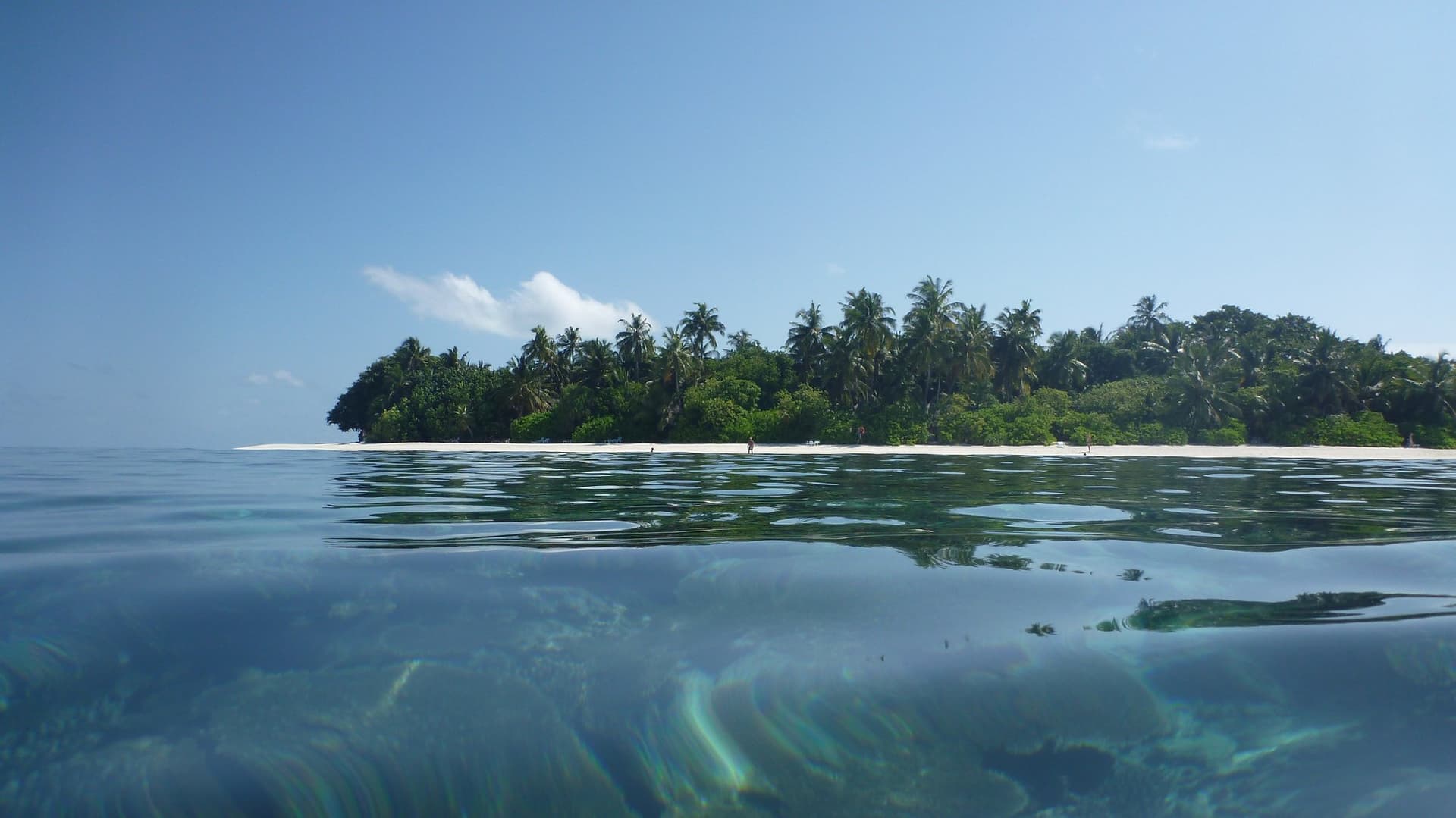
A thila is a small coral pinnacle standing in open water, and North Ari's diving is built from them. Their steep sides plunge to the seafloor and the tide pumps nutrient-rich water past them, so sharks and schooling fish gather on small patches of reef in a lagoon of about 267 square kilometres. Ari is one reef system divided into north and south on paper, so the northern half has no natural border; what defines it is the thila-and-channel style, with current on most of the marquee dives.

Two dives carry the reputation. At Maaya Thila the show starts after sunset: vast numbers of fusiliers arrive on the pinnacle crown to feed and whitetip reef sharks hunt them, in a current that is very changeable, so the crew's call on timing and entry matters. Fish Head, also known as Mushimasmingili Thila, is the grey-reef-shark dive. It is described as a marine protected area about 100 m long, in front of a major channel, and its Dhivehi name is that of the small brown fusilier schooling there. Published depths differ: one account gives the top of the reef at 8 m and a maximum of 42 m, another about 10 m down to 35 m. Moofushi, at Bojahamadi, is a reef-manta cleaning station on a plateau about 14 m deep where five or six mantas are common. When the current runs hard, the Fesdu trawler wreck is the change of pace, and Hafusa Thila is the deep option for divers who want a plan and the concentration to match.

Hammerhead Point, Madivaru Corner and the Rasdhoo Channel dives belong to Rasdhoo Atoll, northeast of Ari, and share itineraries with North Ari. Scalloped hammerheads are reported resident at Madivaru Corner all year, on an early-morning blue-water dive off the outer wall. Back in North Ari, grey reef and whitetip sharks, reef mantas, eagle rays and humphead wrasse are the regular cast, and sharks are protected across all Maldivian waters.

Planning your visit

From Malé it is a 30-minute seaplane flight or about an hour by speedboat; a local ferry takes up to six hours. Divers reach the atoll's sites in three ways. Resort dive shops run boats to the marquee thilas, and the atoll is narrow enough that most resorts reach the best of them; the resort shops at the Rasdhoo end also run trips into North Ari. Some divers stay on local islands such as Himandhoo, Ferudhoo and Rasdhoo and book dives there, and Thoddoo, Ukulhas and Mathiveri are other local-island bases. Liveaboards cover the atoll as part of a wider route.

Current decides who should come. Strong currents on the thilas and in the channels make many North Ari sites suitable only for more advanced divers, and in front of the Fish Head channel the tides can be raging, so a guide may suggest a descent or ascent line. Sheltered walls and reefs and the resorts' own house reefs are the softer option. The Fesdu bow sits right at the recreational depth limit; send a marker buoy up before surfacing at Hafusa. Water stays between 25 and 30 C all year.

December to April is the preferred window, drier with calmer seas. May to November is wetter and rougher, and the changeover between monsoons is the least favourable stretch. Reef mantas are generally reported on the western side of an atoll in the dry months and the eastern side in the wet months, though that pattern is unconfirmed for North Ari's own stations, so ask the operator where they are working that week.

Geology & underwater terrain

Northern half of a lagoon atoll about 267 square kilometres across: flat-topped coral pinnacles (thilas) with steep sides dropping 30 m or more, tidal channels (kandus) and a few small wrecks sunk as artificial reefs.

Photos

Dive sites in Alifu Alifu Atoll

The diving here splits into 2 zones:

Thilas and channels
— Pinnacles and tidal channels swept by current; the shark dives sit here.
Wreck and cleaning station
— A sunk trawler and a manta cleaning station on a shallow plateau, the calmer end of the atoll's menu.

Marine life

Reef manta rayMobula alfrediGrey reef sharkCarcharhinus amblyrhynchosWhitetip reef sharkTriaenodon obesusSpotted eagle rayAetobatus ocellatusHumphead wrasseCheilinus undulatus

Dive Centers

View all

Book online or contact a centre that dives this area.

Visiting liveaboards

Safari boats based elsewhere that run itineraries to these dive sites.

Carpe Diem logo

Carpe Diem

35-metre, 20-guest liveaboard - the original hull of Carpe Diem Cruises Maldives, refitted in 2022, running the fleet's shared catalogue from central manta and reef weeks to the Baa Hanifaru snorkel season and seasonal southern shark charters, out of Male.

Liveaboard20 guestsMale
Carpe Novo logo

Carpe Novo

43-metre flagship of the Carpe Diem Cruises Maldives fleet - 12 cabins and 22 guests across three decks, with a dedicated camera room - running the shared Maldives catalogue from Male, from central Best-of and Ari weeks to the Baa Hanifaru snorkel season and seasonal southern shark charters.

Liveaboard22 guestsMale
Carpe Vita logo

Carpe Vita

38-metre, 20-guest sister in the Carpe Diem Cruises Maldives fleet, with a jacuzzi and a broad 10-metre beam, running the same shared catalogue - central Best-of and Ari weeks, the Baa Hanifaru snorkel season, and seasonal southern shark charters - from Male.

Liveaboard20 guestsMale
Duke of York logo

Duke of York

36m, 11-cabin, 22-guest wooden liveaboard (2010) running Luxury Yacht Maldives' full atoll catalogue - North to Lhaviyani, Baa & Hanifaru, central Best-5 to Laamu, and northeast-season Extreme South weeks - with free nitrox and rebreather support.

Liveaboard22 guestsMale
Emperor Leo logo

Emperor Leo

A comfortable 35-metre wooden liveaboard for up to 24 divers in 12 cabins, with a main-deck jacuzzi and bar, running Emperor's shared Maldives catalog from Male.

Liveaboard24 guestsMale
Emperor Serenity logo

Emperor Serenity

Emperor's 40-metre Maldives flagship, a 13-cabin, 26-guest fiberglass liveaboard running the year-round Best of Maldives week from Male plus the fleet's seasonal shark, northern-manta and Deep South charters.

Liveaboard26 guestsMale
Emperor Virgo logo

Emperor Virgo

The fleet's most intimate hull: a 35-metre wooden liveaboard for up to 18 divers in 9 cabins, with ocean-view upper-deck cabins, running Emperor's shared Maldives catalog from Male.

Liveaboard18 guestsMale
Emperor Voyager logo

Emperor Voyager

Emperor's value-focused 30-metre wooden liveaboard, 10 cabins for up to 20 divers, built around the diving and running the fleet's shared Maldives catalog from Male.

Liveaboard20 guestsMale

When to dive

Best season
December to April
Water temperature
25 to 30 C, diveable year-round

Many divers prefer December to April for drier weather and calmer seas. May to November is wetter and rougher, and the changeover between monsoons is the least favourable stretch.

Safety considerations

What can go wrong here, and what divers do about it. Conditions change - take the briefing from the operator on the day.

  • Current: Strong, changeable current on the thilas and in the channels. In front of the Fish Head channel the tide can be raging, and the current at Maaya Thila is very changeable.Follow the guide's site choice and use the descent or ascent line when one is offered.
  • Depth: Hafusa Thila is a deep site with a sandy base at 30-35 m, and the Fesdu bow lies at 30 m, the standard recreational limit.Plan the profile before entering the water and use a marker buoy before surfacing.
  • Surface and boat traffic: Headline manta sites draw many divers at once; around 40 divers on one Bojahamadi visit took the magic out of the dive.Ask how many divers share the site and favour smaller groups or quieter departures.

Rules and permits

National rules also apply: Rules and permits in Maldives

Frequently Asked Questions

How deep is Fish Head, and does it fit the recreational limit?▾

Published accounts disagree on the depth, and both put the base below the standard recreational limit. Plan the dive within that limit and let the guide set the profile on the day.

Which part of Ari is Fish Head in?▾

Liveaboard itineraries and divers' logs place Fish Head, also called Mushimasmingili Thila, in North Ari. One trip log calls the area East Ari, but that is not an administrative unit.

Is Alifu Alifu Atoll the same as North Ari?▾

Yes. Alifu Alifu (also written Alif Alif) is the Dhivehi administrative name for the northern half of Ari. Some operators market a wider North Ari region that takes in Thoddoo and Rasdhoo Atoll, and one forum poster places Rasdhoo inside it, but dive literature treats Rasdhoo's reefs as a separate atoll.

Can you see whale sharks in North Ari?▾

Occasionally, and with low reliability. Operators mention the odd whale shark, and one guide places possible sightings at Broken Rock in May and November. Treat any sighting as a bonus on a thila-and-channel trip.

Does Bojahamadi get crowded?▾

It can. Five or six mantas are common there, and one diver's second visit, shared with about 40 divers, lost the feel of the first. A smaller group on a quieter departure keeps more of the encounter.

Can I reach Fish Head from a local island?▾

A local-island base gets a boat to the nearer sites, and Fish Head is easier from a liveaboard than after a long transfer. Ask the dive shop which sites it runs from your island before you book.

Also known as: Alif Alif Atoll, Alifu Alifu Atoll, Ari Atoll (North), North Ari

DIVECODEX LOG

Every dive has a story. Share yours.

Log your dives - notes, photos, conditions and the marine life you saw - and share them as one public diver profile. What you share helps the next diver, too.

Log every detail

Depth, duration, conditions, gear, buddy, notes — all in one place. Import from Suunto and other dive computers.

Track marine life

Record species sightings on each dive. Build a personal catalogue of everything you've seen underwater.

Your public dive profile

Share your dive history, stats, and experiences with a profile page you control. Show the world where you've been.

Create your free dive log