
Diving in Alifu Dhaalu Atoll

The Maldives' whale shark atoll: a protected southern reef with near-daily year-round sightings, manta stations, a classic wreck and current thilas.

Last updated June 2026

Alifu Dhaalu Atoll
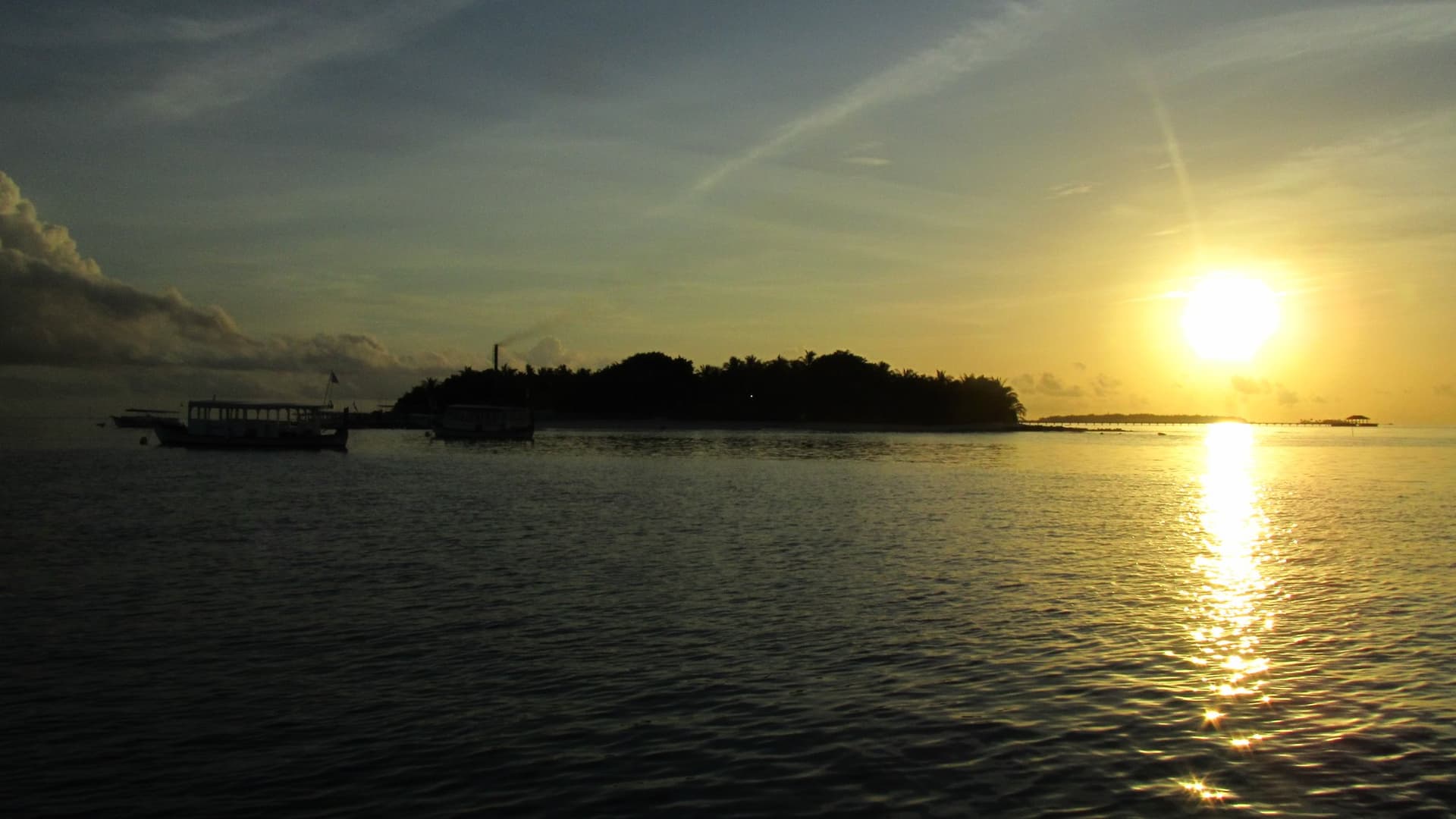
'DD' (Flickr), CC BY-SA 2.0, via Wikimedia Commons

Overview

South Ari is the Maldives' whale shark atoll. Along its protected southern rim, from Rangali to Dhigurah, plankton-feeding whale sharks turn up almost every day of the year, which is what sets this corner of the country apart from atolls where the big animals are a seasonal event. The same protected water draws reef mantas to cleaning stations at Madivaru, and the reef fish are noticeably unbothered by divers. Below the megafauna headline, the atoll has a split character. One side is easy and photogenic: shallow whale shark reefs, gentle house reefs, and the upright Machchafushi wreck, a 1998 cargo ship now grown over with coral and full of macro life. The other side is current country, where pinnacles like Kudarah Thila and Broken Rock sit in tidal channels and reward divers who can hook in and hold position while grey reef sharks and eagle rays cruise the blue. A piece of genuine local knowledge ties it together: the whale sharks track their food, so they favour the western reef in the dry northeast monsoon and shift east toward Dhigurah in the wet southwest monsoon. Knowing which side to dive in which season is the difference between a sighting and a long boat ride.

Planning your visit

Conditions are at their best in the dry season, roughly December to April, when the sea settles, visibility often pushes past 30 metres, and whale sharks hold to the western reef. The wet season, May to November, swaps clarity for plankton that boosts filter-feeder activity, and the sites are quieter. Where you base matters as much as when you go. Seventeen resort islands run in-house dive centres, while guesthouse operators on Dhigurah, Dhangethi and Maamigili offer the same reefs at local-island prices, and central-atoll liveaboards call here too; most sites are reachable from any base. Match your sites to your experience. The whale shark dives are shallow and open to beginners and junior divers, but the channel thilas favour an Advanced certification, confident buoyancy and a reef hook, since current and negative entries are the norm. Recreational diving stays within the national 30 metre limit. Around the protected animals, keep your distance and never touch, and let your guide set the line so the encounter stays calm.

Top Dives

The must-do dives in this area, picked by our editors.

  1. 1

    South Ari's signature wreck dive and macro-photography site

  2. 2

    South Ari's two-mood thila: a soft-coral garden in slack water, a hook-in shark dive in current

  3. 3

    South Ari's signature canyon swim-through dive for advanced divers

  4. 4

    South Ari's shallow manta cleaning station for relaxed, long encounters

Dive sites map

Diamonds mark nearby dive areas — tap to explore.

Dive sites in Alifu Dhaalu Atoll

Dive centres in Alifu Dhaalu Atoll

View all

Book online or contact a centre that dives this area.

Euro-Divers Vilamendhoo

Euro-Divers' 5-star PADI centre at Vilamendhoo Island Resort & Spa in South Ari Atoll, built around a 900m house reef with 10 entry points and full-day access to year-round whale sharks and seasonal manta cleaning stations.

Resort dive centrePADI5 services3 languages

FathuDives logo

FathuDives

Dhangethi-based dive operator, established 2021, running South Ari Atoll boat dives sold as bundled guesthouse-stay-and-dive packages.

2 services1 languages
Island Divers Dhigurah logo

Island Divers Dhigurah

PADI dive operator on Dhigurah, South Ari Atoll, running boat dives to 40+ sites within an hour, including the manta cleaning station at Rangali Madivaru.

PADI5 services3 languages

Oceanholic Divers logo

Oceanholic Divers

PADI-registered dive school on Dhigurah, South Ari Atoll, running boat dives to a 44-entry site catalogue with a whale shark and manta focus.

PADI3 services1 languages
Prodivers Lily Beach logo

Prodivers Lily Beach

Prodivers' PADI centre at Lily Beach Resort & Spa on Huvahendhoo, the group's only South Ari Atoll base, positioned for year-round whale-shark search trips and seasonal manta encounters among the atoll's headline sites.

Resort dive centrePADI5 services9 languages
Shamar Dive Center logo

Shamar Dive Center

The sole dive base on Maamigili, South Ari Atoll, a PADI 5-Star guesthouse-and-dive operation marketed on year-round whale shark and manta channel access.

PADI3 services1 languages
South Ari Dive Center logo

South Ari Dive Center

PADI 5-Star dive centre on Dhangethi, South Ari Atoll, running boat dives from its own 50ft dhoni to the atoll's whale shark and manta channel since 2016.

PADI1 services1 languages
Add your dive center
DDIVECODEXFOR CENTERS

Add your dive center

Get in touch to add or claim your dive center listing on DiveCodex.

Contact us
FreeReach divers

Photos

Frequently Asked Questions

Can you see whale sharks in South Ari Atoll all year, or only in one season?
All year. The protected southern reef from Rangali to Dhigurah is the one stretch of Maldivian reef where whale sharks turn up on a near-daily basis across the twelve months, rather than in a single season. What changes is where: in the dry northeast monsoon, roughly December to April, the animals favour the western side of the atoll, and in the wet southwest monsoon, May to November, they shift east toward Dhigurah. Larger gatherings tend to build from December to March.
What is the best month to dive South Ari for whale sharks versus mantas?
For both at their easiest, aim for the dry northeast monsoon, December to April. That window gives the calmest seas, the clearest water and reliable whale sharks on the western reef, and it is also the stronger period for reef mantas at the Madivaru cleaning station. The wet season still delivers both, with more plankton and fewer divers, but visibility drops.
Do you need a permit or pay a fee to dive the South Ari Marine Protected Area?
No. There is no national diving permit in the Maldives and no diver-specific entry fee for the protected area, though resorts charge their own boat-dive fees. What does apply is a code of conduct around the protected animals: do not touch whale sharks or mantas, keep your distance, and follow your guide's positioning so the encounter stays calm. Rangers patrol the area and a core no-take zone bans fishing.
Is South Ari good for beginner divers, or is it all strong currents?
It works for both. The whale shark experience along the southern reef is usually a shallow dive or snorkel in the 6 to 25 metre range, accessible to entry-level and junior divers, and several reef and house-reef sites are gentle. The reputation for challenge comes from the channel and pinnacle dives like Kudarah Thila and Broken Rock, where current is strong and a reef hook is standard. A mixed group can split sites by experience.
Which is better for diving, North Ari or South Ari Atoll?
They share the greater Ari Atoll but dive differently. South Ari is the whale shark and manta atoll, with shallower, easier sites overall and one of the country's best wrecks, so it suits a broad range of divers and liveaboard schedules. North Ari leans into current-fed thila and channel shark dives, including the famous Maaya Thila night dive, and feels more advanced. Many central-atoll itineraries cover both.
Can you dive South Ari from a local island, or do you need a resort or liveaboard?
You can dive it from a local island. Alongside the seventeen resort dive bases, guesthouse-affiliated dive centres on Dhigurah, Dhangethi and Maamigili run the same protected reefs at a lower price point. Liveaboards on central-atoll routes also call here. Because most sites are reachable from any base, the real choice is budget tier and whether you want resort comfort or a local-island stay.
Where is the Machchafushi wreck and what condition is it in?
It sits at the foot of the Machchafushi island house reef, in South Ari. The roughly 50 metre cargo ship, also called the Kudhimaa, was deliberately sunk as an artificial reef in 1998 and stands upright and largely intact, with its propeller, wheelhouse and crane in place. It is now carpeted in coral and is one of the atoll's best macro dives, with lionfish, stonefish, frogfish, ghost pipefish and morays.
Do you need a reef hook to dive South Ari's thilas and channels?
For the current sites, yes, treat a reef hook as standard kit. On dives like Kudarah Thila and Broken Rock the current can run hard, and divers tether at a corner to watch sharks hold in the flow rather than fight the drift. Negative entries are common on these dives too. The whale shark reefs and house reefs are far gentler and do not need one.
How do you get to South Ari Atoll from Male?
There are two main routes. A seaplane transfer of around twenty minutes plus a speedboat reaches most resorts, with daytime departures and a night option. For local-island diving, a domestic flight to Maamigili Airport on the atoll's southern island, or a speedboat to Dhigurah, gets you to the guesthouse-diving hubs. The atoll lies about 100 kilometres south-west of the capital.
DDIVECODEXLOG

Every dive has a story. Share yours.

Log your dives - notes, photos, conditions and the marine life you saw - and share them as one public diver profile. What you share helps the next diver, too.

Log every detail

Depth, duration, conditions, gear, buddy, notes — all in one place. Import from Suunto and other dive computers.

Track marine life

Record species sightings on each dive. Build a personal catalogue of everything you've seen underwater.

Your public dive profile

Share your dive history, stats, and experiences with a profile page you control. Show the world where you've been.

Create your free dive log