
Anemone Diving Center
PADI, SSI, and CMAS center at Port Marina Palamós with year-round boat dives, small groups, and full MARES equipment. SSI Instructor Training Center.
PADI / SSI / CMAS5 services5 languages
Also known as: Cala Magarida, Cala Margarita
Historic quarantine cove near Palamós port with shore entry — nudibranchs, octopus, and lobsters hide among rocks and mini-canyons from 8 to 25 m.
Last updated April 2026
Walk past the old fishermen's beach shacks lining the cove, gear up at the ramp, and enter over pebbles into water that drops gradually along a vegetated rocky coastline. The terrain is a maze of small rocks and mini-canyons where shy creatures concentrate — nudibranchs on every other surface, octopus tucked into crevices, scorpionfish trusting their camouflage against the stone. The route between the Cala Margarida islet and Morro del Vedell beach crosses varied ground: rock gives way to small posidonia patches where pen shells stand upright in the seagrass, and sandy corridors reveal buried rays if you look carefully. At 12-15 metres, the canyon walls close in slightly and the life intensifies — lobsters in the deeper cracks, moray eels watching from holes, cuttlefish hovering in mid-water.
Cala Margarida is the only shore dive in Palamós, and that changes everything about how the dive feels. There is no boat schedule, no surface interval at a port, no kit shuffle on a rolling deck. You walk to the water from a cove that has served Palamós since the Middle Ages, when it was a quarantine station for arriving travelers. The fishermen's shacks still stand. Underwater, what the site lacks in depth or drama it compensates with density — the shallow, sheltered rocks concentrate macro life in a way that deeper, current-swept sites cannot. Divers who have spent a morning photographing nudibranchs here describe it as one of the surprises of the Costa Brava.
The cove is in a residential area — keep noise and group sizes small. Parking is limited, so arrive early or arrange transport through your dive center. A first dive with a local guide is recommended, as the entry and best routes are not immediately obvious from the surface. DPV scooter dives along the north side of the cove are available through local operators for those wanting to extend the range beyond the main site.
41.8486°N, 3.1408°E
Area-level data. Sheltered position makes it diveable in conditions that close other sites.
36 EUR per single shore trip, 72 EUR double trip. Verify current rates with dive center.
Ideal for discover scuba baptisms and Open Water divers. Deeper areas to 25 m available for more experienced divers.
Sheltered cove, shallow average depth, minimal currents. The most beginner-friendly site in the Palamós portfolio.
Book a guided dive at this site.
PADI, SSI, and CMAS center at Port Marina Palamós with year-round boat dives, small groups, and full MARES equipment. SSI Instructor Training Center.

SSI center at Port Marina Palamós, open every day of the year, with the 30-pax MANSABA boat covering Boreas, Ullastres, and Illes Formigues.
SSI and PADI center inside Port Marina Palamós, twenty-plus years operating, with a published price list and a 4.8/237 Google rating under owner Jordi.
Get in touch to add or claim your dive center listing on DiveCodex.
Upcoming trips to this dive site published by local centres.
Availability is read from each centre's public calendar and refreshed daily. Last checked September 21. Confirm with the centre before travelling.
No permits, no fees.
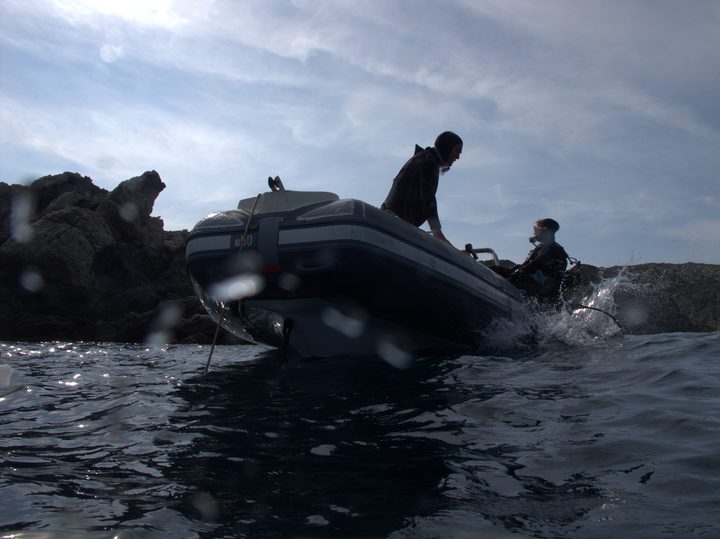
Yes — it is the only dedicated shore dive in Palamós. Enter via the old ramp past the fishermen's beach shacks, with pebbles on both sides. Some dive centers also run boat trips to the site, but the shore entry is the primary access.
It is the most beginner-friendly site in the Palamós area. Shallow depths (average 12-15 m), negligible currents, and a sheltered cove make it ideal for discover scuba baptisms and newly certified Open Water divers.
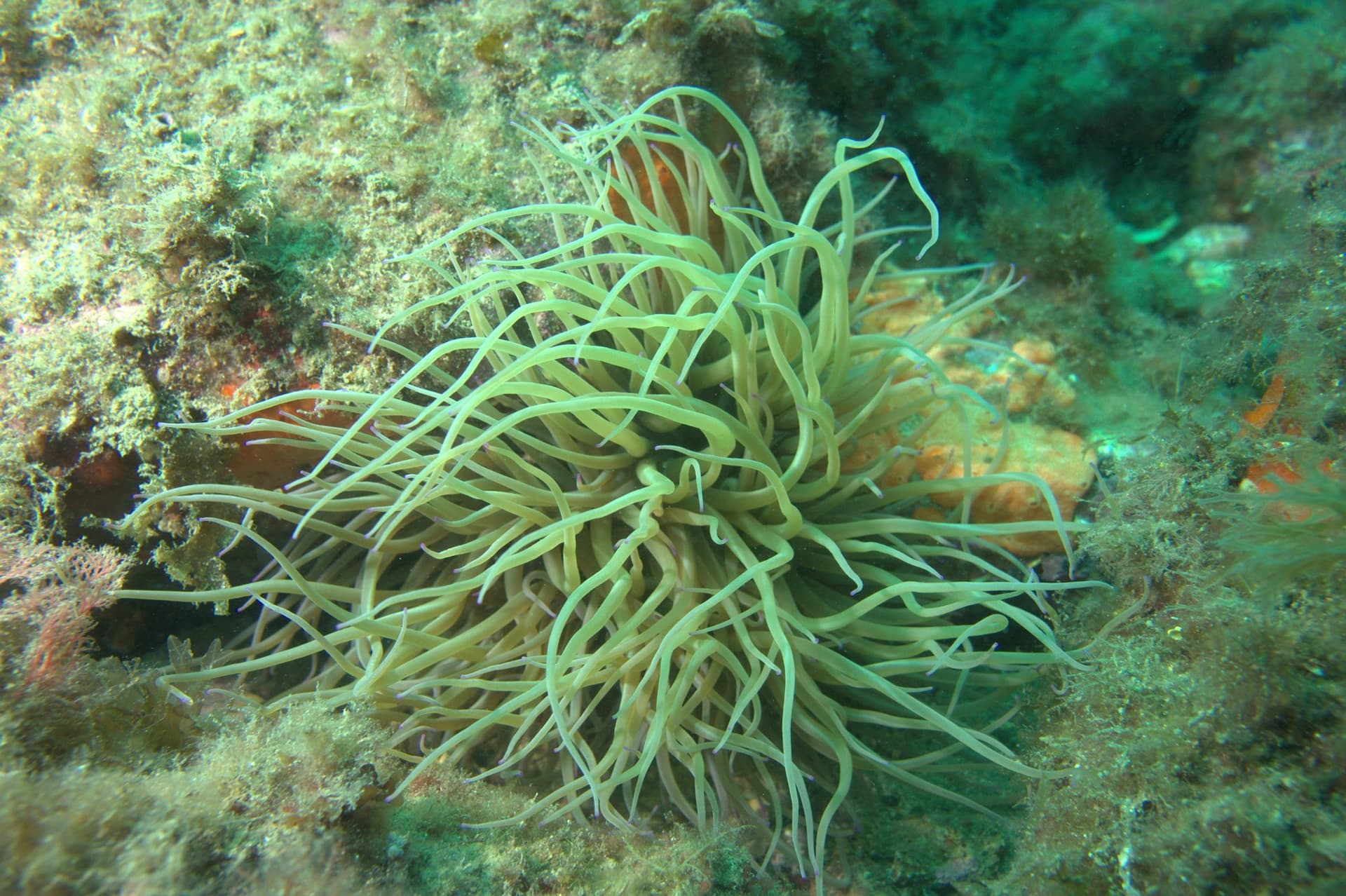
The rocky terrain and mini-canyons shelter nudibranchs (including large Doris up to 12 cm), octopus, spiny lobsters, scorpionfish, cuttlefish, and moray eels. Small posidonia patches host pen shells (Pinna nobilis). Rays occasionally hide in the sandy areas.
In the Middle Ages, the cove served as a quarantine station — authorities housed arriving travelers here to prevent epidemics spreading to Palamós town. The traditional fishermen's beach shacks (casetes de pescadors) still line the cove.
Possible archaeological remains have been mentioned at around 25 m depth, though this is unconfirmed. The deeper areas of the cove have not been systematically surveyed.
Excellent for macro photography. Nudibranchs, flatworms, tube worms, and anemones provide abundant small subjects in calm, shallow water with good natural light — ideal conditions for close-up work.
Log your dives - notes, photos, conditions and the marine life you saw - and share them as one public diver profile. What you share helps the next diver, too.
Log every detail
Depth, duration, conditions, gear, buddy, notes — all in one place. Import from Suunto and other dive computers.
Track marine life
Record species sightings on each dive. Build a personal catalogue of everything you've seen underwater.
Your public dive profile
Share your dive history, stats, and experiences with a profile page you control. Show the world where you've been.