

Tritón Diving Llafranc
Family-owned dive center in Llafranc since 1979, with 4.9/5 on 717 Google reviews, covering 11 sites across two Costa Brava dive areas.
SSI5 services5 languages
Central Costa Brava hub where a tug wreck, gorgonian pinnacles and a 16-islet archipelago sit a short boat run from one port, with no reserve permit.
Last updated October 2026
Palamós works as a boat-dive base: a wreck about five minutes from the marina, gorgonian pinnacles some 20 minutes north-east, and an archipelago 4.8 km offshore. The wreck is the Boreas, a 40 m former German-navy tug that was seized in a drug case and sunk off Palamós to make a dive site. Entry is around 22 m at the bow and the propeller lies at about 32 m. The hold, engine room, kitchen and a captain's cabin with a bathtub are what draw divers inside, and that is wreck-training territory.
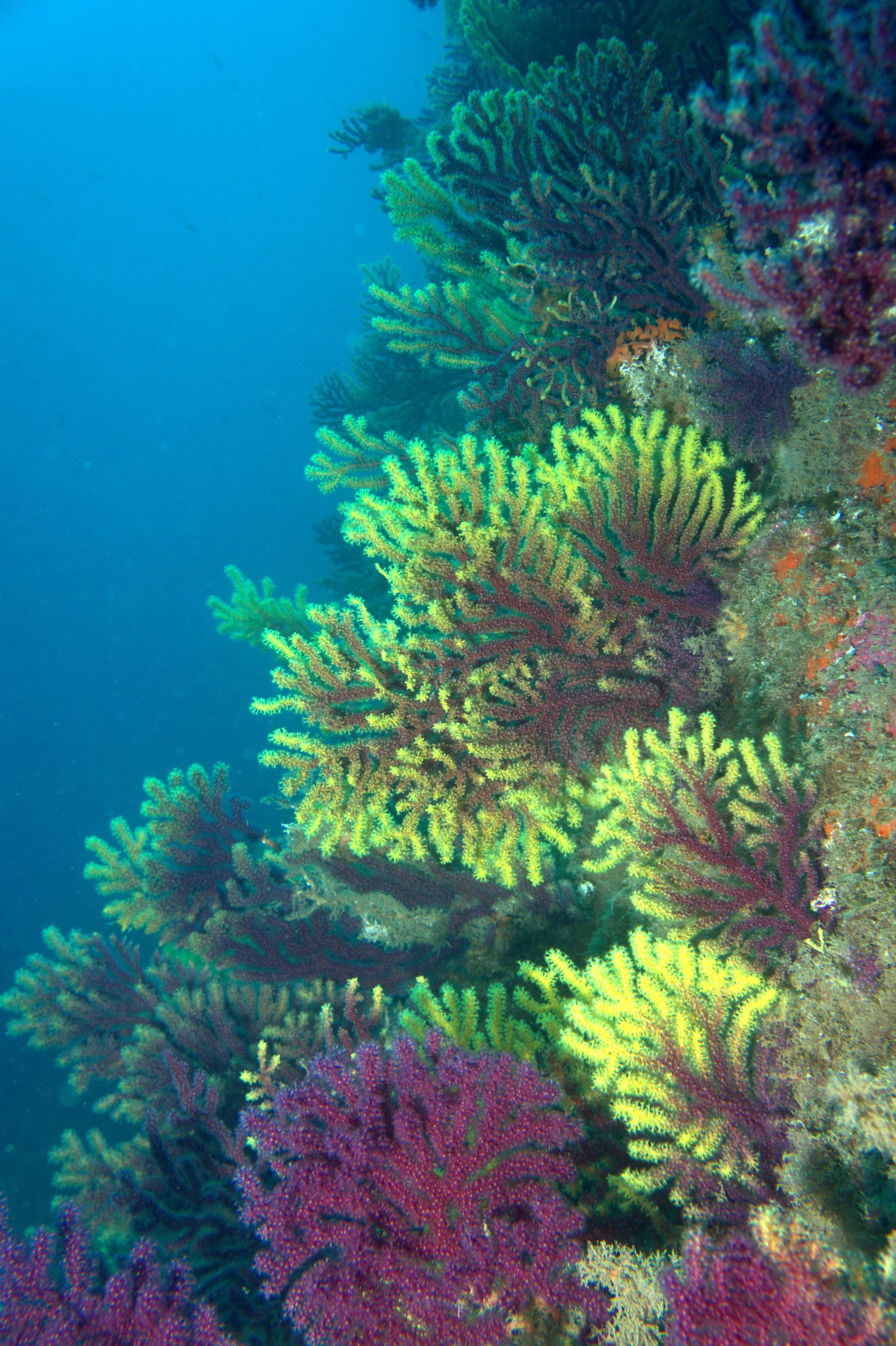
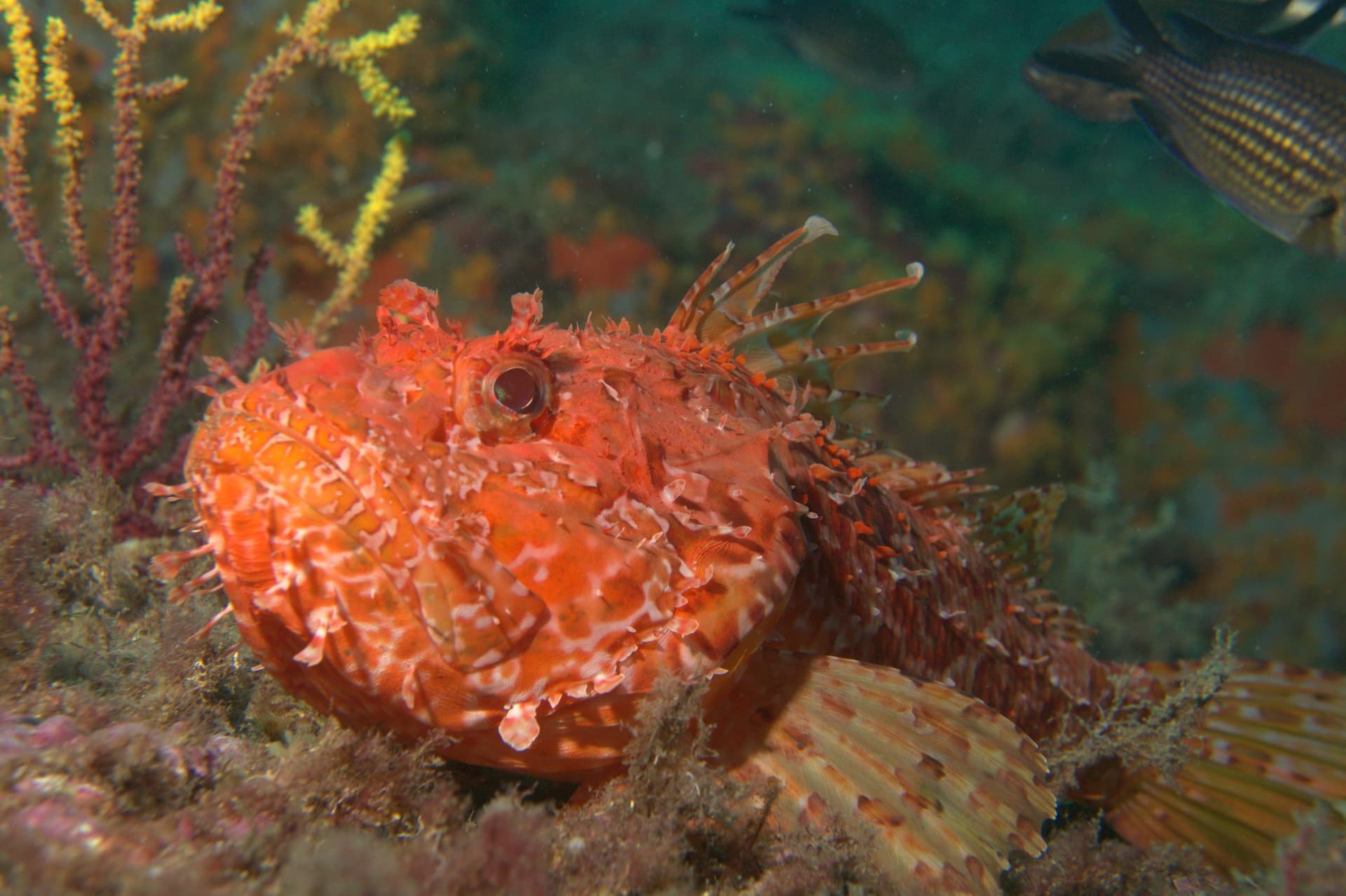
The Ullastres give the area its wall diving. Three pinnacles rise off Llafranc, and the deepest, Ullastres III, has walls full of gorgonians. Barracuda, dentex and bream circle the rock, sunfish and John Dory come through in season, and nudibranchs and octopus work the crevices. The Illes Formigues, 16 islets with canyons, coral rock and more gorgonian walls, hold groupers, seahorses and octopus. A fishing-ban nature reserve there was planned for 2009 and halted for budget reasons, and no reserve has been established.
Diving here needs no permit and carries no daily quota, and centres' price lists show no reserve fee. Palamós Dive Center, Gidive and H2O Diving Center work from Port Esportiu Marina Palamós. Gidive's team speaks Spanish, Catalan, English and French, and H2O is open every day of the year. Anemone Diving Center is under 100 m from La Fosca beach, not at the marina, and runs beach and boat dives. Fosca Divers is reported permanently closed.
Centres run all year. Surface water averages about 13 C in February and 23 C in August, and it is colder below the summer thermocline, so choose your exposure suit for the deeper figure. The Ullastres and the Formigues are shared with centres from other ports, so expect to meet their boats. Choose by level: Espigó and the Morro del Vedell cove for training, the Formigues and Llosa de Palamós to begin boat diving, the Boreas once you are advanced, and La Roca del Món only at advanced level. A single boat dive with cylinder and weights lists at 41 to 42 EUR in 2026, and Palamós Dive Center adds 8 EUR for nitrox.
Submerged pinnacles (the Ullastres, Roca del Món), canyons at the Formigues and Tamariu, a shallow promontory at Llosa de Palamós and posidonia meadows between the hard structures.
The diving here splits into 3 zones:
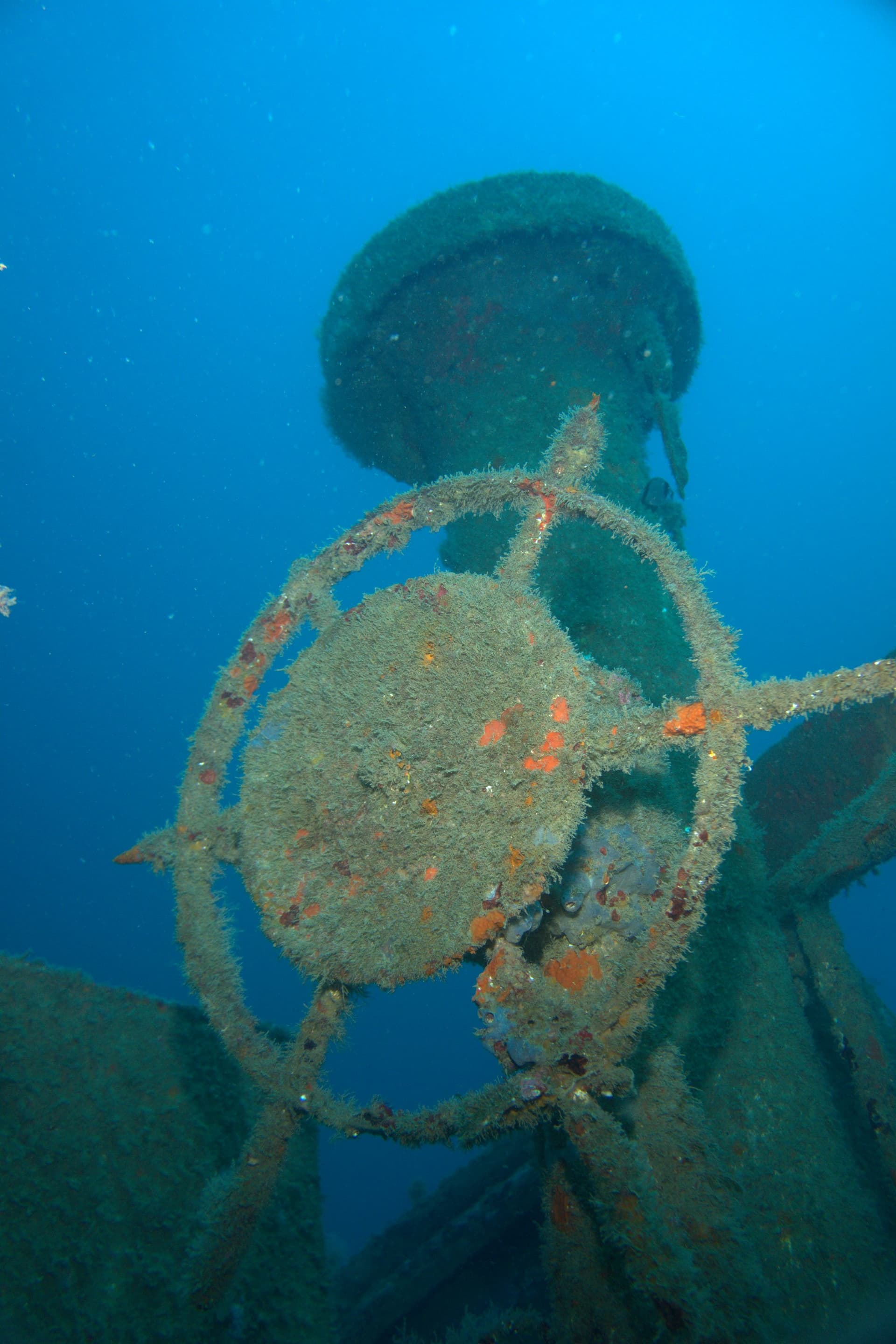
Recently certified Advanced divers running their first wreck or first 30 m dive on the Costa Brava
All-level divers wanting Palamós' shortest boat ride and a multilevel route from training shallows to a small wreck
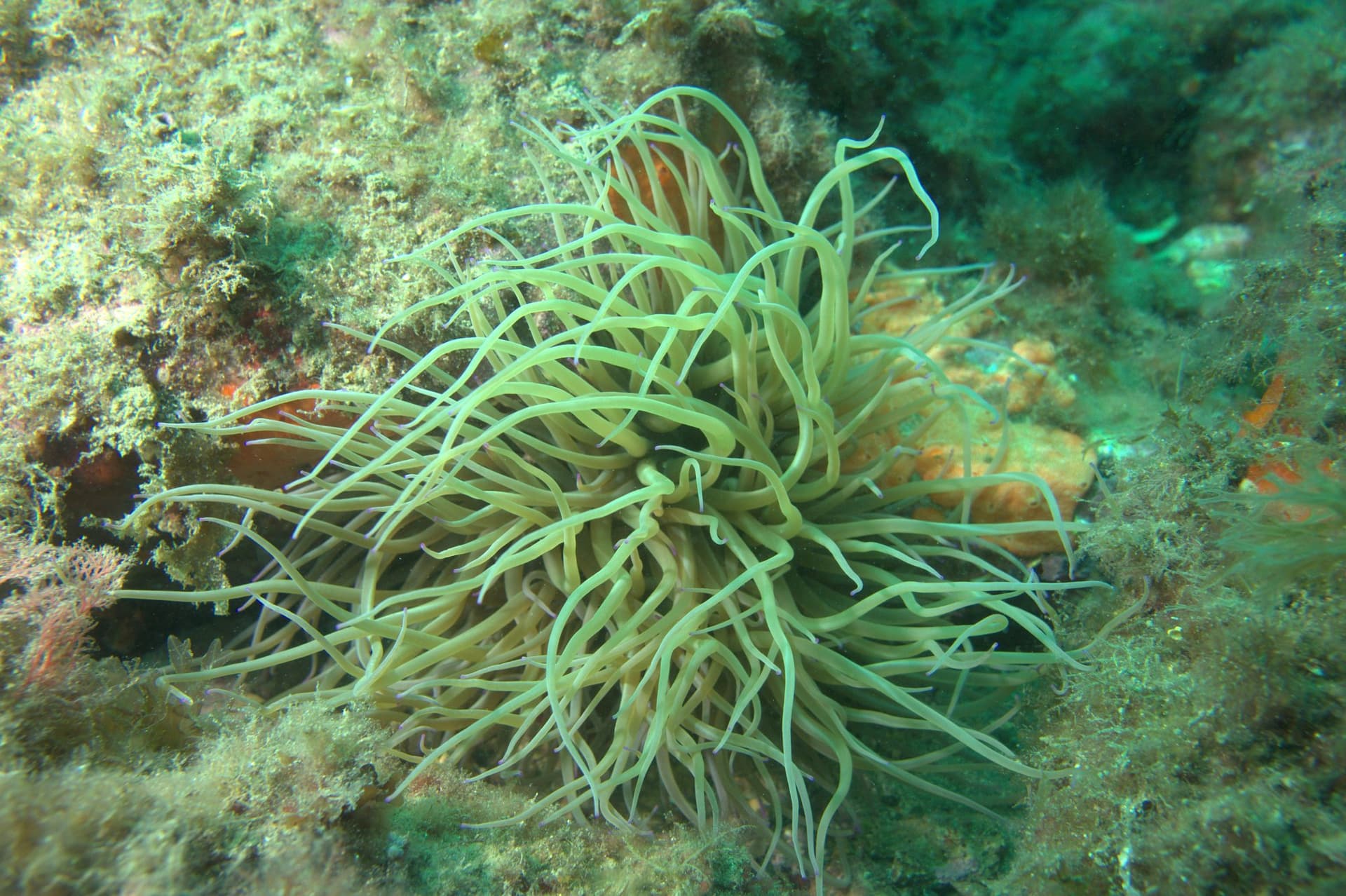
Unhurried macro dive among small canyons, by boat or from the old ramp
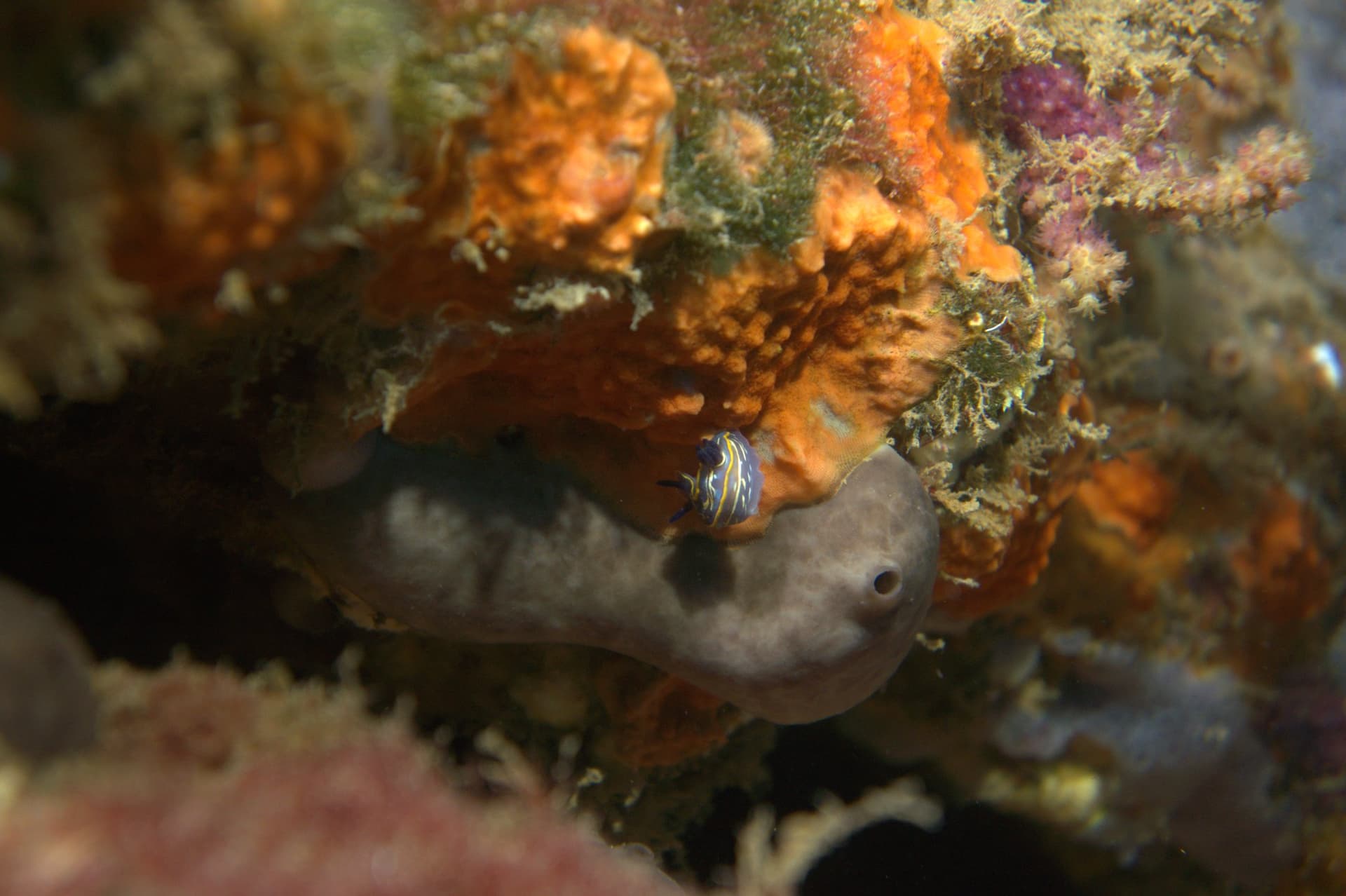
Mixed-certification groups wanting one pinnacle that lets OW divers stay shallow on the south slope while AOW divers work the east-and-north gorgonian face
AOW and deeper-experience divers who want the densest gorgonian wall of the Ullastres trio with depth and open-sea exposure
Newer Open Water divers and macro photographers wanting a sheltered offshore pinnacle with patient crevice exploration
Multilevel divers who want barracuda encounters at the top and gorgonian walls at the bottom in a single dive
Gorgonian wall and holed coralligenous slope on one circuit of a deep rock
AOW divers running the Llosa multilevel and wanting a small second wreck after Boreas
Advanced divers chasing gorgonian walls and open-water fish schools on a serious depth profile with an optional eco-guided route for all certification levels
Macro photographers and beginners seeking nudibranch diversity and seahorse encounters in a calm, shallow shore dive
Book online or contact a centre that dives this area.
Family-owned dive center in Llafranc since 1979, with 4.9/5 on 717 Google reviews, covering 11 sites across two Costa Brava dive areas.
PADI, SSI, and CMAS center at Port Marina Palamós with year-round boat dives, small groups, and full MARES equipment. SSI Instructor Training Center.

SSI dive school in Sant Antoni de Calonge on the Costa Brava, built around small-group try dives, Open Water, and specialty courses.

Small SSI center on the Cala Gogo beachfront near Sant Antoni de Calonge, capping discover dives at two and courses at four, with the boat from Palamos.

PADI 5-Star IDC Center at Port Marina Palamós with technical, recreational, and freediving programs and daily boat trips to Ullastres and the Boreas wreck.

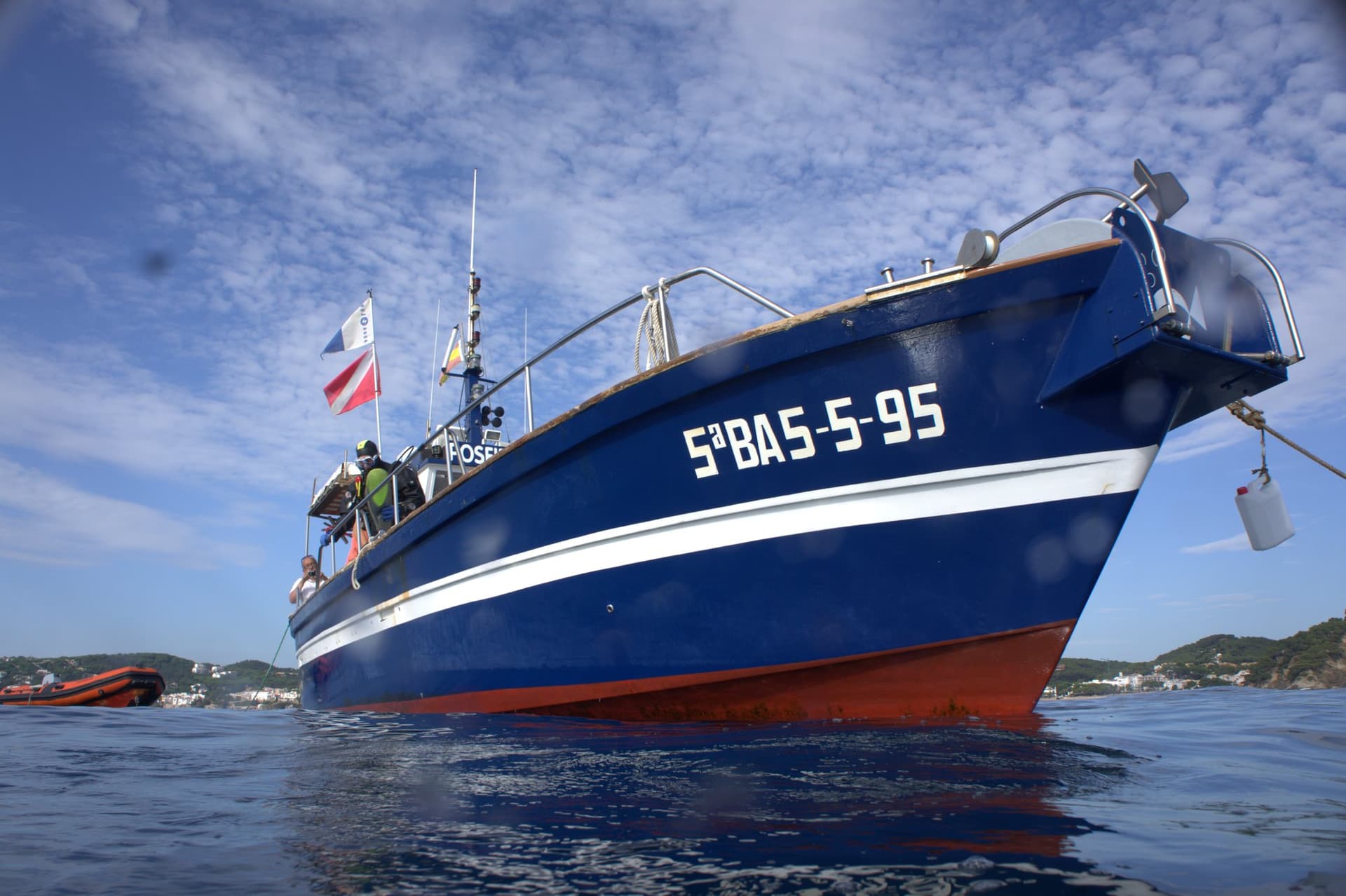
SSI center at Port Marina Palamós, open every day of the year, with the 30-pax MANSABA boat covering Boreas, Ullastres, and Illes Formigues.
Dive center at Port Marina Palamós, 20+ years running, with a full published price list and DPV rental under owner Jordi.
Get in touch to add or claim your dive center listing on DiveCodex.
Upcoming trips published by dive centres in this area.
Availability is read from each centre's public calendar and refreshed daily. Last checked October 16. Confirm with the centre before travelling.
Centres run all year. Surface readings overstate what you dive in: below the summer thermocline the water is colder, so plan exposure on the deeper figure.
What can go wrong here, and what divers do about it. Conditions change - take the briefing from the operator on the day.
Decree on dive centresGeneralitat page for dive centresChecked: Oct 2026
National rules also apply: Rules and permits in Spain
The operator that runs it rates the Boreas advanced. The bow entry sits around 22 m and the propeller at about 32 m, and one diver's account describes a direct descent down a line to that depth and advises against it for inexperienced divers. The interior, with the hold, engine room, kitchen and captain's cabin, is a job for divers with wreck training. A newly qualified diver is better placed at the Formigues or Llosa first.
Divers' accounts and the operator agree on the outline: a Second World War German-navy tug, later seized in a drug-trafficking case and sunk off Palamós as a dive site. Only the operator gives a year, 1989, and the earlier name Pellworm, so treat both as that one voice.
No. A fishing-ban nature reserve around the islands was planned for 2009 and halted for budget reasons, and no reserve has been established there. The islands are dived under the centre's own briefing and no special regime.
Palamós Dive Center, Gidive and H2O Diving Center work from the marina quay, where Palamós Dive Center includes three free hours of parking with boat dives. Anemone Diving Center is based under 100 m from La Fosca beach, away from the marina, and offers beach and boat dives. Fosca Divers is reported permanently closed.
Both appear. In a town-hall consultation on 24 November 2025 about 54 percent of roughly 1,650 voters chose to add Sant Joan to the municipal name, and press now uses Palamós i Sant Joan. Dive centres and sites keep the name Palamós.
Espigó de Palamós is a training dive with a maximum of 18 m, and the Morro del Vedell cove is used for training. The operator rates the Illes Formigues, with depths of 4 to 30 m, as suitable for all levels, and Llosa de Palamós as basic.
Organised night dives on the Boreas ran from Palamós in May 2010. Palamós Dive Center lists a 9 EUR night-dive supplement, so ask the centre whether a night dive is scheduled for your dates.
Also known as: Palamos, Palamós i Sant Joan
Log your dives - notes, photos, conditions and the marine life you saw - and share them as one public diver profile. What you share helps the next diver, too.
Log every detail
Depth, duration, conditions, gear, buddy, notes — all in one place. Import from Suunto and other dive computers.
Track marine life
Record species sightings on each dive. Build a personal catalogue of everything you've seen underwater.
Your public dive profile
Share your dive history, stats, and experiences with a profile page you control. Show the world where you've been.