Diving in Lhaviyani Atoll

A northern Maldives atoll where a shark-charged channel drift, twin cargo wrecks, and a scuba-divable manta cleaning station sit close together.

Last updated June 2026

Overview

Three dives carry a Lhaviyani trip, and they pull in different directions. The first is Kuredu Express, the channel drift off the eastern tip of Kuredu that holds the atoll's largest grey reef shark population. You drop fast to a reef corner around 20 to 30 metres, tuck out of the current, and watch sharks patrol the flow before the drift carries you along an outer wall and into sheltered bays. The second is Fushifaru Kandu, a protected channel where you scuba the manta cleaning station rather than snorkel it. Divers settle low by the thila and watch reef mantas hover overhead while cleaner wrasse work them, with grey reef sharks holding in the same tidal flow. The third is the Shipyard, off Felivaru, where two cargo ships sit on the sand. One hull still breaks the surface with its bow; the other lies on its side near 28 metres, both grown over with coral after four decades down. Around these, the atoll runs the full Maldivian range: easy house reefs and calm giris, the dense green turtle population at Kuredu Caves, and pinnacle manta stations like Tinga Giri. This is a northern atoll, and the strongest pelagic action sits at the far-north end.

Planning your visit

The atoll is reached through resort dive bases, not town dive shops, so the trip is built around your island. Kuredu is the long-running dive hub; Komandoo is the quieter sister island on the same sites, and Hurawalhi and Fushifaru sit at the upmarket end. Several operators run the same marquee channels and wrecks, and liveaboards take in the atoll for wider coverage. Get there on a roughly 40-minute seaplane from Male, with some resorts running speedboats. Time the trip for the dry northeast monsoon, December to March, for the calmest seas, the best visibility, and the best shark chances; the wet season trades clarity for plankton that draws the mantas. Water is warm all year, so a 3mm suit is enough. Pick sites to your level. House reefs, easy giris, and the shallow Shipyard hull suit newer divers, while Kuredu Express and Fushifaru Kandu are advanced drifts that reward reef-hook technique and confident SMB use. One bit of local knowledge: the best big-animal sites are in the far north, so base close to that end if you would rather skip the long boat rides.

Geology & underwater terrain

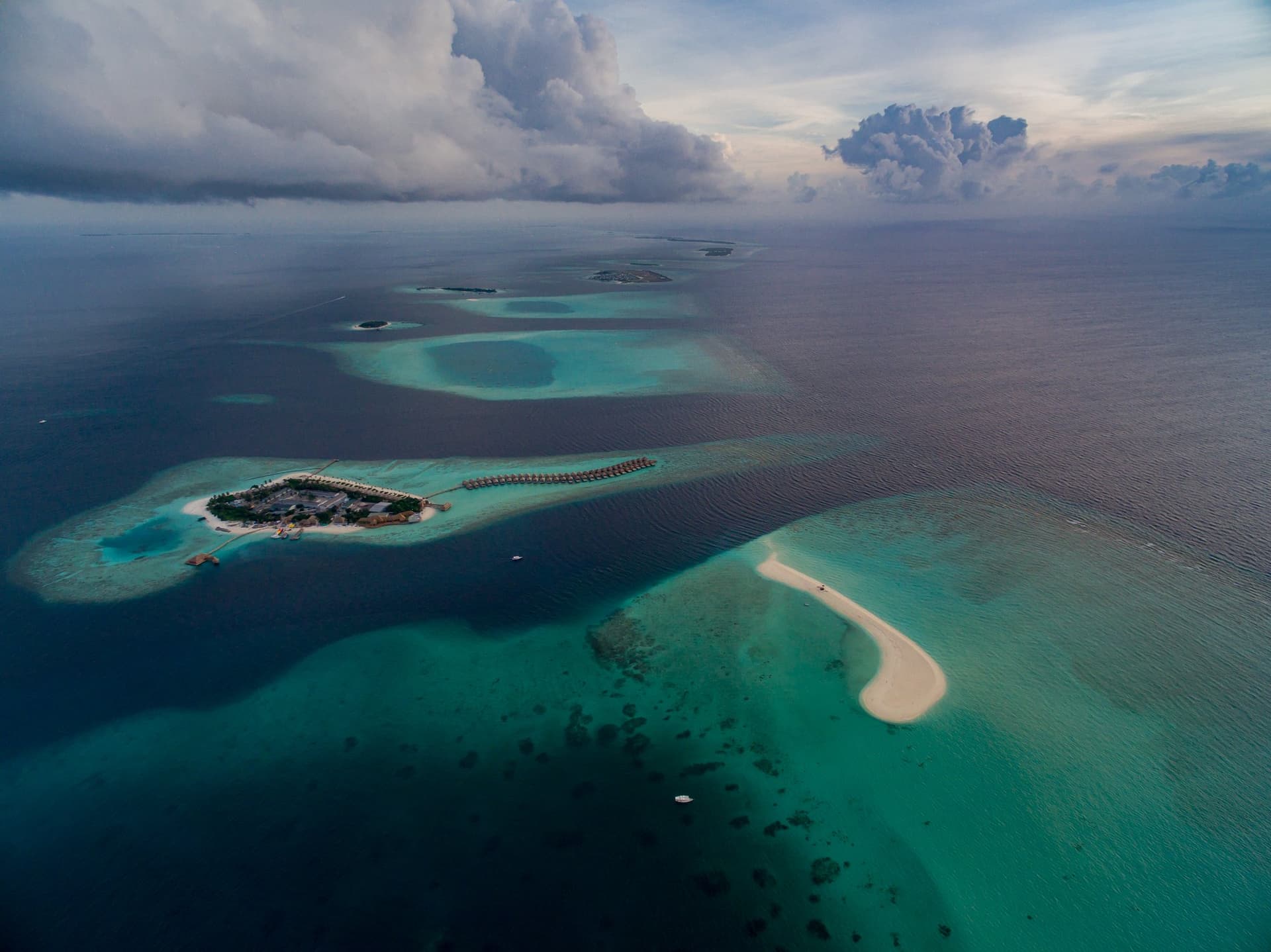
A north-central Maldives atoll (administrative name Faadhippolhu) built on tidal channels (kandus), submerged pinnacles (thilas and giris), reef rings, and outer walls, with two cargo wrecks on the sand off Felivaru.

Top Dives

The must-do dives in this area, picked by our editors.

  1. Lhaviyani signature shark drift, current, wall and bays minutes from the jetty

  2. The Maldives manta cleaning station you can actually scuba dive

  3. Two reefed wrecks in one dive, with a bow that breaks the surface

Dive sites map

Diamonds mark nearby dive areas — tap to explore.

Dive sites in Lhaviyani Atoll

Dive centres in Lhaviyani Atoll

View all

Book online or contact a centre that dives this area.

Photos

Frequently Asked Questions

Where is Lhaviyani Atoll and how do you get there?

Lhaviyani, also called Faadhippolhu, sits in the north-central Maldives, roughly a 40-minute seaplane hop north of Male and Velana International Airport. Most divers reach it through the Kuredu resort hub, and some resorts also run speedboat connections. Liveaboards serve the atoll as well. Inter-island hops between dive bases are by speedboat or dhoni, arranged through the resort.

How does Lhaviyani compare to Baa or Ari Atoll?

Lhaviyani's draw is channel diving and wrecks rather than a single seasonal megafauna event. Where Baa, the UNESCO atoll to the west, is led by the Hanifaru manta-feed snorkel, Lhaviyani lets you scuba a manta cleaning station, drift a shark channel, and dive two wrecks. Against the busier Ari atolls it offers a quieter, resort-led trip with fewer supersized properties.

What is Kuredu Express and is it suitable for my level?

Kuredu Express is the atoll's flagship channel drift, off the eastern tip of Kuredu and minutes from the jetty. It is an advanced dive: strong, fast-changing current, a negative-entry descent, and a working depth of 20 to 30 metres. Advanced Open Water with drift experience and solid buoyancy is the practical floor. On a mellow tide it eases off, but plan for current and carry a reef hook and SMB.

When is manta season in Lhaviyani and where are the cleaning stations?

There is no single fixed manta season. Reef mantas follow plankton to the up-current side of the atoll, so the productive site shifts with the monsoon. The cleaning stations are at Fushifaru Kandu, a Marine Protected Area, and quieter pinnacles such as Tinga Giri. Ask your operator where the plankton, and so the mantas, is concentrating on the day.

What wrecks can you dive in Lhaviyani?

The Shipyard, off Felivaru, is the atoll's wreck dive. Two cargo ships went down by accident in the mid-1980s and reefed over: a larger hull whose bow still breaks the surface and runs through the shallows, and a second hull lying on its side near 28 metres. The shallow ship is approachable in calm water; the deep leg and any penetration are for experienced, wreck-trained divers.

Is Lhaviyani a marine reserve or the UNESCO atoll?

Neither across the whole atoll. Lhaviyani is not the UNESCO Biosphere Reserve, which is neighbouring Baa Atoll, so do not expect Hanifaru-style protection here. Within Lhaviyani, Fushifaru Kandu is a national Marine Protected Area. There is no atoll-wide dive permit, reserve fee, or diver quota; diving is arranged through the resort dive bases.

Which resort or operator should I dive with in Lhaviyani?

The atoll's diving is resort-led rather than run from town dive shops, and it has long been anchored by the Kuredu dive base. Komandoo is the quieter sister island sharing the same dive sites, and Hurawalhi and Fushifaru host their own dive operations at the upmarket end. Choose by the island experience you want; the marquee sites are reachable from across the atoll.

Can beginners dive in Lhaviyani?

Yes, within limits. The house reefs and easier giris are gentle, self-guided diving suited to newer divers, and Kuredu Caves is a relaxed turtle dive. The shallow hull at the Shipyard is within reach in calm water. The signature channel drifts at Kuredu Express and Fushifaru Kandu are advanced, current-driven dives, so build experience before taking those on.

What marine life will I see in Lhaviyani?

Grey reef sharks are the headline on the channels, with the atoll's largest reef-shark presence at Kuredu Express. Reef mantas clean over the thilas at Fushifaru and Tinga Giri, and green turtles cluster around Kuredu Caves. Add blacktip and whitetip reef sharks, Napoleon wrasse, eagle rays, schooling jacks and tuna, and a macro layer on the wrecks and pinnacles.

DDIVECODEXLOG

Every dive has a story. Share yours.

Log your dives - notes, photos, conditions and the marine life you saw - and share them as one public diver profile. What you share helps the next diver, too.

Log every detail

Depth, duration, conditions, gear, buddy, notes — all in one place. Import from Suunto and other dive computers.

Track marine life

Record species sightings on each dive. Build a personal catalogue of everything you've seen underwater.

Your public dive profile

Share your dive history, stats, and experiences with a profile page you control. Show the world where you've been.

Create your free dive log