

Buceo Las Negras
PADI and SSI center in Las Negras village, Cabo de Gata-Nijar Natural Park, operating since 2006 with a 4.7/5 rating across 110 reviews.
PADI / SSI3 languages
Volcanic coast in Almería where a marine reserve and natural park hold caves, orange-coral canyons and a 1928 wreck, diveable nearly all year.
Last updated October 2026
More than 45 km of dark volcanic coast run from the cape to Carboneras, and the sea has cut the rock into caves, tunnels, canyons and craters. The coast is the Parque Natural de Cabo de Gata-Níjar, and its waters carry two layers of protection: the park's own inner waters and, offshore of them, a state marine reserve created in 1995. Most diving is in sheltered coves at 5 to 14 m, where bottom times of around an hour are normal.
Cueva del Francés is a naturally lit cavern on the line between the two centre areas, with groupers holding at its mouth. La Amatista cuts shallow canyons into a rocky shelf below a clifftop viewpoint, and protected nacras stand in the Posidonia between them. Cala Higuera is a sheltered cove east of San José where orange coral lines a rock canyon, and Las Hermanicas, a shallow shelf off La Isleta del Moro, is the dive that keeps running when levante wind shuts the exposed sites.
The deep end is a short list. El Vapor is the Czechoslovak merchant ship Arna, sunk in 1928 after striking the laja under a mile from the lighthouse, and it lies at 28 to 42 m. Centres generally take only advanced divers there, after seeing how you dive, and strong currents are common on it. Piedra de los Meros is an open-sea seamount at 25 to 32 m where large groupers, morays and barracuda schools gather, with a bottom time of about 20 minutes on air.
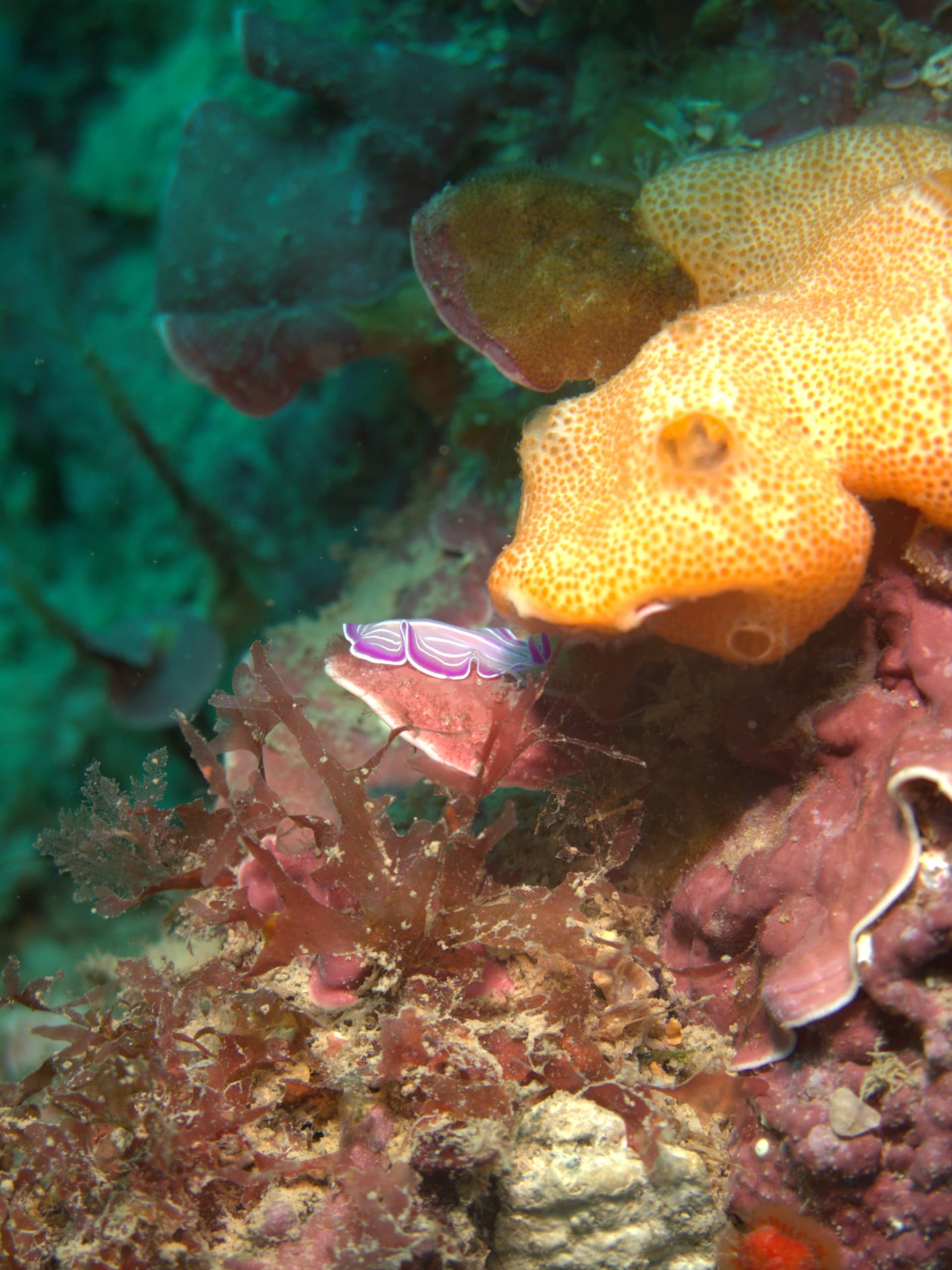
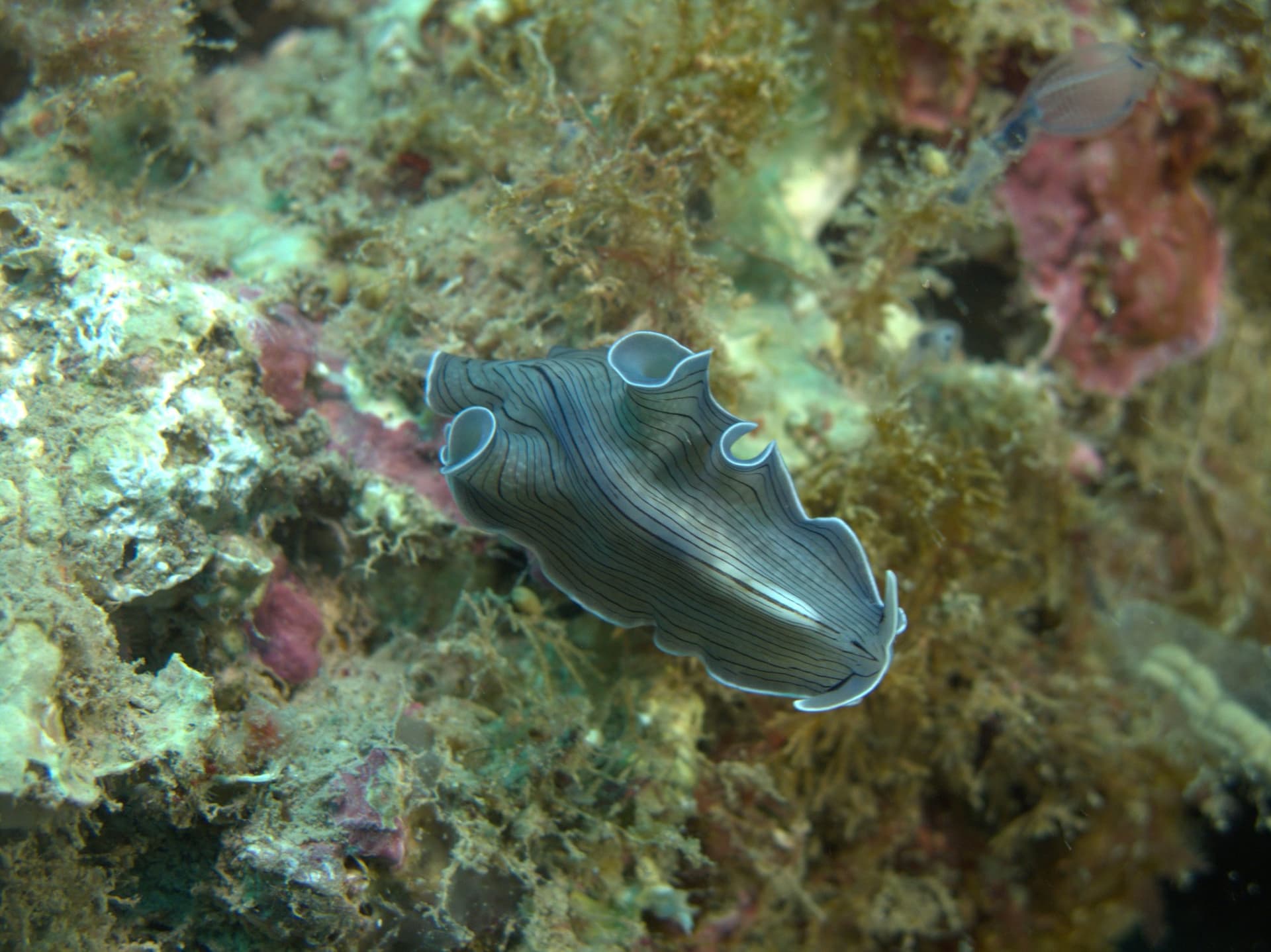
Groupers and brown meagre favour the caves, morays and octopus the rock, and nudibranchs draw macro photographers to Cala Higuera.
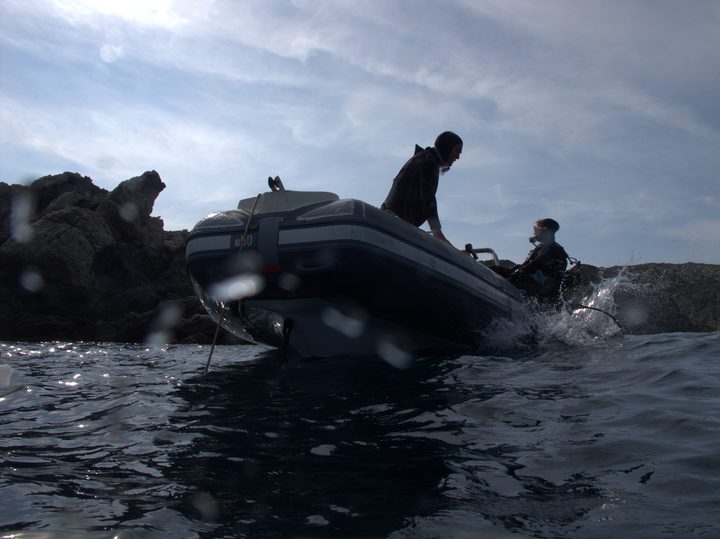
Almería airport is the gateway, and a car is essential: no public transport links the coastal villages. San José lies toward the cape and La Isleta del Moro further north, with ISUB, open in San José since 1998, among the longer-established centres. A week split between the two bases reaches both stretches. Booking a few days ahead is the usual advice, because turning up and diving the same day rarely works.
Permission depends on where the dive happens. In the reserve's exterior waters it comes from the Subdelegación del Gobierno en Almería, and in the park's inner waters from the Junta de Andalucía's environment department. The reserve's rules come from Orden ARM/1744/2011.1 Centres hold their own annual authorisation, so a guided diver books a boat and dives.
Choose the level before the site. The coves and caves are gentle, while El Vapor and the open-sea dives are where centres screen divers and ask for experience. Expect the exposed sites to be the first dropped when levante blows.
A volcanic complex formed 6 to 15 million years ago, its dark rock eroded along fractures into caves, tunnels, craters and arches, with sand corridors and Posidonia meadows between.
The diving here splits into 4 zones:
Macro photographers and Open Water divers wanting a calm, shallow dive with two route options inside the Cabo de Gata marine reserve
Documented 1905 steamer wreck where the current picks the stern or the whole hull
Open Water-plus divers wanting open-sea fish life on a moderate-depth boat dive, used as the warm-up before El Vapor
Beginners and night divers who want a shore-entry dive with three Mediterranean habitats in Cabo de Gata's main diving village
All-levels boat dive in Cabo de Gata where shallow canyons and Posidonia meadows meet under a clifftop viewpoint
Open Water divers wanting a guided cavern dive with reef variety, cardinal fish swarms, and Posidonia meadows in shallow water
Open Water divers and discover-scuba groups wanting a calm, biodiverse reef from La Isleta del Moro on a levante day
Book online or contact a centre that dives this area.
PADI and SSI center in Las Negras village, Cabo de Gata-Nijar Natural Park, operating since 2006 with a 4.7/5 rating across 110 reviews.

Family-scale CMAS and SSI center in La Isleta del Moro, operating for 30+ years inside the Cabo de Gata-Nijar Natural Park.
Get in touch to add or claim your dive center listing on DiveCodex.
July to September is the warmest and calmest stretch, and October draws divers for good conditions and fewer people. Easterly levante wind shuts the exposed sites, while the sheltered coves keep working.
What can go wrong here, and what divers do about it. Conditions change - take the briefing from the operator on the day.
Marine reserve
Reserve rules (state order)Responsible diving criteriaWhere to apply for a permitChecked: Oct 2026
National rules also apply: Rules and permits in Spain
Only in part. In the reserve the order bars dives from land, and an independent diver needs an individual authorisation. In the Natural Park's inner waters, shore diving (infantería) runs on a separate Junta de Andalucía authorisation that divers describe as demanding: the online route needs a digital certificate and has taken from about a week in July to about four in August, while presenting the papers in person at the park office in Rodalquilar can get a next-day answer. Night dives are not allowed. Centres hold their own annual authorisation, which is why most visitors simply book one.
The coves and caves suit Open Water divers: Cala Higuera, Las Hermanicas, La Amatista, Cueva del Francés and the shallow Túnel Naranja swim-through all sit at 3 to 19 m. The deep and open-sea dives are a step up. El Vapor and Piedra de los Meros are advanced, and Los Burros-Los Amarillos rates moderate to advanced; one diver called it far from an easy dive. Ask the centre which dive the day's conditions allow.
Pick by the dives you want. San José is the larger town, with centres that work the southern sites up to Cueva del Francés. La Isleta del Moro is a small fishing village whose centres work from that cave northward. Las Negras has a single local centre close to El Cráter and El Templo, and the Carboneras end is reached by operators from Mojácar. Splitting a week between San José and La Isleta covers both stretches.
Yes. Diving continues nearly all year and May to October is the best stretch. October is a favourite for settled conditions and quieter water, though some bars and rooms in San José close for the season. In winter the water drops to about 14 to 16 C, and wind can limit which sites the boats reach.
In October 2023 a diver around Carboneras reported two or three dead or dying groupers and dusky groupers on each dive, some of them large. The likely cause suggested was betanodavirus, a nervous necrosis virus recorded in other Spanish waters. It is one diver's observation from the northern end of the coast, so the scale across the reserve is not established.
Yes, one open-sea site under two names. Centres list Los Amarillos as also the Burros dive, and the reserve order's quota annex names the pair together as Los Burros-Los Amarillos.
Also known as: Cabo de Gata-Nijar, Parque Natural Cabo de Gata-Nijar
Log your dives - notes, photos, conditions and the marine life you saw - and share them as one public diver profile. What you share helps the next diver, too.
Log every detail
Depth, duration, conditions, gear, buddy, notes — all in one place. Import from Suunto and other dive computers.
Track marine life
Record species sightings on each dive. Build a personal catalogue of everything you've seen underwater.
Your public dive profile
Share your dive history, stats, and experiences with a profile page you control. Show the world where you've been.