

Red Sea Diving Safari
Eco-diving resort south of Marsa Alam with 3 villages, unlimited house reef diving, 60+ sites, and access to Elphinstone Reef.
Resort dive centrePADI9 services5 languages
Day boats and a dive camp near the Sudan border reach the Fury Shoals reefs: a dolphin lagoon, a shallow wreck, sunlit caverns and an offshore wall.
Last updated October 2026
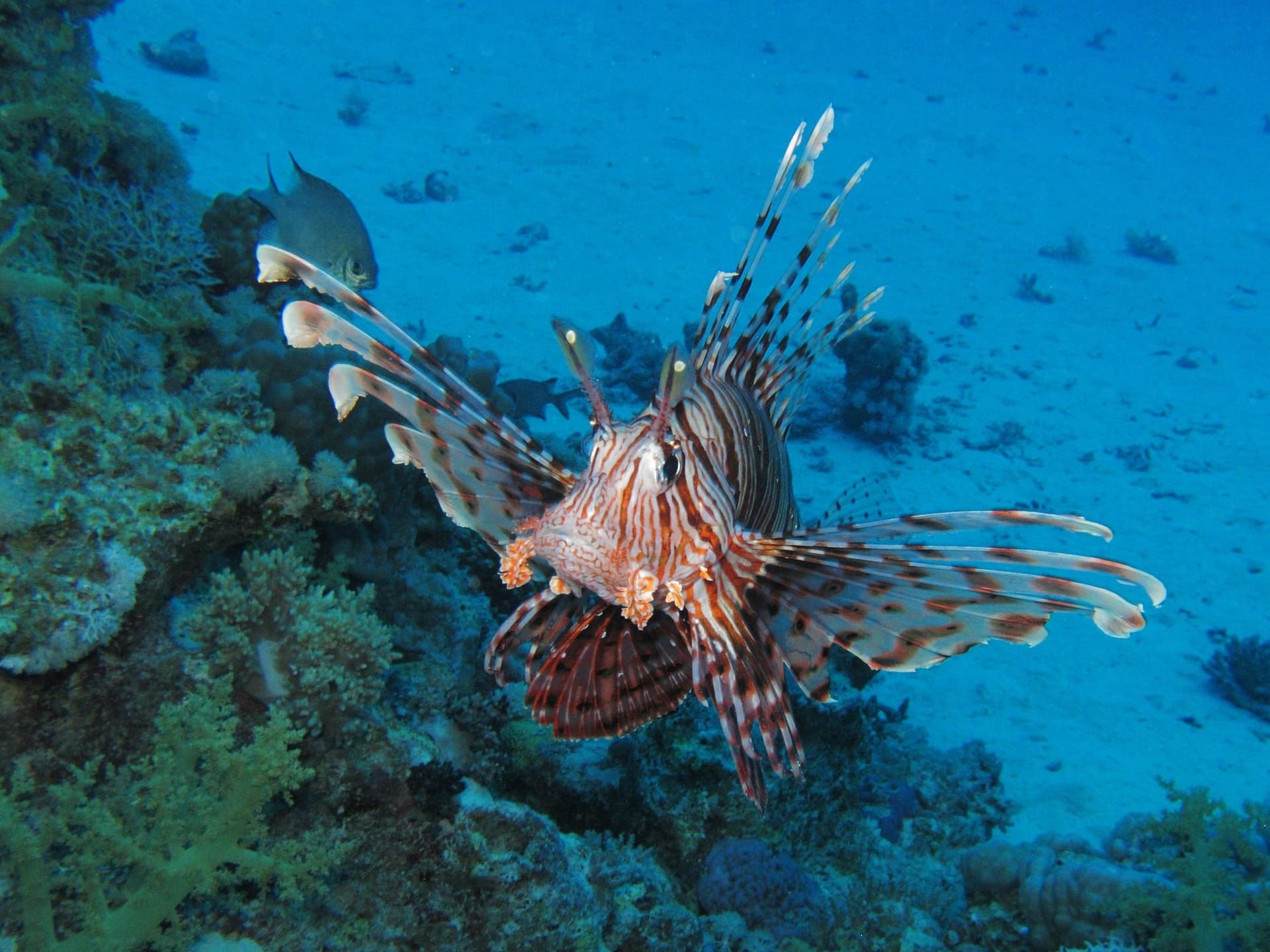
Fury Shoals is a cluster of reefs off the southwest Red Sea coast, dived by day boat from the Hamata jetty or from the Wadi Lahami camp a short way south, near the Sudan border. Boats go out daily, and camps add a house-reef dive before the boat and a night dive after it. Red Sea Diving Safari runs its Wadi Lahami village as a simple dive camp of lodges and tents. Liveaboards run the same reefs on short southern safaris and carry on to the remoter Deep South.
Two reefs set the range. Sataya is a horseshoe whose sheltered sandy lagoon is a daytime resting ground for spinner dolphins, and the encounter runs on the dolphins' terms: stay calm, keep your distance, never chase. Shaab Maksur is the opposite pole, an offshore drop-off with shark-patrolled plateaus and moderate to strong current. Its south plateau runs 18 to 35 m and 35 to 42 m, and past it the reef falls steeply to 80 m and slopes away to 120 m. The easier diving sits in between: Abu Galawa Kebir's shallow lagoon with a small coral-grown wreck, the sunlit caverns of Shaab Claudia at open-water depth, and the coral-tower maze of Shaab Malahi. Napoleon wrasse, giant moray and anthias are regulars, with whitetip and grey reef sharks around the drop-offs.
The 2024 HEPCA Bleach Watch found bleaching rising from north to south, with the southern sector that includes Wadi El Gemal highest, at up to 50.1 percent bleached.1 Sheltered inshore reefs bleached more than exposed offshore ones. HEPCA's preliminary estimate puts 2025 recovery across the Egyptian Red Sea at 75 to 88 percent depending on species and location, a regional figure that says little about any one reef here. Read older reef footage as pre-2024, and ask your operator which reefs are looking best.
Choose by level before you choose by site. Abu Galawa Kebir, Shaab Claudia and Shaab Malahi are easy, Sataya is moderate, and the offshore wall at Shaab Maksur is advanced and current-driven. The 50-logged-dive requirement operators state belongs to the Brothers, Daedalus and Elphinstone itineraries; on the Fury Shoals day boats each operator sets its own minimum by site.
Wadi Lahami is about two and a half hours by road from Marsa Alam airport, so build the transfer into the first and last day. Wind from December to March can make the open crossings rough or cancel them, which argues for a buffer day, or for May to October if the calendar is flexible. Water runs 22 to 23 C from January to March and 28 to 31 C in high summer, so pack a 5 mm suit for winter and a 3 mm for summer. Operators advertise 25 to 35 m of visibility in winter and 50 to 80 m in autumn, best-case figures.
A Wadi El Gemal marine-park fee is added to boat trips. Baro Medical in Marsa Alam is the nearest named hyperbaric chamber, so keep profiles conservative this far south.
Offshore Fury Shoals reefs of hard-coral gardens, lagoons, coral towers and cavern reefs, with steep drop-off walls on the outer edges, behind a mangrove-fringed park coast.
The diving here splits into 2 zones:
A shallow wreck dive from the surface down, in Open Water range
Snorkelling with a resident dolphin pod, plus a scuba dive outside the lagoon
Three separate dives and a wreckage lagoon on one offshore reef
A sunlit cavern with five entrances, shallow enough for Open Water.
A shallow coral maze of open-topped passages, lit by sun beams.
Book online or contact a centre that dives this area.
Eco-diving resort south of Marsa Alam with 3 villages, unlimited house reef diving, 60+ sites, and access to Elphinstone Reef.
Get in touch to add or claim your dive center listing on DiveCodex.
Safari boats based elsewhere that run itineraries to these dive sites.

41m, 26-guest wooden liveaboard running Master Liveaboards' full Egyptian Red Sea catalogue from Hurghada and Port Ghalib, from northern wrecks and Tiran through the offshore Brothers, Daedalus and Elphinstone to the far-south Rocky, Zabargad and St John's reefs.

Compact 18-guest, 9-cabin wooden liveaboard focused on Deep South and St John's routes from Port Ghalib, reaching remote Rocky Island and Zabargad.

26-guest sister of Superior with Junior and Executive suites, ranging across Emperor's Egypt catalogue from northern wrecks and offshore Brothers, Daedalus and Elphinstone to the Deep South.

Red Sea Explorers' largest liveaboard: 37.5m, 28 guests across 14 cabins, running the same GUE-leaning offshore and deep-south Egypt route catalogue.

36m, 22-guest steel liveaboard with a dedicated camera room and gas-blending deck, running the Brothers, Daedalus, Deep South and Fury Shoal weeks.

40m, 25-guest steel liveaboard, built 2023 for the Deep South: Daedalus, Rocky Island, Zabargad and St John's, plus Fury Shoal, from Port Ghalib.

Red Sea Explorers' tech flagship: a 37m, 22-guest steel liveaboard with a full trimix/CCR fill station and scooters for offshore and deep-south Egypt safaris.

138ft (42m), 26-guest Aggressor liveaboard out of Port Ghalib running two Saturday-to-Saturday southern itineraries: Brothers-Daedalus-Elphinstone, and St John's-Daedalus, across offshore plateaus and the Marsa Alam and St John's reefs.
December to March wind can make the open crossings choppy and cancel offshore boats, while May to October brings calmer seas. Operators quote 25 to 35 m in winter and 50 to 80 m in autumn; read those as best-case figures.
What can go wrong here, and what divers do about it. Conditions change - take the briefing from the operator on the day.
National rules also apply: Rules and permits in Egypt
Operators state a 50-logged-dive requirement for the liveaboard itineraries to Brothers, Daedalus and Elphinstone. The Fury Shoals day boats are a separate booking, and there each operator sets its own minimum for the walls, so ask what yours expects of your log before you book.
Both work. Boats from Wadi Lahami go out daily and almost exclusively to Fury Shoals, so a fixed base covers the reefs. Liveaboards run the same reefs on short southern safaris, and they are how the offshore Deep South is dived.
They are two bases for the same diving. Hamata is the village with the jetty, and Wadi Lahami is a camp a short way south, about two and a half hours by road from Marsa Alam airport. Pick on the accommodation and the operator you want, not on the reefs, because both go to Fury Shoals.
Marsa Alam has the airport and the resort strip. Hamata has fewer hotels, a longer transfer and the closest land access to Fury Shoals. If the offshore reefs every day matter more than comfort and short transfers, base yourself here; if they do not, Marsa Alam is the easier trip.
Abu Galawa Kebir, Shaab Claudia and Shaab Malahi are the easy ones, sheltered or shallow, and Sataya's lagoon is moderate. The advanced diving is on the offshore walls, where Shaab Maksur adds current and depth. Tell the operator your level and your log count and let the guide pick the day's reef.
Sataya is a horseshoe reef with a sheltered lagoon where spinner dolphins rest. The encounter is on the dolphins' terms: stay calm, keep your distance and never chase. Abu Galawa Kebir is the shallow one, with a small coral-grown wreck against the reef and a green turtle that is a frequent sight.
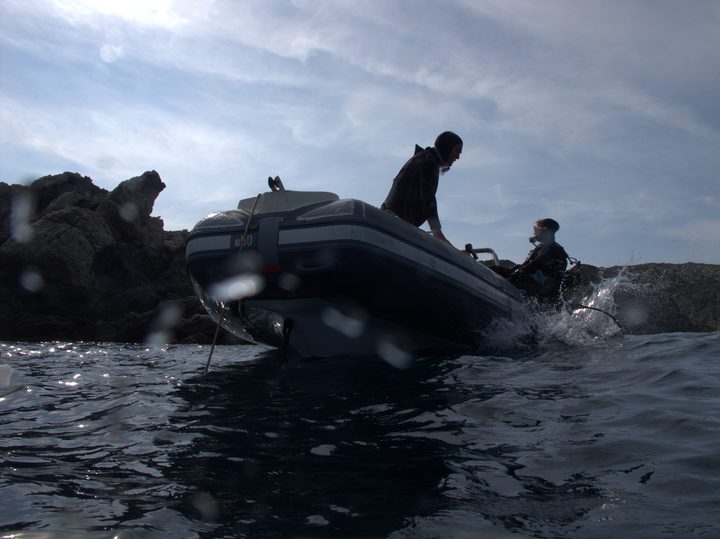
From Wadi Lahami a speedboat goes out daily and almost exclusively to Fury Shoals. Camps here add a house-reef dive before the boat leaves and a night dive after it returns, so a boat day can hold three dives. The camp itself is simple, with lodges and tents.
Also known as: Wadi Lahami
Log your dives - notes, photos, conditions and the marine life you saw - and share them as one public diver profile. What you share helps the next diver, too.
Log every detail
Depth, duration, conditions, gear, buddy, notes — all in one place. Import from Suunto and other dive computers.
Track marine life
Record species sightings on each dive. Build a personal catalogue of everything you've seen underwater.
Your public dive profile
Share your dive history, stats, and experiences with a profile page you control. Show the world where you've been.