
DIVECODEX FOR CENTERS
Add your dive center
Get in touch to add or claim your dive center listing on DiveCodex.
Contact us
FreeReach divers
Gateway atoll around Malé and the airport: a coral-rich north, current-fed channels south, thila pinnacles and manta cleaning stations.
Last updated October 2026
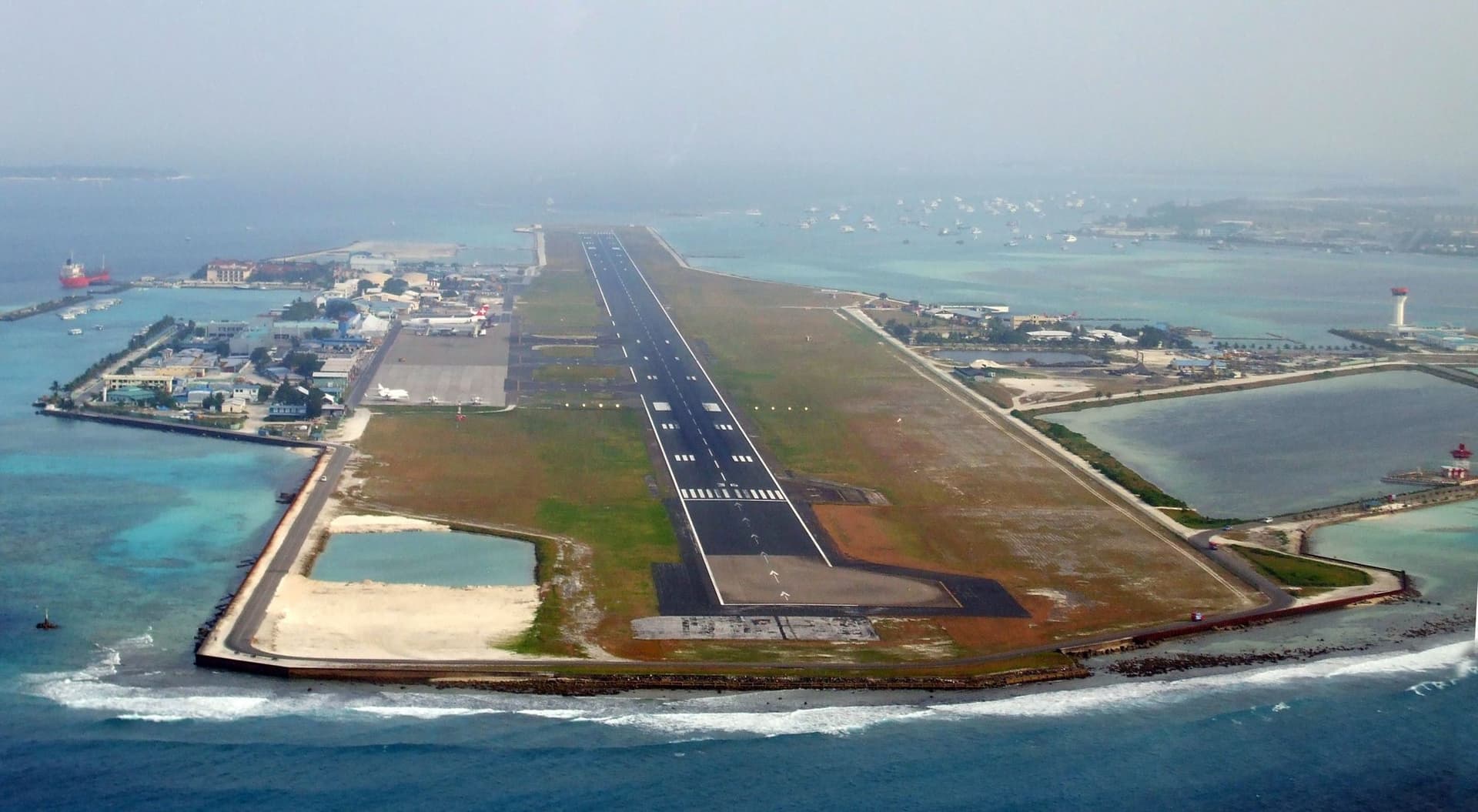
Velana International Airport sits inside Kaafu, so the diving starts a short boat ride from arrivals: most resorts and local islands lie 10 to 45 minutes away by speedboat. The atoll is really two diving atolls under one name, and the trip depends on which you choose. North Malé is the coral side, with better reef, more variety and shallower, easier profiles. South Malé is the channel side, where tidal flow through the kandus brings stronger current and big-fish drift diving.
Kandooma Thila is the South Malé pinnacle experienced divers name first, a current-swept thila with grey reef sharks, eagle rays, turtles and soft coral. HP Reef is its North Malé counterpart, prized for soft-coral walls and a current that can turn tricky, with the occasional washing-machine surge. Lankan Manta Point is a reef-edge cleaning station where reef mantas follow the monsoon plankton, working the west side in the dry northeast monsoon and the east side in the wet southwest. Nassimo Thila, an exposed soft-coral pinnacle with reef sharks, and Kuda Giri, a small wreck beside a good reef, round out the circuit, the second being gentler than the channels.
Whale sharks pass through only now and then, and the headline big-animal encounters of the Maldives sit in other atolls. Hulhumalé harbour holds its own nurse shark and stingray gathering, a harbour-bottom dive that divers are split on.
Most resort islands run a single in-house dive centre, so the guide you draw sets the quality of the week. Independent day boats out of Hulhumalé and Maafushi serve the budget market and let you dive without a resort stay, and public ferries link Malé to the local islands in 30 minutes to 2 hours. Some day operators default to the nearest, cheapest sites to save fuel, so name the site you want when you enquire.
The dry northeast monsoon, December to April, gives the calmest seas and the best visibility; the wet months bring rain and a choppier surface. Sites with kandu or Express in the name, and exposed thilas such as Nassimo, suit divers comfortable in current, and Nassimo is reported as an advanced dive. Newer divers do well on the giris, inner reefs and house reefs.
Local-island operators were quoting walk-up tourists 75 to 80 USD a dive by late 2025, while bulk bookings of several dives a day were reported at about 45 USD. Plan on 45 to 80 USD, ask about a bulk rate, and expect card surcharges and GST on top.
Currents run hardest in the channels around new and full moon, so match the dive to your comfort. A hyperbaric chamber is reported at Bandos Island Resort in Kaafu, one of three in the Maldives.
A ring of barrier reef around a lagoon, broken by tidal channels (kandus), with thila pinnacles, overhangs and a few wrecks.
The diving here splits into 3 zones:
A shark-and-ray channel corner with a gentler outer-reef drift beside it
A current-swept channel corner with reef sharks counted year after year
Grey reef sharks and eagle rays at a current-fed cleaning station
The Maldives' easy two-in-one wreck and pinnacle dive, calm enough for a first wreck or night dive
Book online or contact a centre that dives this area.
Safari boats based elsewhere that run itineraries to these dive sites.

42m, 24-guest Blue Force Fleet liveaboard with 12 cabins including junior and master suites, running the operator's Spanish-and-English Maldives programme: the year-round Central Atolls loop, the Baa manta season, and Deep South seven-atoll crossings.

42m, 26-guest Blue Force Fleet liveaboard launched in 2018, running Spanish-and-English Maldives weeks: the year-round Central Atolls loop, the Baa manta season around Hanifaru Bay, and Deep South seven-atoll crossings to the far southern hemisphere.

36m, 11-cabin, 22-guest wooden liveaboard (2010) running Luxury Yacht Maldives' full atoll catalogue - North to Lhaviyani, Baa & Hanifaru, central Best-5 to Laamu, and northeast-season Extreme South weeks - with free nitrox and rebreather support.

A comfortable 35-metre wooden liveaboard for up to 24 divers in 12 cabins, with a main-deck jacuzzi and bar, running Emperor's shared Maldives catalog from Male.

Emperor's 40-metre Maldives flagship, a 13-cabin, 26-guest fiberglass liveaboard running the year-round Best of Maldives week from Male plus the fleet's seasonal shark, northern-manta and Deep South charters.

The fleet's most intimate hull: a 35-metre wooden liveaboard for up to 18 divers in 9 cabins, with ocean-view upper-deck cabins, running Emperor's shared Maldives catalog from Male.

Emperor's value-focused 30-metre wooden liveaboard, 10 cabins for up to 20 divers, built around the diving and running the fleet's shared Maldives catalog from Male.

10-cabin, 22-guest Maldivian-built wooden liveaboard running Honors Holidays' central Best of Maldives and Hanifaru-and-Ari weeks plus seasonal Deep South Huvadhoo-Addu equatorial safaris, diving from a dedicated 60-foot dhoni.
The dry northeast monsoon brings calmer seas and visibility reported up to 25 to 30 m; the wet southwest monsoon, May to November, brings rain, a choppier surface and plankton that lowers clarity and draws big animals. Currents start in November, strengthen through January and ease by April.
What can go wrong here, and what divers do about it. Conditions change - take the briefing from the operator on the day.
National rules also apply: Rules and permits in Maldives
North Malé suits a diver who wants coral and variety: shallower, easier profiles, soft-coral thilas and the Lankan manta station. South Malé is channel diving in stronger current, built around big fish and drifts. If you dislike current, skip any site with kandu or Express in its name; thilas may or may not run current depending on how close they sit to a channel.
The closest, cheapest outings are the Hulhumalé harbour aggregation and Banana Reef, and some day operators default to them to save fuel. HP Reef is about an hour away by boat, so it is usually a two- or three-tank outing. Kandooma Thila, Nassimo Thila and HP Reef are all reachable, but confirm before you book that your operator will run them.
It is a nurse shark and stingray aggregation on the bottom of Hulhumalé harbour itself: a zero-fuel day-boat dive that divers are split on, and separate from the tiger shark dive at Fuvahmulah in the far south. A single report from 2026 says guides used bait for one group that was not with a local dive centre. It is an allegation and not an established practice, and an operator can explain how it runs the dive.
Kaafu earns its place on access. Whale sharks cluster in South Ari, hammerheads are reported off Rasdhoo and tiger sharks gather at Fuvahmulah, and most serious trips are liveaboards that range across several atolls. Kaafu gives you thila and channel diving of real quality close to the airport, which fits a short stay or the day before or after a liveaboard.
A kandu is a channel and carries the strongest current. A giri is an inner reef that breaks the surface or sits shallow and is much more protected. A faru is a ring or patch reef, and some near channels can still run hard. A thila is a pinnacle that may or may not see current depending on its distance from the channel. Gorgonian fans drawn on a dive map hint at current.
Lankan Manta Point, off Lankanfinolhu, is the reef-edge cleaning station, with Boduhithi Thila reported for December to April. Mantas follow the monsoon plankton: on the west side in the dry northeast monsoon and on the east side in the southwest monsoon. Lankan is reported to peak from November to April, so treat the months as a guide and ask the operator which side is working that week.
They are pleasant, easy reefs, but they appear on tourist lists mostly because many resort guests dive them. Experienced divers who list the atoll's standout dives name thilas and channels: Kandooma Thila and HP Reef are the two named most often, with Embudu Express and Kuda Giri close behind.
A resort gives you the house reef and boat sites with its own dive centre, and the guide you draw shapes the experience. A guesthouse on Hulhumalé or Maafushi opens independent day boats at negotiated rates. Liveaboards usually touch Kaafu at the start or end of a trip, often with Hulhumalé harbour and the manta sites, before heading to other atolls.
Also known as: Malé Atoll, North Malé Atoll, South Malé Atoll
Log your dives - notes, photos, conditions and the marine life you saw - and share them as one public diver profile. What you share helps the next diver, too.
Log every detail
Depth, duration, conditions, gear, buddy, notes — all in one place. Import from Suunto and other dive computers.
Track marine life
Record species sightings on each dive. Build a personal catalogue of everything you've seen underwater.
Your public dive profile
Share your dive history, stats, and experiences with a profile page you control. Show the world where you've been.