
DIVECODEX FOR CENTERS
Add your dive center
Get in touch to add or claim your dive center listing on DiveCodex.
Contact us
FreeReach divers
Two offshore Red Sea islands reached only by liveaboard: sheer coral walls, oceanic whitetips, seasonal hammerheads and two historic wrecks.
Last updated October 2026
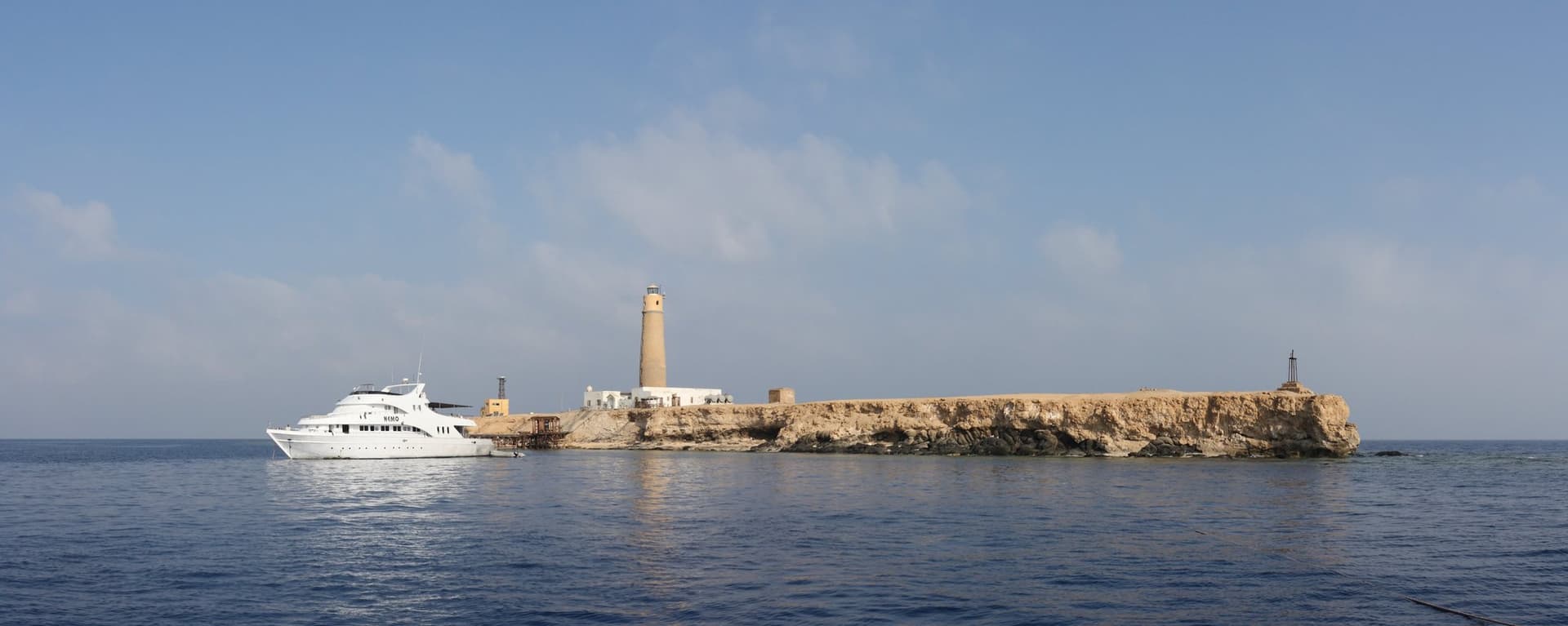
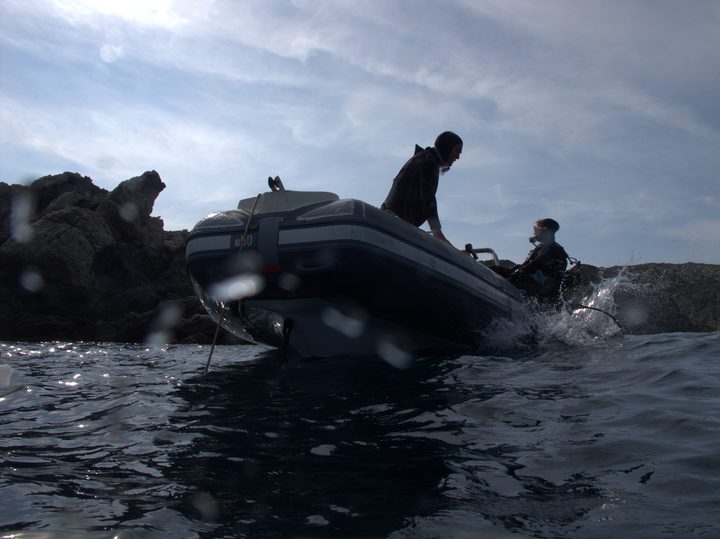
Two steep-sided rock cones about a kilometre apart rise from seabed deeper than 700 metres, roughly 60 to 70 km off the Egyptian coast at El Quseir, with walls that drop past 60 metres and no shallow shelf to fall back on. Every dive runs from a liveaboard and its zodiacs, most often on the Brothers, Daedalus and Elphinstone safari known as BDE or on a dedicated Brothers route.
Big Brother, the larger island, carries a lighthouse completed in 1883 and still crewed by the Egyptian Navy, and two wrecks grown into its north wall. The steamer Numidia, lost in 1901, lies broken between about 8 and 80 metres with its stern beyond recreational limits, and the supply vessel Aida, which sank in 1957 carrying lighthouse staff, rests around 25 to 60 metres. A south plateau brings threshers to a cleaning station at dawn. Little Brother, the smaller and more exposed island a kilometre south, is one wall to circle, draped in soft coral, with a north plateau where hammerheads, grey reef and silvertip sharks work the blue.
Oceanic whitetips are the draw. They are present year-round, usually out in the blue off the walls, and encounters peak in October and November. The islands are an Important Shark and Ray Area on the strength of that one Critically Endangered species alone; hammerheads, threshers and grey reef sharks are present but are not the basis.1 Scalloped hammerheads are seasonal, May to October, with June to August the most consistent. The islands are a marine protectorate managed by the Egyptian Environmental Affairs Agency, and the underwater mood is serious: the current usually runs north to south in a straight line, downwellings that push divers deeper have been reported at Little Brother and on Big Brother's walls, and one 2018 trip account counted as many as 16 boats around Big Brother on a peak day.
The crossing sets the rhythm of a Brothers trip: seven to nine hours of open sea from Hurghada, usually sailed overnight to arrive at first light, and it can be rough. Dedicated Brothers itineraries run five to seven nights and the combined BDE or north-and-Brothers routes seven to ten, with Marsa Alam and Port Ghalib the gateways for southern combinations. Only licensed liveaboards hold the permits, the operator arranges them and the cost is included in the trip price, so you choose a boat and a route; nobody sells a day trip.
Operators expect Advanced Open Water and real drift experience in current. The logged-dive minimum quoted varies, from 30 on one operator's itinerary to 50 in guidebook advice, so confirm it with your boat before booking. Nitrox is usually a paid extra and suits the repetitive deep profiles. Night diving is prohibited, and guides and divers report that since 2018 boats leave in the afternoon instead of mooring overnight. Weather decides whether the islands get dived, so itineraries often list them as conditions permitting. October and November are the best window; January and February can bring rough crossings and cancelled Little Brother stops.
Two steep-sided coral-and-rock cones, the tips of undersea mountains rising from seabed more than 700 metres deep, with walls that drop past 60 metres and no shallow shelf.
The diving here splits into 2 zones:
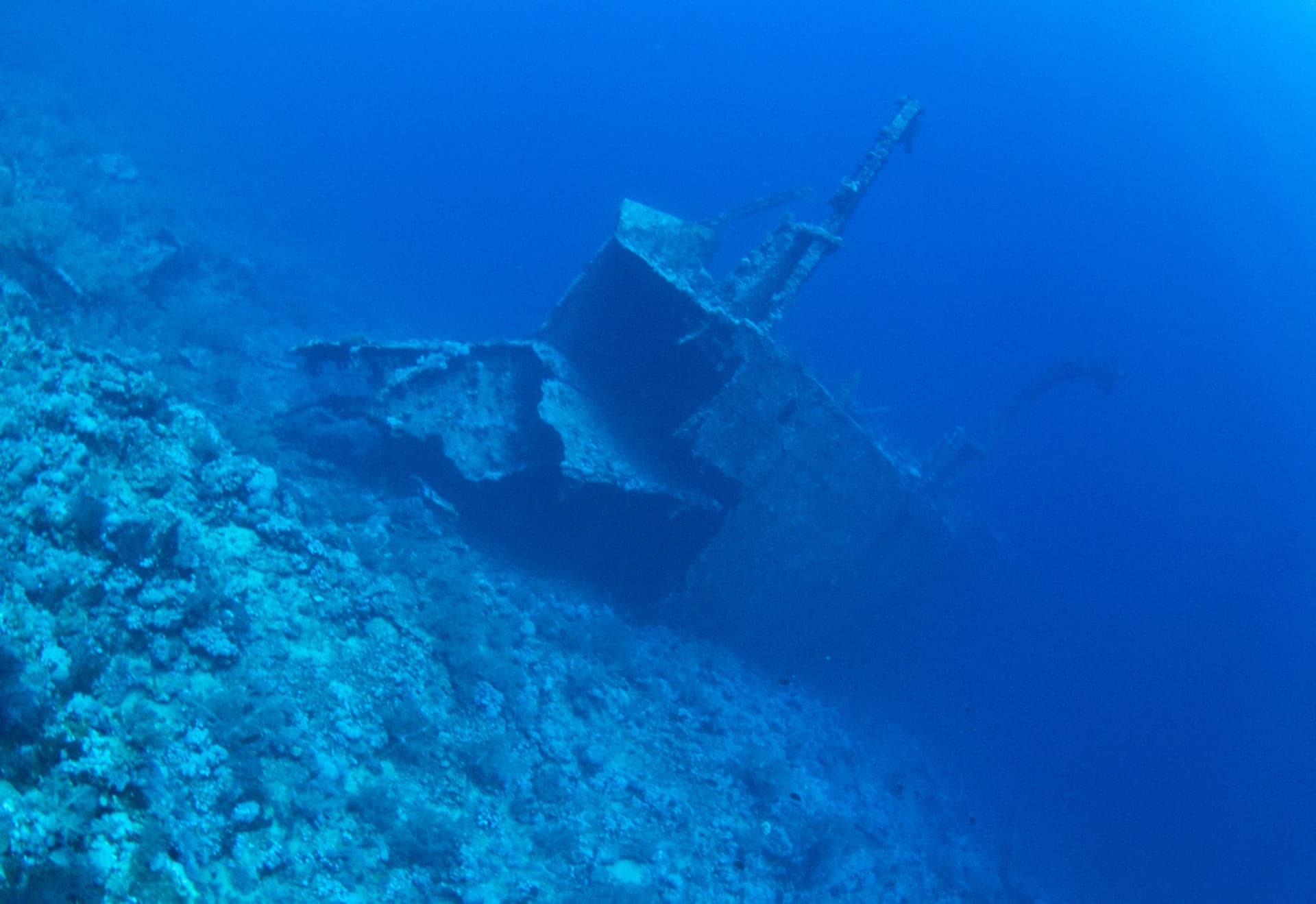
Advanced divers who want a recognisable, coral-covered Red Sea wreck within recreational range.
Coral walls, oceanic whitetips and a thresher plateau under a working lighthouse
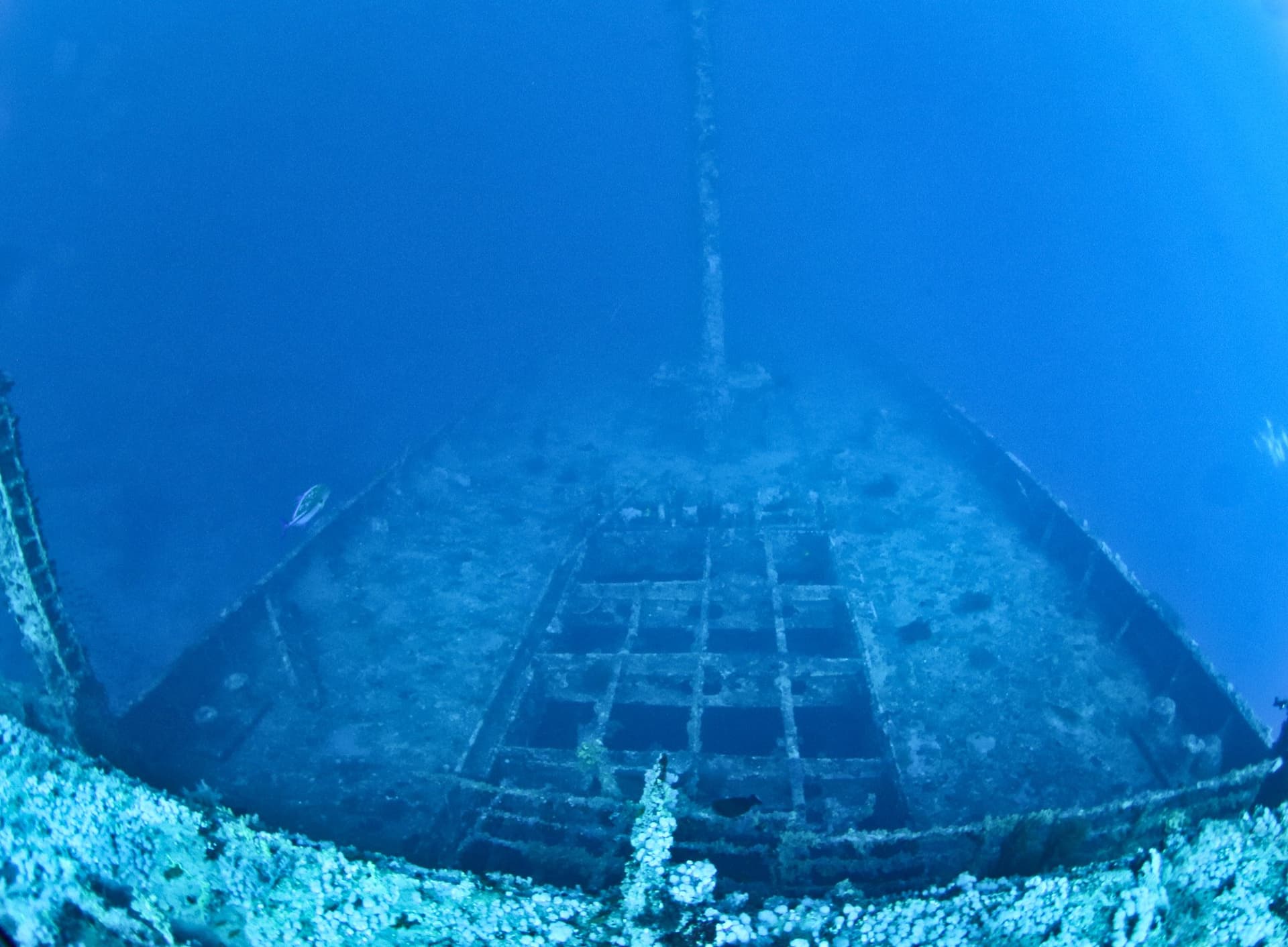
Advanced and technical divers who want a deep, coral-grown wreck that spans recreational to technical depth.
Book online or contact a centre that dives this area.
Safari boats based elsewhere that run itineraries to these dive sites.
41m, 26-guest wooden liveaboard running Master Liveaboards' full Egyptian Red Sea catalogue from Hurghada and Port Ghalib, from northern wrecks and Tiran through the offshore Brothers, Daedalus and Elphinstone to the far-south Rocky, Zabargad and St John's reefs.
38 m wooden liveaboard with 13 ensuite cabins for 26 guests, on 7- and 10-night Red Sea trips from Hurghada and Port Ghalib.

Compact 18-guest, 9-cabin wooden liveaboard focused on Deep South and St John's routes from Port Ghalib, reaching remote Rocky Island and Zabargad.

26-guest sister of Superior with Junior and Executive suites, ranging across Emperor's Egypt catalogue from northern wrecks and offshore Brothers, Daedalus and Elphinstone to the Deep South.

13-cabin, 26-guest wooden liveaboard running Emperor's northern Red Sea wreck-and-reef weeks from Hurghada, plus offshore Brothers, Daedalus and Elphinstone.

Red Sea Explorers' largest liveaboard: 37.5m, 28 guests across 14 cabins, running the same GUE-leaning offshore and deep-south Egypt route catalogue.

36m, 22-guest steel liveaboard with a dedicated camera room and gas-blending deck, running the Brothers, Daedalus, Deep South and Fury Shoal weeks.

Red Sea Explorers' tech flagship: a 37m, 22-guest steel liveaboard with a full trimix/CCR fill station and scooters for offshore and deep-south Egypt safaris.
October and November combine clear water, peak oceanic whitetip encounters and calmer crossings; hammerheads are seasonal from May to October. January and February can bring rough crossings and cancelled Little Brother stops.
What can go wrong here, and what divers do about it. Conditions change - take the briefing from the operator on the day.
National rules also apply: Rules and permits in Egypt
You do not arrange it yourself. Access is restricted to licensed liveaboards that hold the marine-reserve permits, and operators handle them, with the permit included in the trip cost. There is no shore base and no independent route to the islands, so booking a boat on a Brothers or BDE itinerary is the permit in practice.
For experienced divers who follow the briefing, yes. Oceanic whitetips are curious and approach close, and the incidents that have been described trace mostly to diver or guide error. The discipline is to stay grouped, keep off the open surface, hold the shark in view and avoid sudden movement. Guides advise against surfacing separately with a buddy, because the current can carry a small group off the island and a lone diver at the surface draws a whitetip's interest.
Often the choice is made for you, because the three are dived together on the BDE safari. Some divers who know all three describe them as similar in character: offshore walls, pelagic sharks and current that runs in a straight line. What sets the Brothers apart is the pair of wrecks grown into Big Brother's wall, which suits a diver who wants history alongside the sharks.
Guides and divers report that since 2018 boats may not stay longer than a day at the islands, so they arrive, dive and leave in the afternoon. Some regulars feel the change has thinned the oceanic whitetip encounters that an overnight presence used to bring, while others still report the full cast of sharks. It shapes the rhythm of a Brothers day more than the odds of any single sighting.
It ranges from flat calm to a short, steep chop. The passage from Hurghada takes seven to nine hours and is usually sailed overnight to arrive at first light, so seasickness tablets are sensible. On site, rough mornings can ground the zodiacs and turn the day into dives straight off the mooring, and in bad weather the islands can be neither approached nor dived.
The Numidia lies broken across Big Brother's north wall between about 8 and 80 metres, and the stern is beyond recreational limits. The shallow sections are so overgrown that they blend into the reef, with the cargo of railway wheels visible at around 8 to 12 metres. Recreational divers see only the upper structure within their limits; the deep sections belong to technical divers.
Oceanic whitetips are the headline, present year-round and most often seen out in the blue off the walls, with encounters peaking in October and November. Scalloped hammerheads are seasonal from May to October, with June to August the most consistent, and are best off Little Brother's north plateau. Threshers rise to the south plateau of Big Brother at dawn, and grey reef and silvertip sharks work the walls. No dive guarantees any of them.
Also known as: Brothers Islands, El Akhawein, El Ikhwa Islands, Marine Park 1, الأخوين
Log your dives - notes, photos, conditions and the marine life you saw - and share them as one public diver profile. What you share helps the next diver, too.
Log every detail
Depth, duration, conditions, gear, buddy, notes — all in one place. Import from Suunto and other dive computers.
Track marine life
Record species sightings on each dive. Build a personal catalogue of everything you've seen underwater.
Your public dive profile
Share your dive history, stats, and experiences with a profile page you control. Show the world where you've been.