
Koh Tao
Cheap, high-volume certification with real whale shark odds
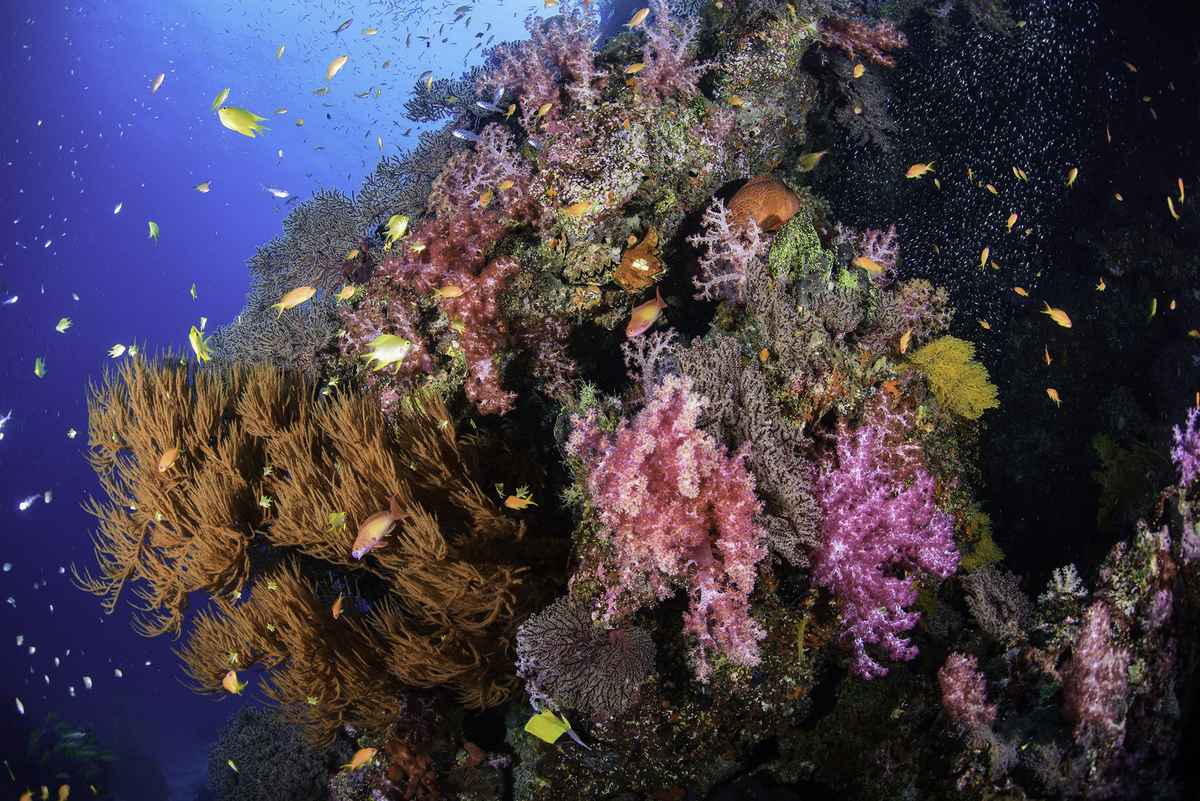
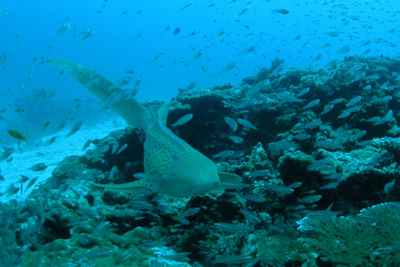
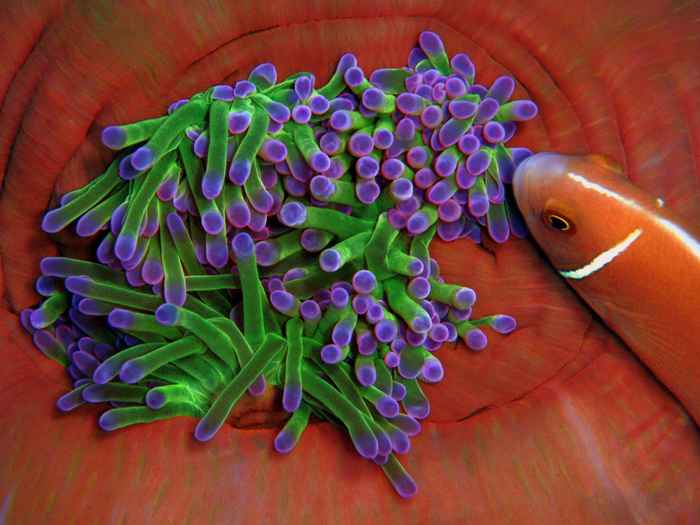
Gulf of Thailand island reached only by ferry, a high-volume certification hub prized for cheap training and reliable whale sharks more than site spectacle.
10 dive sitesBoat
Two coasts on opposite monsoon seasons: Andaman liveaboard pinnacles against the Gulf's cheap, training-focused Koh Tao.
Last updated September 2026
Thailand dives on two coasts that run opposite seasons, and that split, not a province or a province list, is what actually decides a trip. Similan, Surin and Richelieu Rock, on the Andaman side out of Khao Lak, are the flagship: granite boulder islands and one soft-coral pinnacle reached at full coverage only by liveaboard, closed completely from mid-May to mid-October, and named by divers who have also dived the Philippines as the one Thai stop that holds up against it. A reef manta cleaning station at Koh Bon draws steady traffic. Crowding is the flip side of that reputation, and not only here: independent posts dated 2016, 2024 and 2025 all name Similan, Krabi's day-boat sites and Koh Tao alike as fought over, liveaboards included, jostling for space at anchor.
Phi Phi and Koh Lanta answer the same coast without the liveaboard commitment. Phi Phi dives year-round instead of closing for the monsoon, and its case is the paired Bida Islands: a near-guaranteed leopard or blacktip reef shark on a beginner-friendly wall. Koh Lanta reaches a comparable pelagic dive on a day boat instead: Hin Daeng and Hin Muang, a red- and purple-coral pinnacle pair carrying the Andaman's best oceanic manta chance outside a liveaboard, paired on the same trip with a gentler limestone cavern system at Koh Haa.
The Gulf side works on a different logic. Koh Tao trades site spectacle for volume and price, widely described as one of the busiest certification hubs anywhere, and its own headline dive, Sail Rock, splits opinion the way Richelieu Rock does further north: some days crystal clear with whale sharks overhead, others a murky pass with almost nothing to show. East along the same coast, Koh Chang adds a newer, smaller wreck dive: HTMS Chang, deliberately scuttled on 22 November 2012 onto a sandy seabed close to 30 m, its own deck running shallower at roughly 23 to 27 m.
The 6 highlighted areas have full dive guides. Grey markers show more of the country's dive regions, with new guides on the way.
Our handpicked selection of the best diving areas in Thailand.
Multi-day liveaboard diving: granite mazes, current-swept pinnacles, big fish
A year-round Andaman base with reliable leopard and blacktip shark walls
Manta-chance pinnacles, limestone caverns and a shallow reef, one day-boat hub
Similan liveaboard launch point with its own budget wreck-and-macro day trips
Cheap, high-volume certification diving with real whale shark odds
Every Thailand trip settles one fact before the coast split: which season you are travelling in. The Andaman coast is best October to April and closes its flagship park completely from 15/16 May to 15 October, a date the park's own regional office reconfirms every year, never fixing it once for all. The Gulf runs roughly May to September on the standard telling, though Koh Tao markets itself as diveable year-round from sheltered bays. National-park entrance fees apply per visit, separate from any operator dive charge: Similan and Surin charge 500 THB for a foreign adult and 250 THB for a foreign child, and Phi Phi's own two-tier zone schedule adds up to around 600 THB for a first day's diving.
Certification works the same everywhere. The country's own CMAS-affiliated federation, ATUS, sits alongside PADI, SSI and the other international agencies, which still certify divers directly through their own dive centres. Hyperbaric chambers ask for proof of dive insurance before starting treatment, worth carrying regardless of what any park requires on paper. That treatment itself is available at only two points on the map: Phuket and Koh Tao run the country's confirmed recompression chambers, and Koh Samui is not a chamber location. Suvarnabhumi in Bangkok is the main international gateway, with Phuket, Surat Thani and Samui's own airport serving the Andaman and Gulf hubs; Khao Lak, the liveaboard departure town for Similan and Surin, sits roughly 100 km and 1.5 to 2.5 hours from Phuket airport by road. English is standard at dive operators in every hub.
What makes this country a world-class diving destination.
Andaman best October-April; the Gulf runs on the reverse calendar, though Koh Tao markets itself as diveable year-round
Similan, Surin and Richelieu Rock close completely mid-May to mid-October and reach full coverage only by liveaboard from Khao Lak
Thailand's CMAS-affiliated body sits alongside PADI, SSI and the other agencies, which still certify independently
Confirmed recompression chambers sit only at Phuket and Koh Tao, not Koh Samui
Koh Tao's reputation rests on cheap, high-volume Open Water certification, not site spectacle
Cheap, high-volume certification with real whale shark odds
Gulf of Thailand island reached only by ferry, a high-volume certification hub prized for cheap training and reliable whale sharks more than site spectacle.
Manta-chance pinnacles and limestone caverns near Krabi
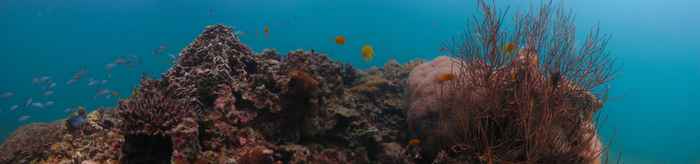
Andaman day-boat hub south of Krabi, built around offshore pinnacles for chance mantas, a limestone cavern cluster and a shallow park-island reef.
Liveaboard granite pinnacles and a manta cleaning station
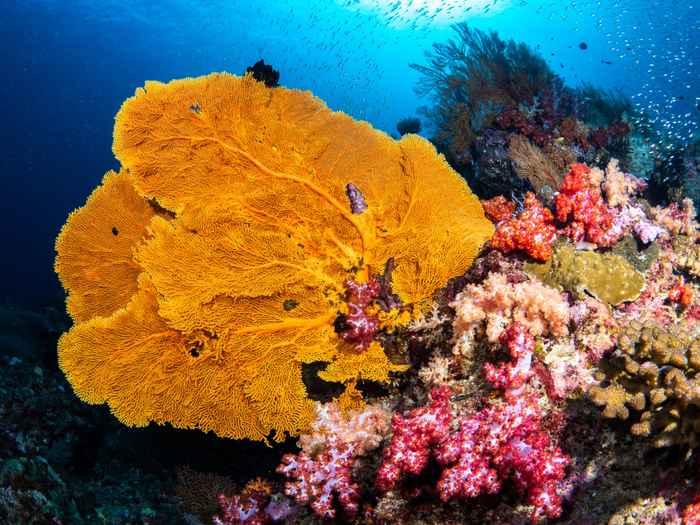
Thailand's most celebrated Andaman liveaboard route: granite boulder islands off Khao Lak, plus Koh Bon, Koh Tachai and Richelieu Rock, closed every monsoon season.
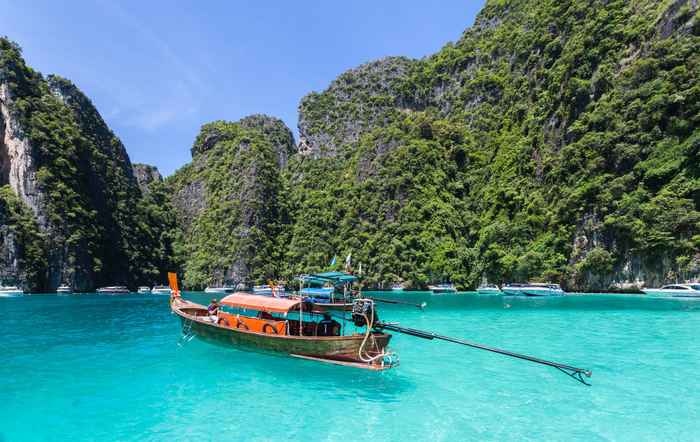
Year-round Andaman walls with leopard and blacktip sharks
Andaman day-boat hub built on its own national park, diveable year-round, known for leopard and blacktip reef sharks off the Bida Islands and Ko Phi Phi Leh.
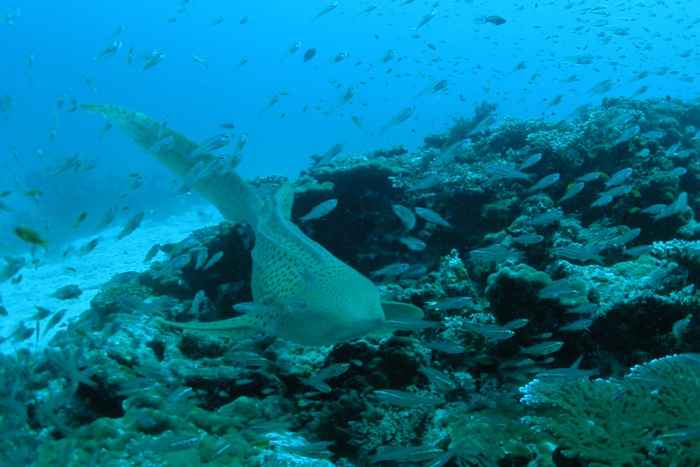
Similan launch town with its own tsunami-scattered wrecks
Andaman coast beach town in Thailand, the departure hub for Similan Islands liveaboards with its own tsunami-linked wreck dives on the side.
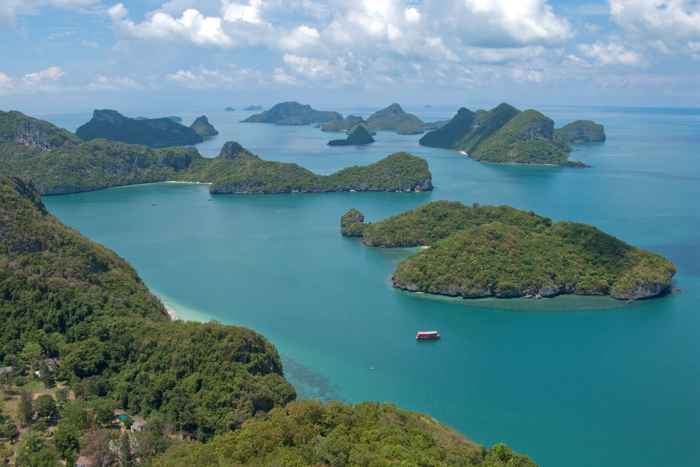
Airport comfort base with two quiet Ang Thong reef dives
Gulf of Thailand resort island with its own airport, a comfort base for day trips to Sail Rock and Koh Tao's reefs, plus two sites of its own inside Ang Thong.
Book online or contact a centre for your trip.

SSI Career Center in Sairee Beach, Koh Tao, running the full course ladder to Instructor and a technical diving department since 1991.

PADI 5-Star Dive Center at the Amari Koh Samui Resort, running its own boats to Sail Rock and Chumphon Pinnacle since 1999.

RAID-only beachfront resort in Chalok Bay, south Koh Tao; boat dives capped at four divers per guide, rated 4.7/5 from 467 reviews.

Family-run Chalok Baan Kao dive school on Koh Tao since 1995, capped at 24 divers a day and known for its New Heaven Reef Conservation Program (est. 2007).
French-speaking SSI dive school at Mae Haad, Koh Tao, founded 2016, capping every guided dive at 4 divers per guide.

Get in touch to add or claim your dive center listing on DiveCodex.
Official coral rules (Royal Gazette)Government coral protection summaryChecked: Oct 2026
Yes, especially away from the liveaboard-only Andaman flagship. Loh Samah Bay and the calm halves of Phi Phi's Bida Islands sit within Open Water limits, and Koh Tao's own training bays are built around a first certified dive. Similan and Koh Lanta's Hin Daeng/Hin Muang pinnacles are the exception, both graded advanced for current and depth.
Two wrecks anchor it, both in the Gulf of Thailand. Koh Tao's HTMS Sattakut, a WWII-era vessel sunk in 2011, sits close to shore with two deck guns still mounted and its own wreck-diving courses. Further east, Koh Chang's HTMS Chang was scuttled on 22 November 2012 onto a sandy seabed close to 30 m, with the deck itself running shallower at roughly 23 to 27 m.
A national-park entrance fee applies at every park site, charged per visit and separate from any operator dive fee: Similan and Surin run 500 THB for a foreign adult, and Phi Phi's own two-tier zone schedule adds up to around 600 THB for a first day's diving. Insurance is murkier. Tourism pages repeat a claim that Thai law requires it for national-park diving, but an operator page checked directly does not confirm a legal mandate, only that hyperbaric chambers require proof of insurance before starting treatment. Carry it regardless; you will only be asked at the point it matters most.
The Andaman and the Gulf run on opposite calendars, and coast matters more to planning a Thailand trip than any single site does. The Andaman coast, Similan, Surin, Phi Phi, Koh Lanta, peaks October to April and closes completely mid-May to mid-October at its flagship park. The Gulf of Thailand runs on the opposite clock, best broadly May to September, though Koh Tao markets itself as diveable year-round from sheltered bays regardless of month.
It is. ATUS, the Association of Thailand Underwater Sports, is the country's own CMAS-affiliated federation, but it sits alongside international agencies, not above them: PADI, SSI and the others certify and operate independently through their own dive centres, and an existing card from any major agency is accepted throughout the country.
Neither is guaranteed, and the reasons differ. Whale sharks at Sail Rock and Richelieu Rock turn up often enough to be marketed heavily, but divers who have made the trip describe the encounter as inconsistent: some days clear with sharks overhead, others a quiet pass with nothing. Leopard (zebra) sharks are a separate story: a government-backed programme has been breeding and releasing the species at Koh Maiton, near Phuket, since 2025, after a broader decline across Thai waters and stricter park rules at the Similans and Phi Phi, but that project is specific to Koh Maiton and is not evidence of the species at any other Thai site.
Log your dives - notes, photos, conditions and the marine life you saw - and share them as one public diver profile. What you share helps the next diver, too.
Log every detail
Depth, duration, conditions, gear, buddy, notes — all in one place. Import from Suunto and other dive computers.
Track marine life
Record species sightings on each dive. Build a personal catalogue of everything you've seen underwater.
Your public dive profile
Share your dive history, stats, and experiences with a profile page you control. Show the world where you've been.