

Buceo Aqualia
Training-led dive centre in La Herradura with SSI courses, UTD technical programmes and daily guided dives from Marina del Este, by shore or boat.
SSI5 services2 languages
Orange-coral walls on a protected cliff coast, with a sheltered horseshoe bay for first dives, on Andalusia's Costa Tropical.
Last updated October 2026
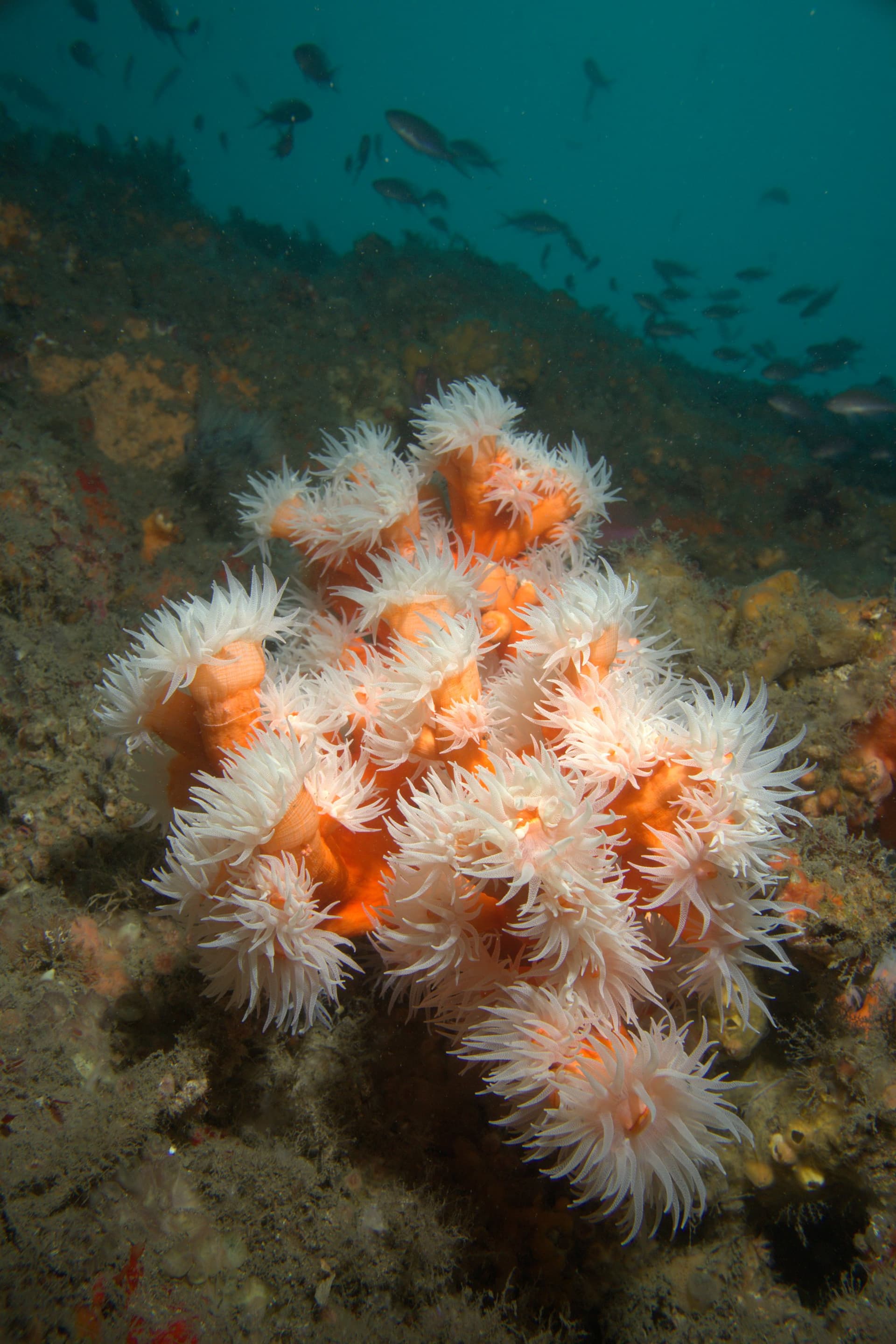
Orange coral (Astroides calycularis) and dead man's hand (Alcyonium palmatum, a soft coral) grow side by side on the deep walls of Punta de la Mona and Piedras Altas, with red and yellow gorgonians higher up. That is what experienced divers come to La Herradura for, and it sits a short boat ride east of a horseshoe bay shallow and sheltered enough for baptisms and first courses.
Punta de la Mona is the signature wall, covered in gorgonians and prone to current; one operator lists a 17 m descent line, a maximum beyond 40 m and a 20 m average, and grades it Advanced with nitrox recommended. Piedras Altas carries the same corals on a rocky, current-swept bottom. Cueva del Jarro is a cavern named for the amphorae once found there, and an overhead environment, so it asks for more than its medium grade suggests. Piedra del Hombre is a large rock breaking the surface where fish gather, with moray eels and triggerfish. La Calita, a sand and rock cove with a wall variant, is the sheltered stop on the headland and pairs a shallow cove with a deeper route on the same boat drop, its crevices rich in macro life.
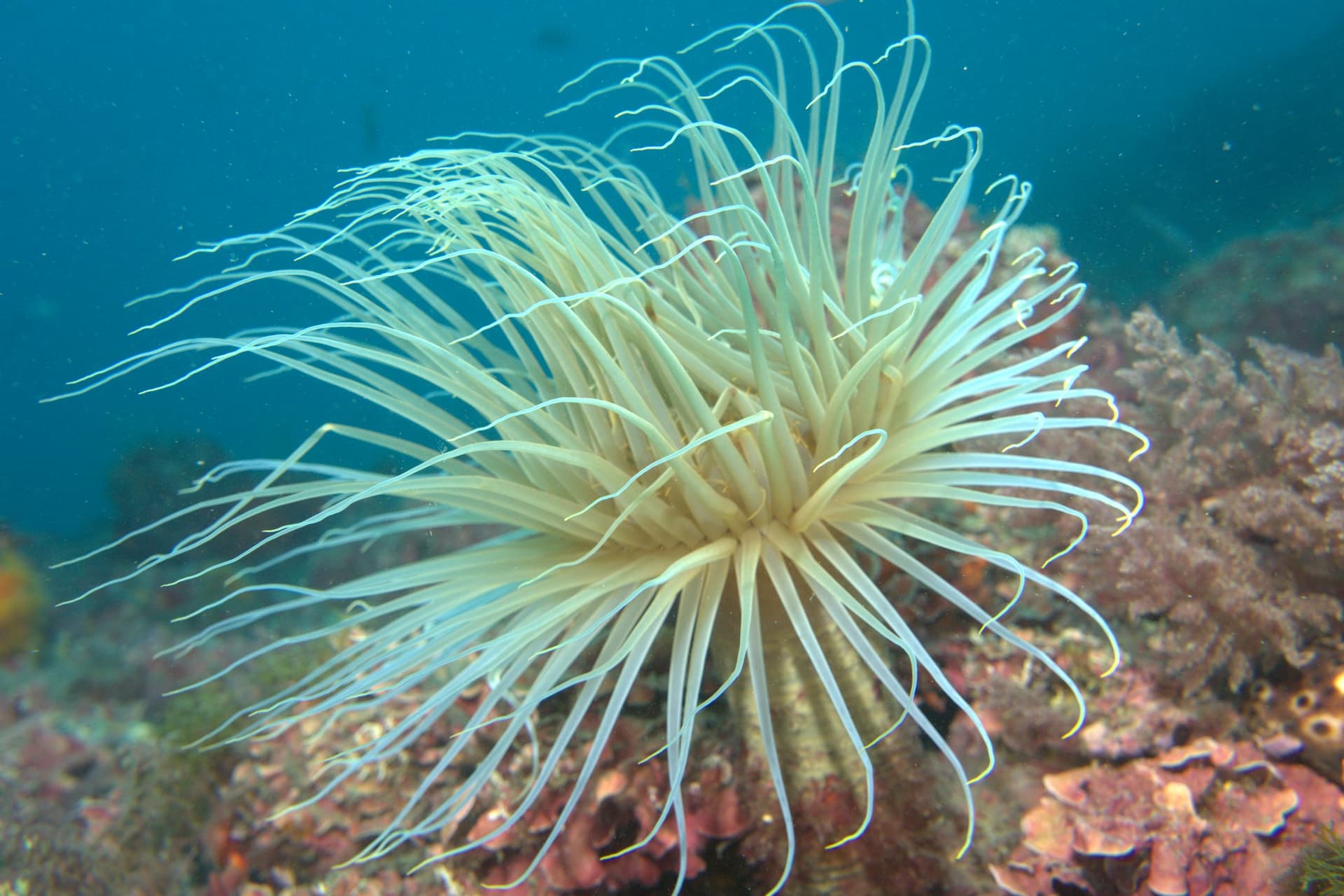
Inside the bay, Marina del Este is the sector described as the one to choose when a west wind blows. Its sub-sites climb in difficulty: the shallow reefs and the sheltered rock wall of Vapor-Escollera, around 12 m, suit first dives, Mola Mola Point at about 26 m asks for Advanced Open Water, and the gullies of Las Hondonadas drop past 40 m. El Vapor, a rock wall with some current, is graded easy, and Pecio Los Candelabros, on rock and sand with current, medium. Along the Maro-Cerro Gordo coast, La Huerta is a sand and rock dive inside the park, with eagle rays and groupers among cerianthus anemones and sponges.
The park, a 12 km marine-terrestrial strip between Nerja and Almuñécar, was declared by Ley 2/1989 of 18 July and listed as a Specially Protected Area of Mediterranean Importance in 2003. Decreto 6/2015 added Natura 2000 status, enlarged the park and approved the management plan that sets today's diving rules. That plan names recreational scuba itself as a source of impact, through anchoring and coral damage.
Most visitors fly into Málaga and drive the A-7. Centres cluster in La Herradura and Almuñécar, and boats leave from Puerto Deportivo Marina del Este.
Inside the park every scuba dive runs from a support boat on the park's buoys under a prior authorisation, so boat dives there go through authorised operators in practice, and a diver without a boat books with one. The Advanced grading on the two deep walls is operator practice, not a rule of the decree: ask your centre which part of the wall the day's dive will use and what depth that implies. Cueva del Jarro belongs on a guided dive with a centre that runs it.
May to October is the main season, July to September the busiest. Winter diving continues, though some centres run fewer days from December to March, so call ahead.
Metamorphic and volcanic cliffs eroded into walls, caves and swim-throughs, with sand and Posidonia meadows between the rock in the sheltered bay.
The diving here splits into 3 zones:
Advanced divers and underwater photographers who want La Herradura's signature deep wall paired with a sheltered cavern circuit for less experienced buddies
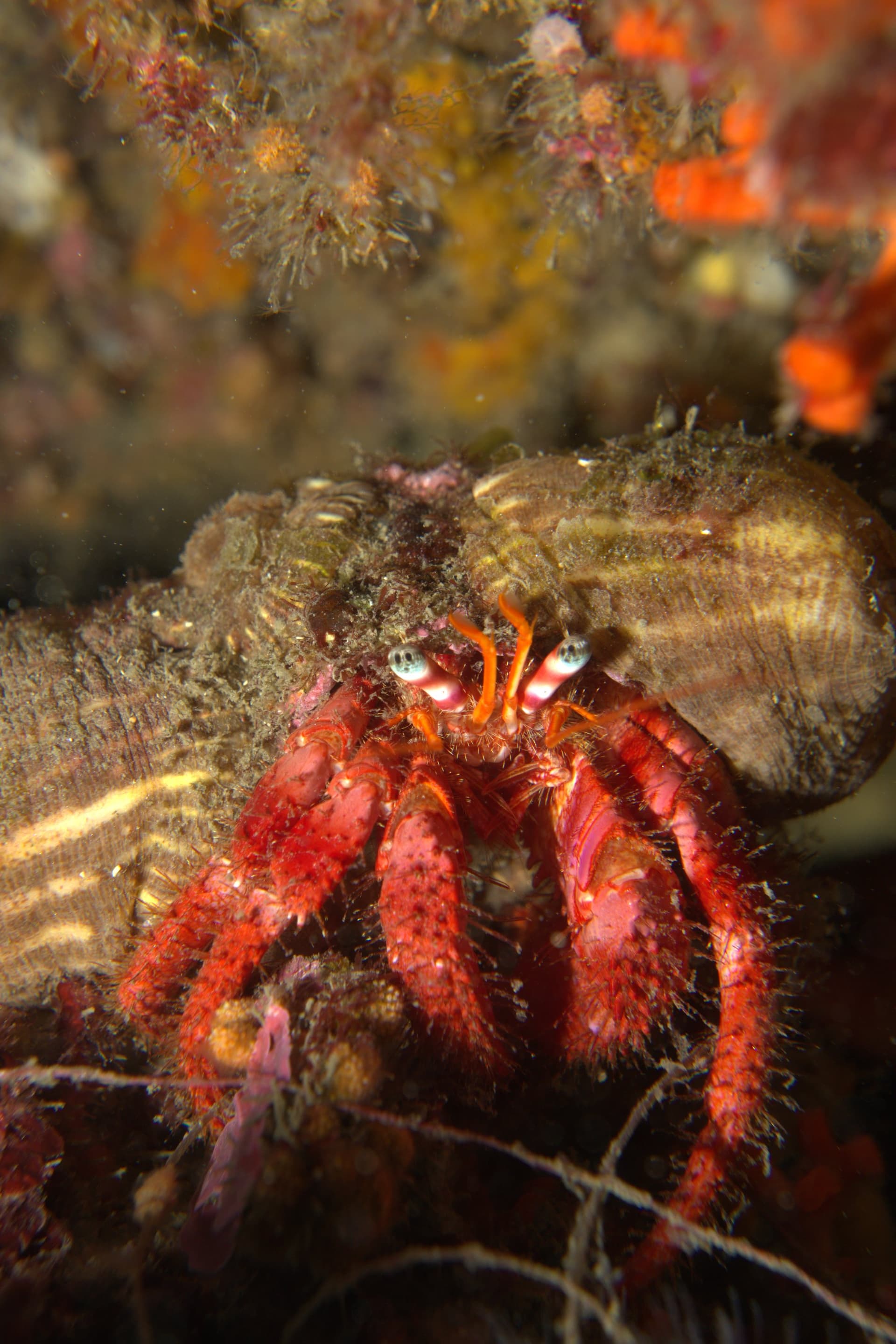
Mixed-level dive groups: an OW-friendly cove paired with an AOW deep route to the lobster cave on the same boat drop
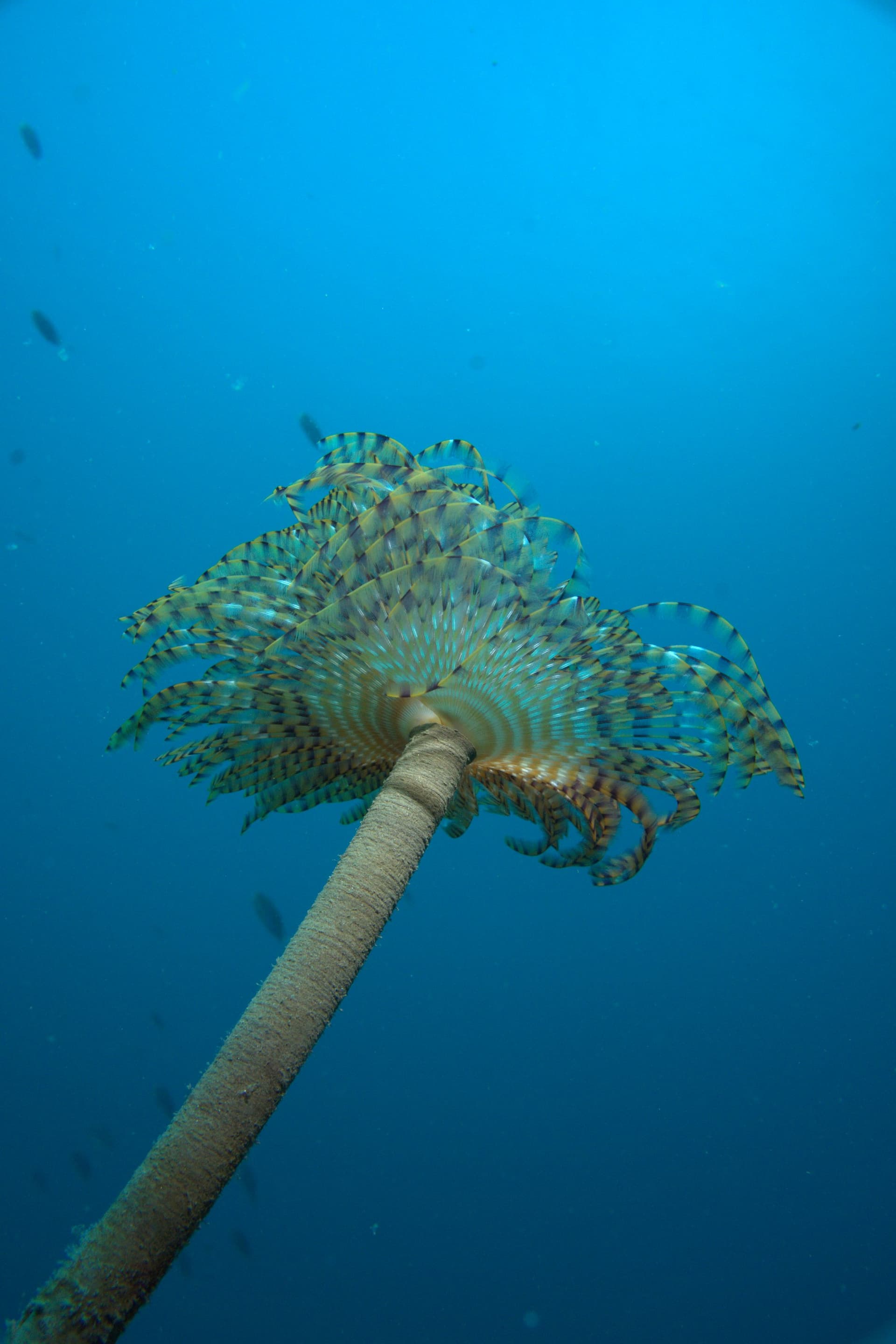
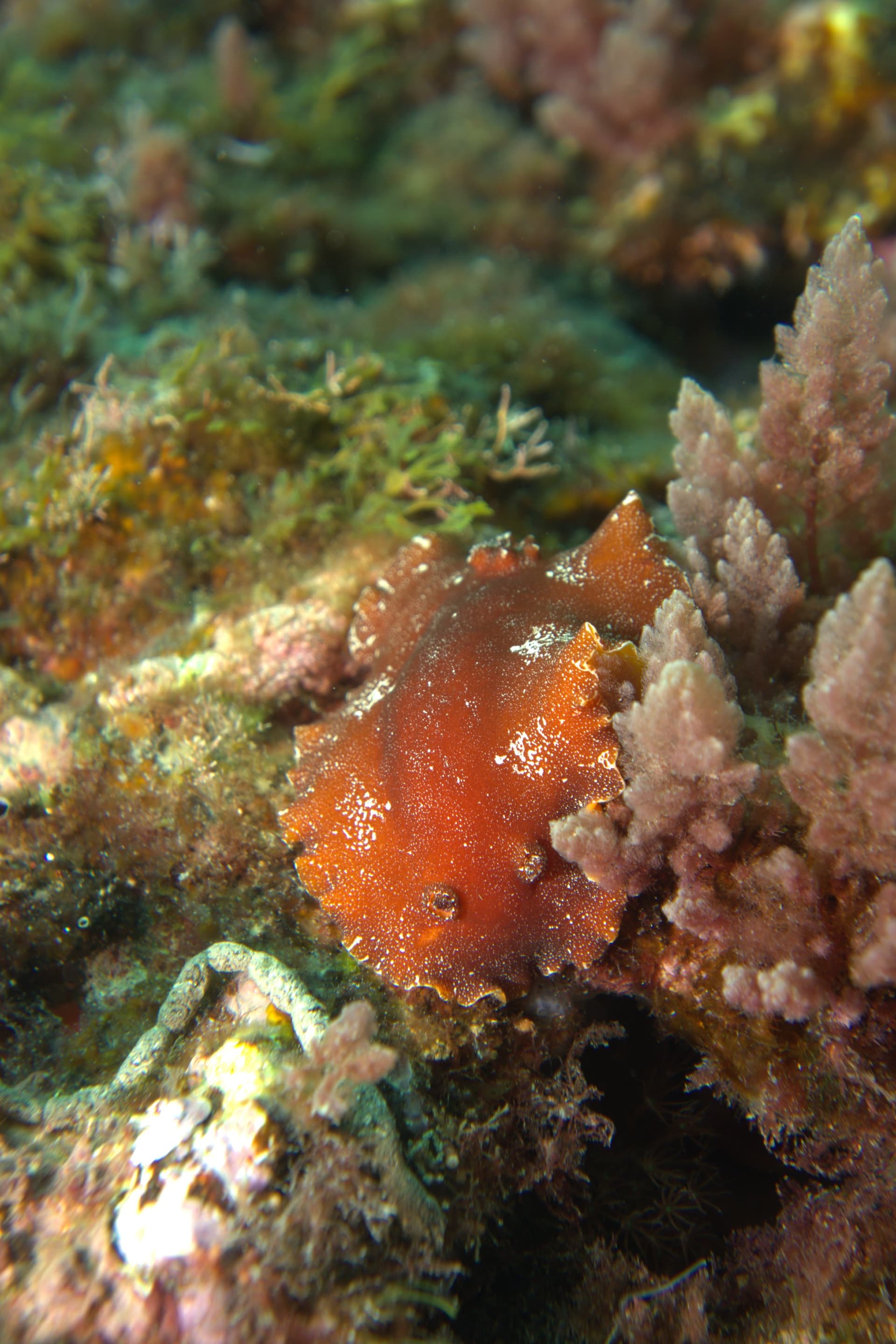
An orange-coral pinnacle and nudibranch macro inside Open Water depth
Block-wall drift with candelabra coral, and La 41 as a separate deep dive
Backlit orange-coral cavern with a wall to candelabra coral
Find a lone rock by compass, then drop to sunken cars
Open Water students, try-divers, and recreational divers wanting La Herradura's easiest shore entry, a permitted night dive, or a slow macro pass on the western rocks
Buried fishing-boat frames and a near-surface seca on one shallow route
Book online or contact a centre that dives this area.
Training-led dive centre in La Herradura with SSI courses, UTD technical programmes and daily guided dives from Marina del Este, by shore or boat.

PADI 5 Star IDC center in Marina del Este with 20+ years of experience, 6 instructors, and boat dives across 16 sites in La Herradura bay.

PADI 5 Star beachfront center in La Herradura with an in-house workshop, marine biology programs, and 16 sites from beginner coves to 40m walls.
Boutique SSI center in La Herradura built around deliberate slow-pace diving, marine education, and low-impact access to the Maro-Cerro Gordo protected coast.
Get in touch to add or claim your dive center listing on DiveCodex.
A local rule of thumb says levante (east wind) warms the water but costs visibility and stirs the muddy bottoms near Marina del Este, while poniente (west wind) cools it and clears it; the bay is described as the place to dive when poniente blows.
What can go wrong here, and what divers do about it. Conditions change - take the briefing from the operator on the day.
Marine protected area
Area rules order (2025)Management planNatura 2000 site sheetChecked: Oct 2026
Scuba inside the Paraje Natural is a boat activity: the decree asks for a support boat and prior authorisation. A private party with its own boat can be authorised, and without one you book with an operator that runs the park dives. Some coves in the bay also offer shore entries, mostly shallow and sheltered.
Marina del Este is where baptisms and first courses run, in the shallow coves and the first stretch of the bay. La Calita is the sheltered cove of the headland group, and Cueva del Jarro, Piedra del Hombre and Pecio Los Candelabros sit at medium difficulty. Punta de la Mona and Piedras Altas are the experienced divers' walls.
At around 12 m, the shallow reefs and Vapor-Escollera suit Open Water divers. Mola Mola Point, at about 26 m, and Las Hondonadas, past 40 m, are for Advanced Open Water. Ask the centre which sub-site it plans to dive and what depth that implies.
It depends on the part of the wall. The Advanced grading belongs to operators and is practice, not a rule of the park decree, and the listed maximum depths sit beyond what Advanced Open Water allows, so the answer turns on the profile the day's dive uses. Ask the centre for the planned depth before you book.
It is described as a cave system with a wide entrance that narrows deeper in, graded medium. That makes it an overhead environment, a different thing from open-water diving: the ceiling is between you and the surface. Treat it as a guided dive with a centre that runs it and with training for overhead diving.
Yes, diving continues through the year, though some centres cut their days between December and March, so confirm departures and minimum group sizes first. Mola Mola Dive runs a dedicated winter Open Water course.
Yes. The Guía de Buceo Sostenible del Litoral Occidental de Granada, from veteran scientific divers of the Asociación Hombre y Territorio, gives sketches and detail for 14 of the area's most popular dives.
It helps. Many centres are within walking distance of the beach or the port, but the boats leave from Puerto Deportivo Marina del Este and a taxi covers the stretch from town.
Also known as: La Herradura - Cerro Gordo, Marina del Este
Log your dives - notes, photos, conditions and the marine life you saw - and share them as one public diver profile. What you share helps the next diver, too.
Log every detail
Depth, duration, conditions, gear, buddy, notes — all in one place. Import from Suunto and other dive computers.
Track marine life
Record species sightings on each dive. Build a personal catalogue of everything you've seen underwater.
Your public dive profile
Share your dive history, stats, and experiences with a profile page you control. Show the world where you've been.