

Aqua-Marina Diving Center Tenerife
PADI 5 Star IDC dive centre in Playa de las Américas since 1999, running up to three boat dives a day plus a separate shore-dive programme along the coast.
PADI7 services3 languages
Also known as: Mar Azul, Mar Azul Valito, Vallito
A former banana-loading port turned volcanic cave maze between Los Gigantes and Costa Adeje, west Tenerife, with routes from 12m to 40m.
Last updated July 2026
The entry is the first thing you notice: a ladder set into the stonework of an old cargo port, not a beach or a boat rail. Below the surface, huge volcanic boulders open into caves, caverns and arches running in several directions from the same drop point. One common route works down to 26 metres to find an arch with a chimney feature, with the option to push on to 40 metres for divers who want the deep version. A shallower path stays around 12 metres, threading a notable cavern and a run of arches while stingrays and amberjacks move through the open water alongside. Which route you take changes the dive completely. The entry point never does.
Most sites in this cluster offer one kind of terrain. El Balito offers several from a single descent: wall, cave, tunnel and open swim-through, all inside the footprint of what used to be a working landing point for agricultural boats. That density is why local divers use it to sharpen buoyancy, not because it's marketed that way but because the terrain demands it. Squeeze through the wrong gap with poor trim and you'll know about it immediately.
Calm surface conditions matter here more than at open-water sites; some of the caves should be entered only when the sea is settled, to avoid being pushed against rock walls inside. The dirt-road approach and the rock-face or ladder entry are worth planning for if you're not used to shore-entry logistics of this kind. Pack a torch, a cutting tool and a 5mm wetsuit as standard. Give any angel shark a wide, unhurried berth if you're lucky enough to cross paths with one over winter.
What makes this dive site stand out.
Divers descend a ladder built into the old cargo-landing structure
Volcanic rock riddled with caverns, arches and swim-throughs
Different paths run in different directions from the same descent point
The maze of swim-throughs is used locally to sharpen trim and control
Both are frequently encountered on the shallower routes
28.1386°N, 16.7919°W
Diveable year-round; calm sea conditions are needed before entering some of the caves
Contact a local operator for current pricing
Open Water suits the shallower routes around 12m; Advanced Open Water or better is needed for the swim-throughs beyond 26m and the deep option to 40m
Summary
The rocky, unpaved entry point and occasional medium currents add real difficulty beyond the underwater profile itself
Safety considerations
What can go wrong here, and what divers do about it. Conditions change - take the briefing from the operator on the day.
Book a guided dive at this site.
PADI 5 Star IDC dive centre in Playa de las Américas since 1999, running up to three boat dives a day plus a separate shore-dive programme along the coast.

PADI 5 Star Dive Resort in Costa del Silencio, south Tenerife, family-run since 1987 with a house reef at Montaña Amarilla and small-group day trips.
SSI centre in Los Cristianos, south Tenerife, capping groups at four divers per guide and specialising in beginner and nervous-diver instruction.
Small SSI dive centre in Costa del Silencio, 500m from its house site at Montaña Amarilla, run by instructor Marcin with no-deposit booking and transparent pricing.

Las Galletas dive centre with a wide own-published site catalogue from Rays Bay through Abades, running PADI-style courses and boat/shore dives across south Tenerife.

PADI dive school on Paseo Marítimo in Los Cristianos, running shore and boat dives island-wide plus kayak and snorkel tours.
PADI 5 Star IDC Resort and Eco Centre in Costa Adeje, teaching from La Pinta beach and running TecRec technical training up to Tec 45.
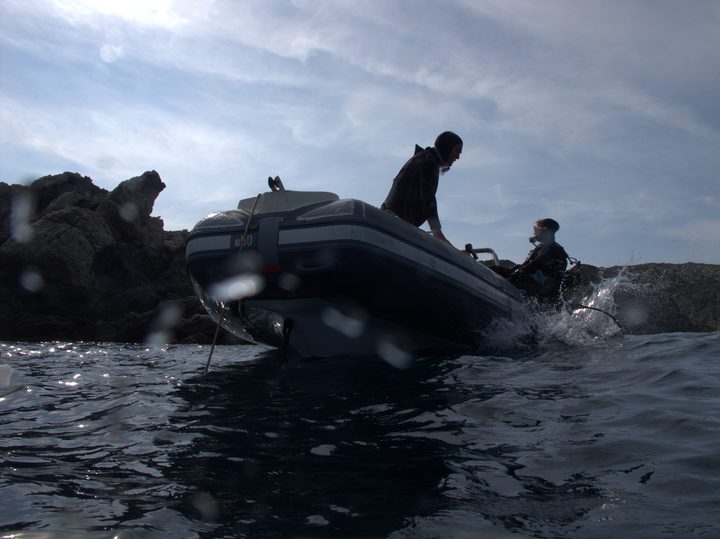
Get in touch to add or claim your dive center listing on DiveCodex.
Before tourism-era infrastructure took over, this stretch of coast was a small landing point where locals brought agricultural produce, including bananas, ashore by boat. The old port structure is still there, and the ladder divers use to enter the water today runs down through it.
Open Water is enough for the shallower routes around 12 metres. The deeper swim-throughs past 26 metres, and the extended option to 40 metres, call for Advanced Open Water or more experience.
No. El Balito sits further north, between Callao Salvaje and Playa Paraiso, and is built around a former port entry point with a dense cave and arch network. The Playa Paraiso sites are separate beach dives with different terrain.
No, and they shouldn't be treated as a reason to book. Angel sharks are a critically endangered species that turn up occasionally, more often between November and April, but a sighting is never guaranteed.
The site is dense with caves, caverns, arches and swim-throughs, all reachable from one entry point. Working through that terrain without touching anything sharpens trim and control in a way open-water diving doesn't.
Via a ladder built into the old port structure, or a stairway cut into the rock face nearby. The site is reached by dirt road, with parking close to the entry point.
The shallower routes around 12 metres work for Open Water divers. The rocky, unpaved entry and the deeper swim-through sections make the site as a whole better suited to divers with some experience.
Log your dives - notes, photos, conditions and the marine life you saw - and share them as one public diver profile. What you share helps the next diver, too.
Log every detail
Depth, duration, conditions, gear, buddy, notes — all in one place. Import from Suunto and other dive computers.
Track marine life
Record species sightings on each dive. Build a personal catalogue of everything you've seen underwater.
Your public dive profile
Share your dive history, stats, and experiences with a profile page you control. Show the world where you've been.