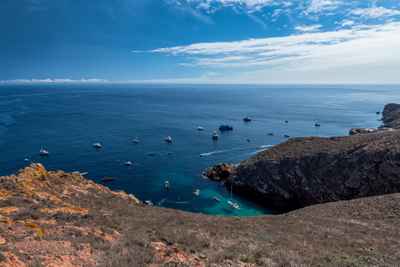
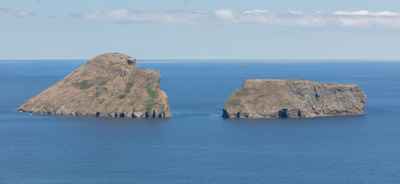
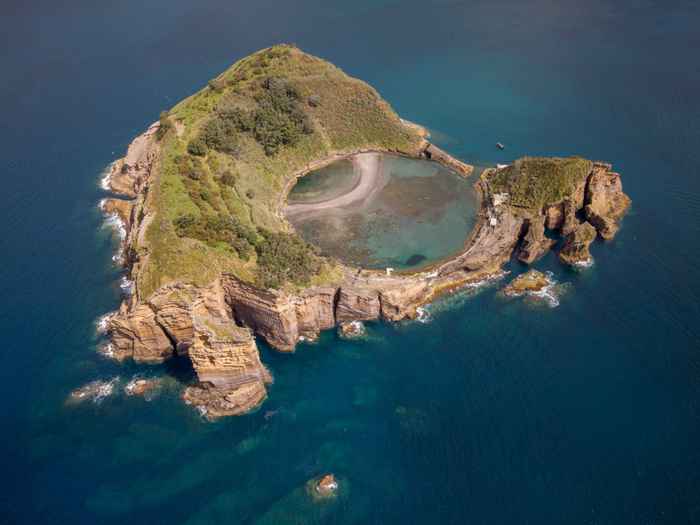
Sao Miguel
Easiest Azores access, softer on marine life
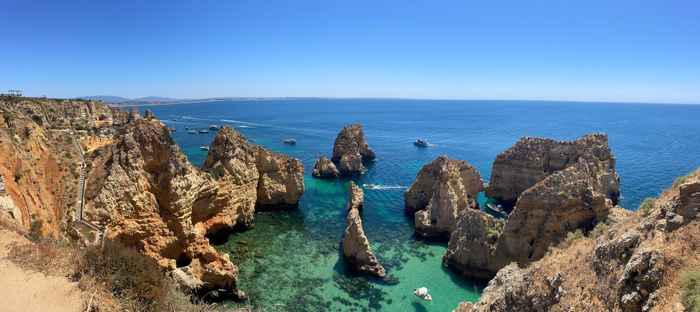
The Azores' largest island, with volcanic day-boat diving off Ponta Delgada and Vila Franca do Campo, built around the WWII Dori wreck.
11 dive sitesBoat
Volcanic Atlantic islands with offshore pelagic banks meet a colder mainland coast of limestone caves and century-old shipwrecks.
Last updated September 2026
Cross from mainland Portugal to the Azores or Madeira and the diving changes completely, driven far more by water temperature and clarity than by distance. The Azores and Madeira, both subtropical Atlantic archipelagos a flight from the mainland, dive warmer and clearer and build their reputation on pelagic encounters the colder Atlantic further north simply doesn't produce. Mainland Portugal answers with limestone caves, a UNESCO-listed wreck park and one of Europe's older marine reserves.
In the Azores, four islands share a base built on offshore seamounts. Faial and Pico work as one unit across a short ferry crossing. Both send divers out to Princess Alice Bank, where mobula-ray aggregations can top twenty animals on a good day, and to a summer blue-shark trip most operators run from June through September. Santa Maria, the archipelago's other pelagic island, reaches Baixa do Ambrósio in a shorter run from its own marina; the same reef carries the best-documented whale-shark reports in the islands, always a warm-year possibility, never a guaranteed sighting. Terceira trades pelagic odds for history: the Bay of Angra do Heroismo holds a decreed underwater archaeological park with an anchor field spanning four centuries of shipwrecks, inside a UNESCO World Heritage town. São Miguel, the easiest island to reach, is generally rated the softest of the four for marine life, and most visitors treat it as an add-on, not the reason for the trip.
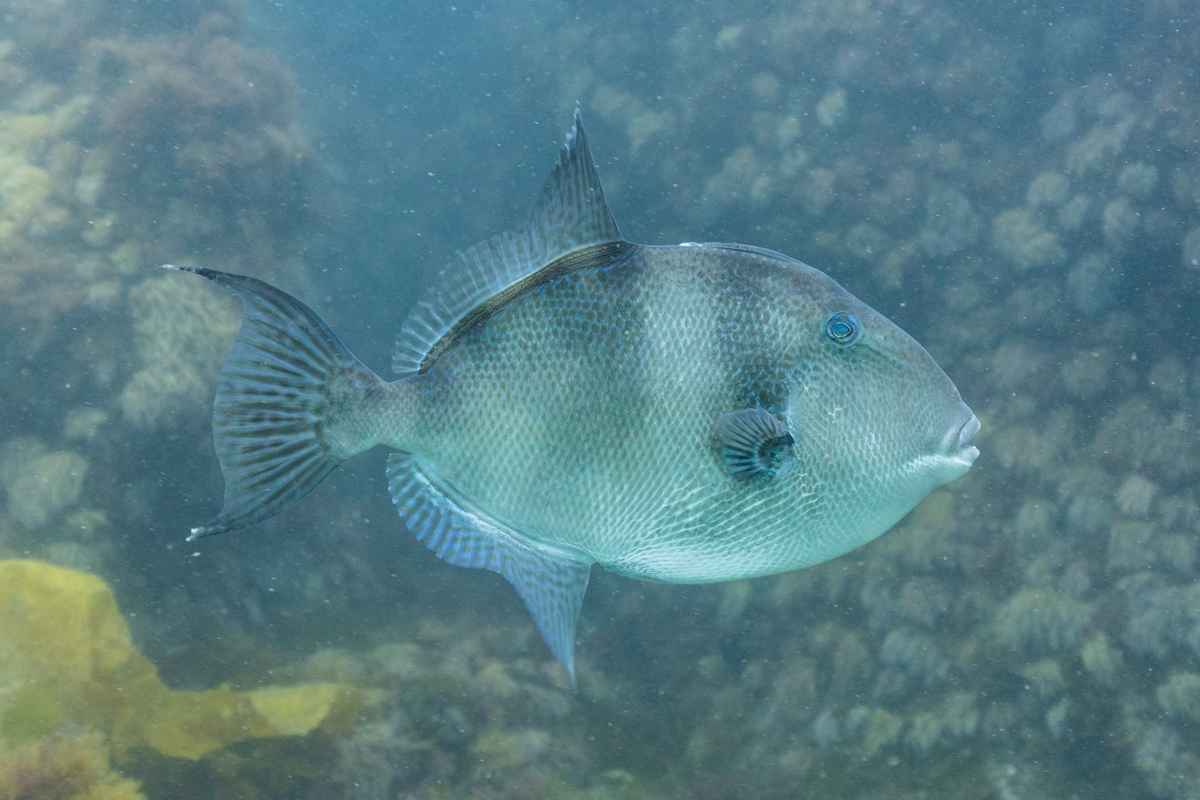
Madeira and its sister island, Porto Santo, share coral-free volcanic terrain but split on what defines them. Madeira's Garajau reserve holds habituated groupers, one nicknamed Elvis by repeat visitors, alongside a broken wreck for advanced divers; Porto Santo, warmer and clearer on most days, is built entirely around two deliberately sunk ships a short boat ride from Vila Baleira.
The mainland carries its own internal split. The Algarve pairs limestone sea caves around Sagres with a wreck trail spanning two world wars, from U-boat victims to the Ocean Revival park's scuttled navy vessels off Portimao. Peniche and the Berlengas islands, Portugal's oldest marine reserve, hold a denser wreck cluster for their size than any other mainland area, plus a beginner cave circuit divers rate above the Algarve's own visibility on a good day. Lisbon and Cascais give the shortest possible add-on to a capital-city trip: a 10- to 30-minute RIB ride out of Cascais or Estoril to cold, lower-visibility reef, no overnight or inter-island logistics required. South of the capital, Sesimbra and Arrabida split a single zoned marine park two ways: boat and zodiac trips out of Sesimbra town to the River Gurara wreck and a nursery reef, and a separate shore and snorkel entry at Portinho da Arrabida. Porto's stretch of coast runs colder and thinner on marine life than anywhere else on the mainland: day-boat wreck diving from Matosinhos and Leixoes on both banks of the Douro, built around the WWII submarine U-1277, in cold water where poor visibility is a common complaint even at the best time of year.
The 10 highlighted areas have full dive guides. Grey markers show more of the country's dive regions, with new guides on the way.
Our handpicked selection of the best diving areas in Portugal.
Limestone sea caves and a WWI-to-WWII wreck trail on a cold Atlantic coast
Habituated reef groupers and a penetrable wreck off a volcanic Atlantic island
Wreck and cave diving on a day boat to Portugal's oldest marine reserve
A shipwreck-and-anchor park decreed inside a UNESCO World Heritage bay
Wreck and reef macro from Sesimbra, plus shore diving at Portinho da Arrábida
A recognised certification card, one of six systems carrying official recognition in the country (CMAS, PADI, SSI, SDI, DDI or GUE), satisfies Lei n.º 24/2013 of 20 March, the national law that replaced Decreto-Lei n.º 16/2007 and licenses every diving-service operator in the country (see FAQ for how that recognised list grew over time). Insurance is the operator's obligation under a separate 2007 regulation, so a visiting diver needs no separate cover to book a dive.
Marine reserves cover much of the country's headline diving, each with its own rules: Berlengas requires a landing permit only if you set foot on Berlenga Grande itself, never for a boat dive that stays offshore, and caps how many people can be on Berlenga Grande at once at 550 under a 2019 government order, so a landing slot is worth booking ahead in peak season; Madeira's Garajau reserve caps unescorted groups at eight divers; Porto Santo charges a small per-dive conservation fee at its two wreck sites.
Season splits by coast: March to May and September to November give the mainland its clearest water, while the Azores and Madeira run a wider June-to-October window, and the Azores' own offshore-bank trips narrow to that same stretch for weather reasons. No area in the country runs a fleet liveaboard; the one exception is a private sailing-catamaran charter out of Santa Maria that only sails once a minimum group of divers has booked together for a multi-day trip.
Seven hyperbaric chambers serve the whole country: one each on the mainland's Lisbon and Porto coasts and in the Algarve, one on Madeira, and one per diving group in the Azores, so the nearest one depends entirely on where you're diving. Santa Maria has none of its own; its divers cross 57 nautical miles by air to reach Ponta Delgada's chamber. Lisbon, Faro, Porto and the main Azores and Madeira islands each keep their own international airport, so combining regions usually means a flight, not a drive.
What makes this country a world-class diving destination.
The Azores' offshore pelagic banks and Madeira's scuttled wrecks sit a flight from the colder mainland coast
Every dive nationwide runs from a day boat or the shore, apart from one private sailing-catamaran charter out of Santa Maria
The Azores, Madeira, the Algarve, the central coast and the north each carry their own access model and season
Marine protection covers much of the headline diving, from Berlengas' 1981 designation to the Algarve's 2024 Pedra do Valado park
Nine volcanic islands 1,500 km out in the Atlantic; each island has its own operators and boats, and the offshore banks are day trips from the nearest port.
Easiest Azores access, softer on marine life
The Azores' largest island, with volcanic day-boat diving off Ponta Delgada and Vila Franca do Campo, built around the WWII Dori wreck.
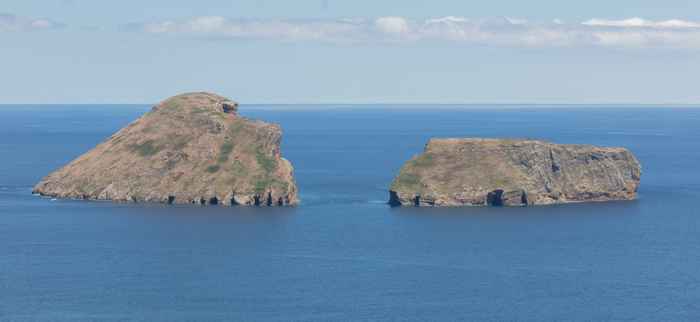
A 400-year wreck-and-anchor park inside a UNESCO bay
The Azores' historical dive island: a 400-year shipwreck-and-anchor park by Angra do Heroismo, volcanic caves, and easy day-boat diving from two ports.
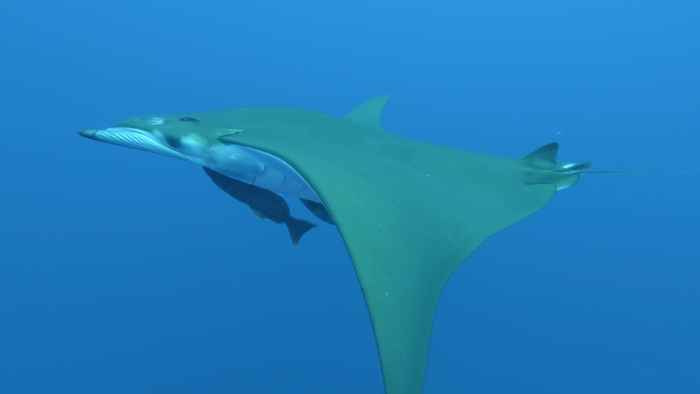
Manta and devil rays off Santa Maria
The Azores' oldest island pairs sheltered marine-reserve dives with day-boat trips to a manta-ray seamount and a remote grouper-filled reserve.
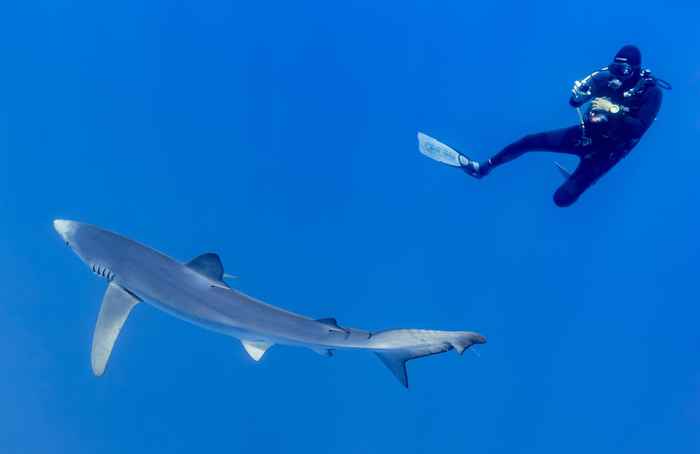
Summer blue sharks and mobula rays offshore
Two Central Azores islands sharing a day-boat base for volcanic reefs, summer blue sharks, and mobula-ray dives on the offshore Princess Alice seamount.
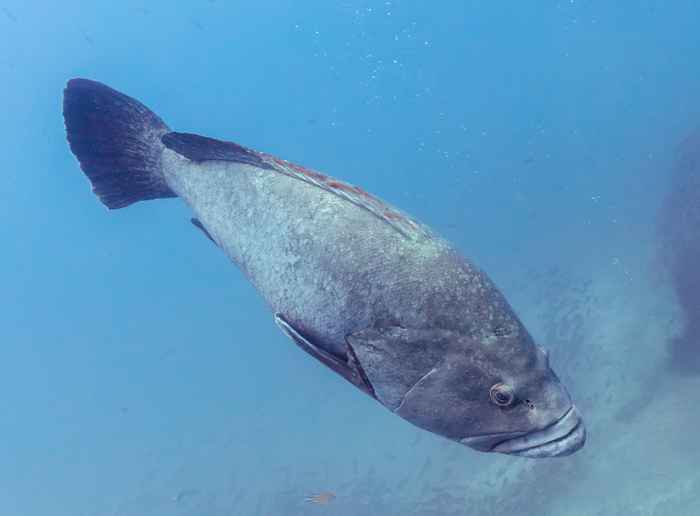
Habituated reef groupers and one wreck, no coral
Volcanic reef and wreck diving off Madeira, anchored by the 1986 Garajau Marine Reserve's habituated groupers and a scuttled naval corvette.
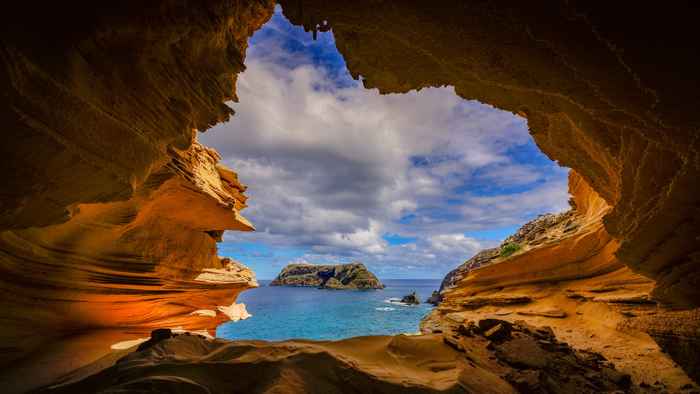
Madeira's warmer, wreck-diving sister island
Two deliberately-sunk warships and a resident grouper population define diving on Madeira's quieter sister island, day-boat only from Vila Baleira.
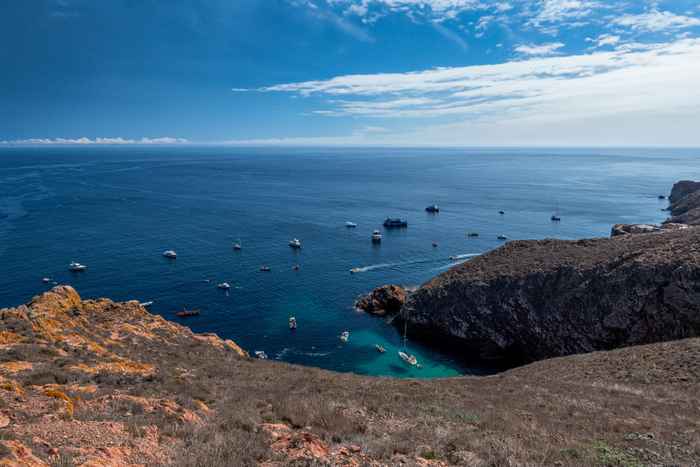
Portugal's oldest reserve, a dense wreck cluster
Portugal's oldest marine reserve, a granite archipelago about 30 minutes by boat from Peniche, with Vapor do Trigo's wreck to 30m and a beginner cave circuit.
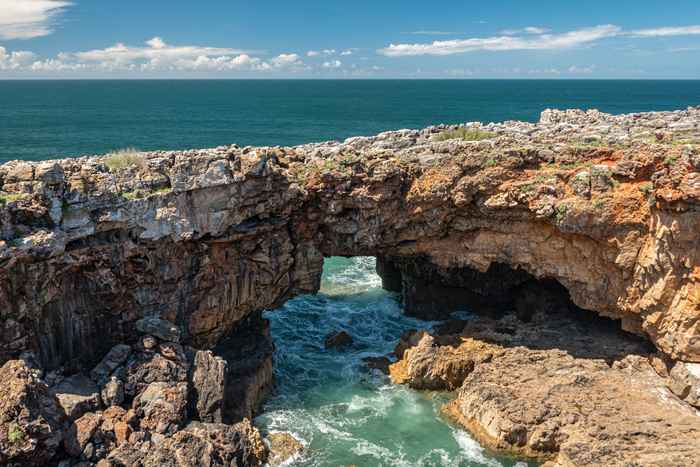
A short RIB ride from the capital, cold and quiet
Short RIB trips from Cascais and Estoril to Atlantic reef and rock-passage dives, fifteen to thirty minutes from Lisbon, in cold water and modest visibility.
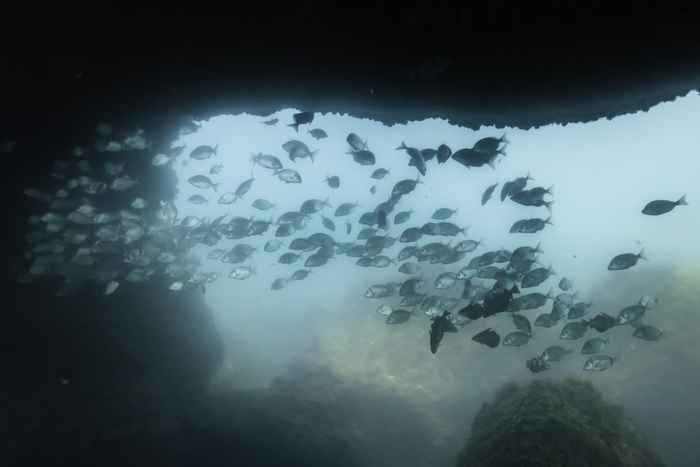
One marine park, two very different ways to dive it
A protected marine park off Sesimbra, with boat trips to the River Gurara wreck and macro-rich reefs, plus a shore dive at Portinho da Arrábida.
Book online or contact a centre for your trip.
SSI Instructor Training Center at Sesimbra harbour, running boat dives to Batelão and the River Gurara wreck since 2004, with technical diving to Trimix.

SSI Instructor Training Center at Sesimbra's Porto de Abrigo, running daily boat dives and a premium River Gurara wreck product.

SSI/PADI Dive Resort at Caniço de Baixo, Madeira, running a six-site house reef the centre calls the island's largest, since 1988.
SSI dive centre at the Clube Naval do Funchal marina, Madeira, running house-reef and boat dives, SSI courses and conservation-partnered research diving.

SSI Diamond Center at Vila Franca do Campo marina, running boat dives to Sao Miguel's south coast and the offshore Formigas & Dollabarat reserve.

SSI/PADI dive centre at Ponta Delgada marina, Sao Miguel, running boat dives to the Dori wreck and offshore trips to Formigas and Dollabarat.

PADI 5-Star centre with two bases in Funchal and Caniçal, Madeira, running reef, wreck and Ponta de São Lourenço boat dives since 2014.

Get in touch to add or claim your dive center listing on DiveCodex.
Recreational diving lawSports authority: recreational divingRules for introductory divesChecked: Oct 2026
It depends which half of the country you mean. The mainland has shallow, sheltered options: Peniche's Primavera wreck and its beginner cave circuit, São Miguel's boat dives in the Azores, and shore entries around Lisbon and Cascais all sit within Open Water limits. The offshore banks that define the Azores' reputation, Princess Alice, Baixa do Ambrósio, and the deeper wrecks off the Algarve and the north, call for Advanced Open Water or better, and for the pelagic trips, a good number of logged dives besides.
Four areas make a real case. Peniche-Berlengas packs Primavera and Vapor do Trigo, both easy boat access, into Portugal's oldest marine reserve. The Algarve runs a longer trail: two WWI wrecks sunk by the same U-boat off Sagres, through to the four-vessel Ocean Revival park scuttled off Portimão. Porto Santo is built entirely around two deliberately sunk ships near Vila Baleira. The north, the country's coldest and least biodiverse mainland stretch, holds Portugal's best-known submarine dive, the WWII-era U-1277 at about 30 metres off Matosinhos, not the 150-metre-plus U-boat some divers ask about, which does not exist off this coast.
Yes, six systems carry official recognition under the national licensing law: CMAS, PADI, SSI, SDI, DDI and GUE. The national federation, FPAS, was itself recognised as a training system by a 2009 decree naming four of the six; the recognised list has since been extended to cover all six. Carry whichever card you hold and the question shouldn't come up.
Not as a scheduled fleet product. The one option nationwide is a private sailing-catamaran charter departing Santa Maria in the Azores, chartered as a multi-day trip for a minimum group of divers booking together. Every other area in the country dives from a day boat or the shore.
Portugal maintains seven, but which one is nearest depends entirely on where you're diving: one each on the mainland's Lisbon and Porto coasts and in the Algarve, one on Madeira, and one per diving group in the Azores. Santa Maria is the exception worth knowing about before you book: its divers share Ponta Delgada's chamber, 57 nautical miles away by air, since the island has none of its own.
From Vila do Porto on Santa Maria, the island to book the dive from. Some listings file the reef under other Azores islands, so check the departure port before you book.
Log your dives - notes, photos, conditions and the marine life you saw - and share them as one public diver profile. What you share helps the next diver, too.
Log every detail
Depth, duration, conditions, gear, buddy, notes — all in one place. Import from Suunto and other dive computers.
Track marine life
Record species sightings on each dive. Build a personal catalogue of everything you've seen underwater.
Your public dive profile
Share your dive history, stats, and experiences with a profile page you control. Show the world where you've been.