
Lobsters
Palinuridae
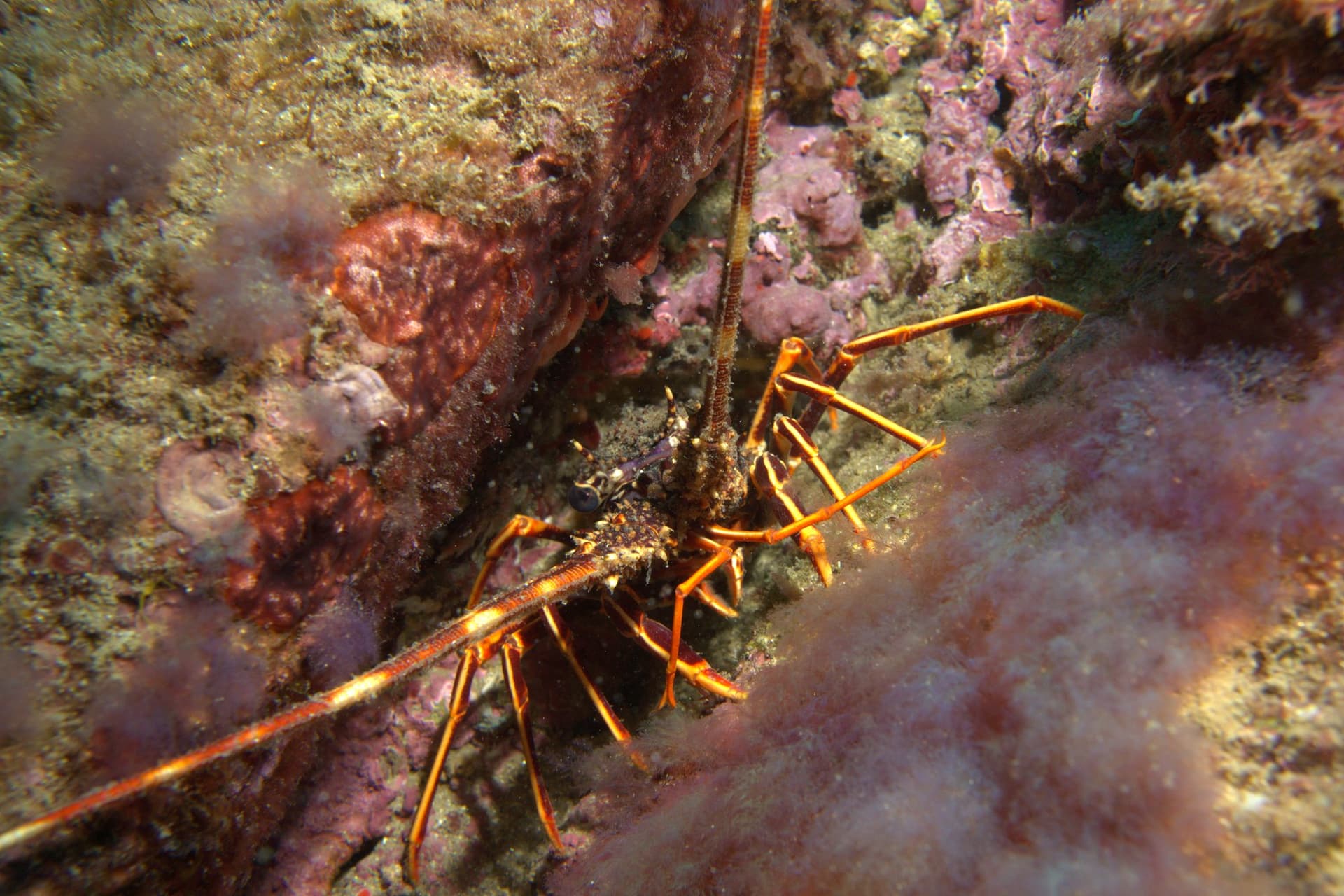
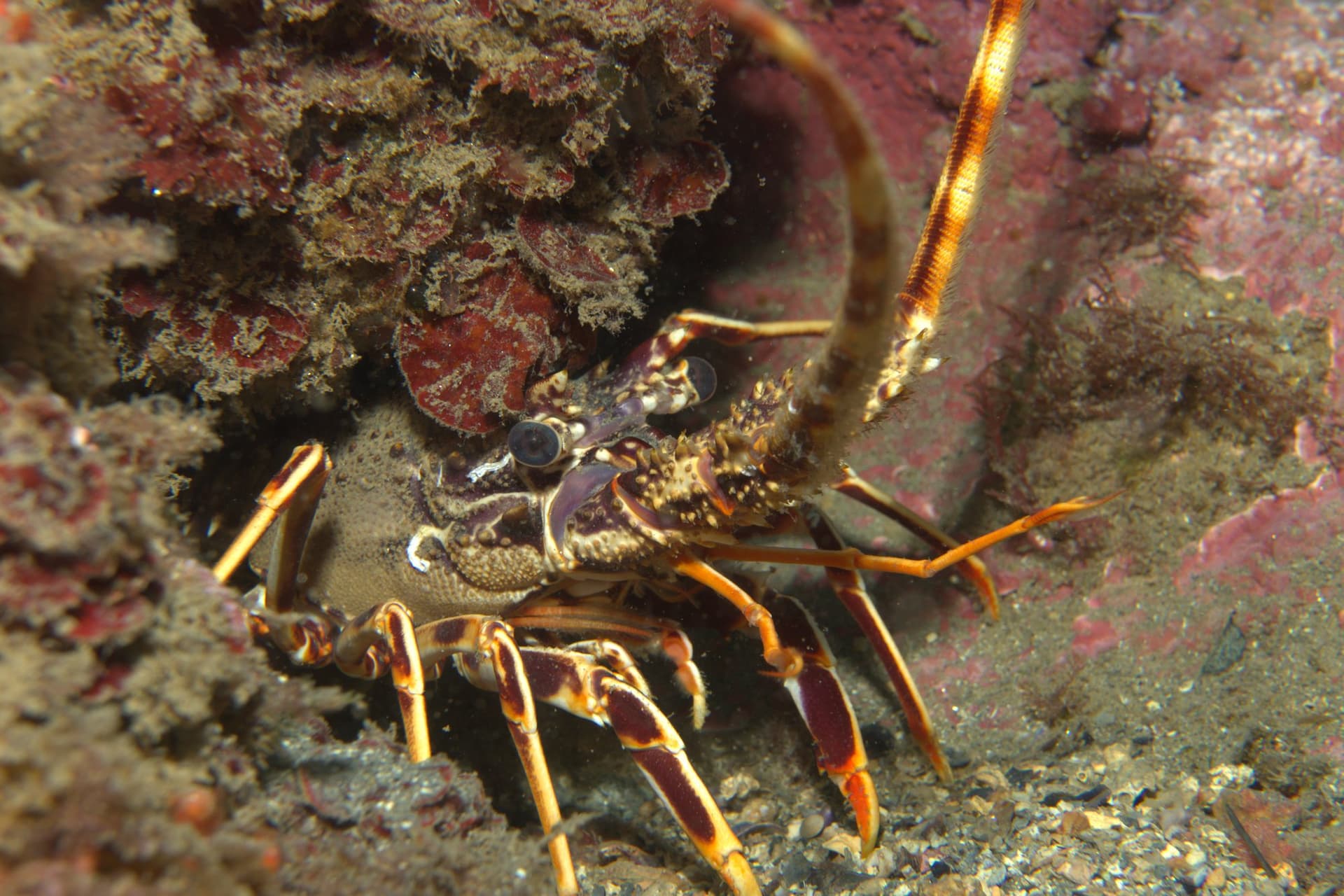
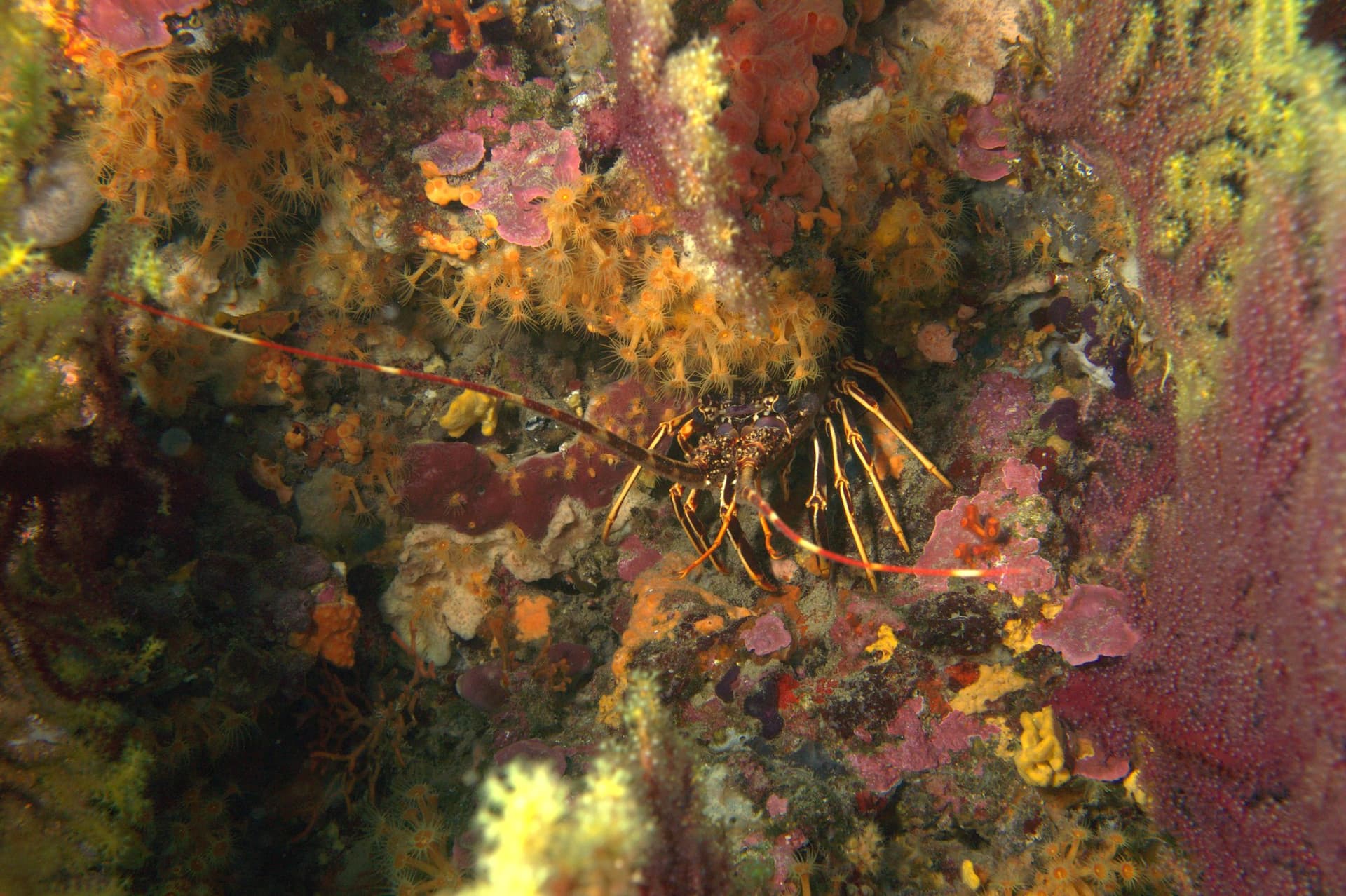
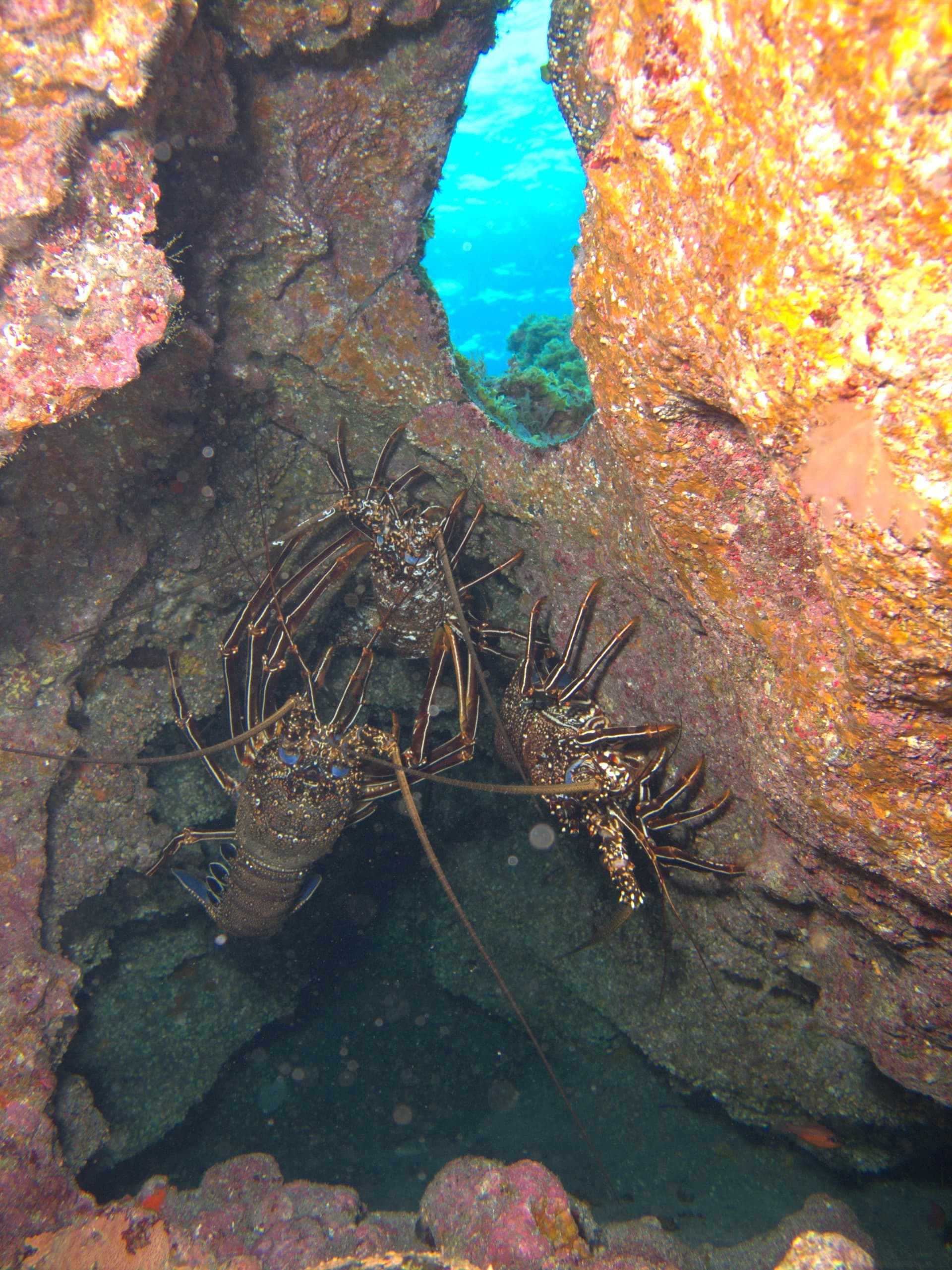
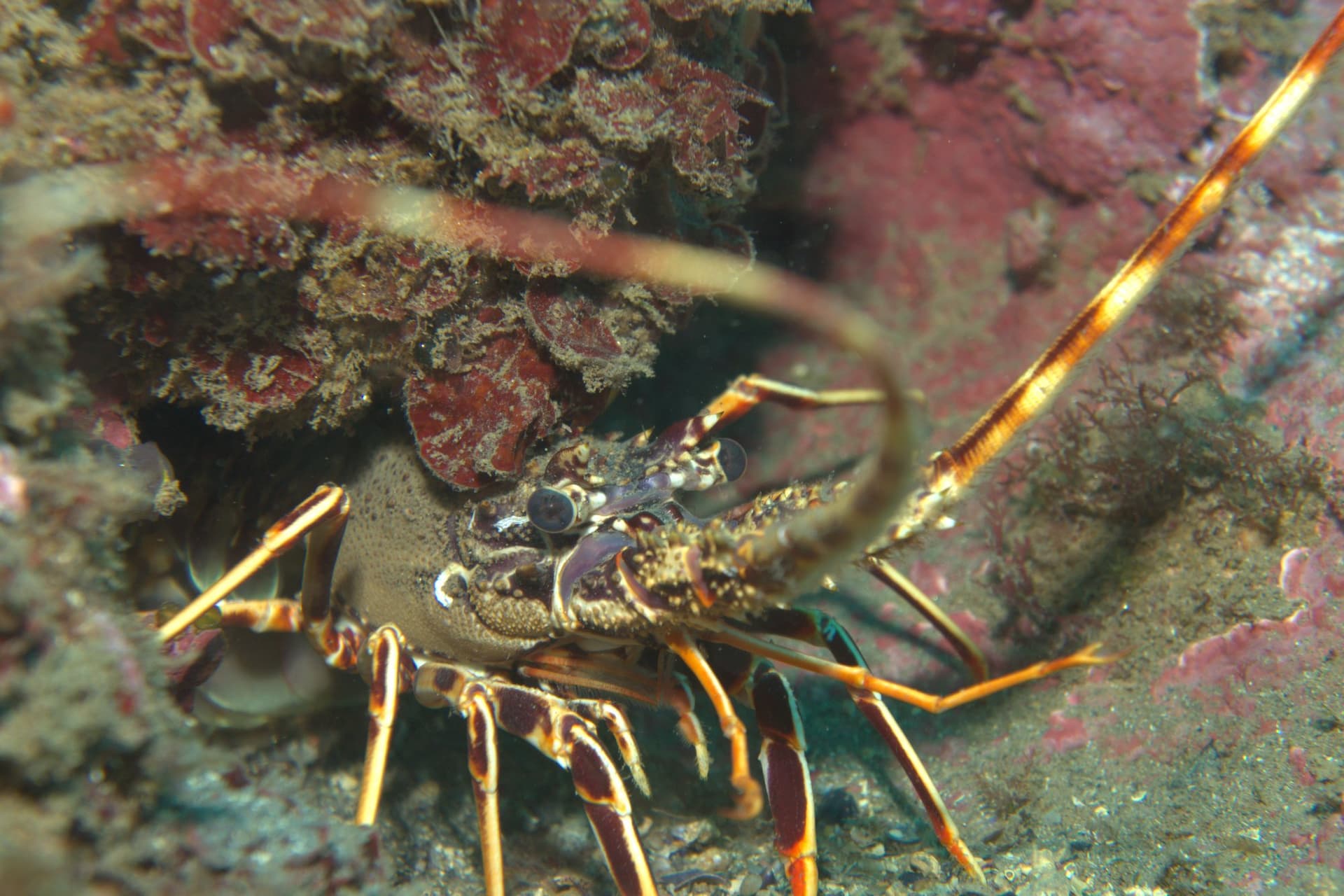
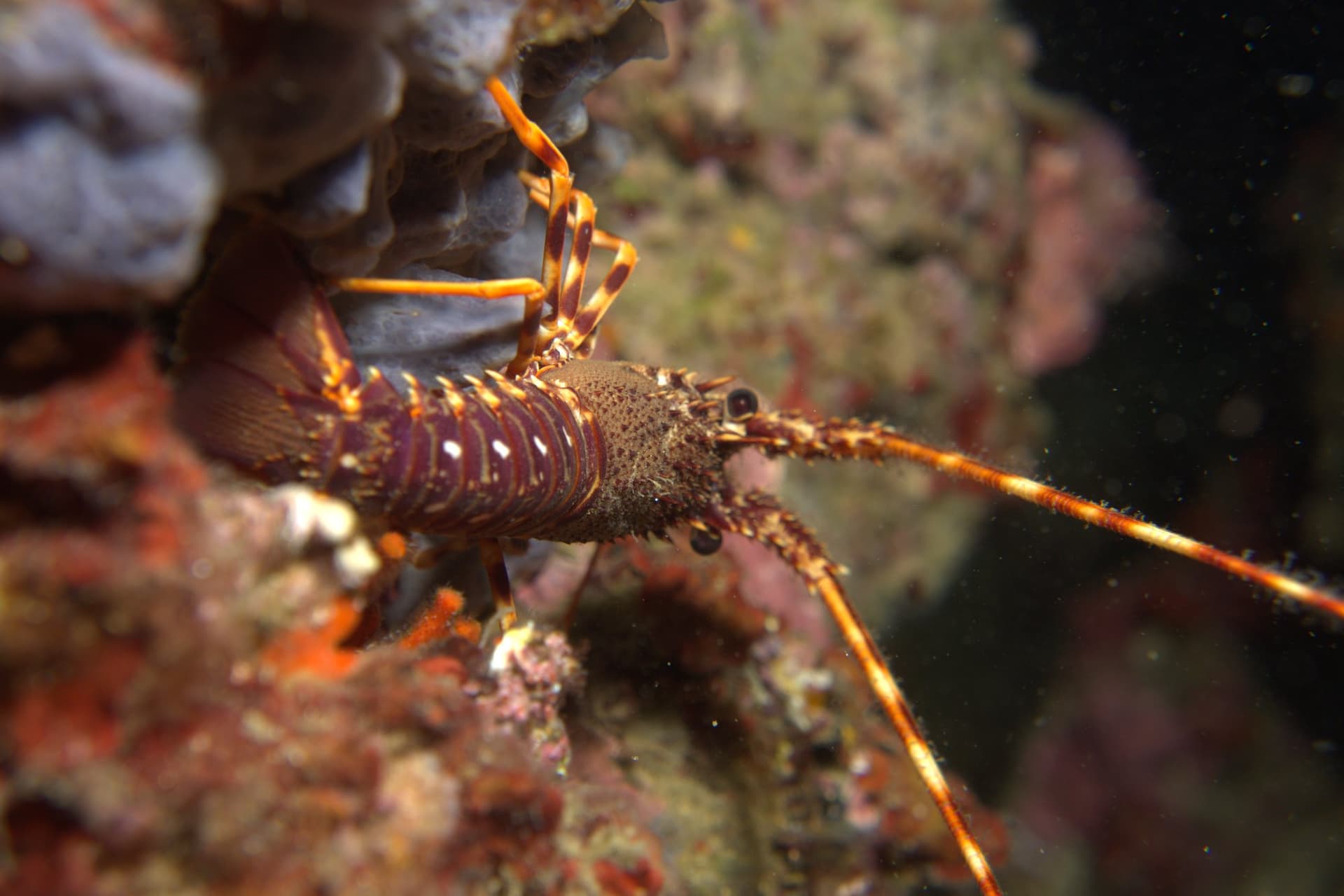
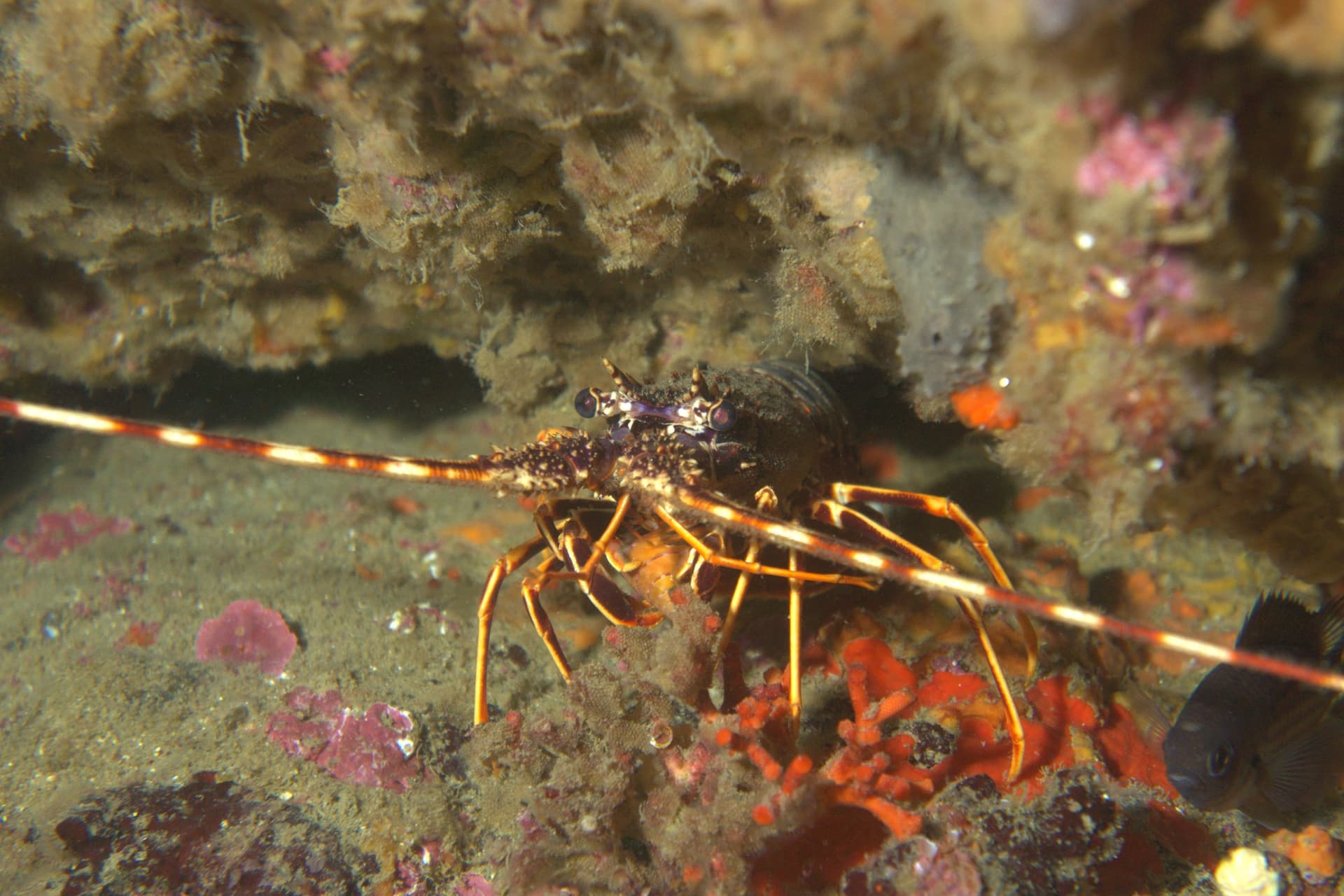
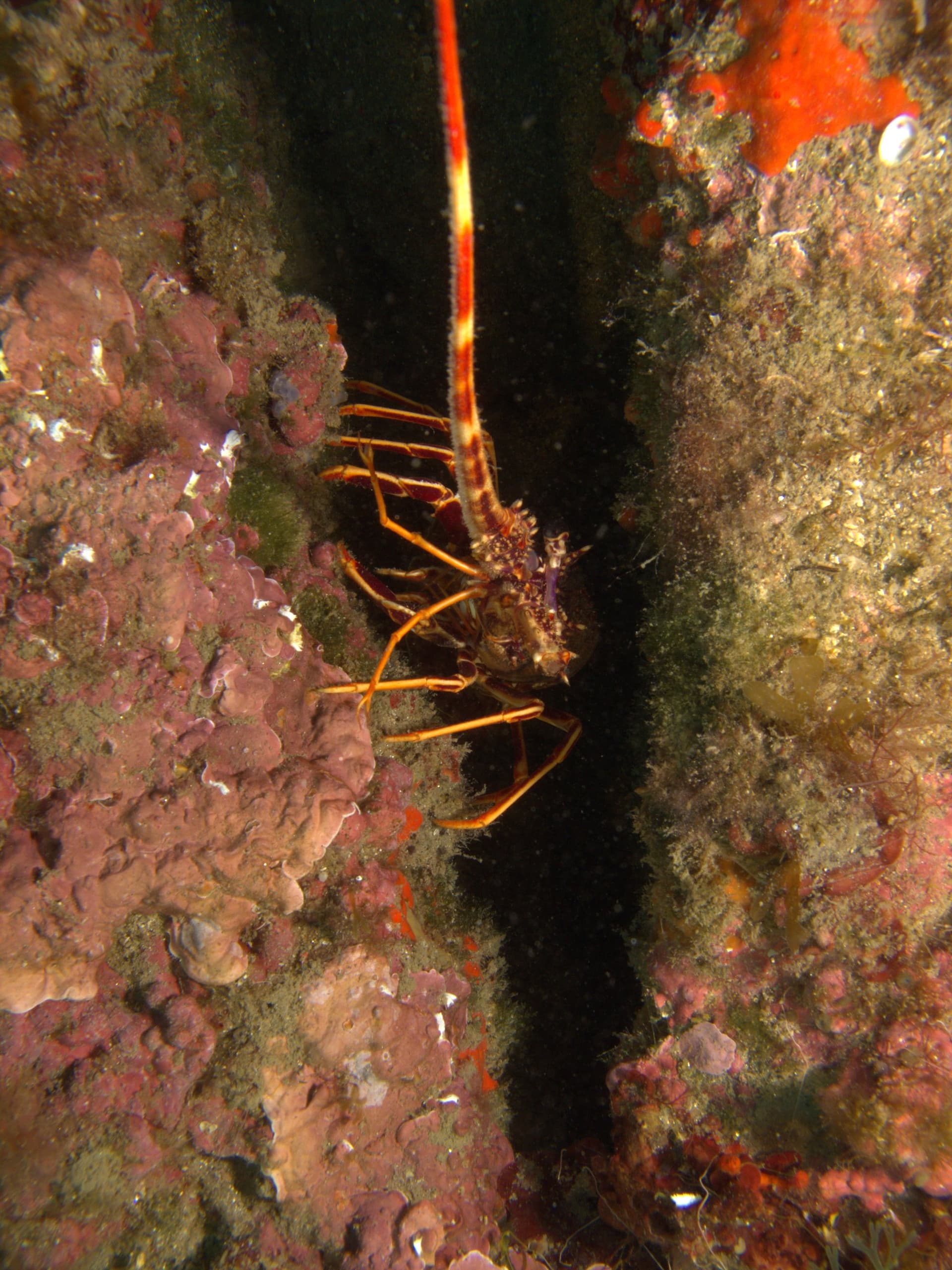
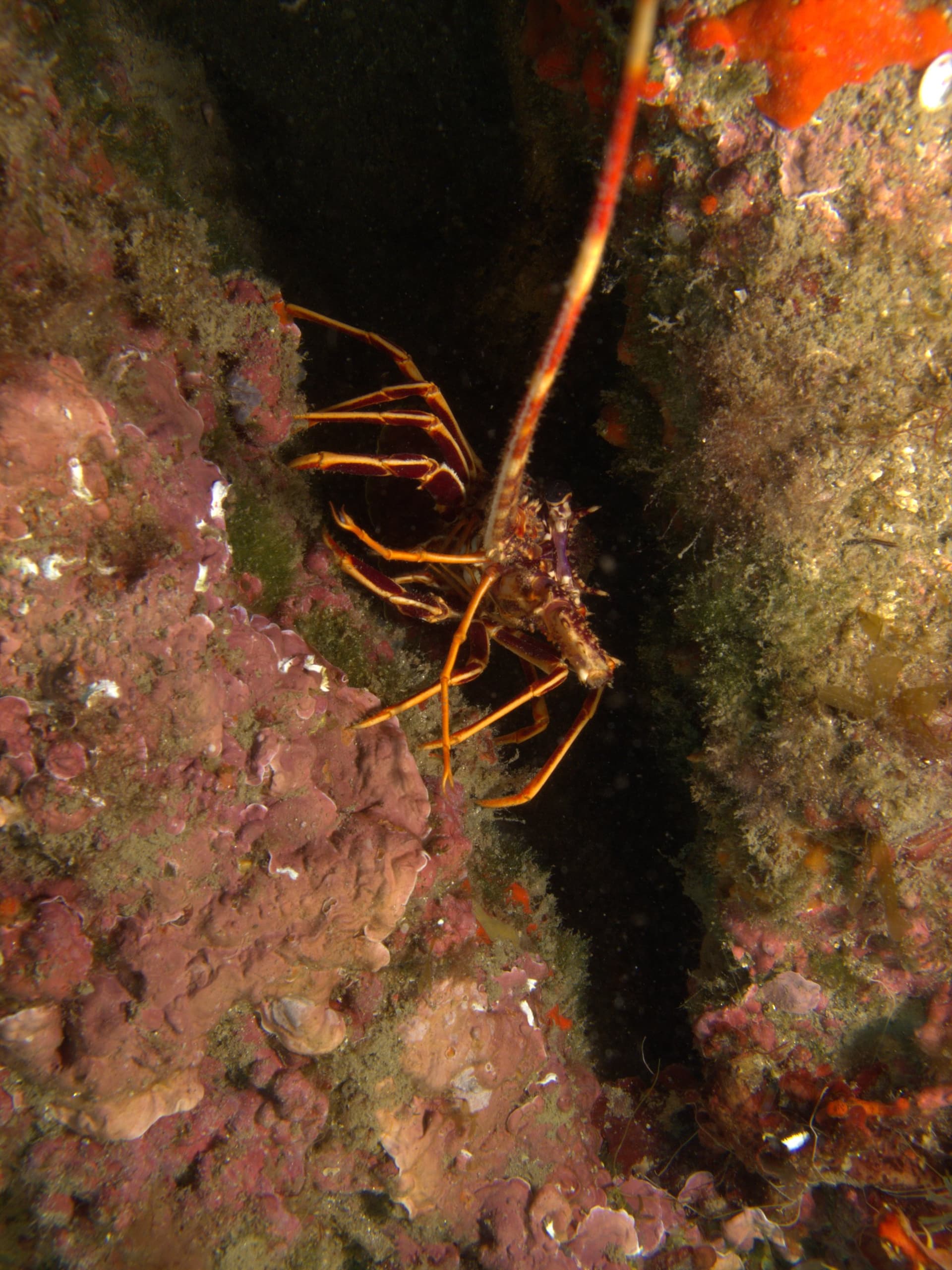
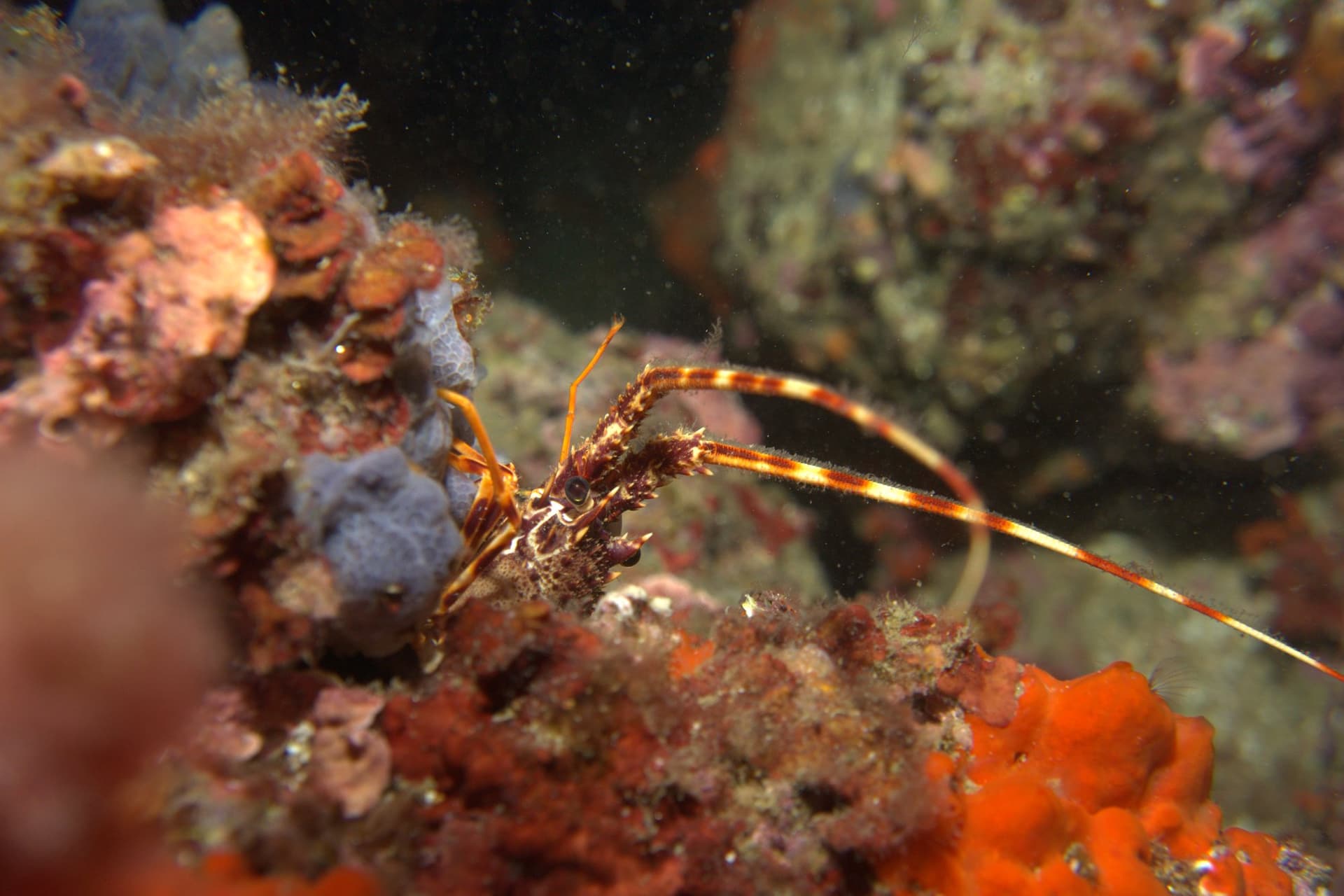
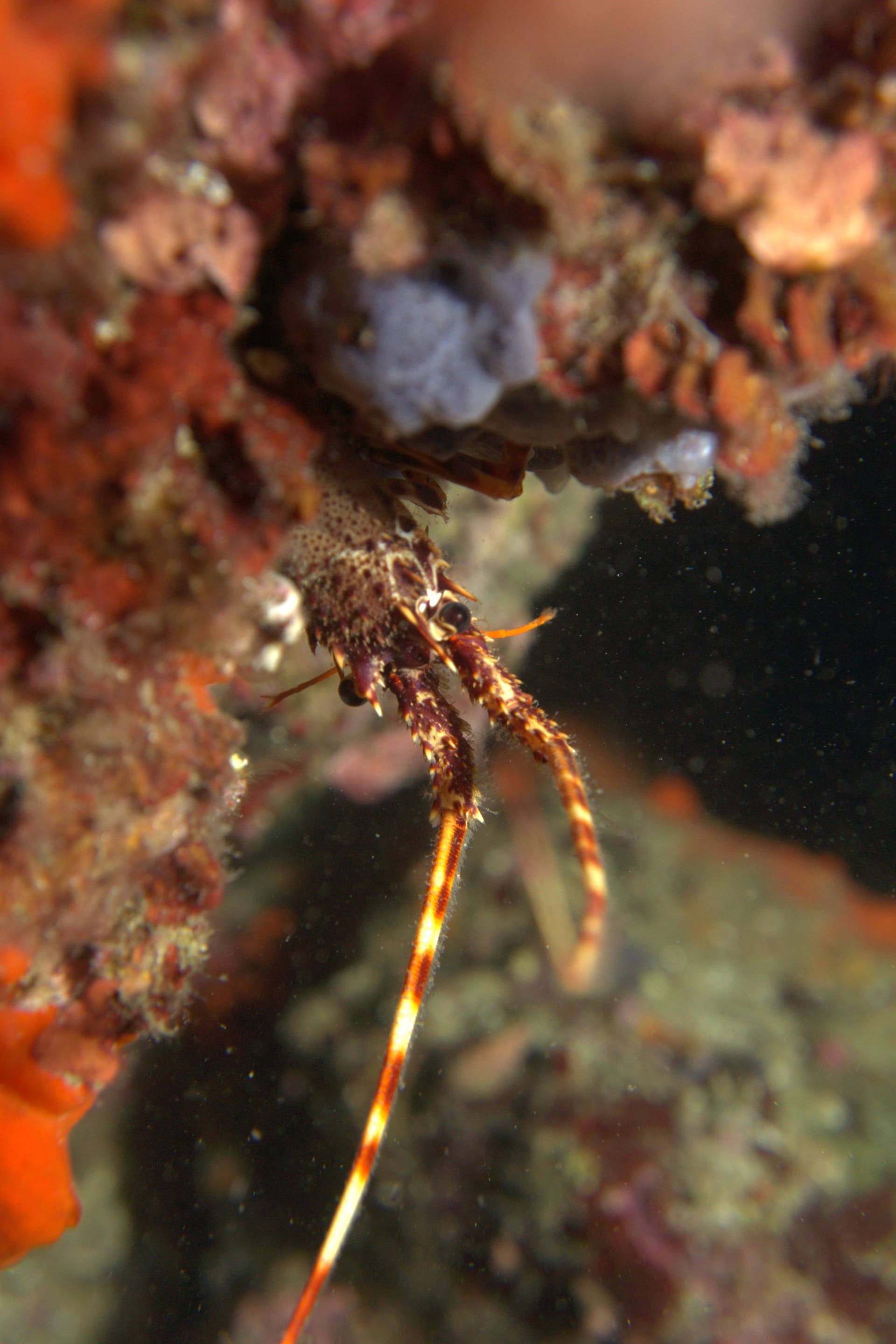
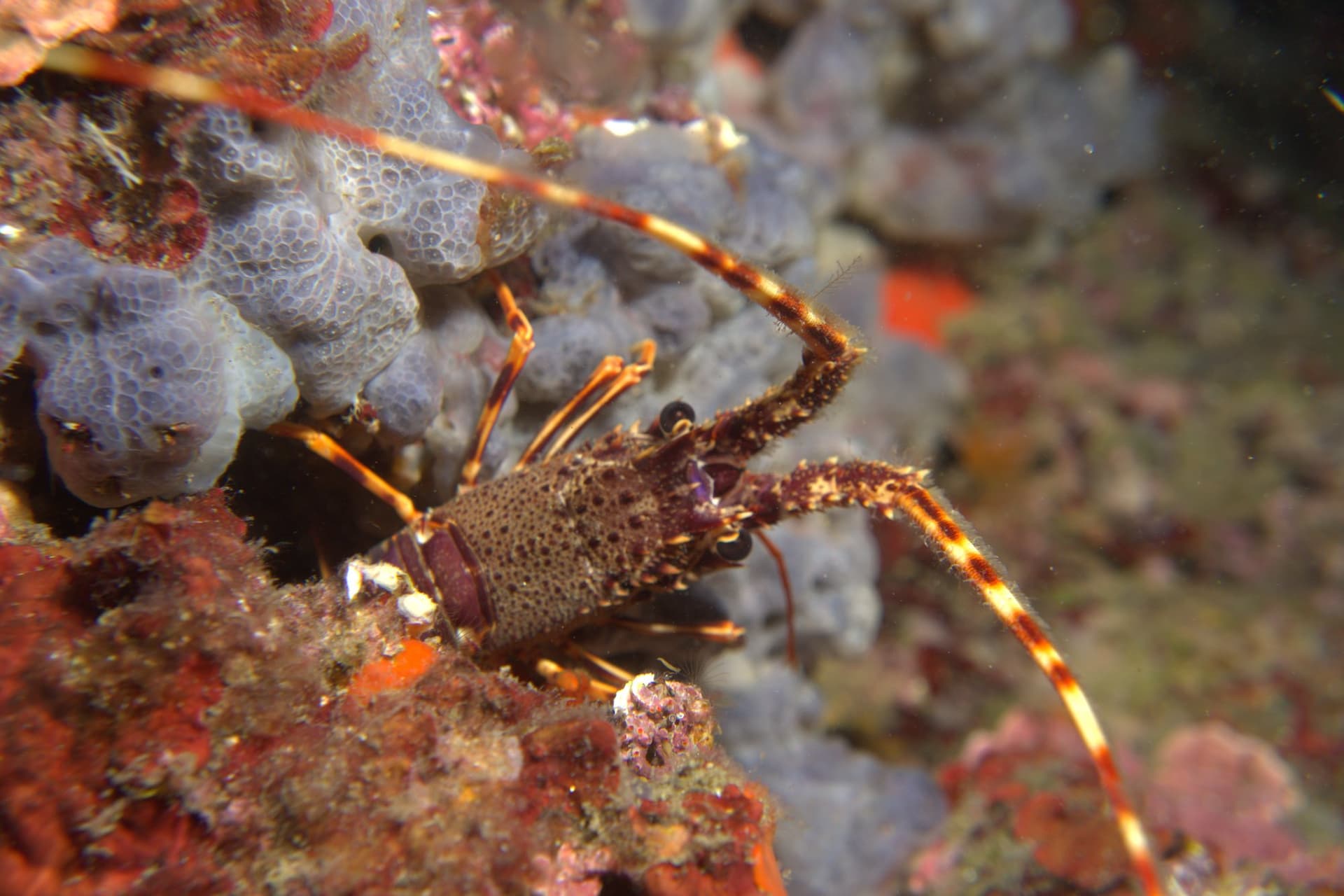
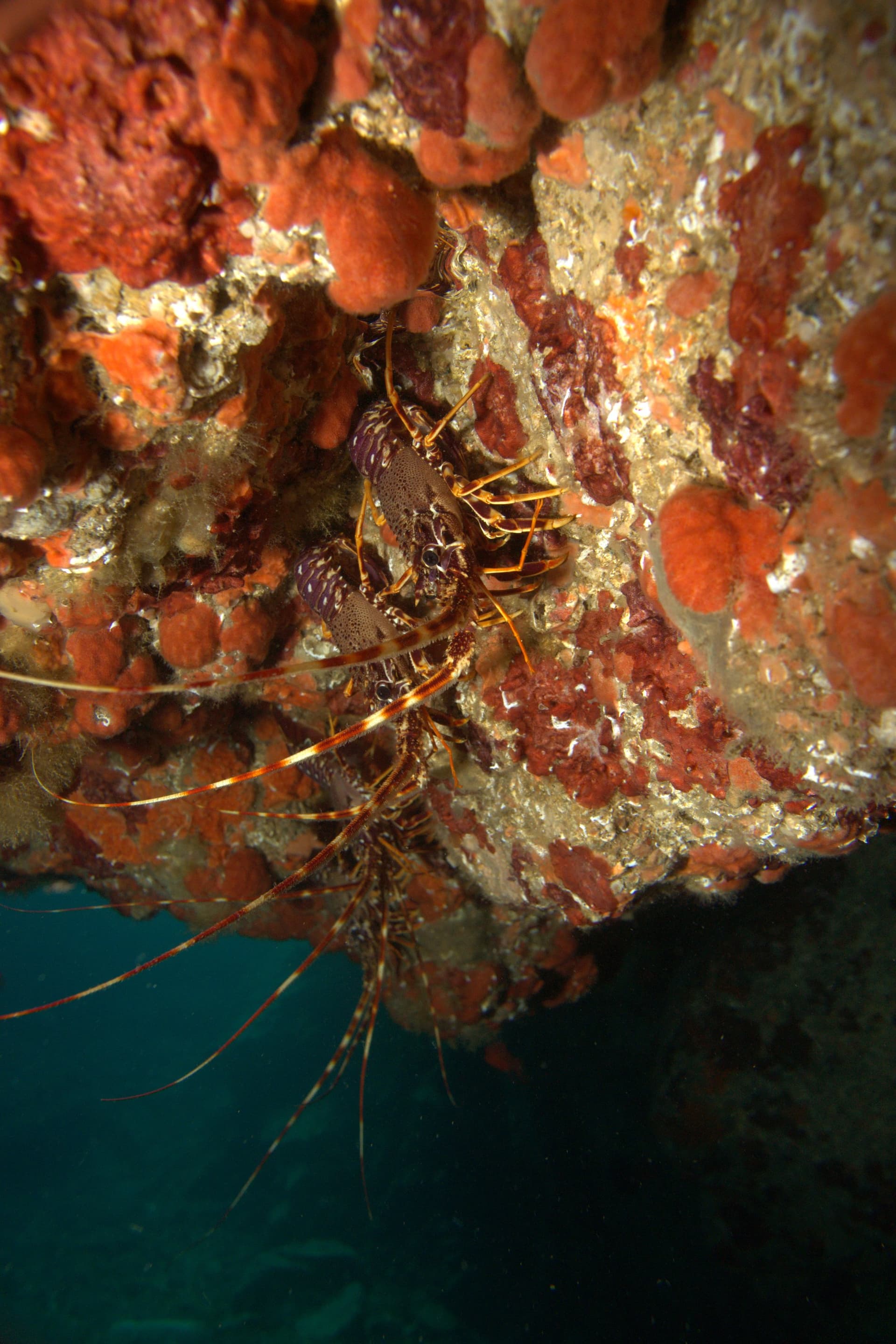
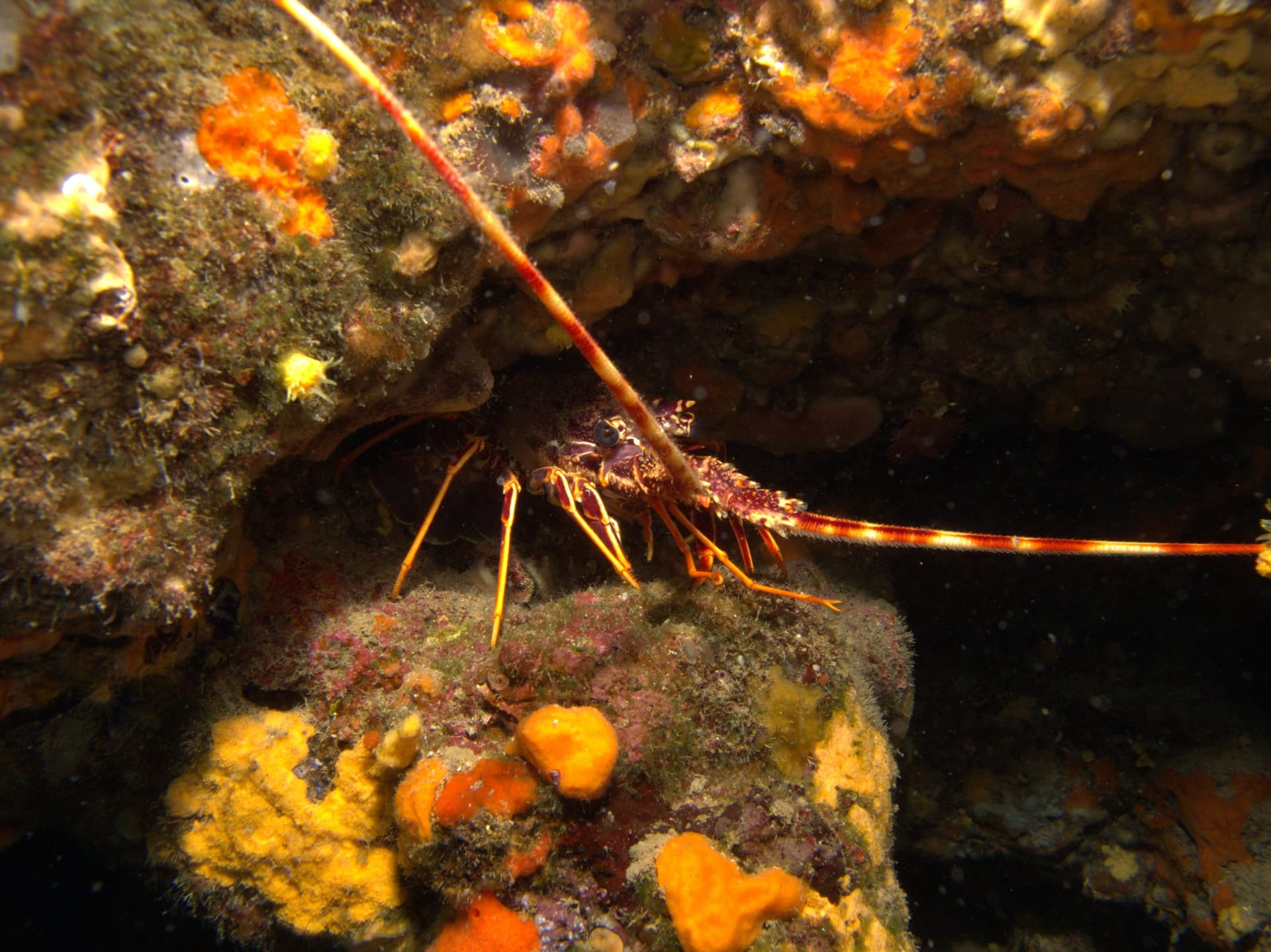
Mediterranean spiny lobsters hide in crevices by day, antennae poking out like whiskers. Night dives are the best time to see them out walking the reef. In marine reserves, they can grow impressively large.
Last updated April 2026
Species
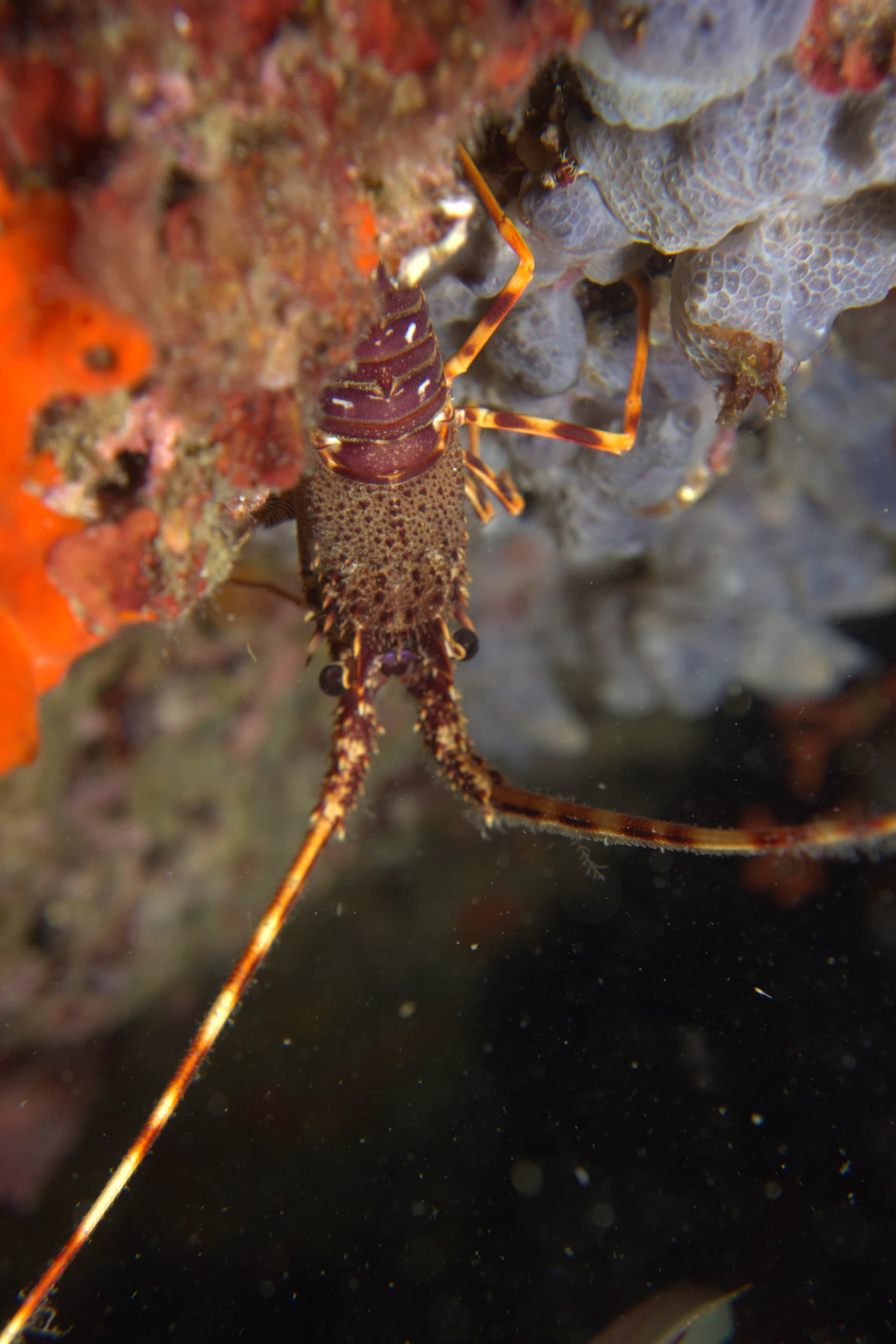
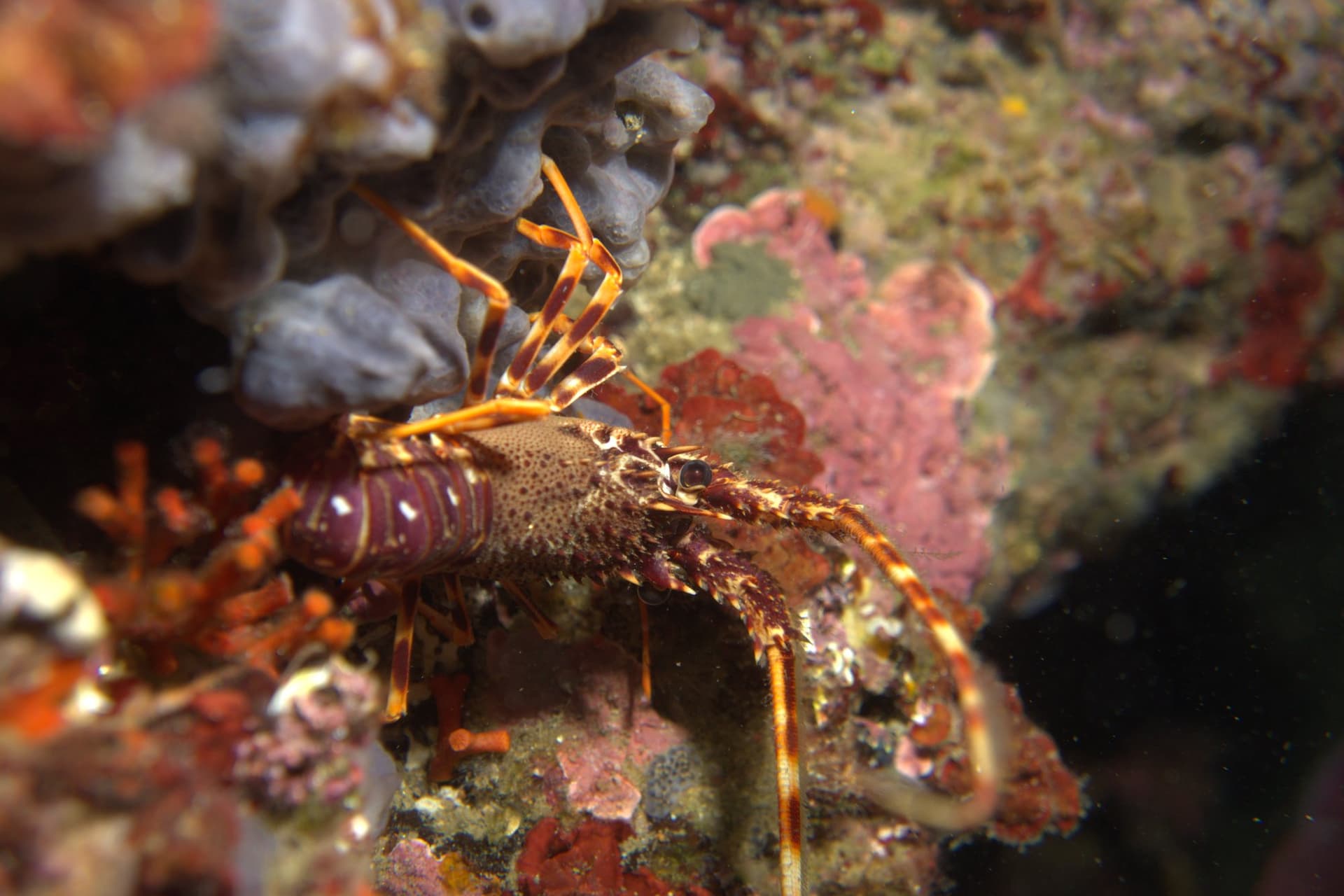
Spiny lobster
Palinurus elephas(26 photos)A large, heavily armored lobster with long, spiny antennae and no claws — the Med's prized crustacean. Reddish-brown with pale spots and enormous forward-pointing antennae.
Hides deep in caves and crevices during the day with antennae poking out — makes a rasping alarm sound when threatened. Increasingly rare outside reserves.
© Jouni Kuisma
© Jouni Kuisma
© Jouni Kuisma
© Jouni Kuisma
© Jouni Kuisma
© Jouni Kuisma
© Jouni Kuisma
© Jouni Kuisma
© Jouni Kuisma
© Jouni Kuisma
© Jouni Kuisma
© Jouni Kuisma
© Jouni Kuisma
© Jouni Kuisma
© Jouni Kuisma
© Jouni Kuisma
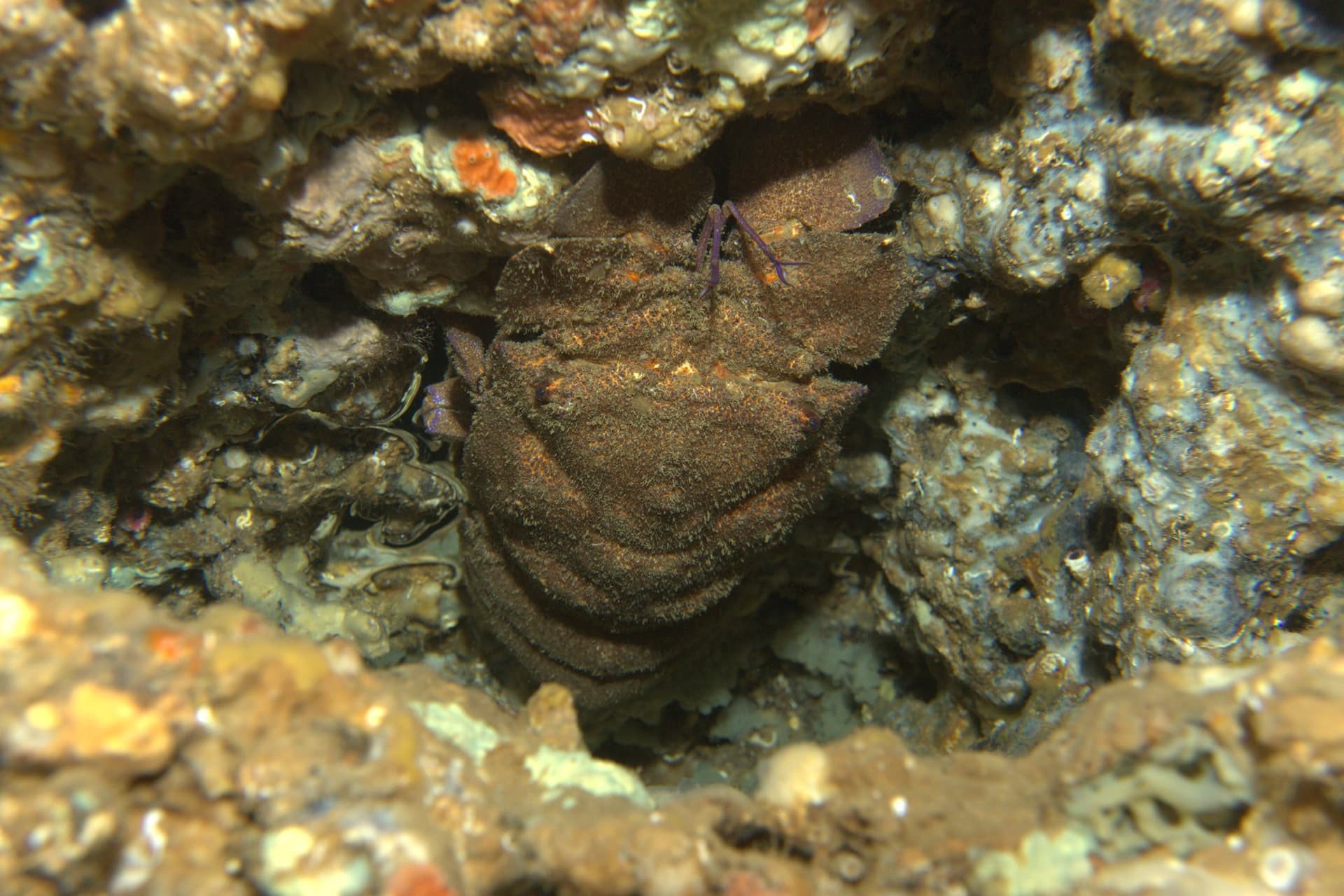
Slipper lobster
Scyllarus arctus(5 photos)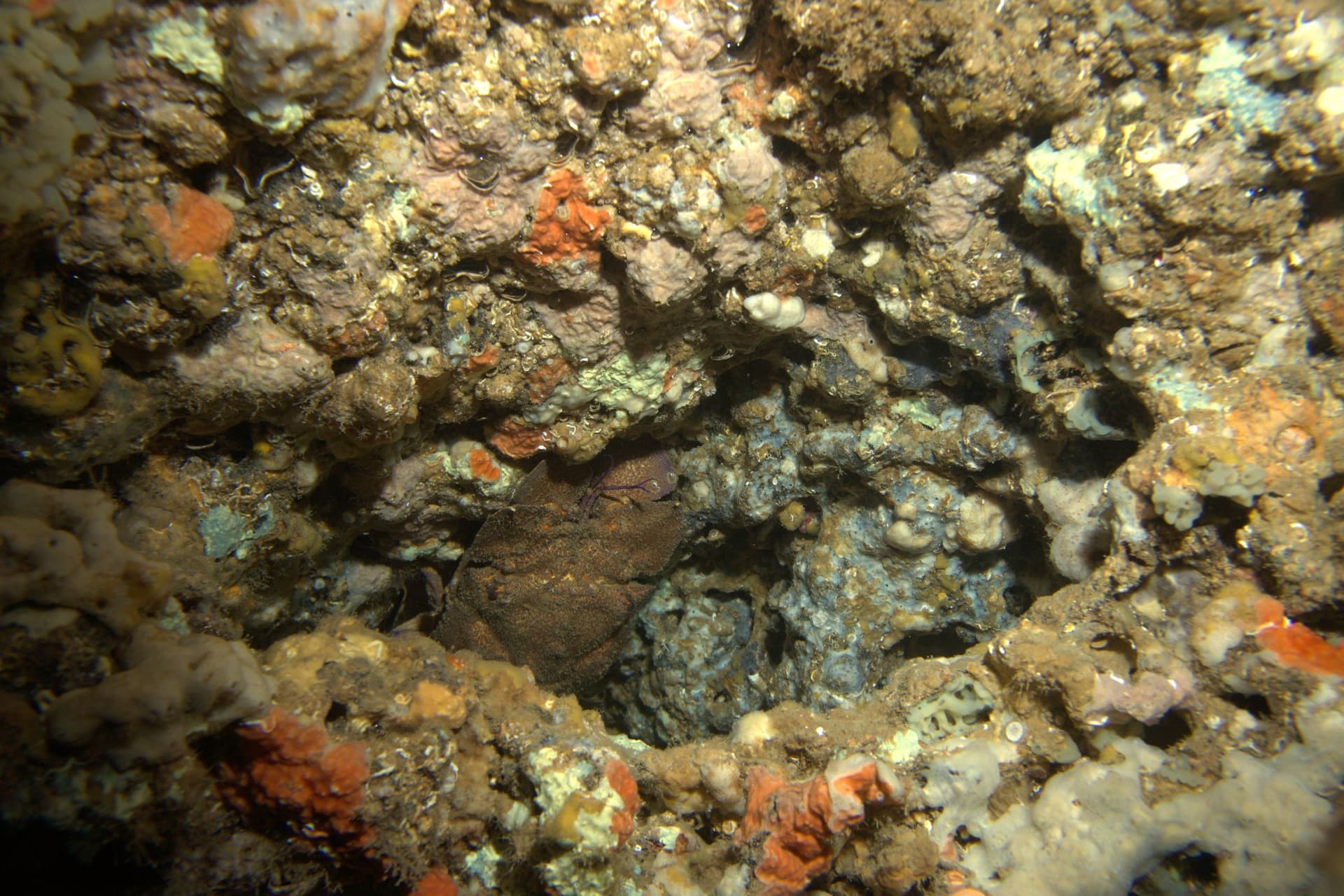
© Jouni Kuisma
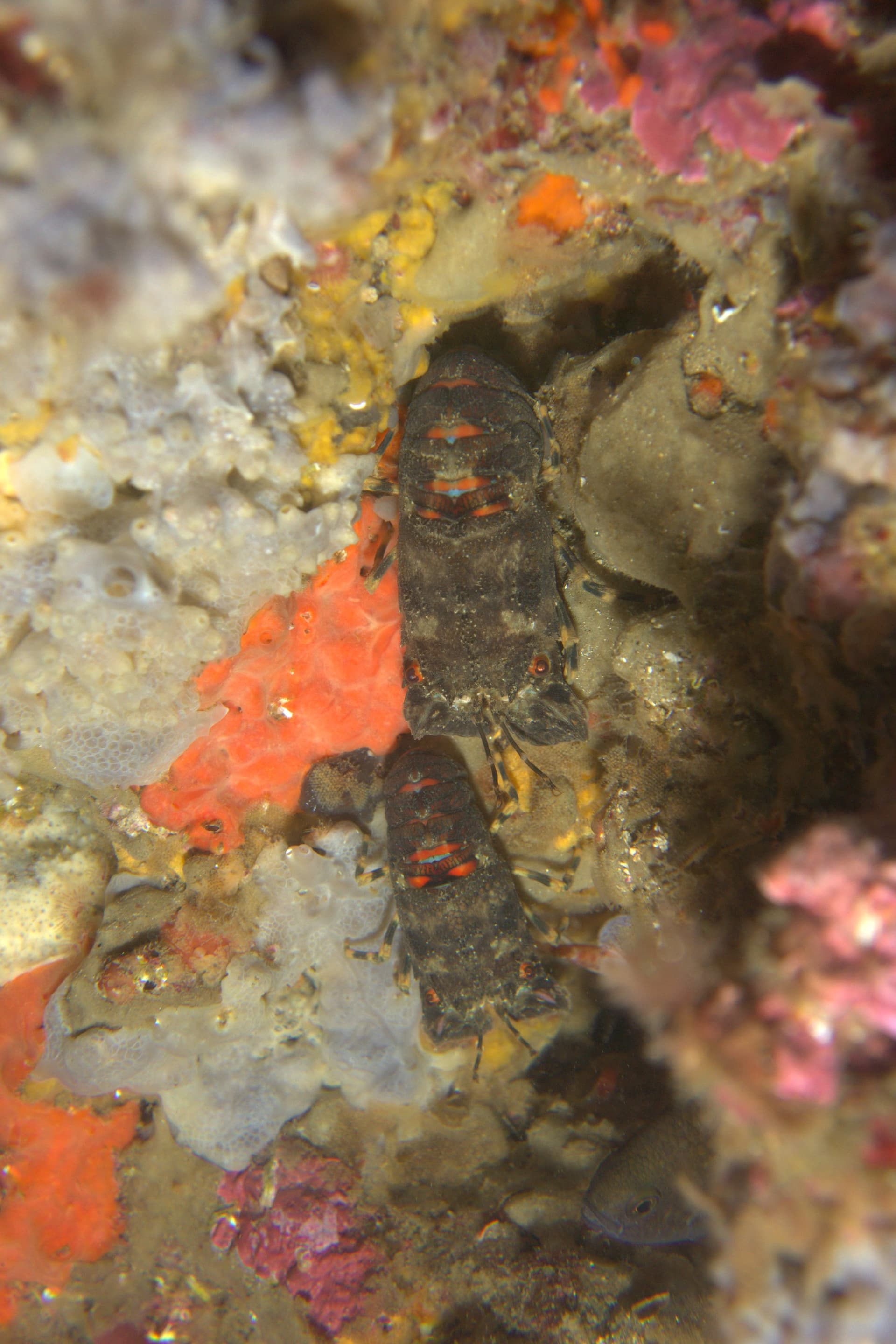
© Jouni Kuisma
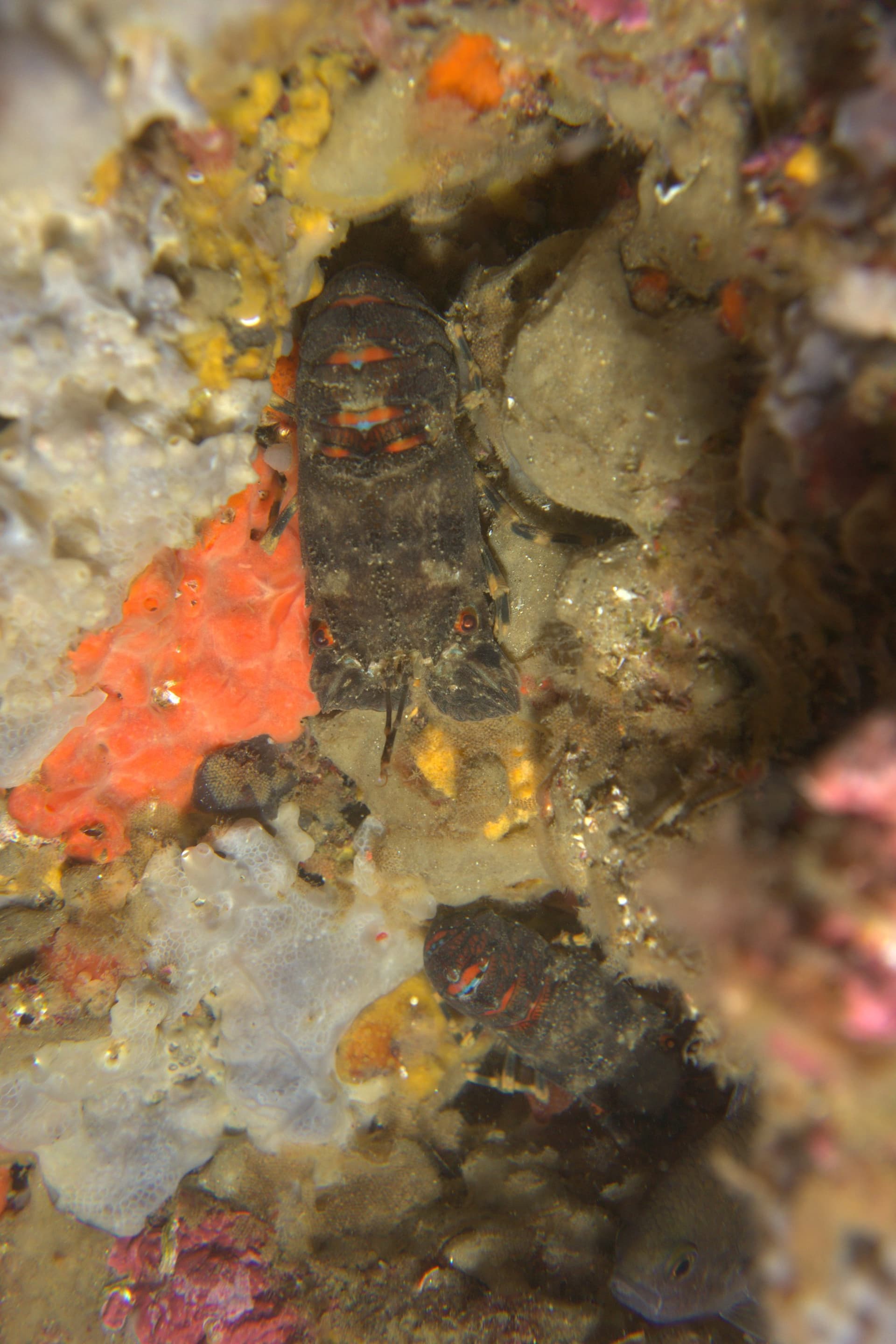
© Jouni Kuisma
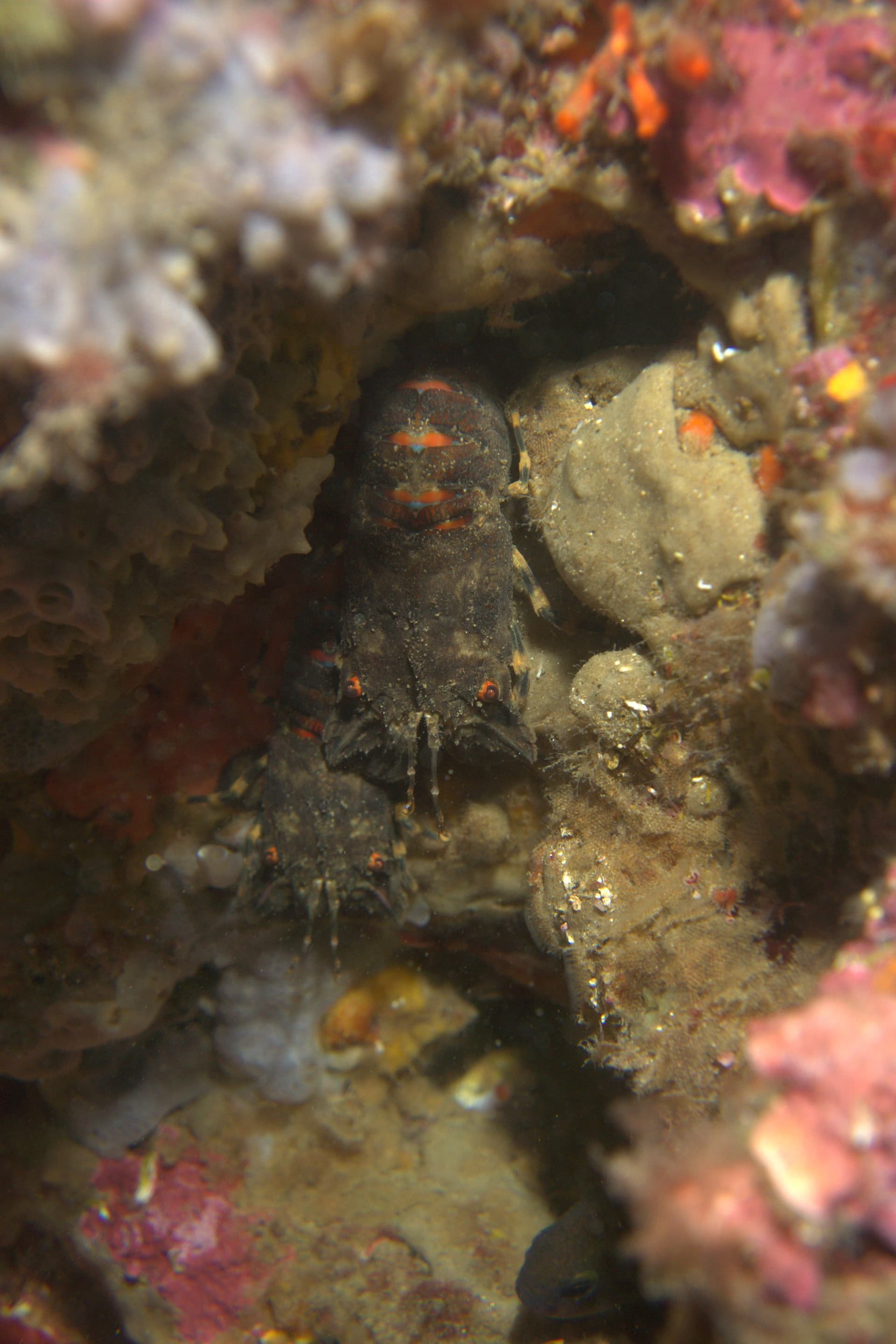
© Jouni Kuisma
© Jouni Kuisma
Observed at
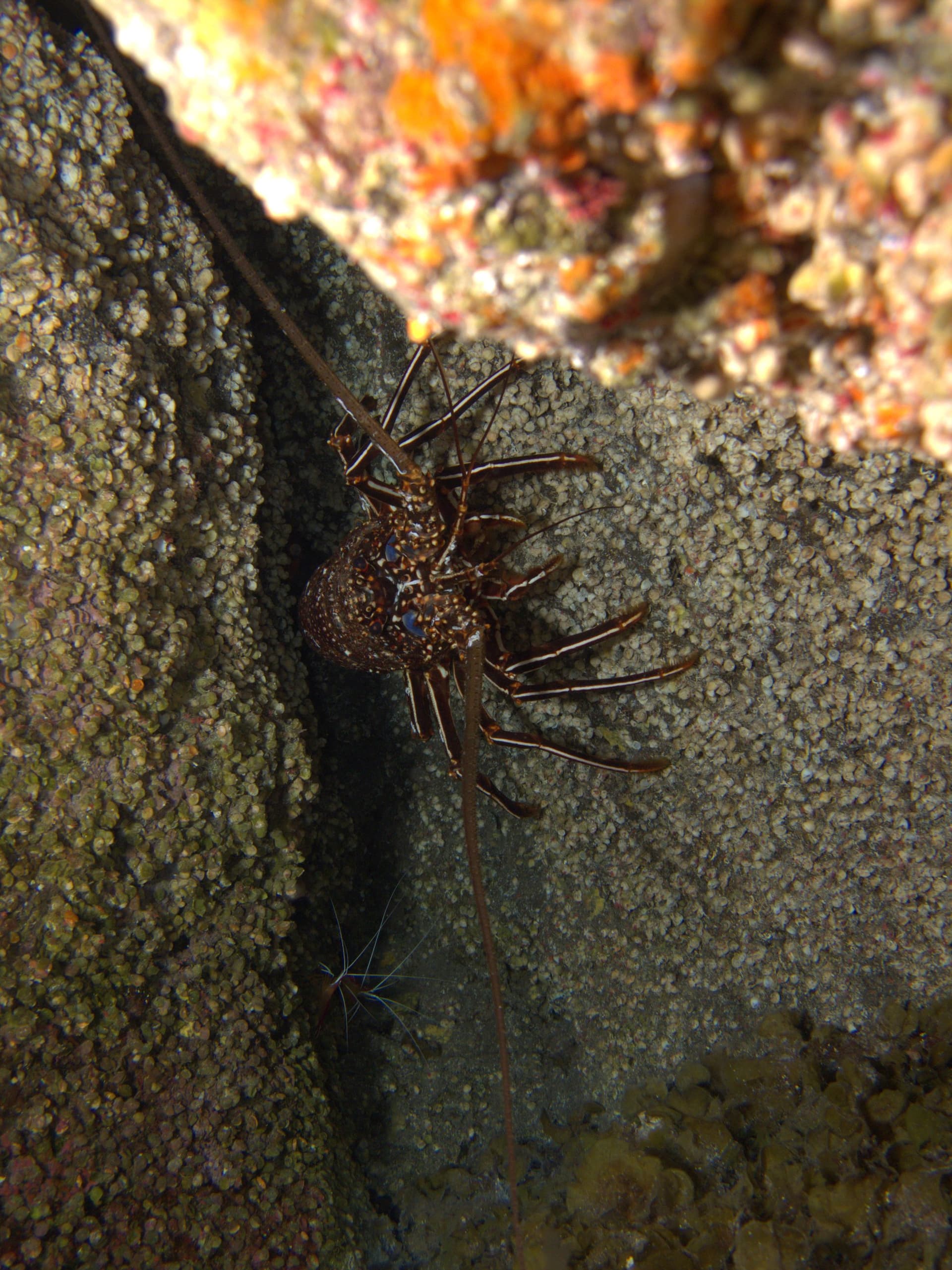
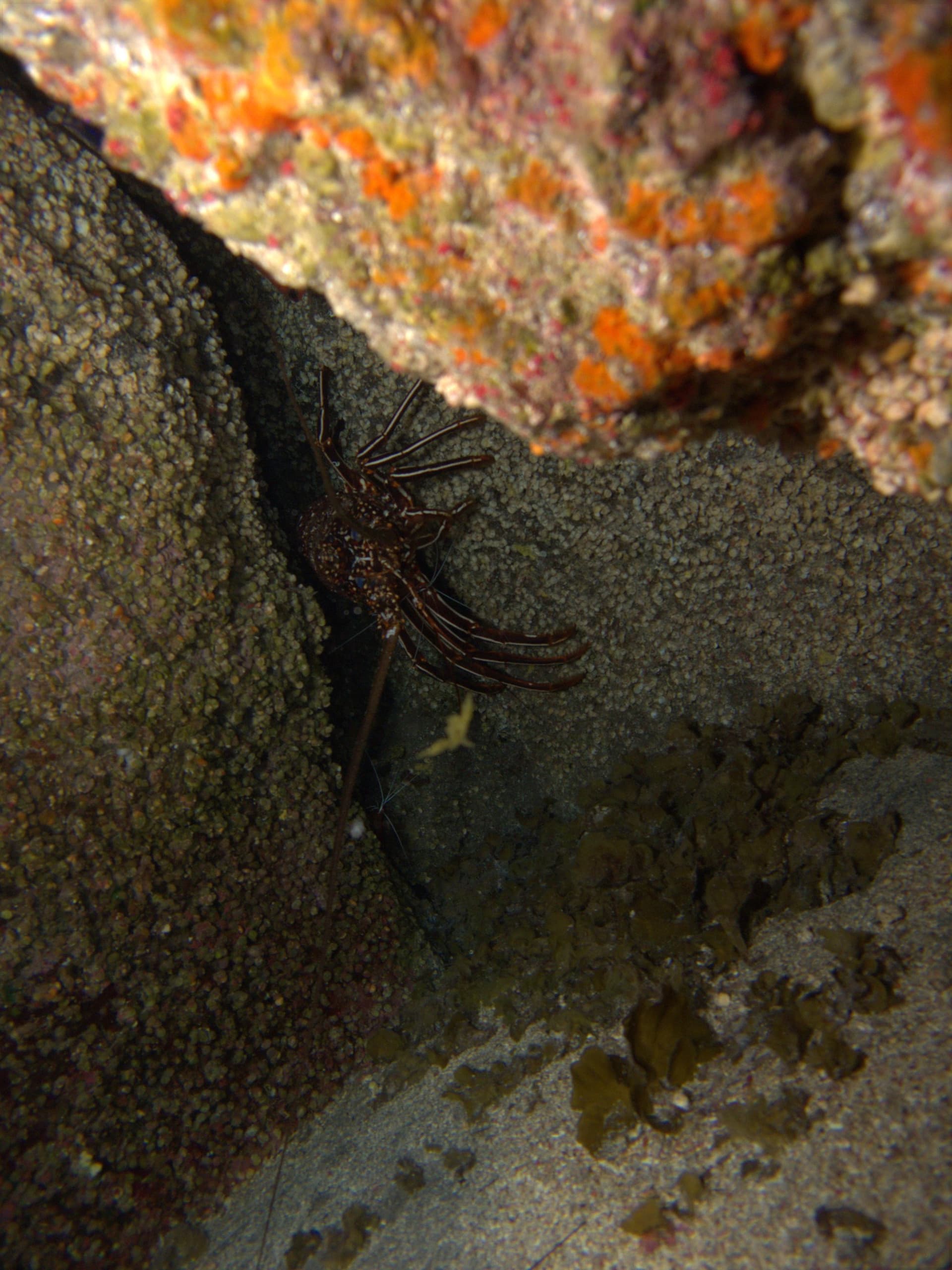
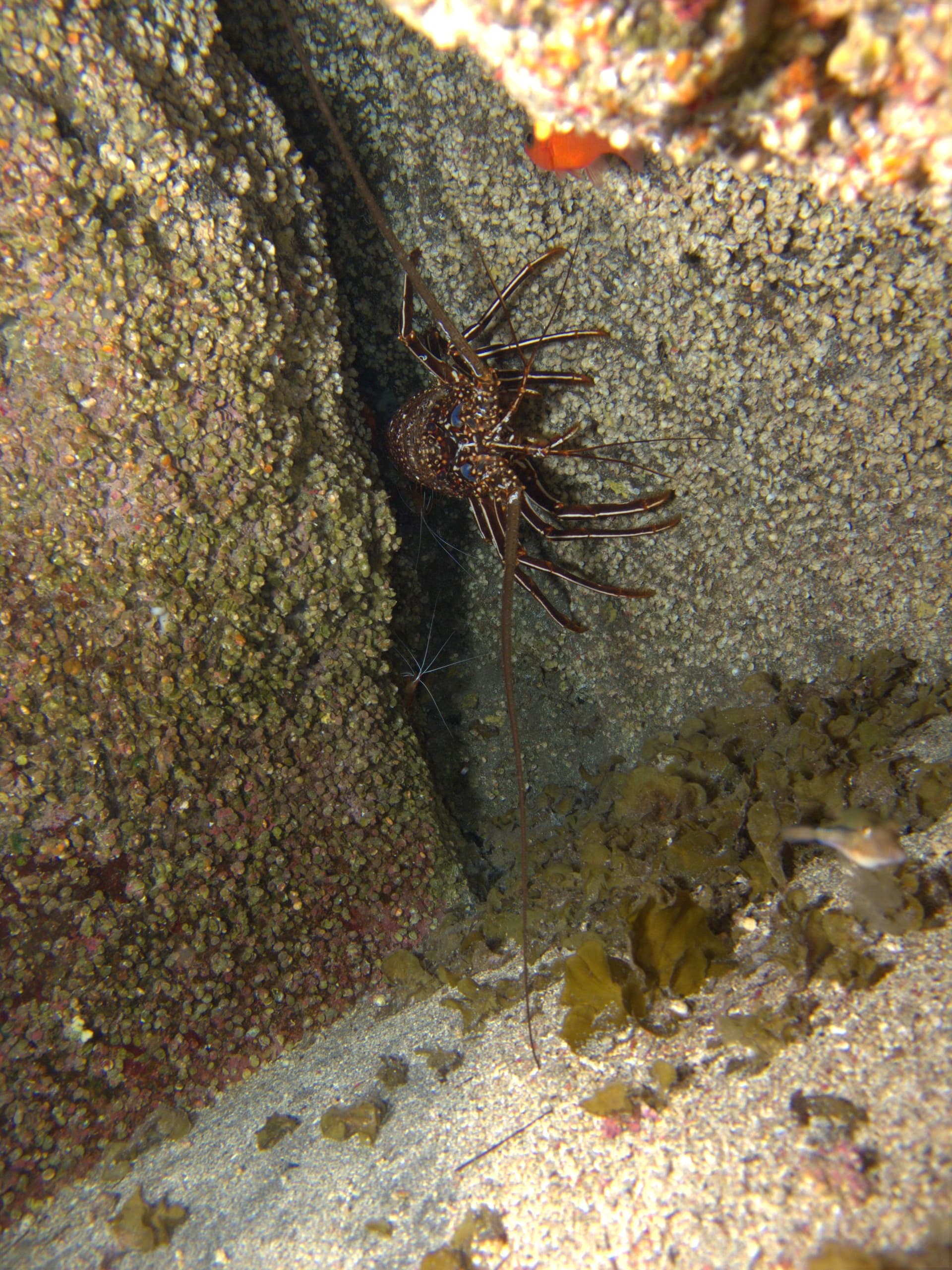
Red reef lobster
Enoplometopus antillensis(5 photos)A small, vividly colored lobster — red-orange body with white or pale spots and banded legs. More like a large shrimp than a traditional lobster.
Found in small cave crevices and holes, often in pairs — a night dive treat, when it ventures further out from its hiding spot.
© Jouni Kuisma
© Jouni Kuisma
© Jouni Kuisma
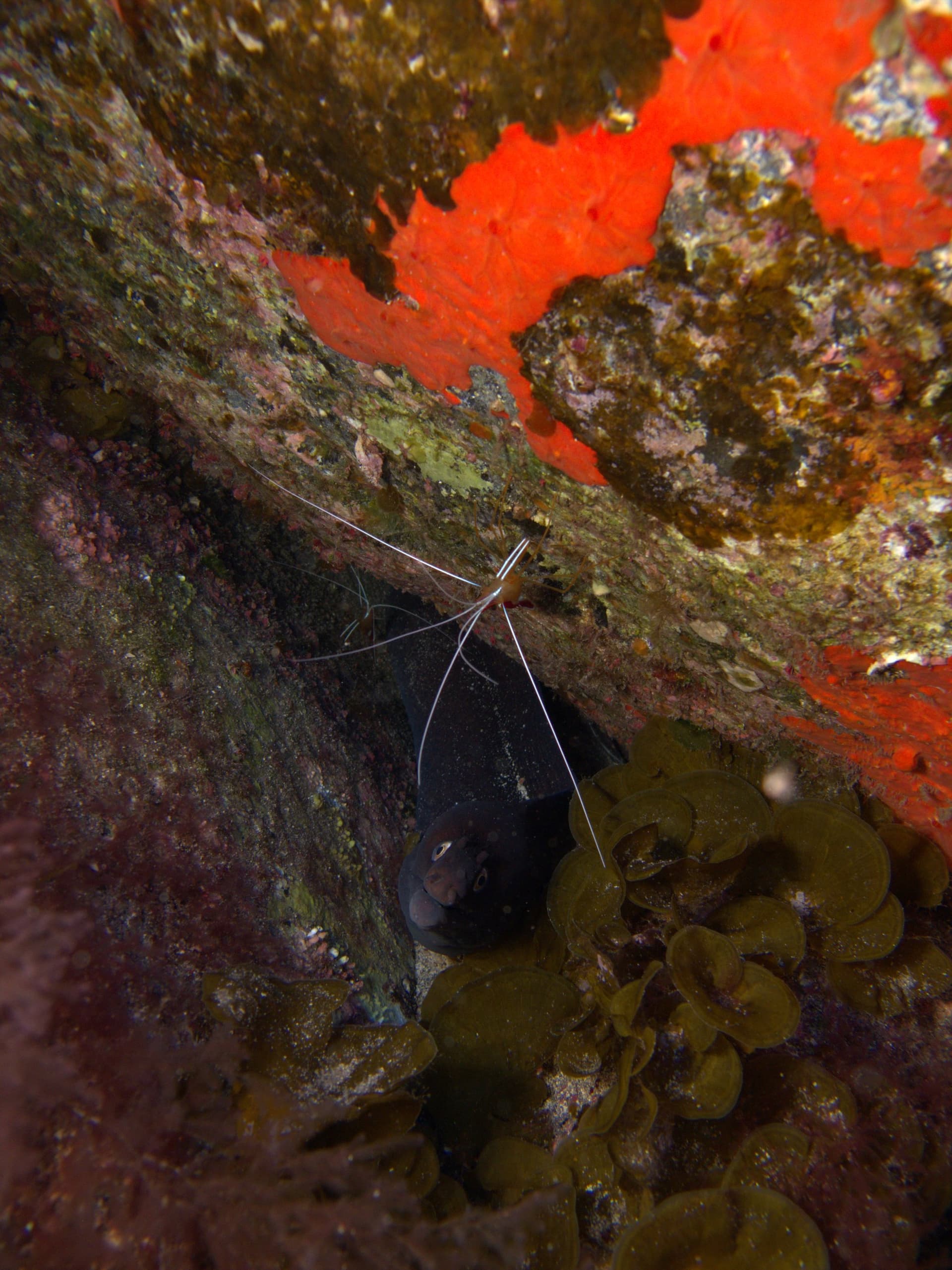
© Jouni Kuisma
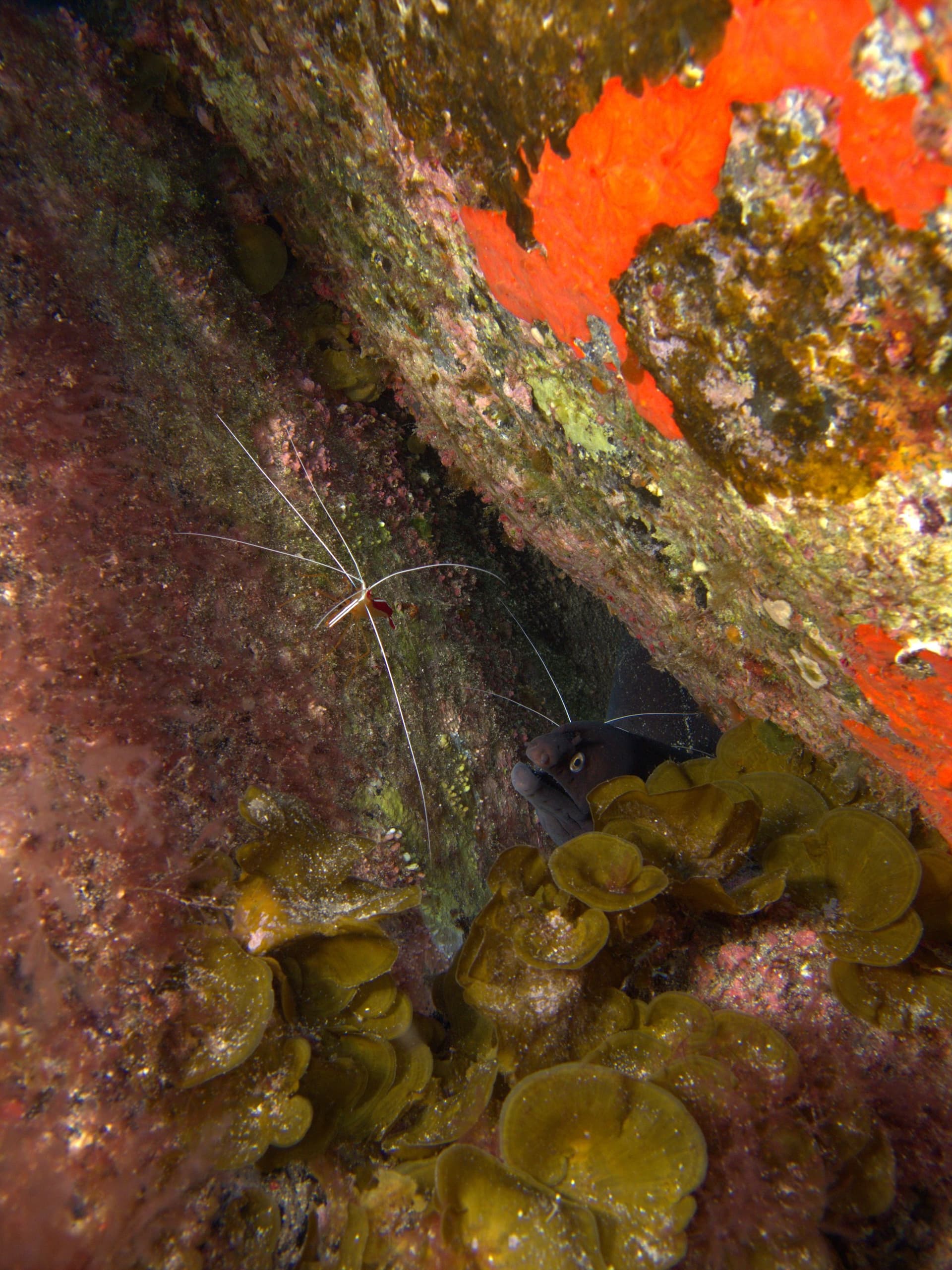
© Jouni Kuisma
Observed at
Atlantic slipper lobster
Scyllarides latus(1 photos)A large, flat lobster with a shovel-shaped head and no long antennae — looks like it was stepped on. Brown-orange body with sculptured plate-like segments.
Nocturnal — hides in caves by day. Extremely rare in the Med due to overharvesting. A thrilling find for any diver.
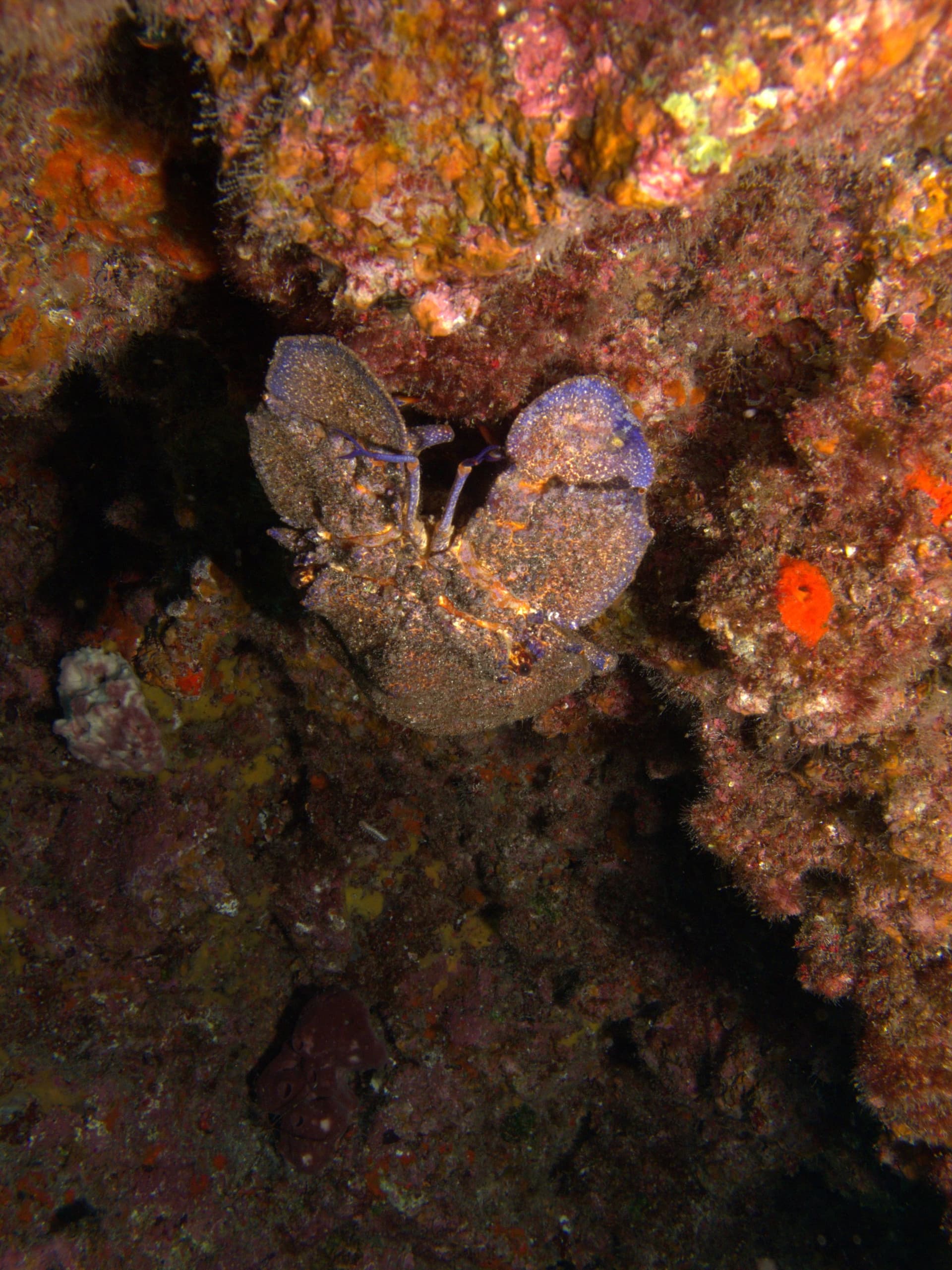
© Jouni Kuisma
Observed at
Log your dives
Track every dive with depth, duration, conditions, and marine life sightings. Join a club and share your underwater experiences.
Try DiveLog — it's free