

Formentera Divers
SSI Instructor Training Center at La Savina port, Formentera, founded 2018; consistently highly rated; La Plataforma and Punta Prima dive sites.
SSI6 services
Smallest Balearic island, celebrated for posidonia-filtered clarity, the Es Freus Marine Reserve, and La Plataforma artificial reef.
Last updated June 2026
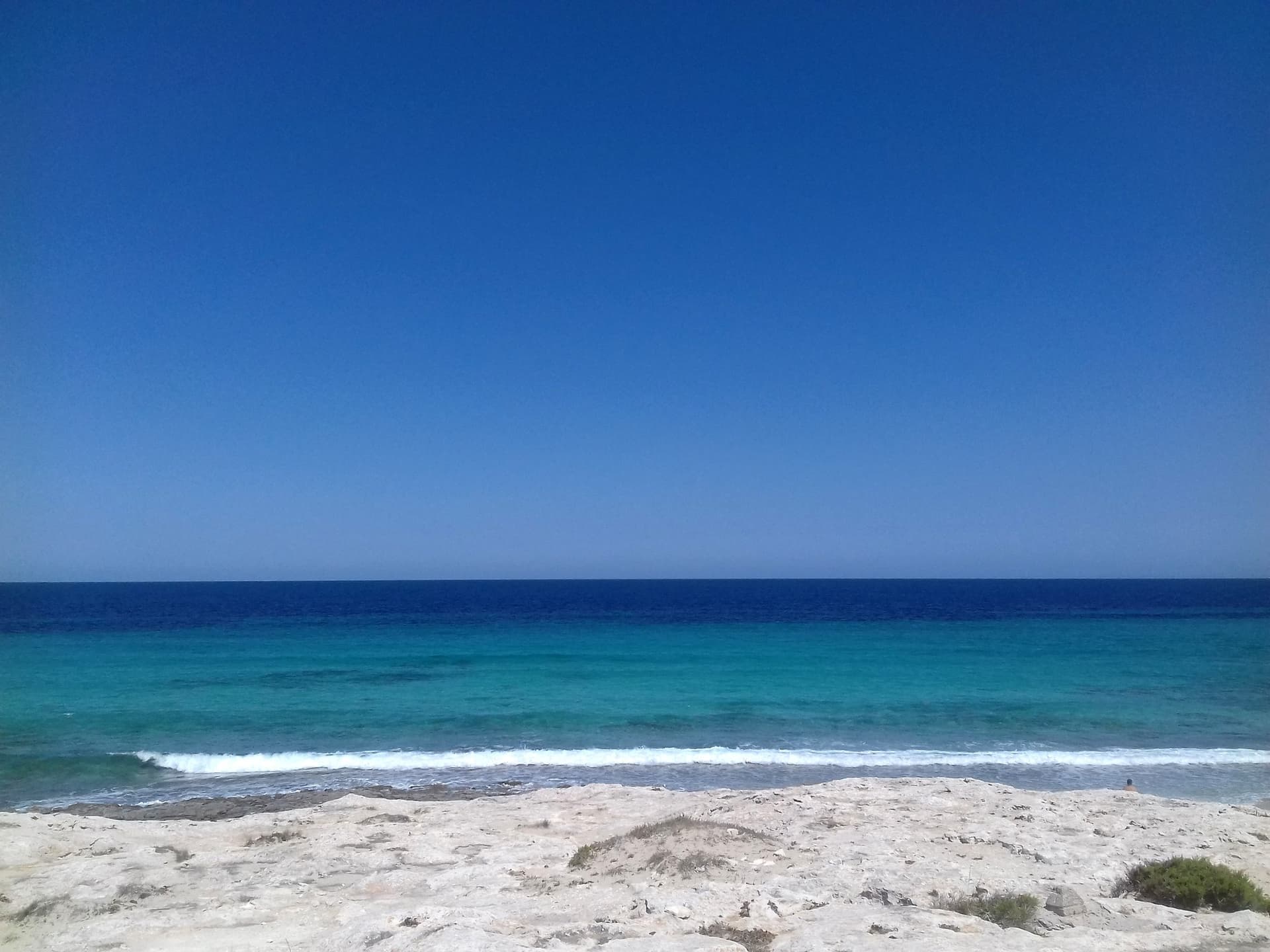
Formentera sits south of Ibiza, connected by the Es Freus strait and accessible only by ferry. The posidonia meadows carpeting the channel floor are part of the Pitiusas UNESCO World Heritage designation and filter the water into the clarity the island is known for — typically 15-25m, with excellent days reaching 30m. It is not a large-volume dive destination; the site portfolio is compact and well-suited to mixed-experience groups.
La Plataforma is the area's defining advanced dive: a former fish farm platform sunk in 1996, resting obliquely near the Espardell islet at 12-35m. A permanent Mediterranean barracuda school circles at mid-depth, and in May the site draws schools of amberjack. At the other end of the experience spectrum, rock-arch and sandy-floor sites at 4-20m serve beginners and first-dive participants. Punta Prima descends to a labyrinth of crevices and tunnels at 28m, where seahorses inhabit the sandy floor. The Hermanos Florit wreck at Punta Pedrera — accessible to all levels at 12-29m — offers a colonised hull in a posidonia meadow just five minutes from La Savina.
Across the area, consistent species include groupers, moray eels, Mediterranean barracuda, and the sea bream and damselfish assemblage typical of posidonia-rich environments.
Local dive centres operate from La Savina, the island's only port on the northwest coast, with secondary departures from Platja Mitjorn on the south side. Sites are 5-30 minutes by boat from either departure point. The season runs April to October; June and September are the optimal months for warm water without peak summer density.
Two active marine reserves govern diving here. Es Freus (established 1999) covers the sites in this portfolio — no scuba permit is required in the general zone. The Punta de sa Creu reserve on Formentera's south coast (established 2018) requires a permit for scuba diving; confirm with your operator if any south-coast sites are on the itinerary. No extraction of any species is permitted in either reserve, and anchoring on posidonia seabed is prohibited throughout.
Sandy seabed and extensive Posidonia oceanica meadows, with rocky outcrops, cliff bases, and small cave systems. Channel between Ibiza and Formentera forms the Es Freus reserve basin.
Advanced structure dive with a year-round barracuda school and May amberjack peaks
Formentera's documented trawler wreck, all levels, 5 minutes from La Savina
Experienced divers wanting Formentera's deepest wall, with crevice species and seahorses on the sandy floor
Book online or contact a centre that dives this area.
SSI Instructor Training Center at La Savina port, Formentera, founded 2018; consistently highly rated; La Plataforma and Punta Prima dive sites.

Formentera's founding dive center (est. 1993), SSI Platinum ITC at La Savina marina with free Nitrox, island-wide pick-up, and 20+ site portfolio.
First PADI Eco Center in the Balearics and the only PADI 5 Star CDC on the islands, operating year-round from Marina Botafoch with two permanent Course Directors.
Get in touch to add or claim your dive center listing on DiveCodex.
La Plataforma is the area's most-cited highlight — an oblique fish-farm platform sunk in 1996, at 12-35m with a permanent barracuda school. It requires Advanced or Deep Diver certification. For experienced divers wanting a wall and labyrinth, Punta Prima is the deepest conventional dive at 28m.
For most sites, no. The Es Freus Marine Reserve covers La Plataforma, Punta Prima, and the Punta Pedrera wreck — scuba diving in the general zone requires no permit. The Punta de sa Creu reserve on Formentera's south coast does require a permit for scuba; if your operator takes you there, confirm the zone and permit status in advance.
Yes. Rock-arch sites at 4-20m and sandy-bottom sites are standard options for Open Water divers and discover-dive participants. La Plataforma and Punta Prima are not beginner sites, but local centres regularly accommodate mixed-experience groups across the same trip.
La Plataforma (also called La Mariana by some operators) is a former floating fish farm nursery that sank in 1996. It rests obliquely near the Espardell islet at 12-35m, one end on sand, the other held at 12m by its original buoyancy tanks. It is Formentera's signature advanced dive, known for its permanent barracuda school and complex structure.
Typically 15-25m in good conditions, with excellent days reaching 25-30m. The posidonia meadows filter the water to a clarity that noticeably exceeds most Mediterranean sites. Summer plankton blooms can temporarily reduce visibility to 8-15m.
Groupers and moray eels are present across most rocky sites. Mediterranean barracuda schools are a defining feature around La Plataforma. Seahorses inhabit the sandy floor at Punta Prima. The posidonia environment supports sea bream, damselfish, and rainbow wrasse at shallower depths. Stingrays appear at sandy-floor sites.
Fly into Ibiza Airport (IBZ), then take a ferry from Ibiza Town's ferry terminal to La Savina — the crossing takes around 25-35 minutes by fast ferry with Aquabus or Trasmapi. La Savina is where most dive centres are based. A secondary operator departs from Platja Mitjorn on the south coast.
Yes. The exceptional water clarity gives natural light at depth, and the posidonia meadows provide a distinctive background. La Plataforma's geometric structure and dense fish schools suit wide-angle work; Punta Prima's seahorses and the Punta Pedrera wreck's macro life reward closer-up photography.
Log your dives - notes, photos, conditions and the marine life you saw - and share them as one public diver profile. What you share helps the next diver, too.
Log every detail
Depth, duration, conditions, gear, buddy, notes — all in one place. Import from Suunto and other dive computers.
Track marine life
Record species sightings on each dive. Build a personal catalogue of everything you've seen underwater.
Your public dive profile
Share your dive history, stats, and experiences with a profile page you control. Show the world where you've been.