
Starfish
Slow-moving, star-shaped grazers found on rocks, sand, and reef rubble. Red and orange species are common in the Med; tropical reefs host blue and crown-of-thorns varieties. They look harmless but crown-of-thorns spines are venomous — admire without handling.
Last updated April 2026
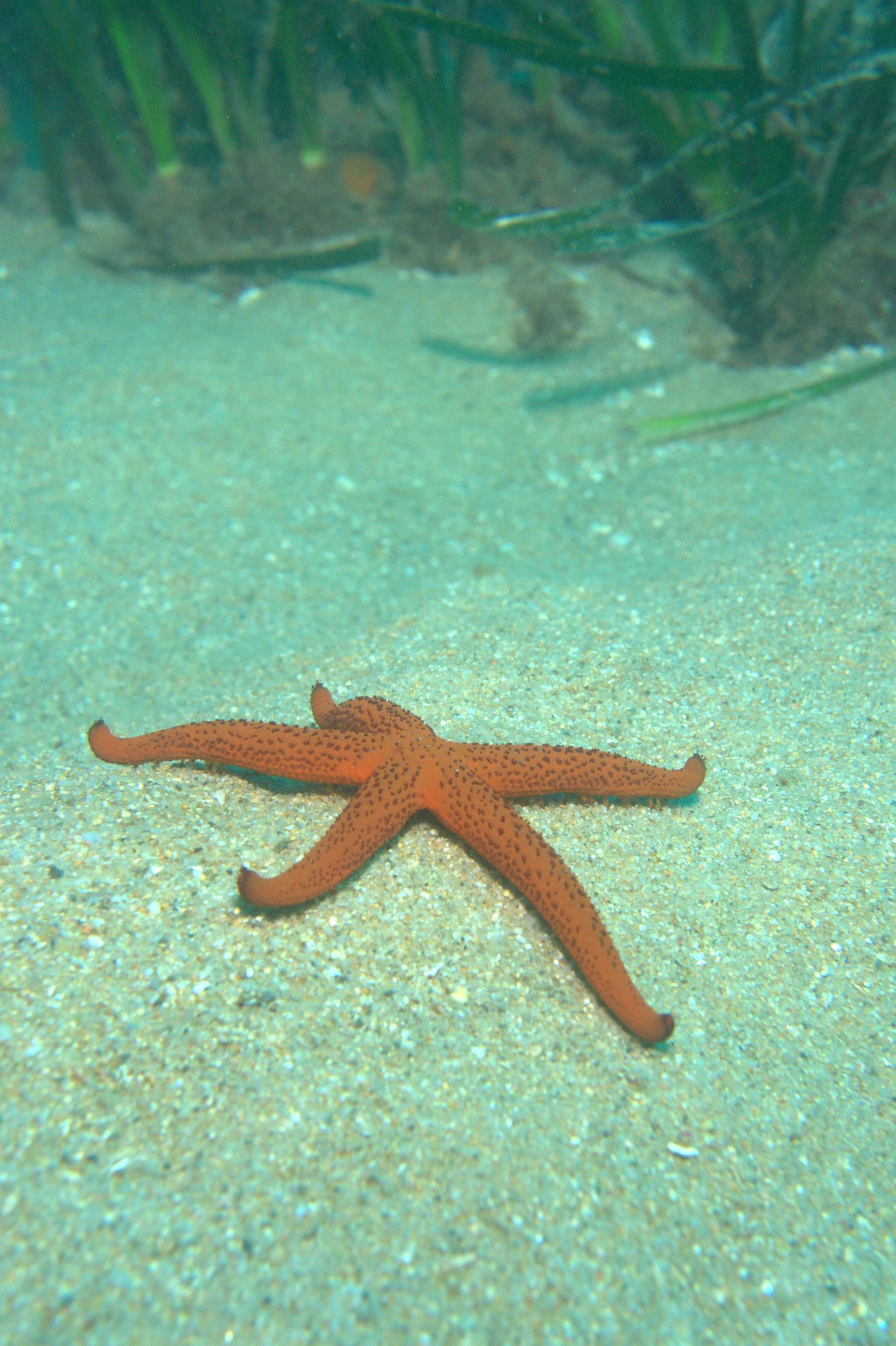
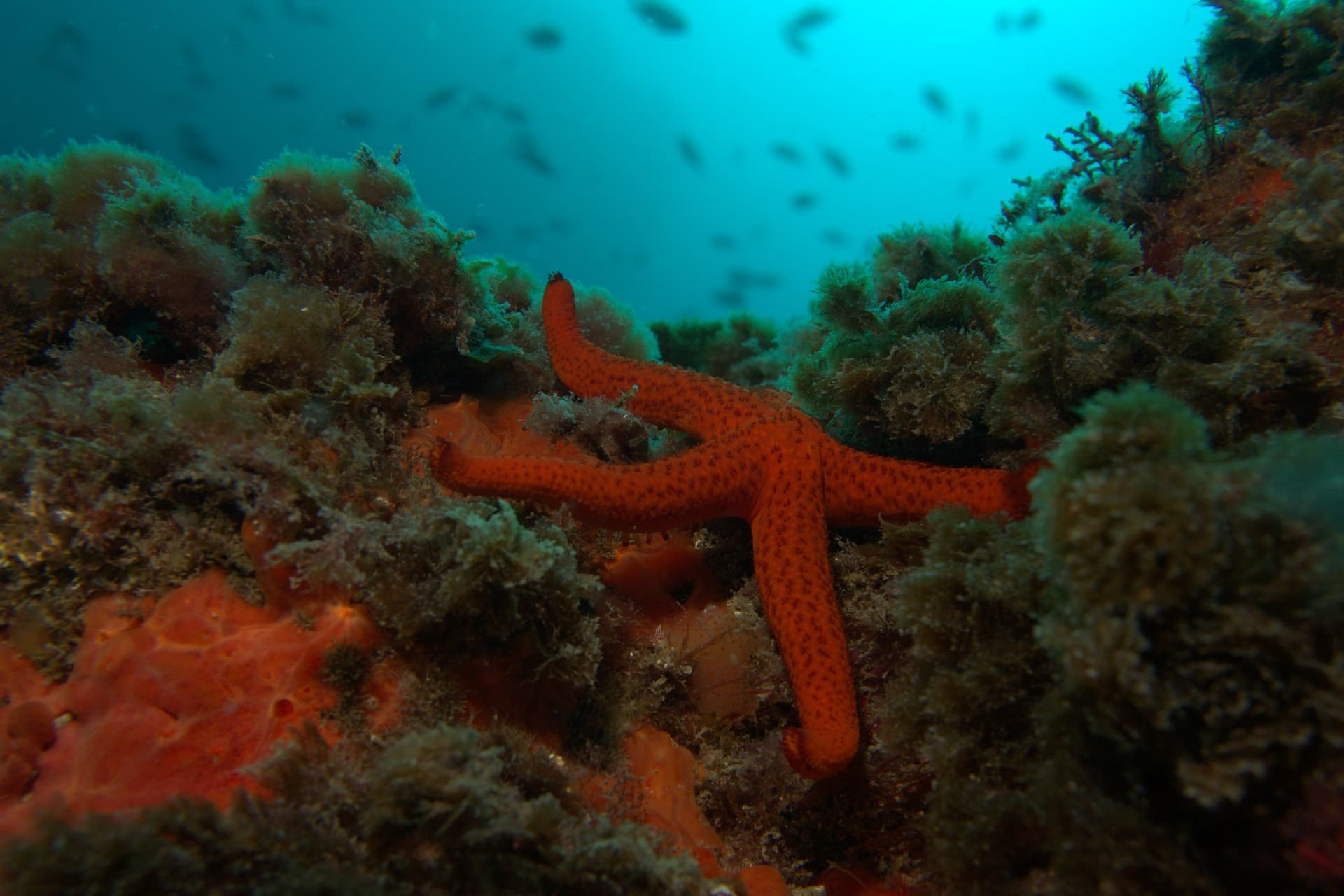
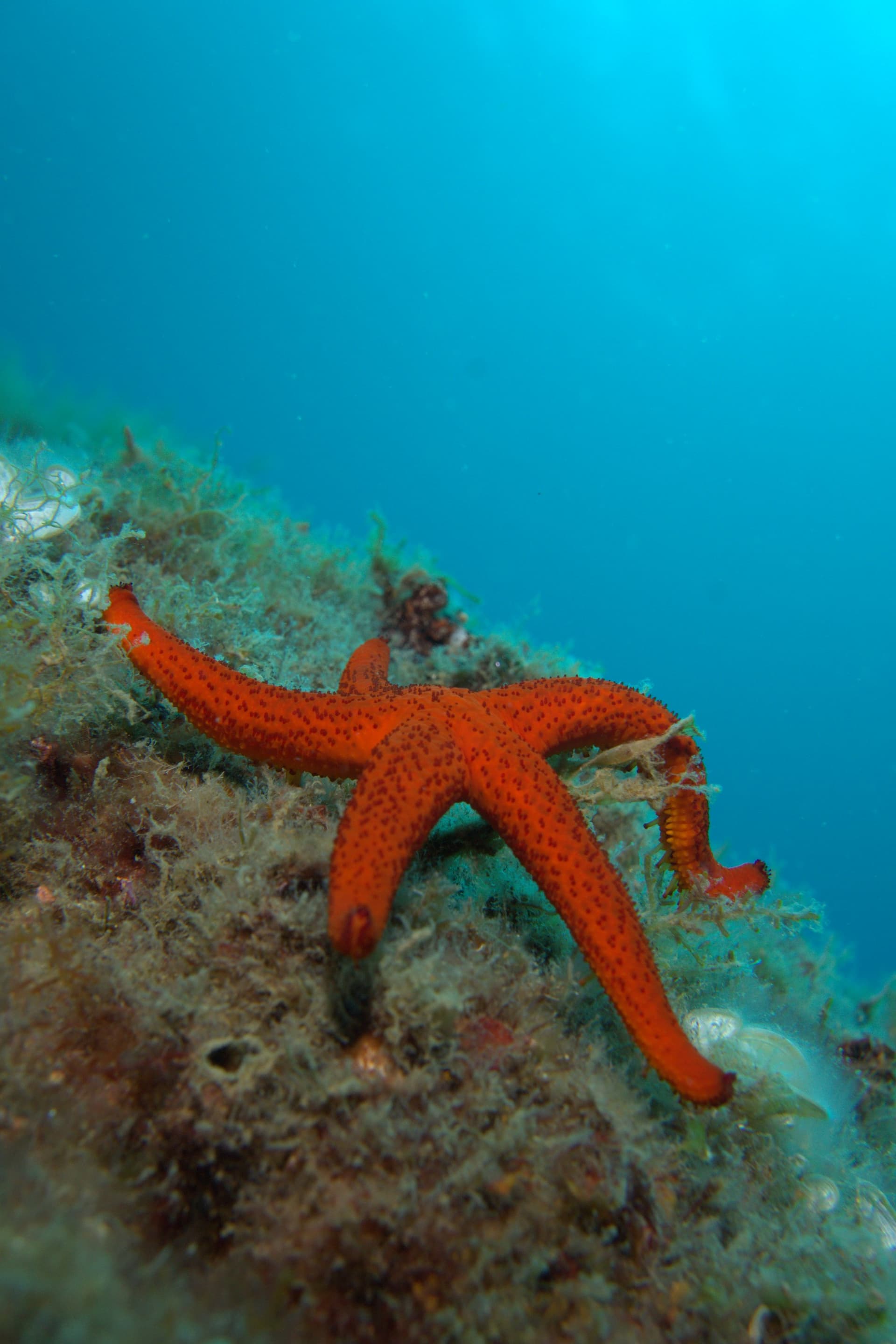
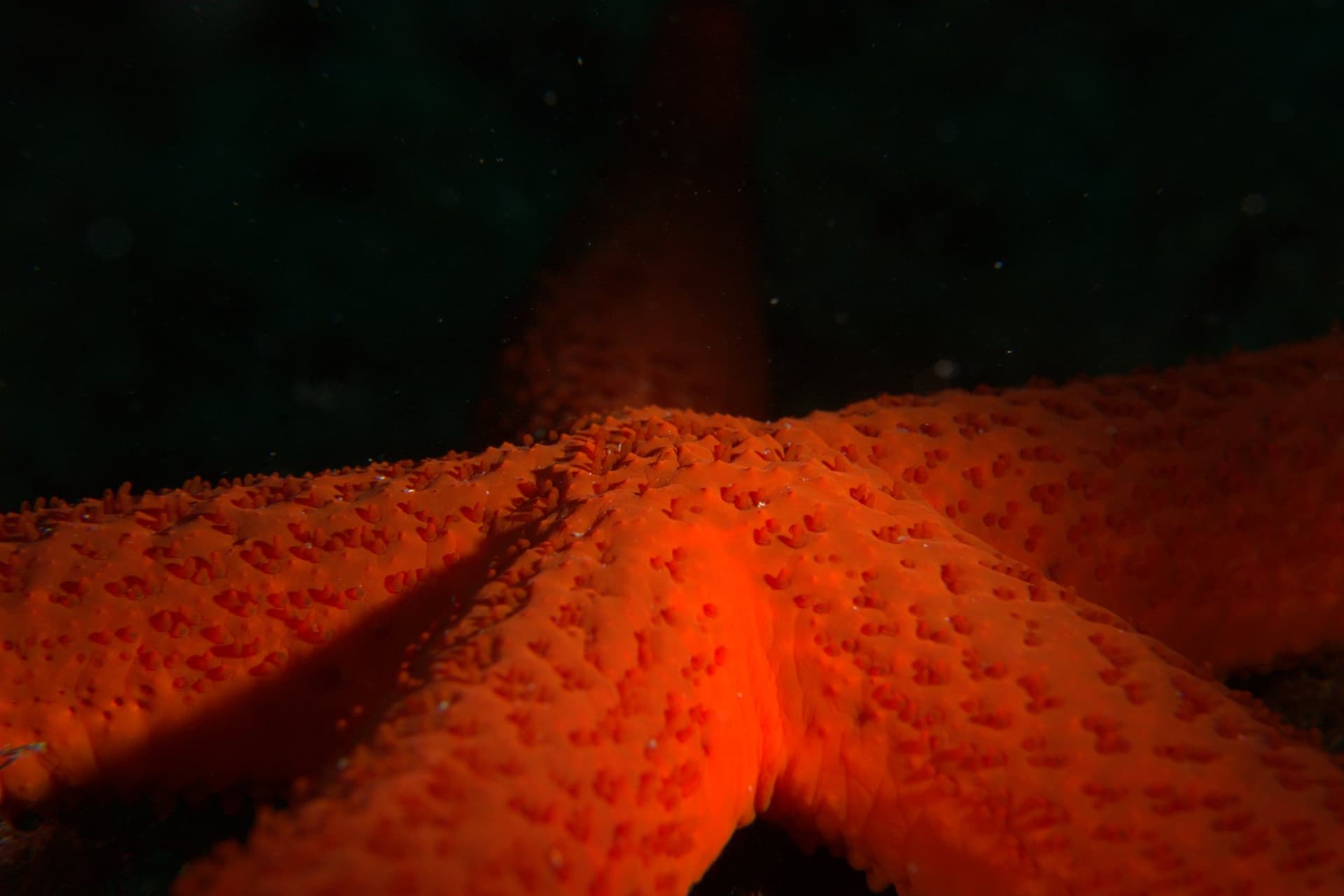
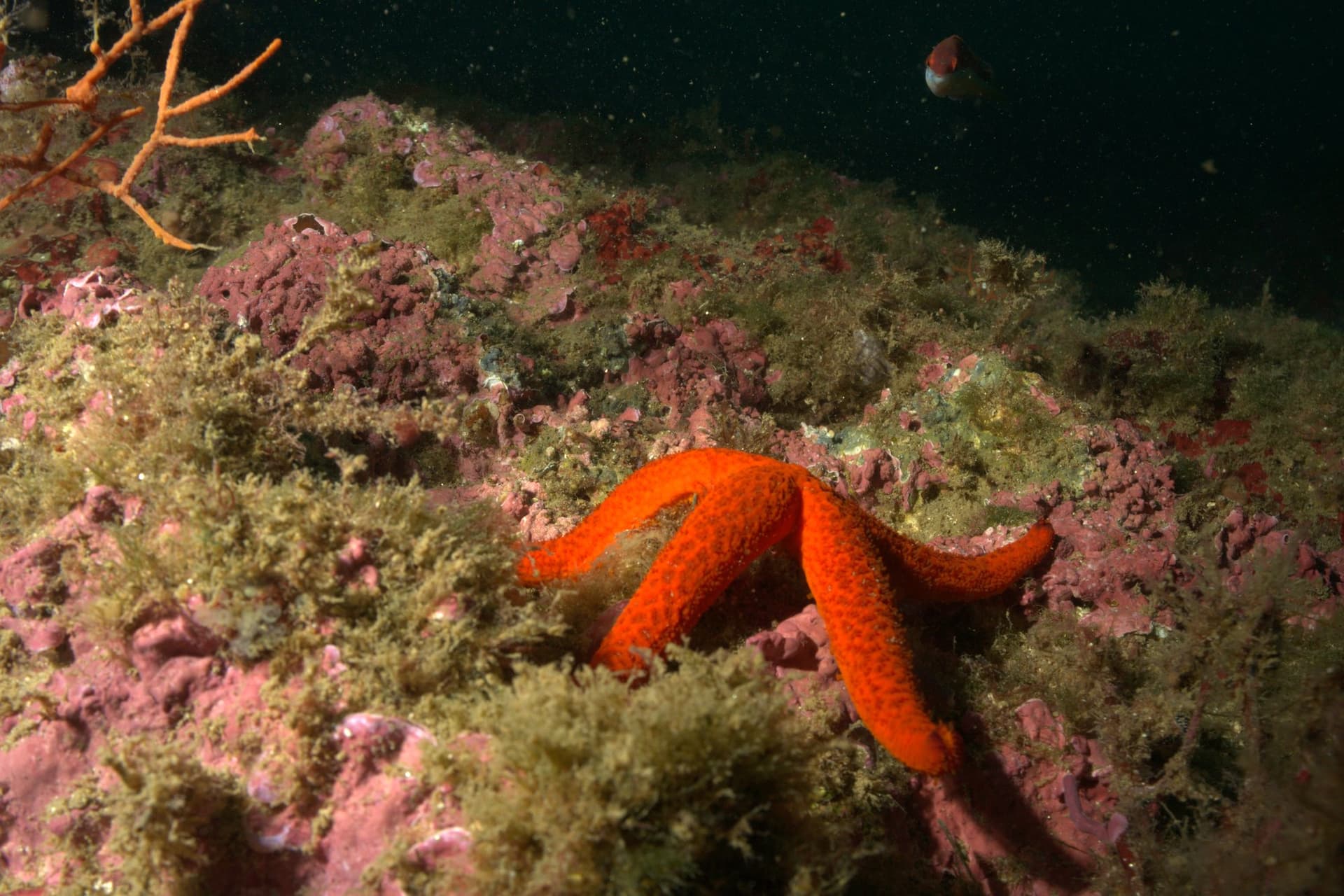
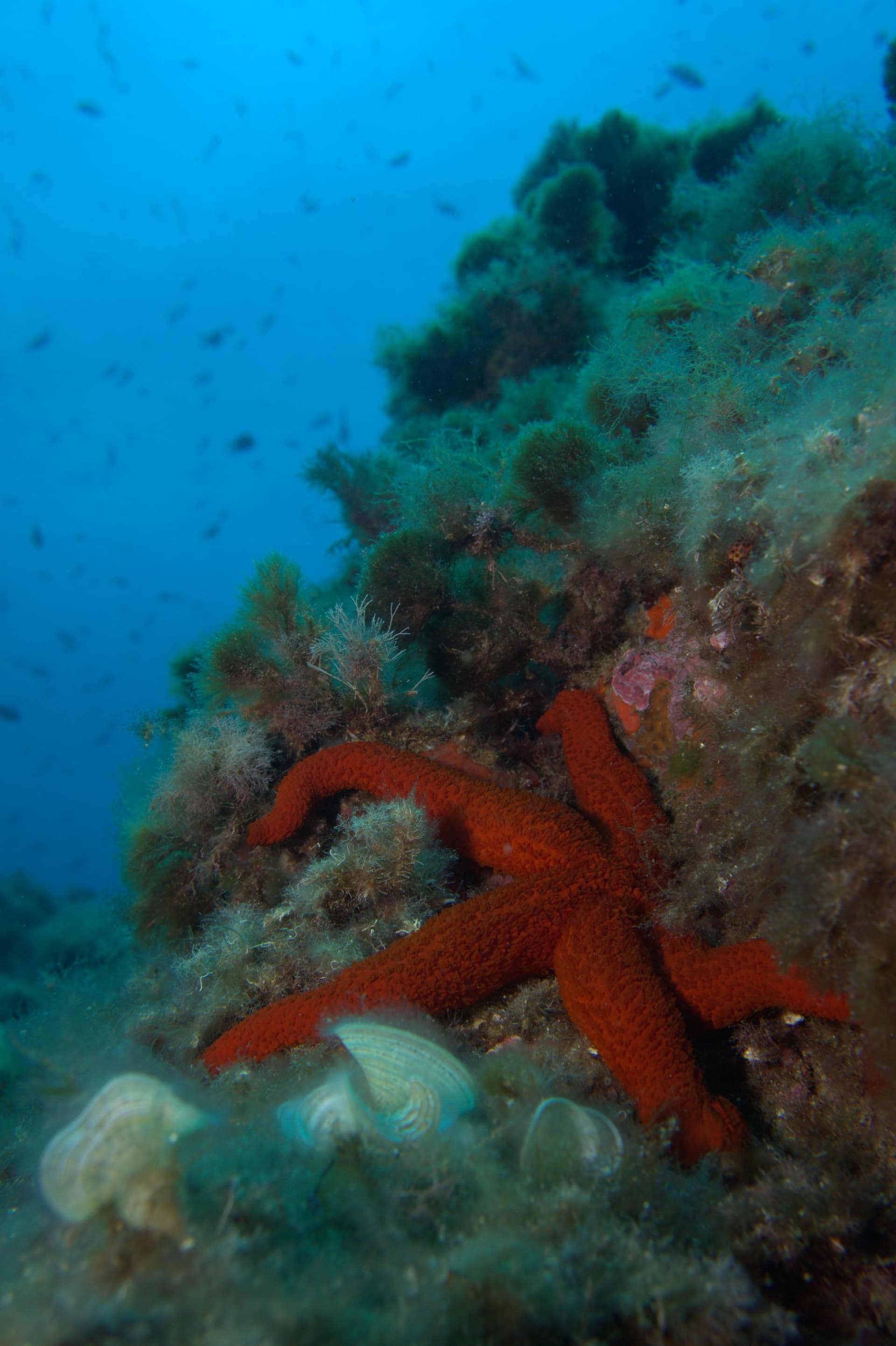
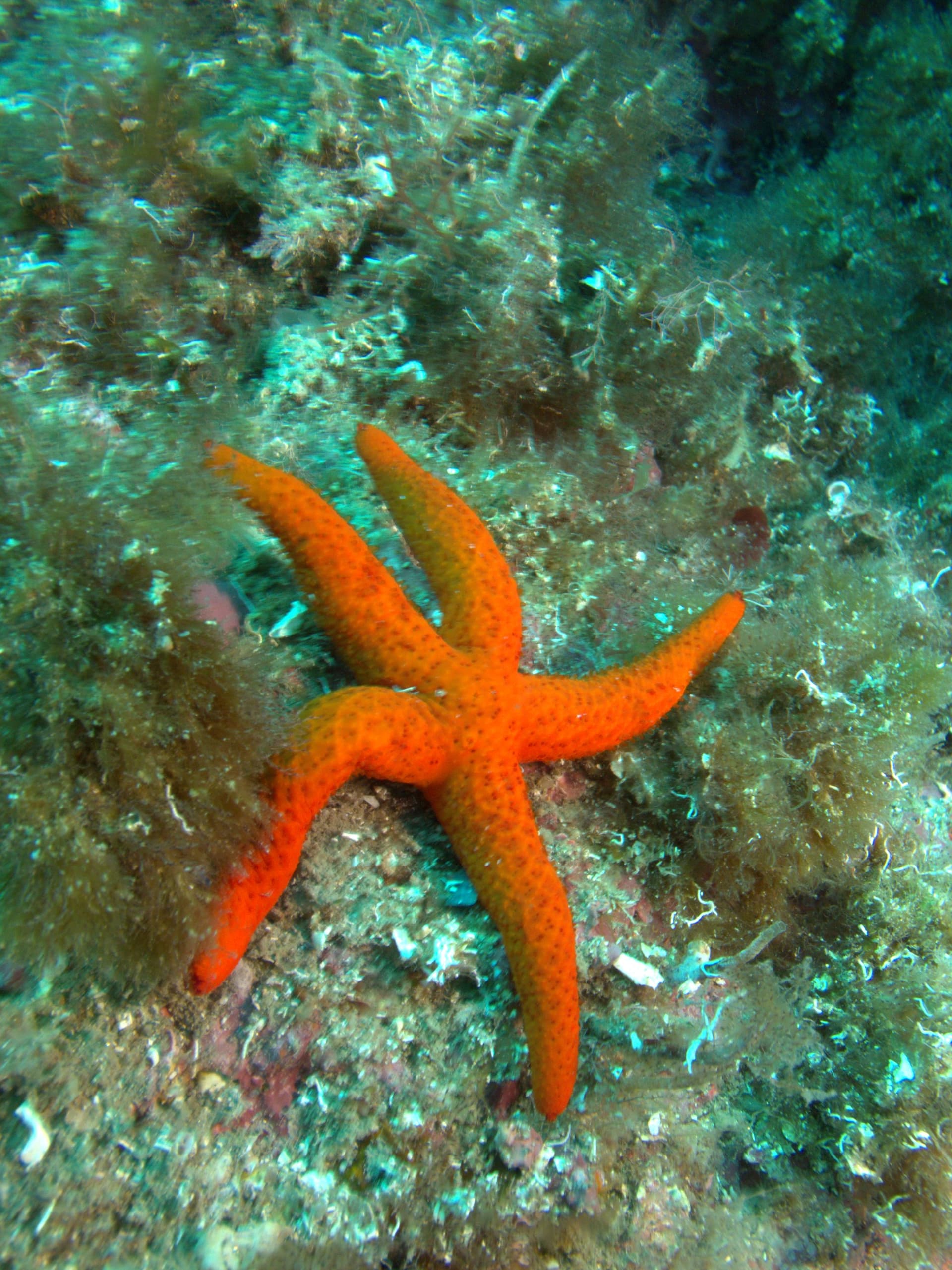
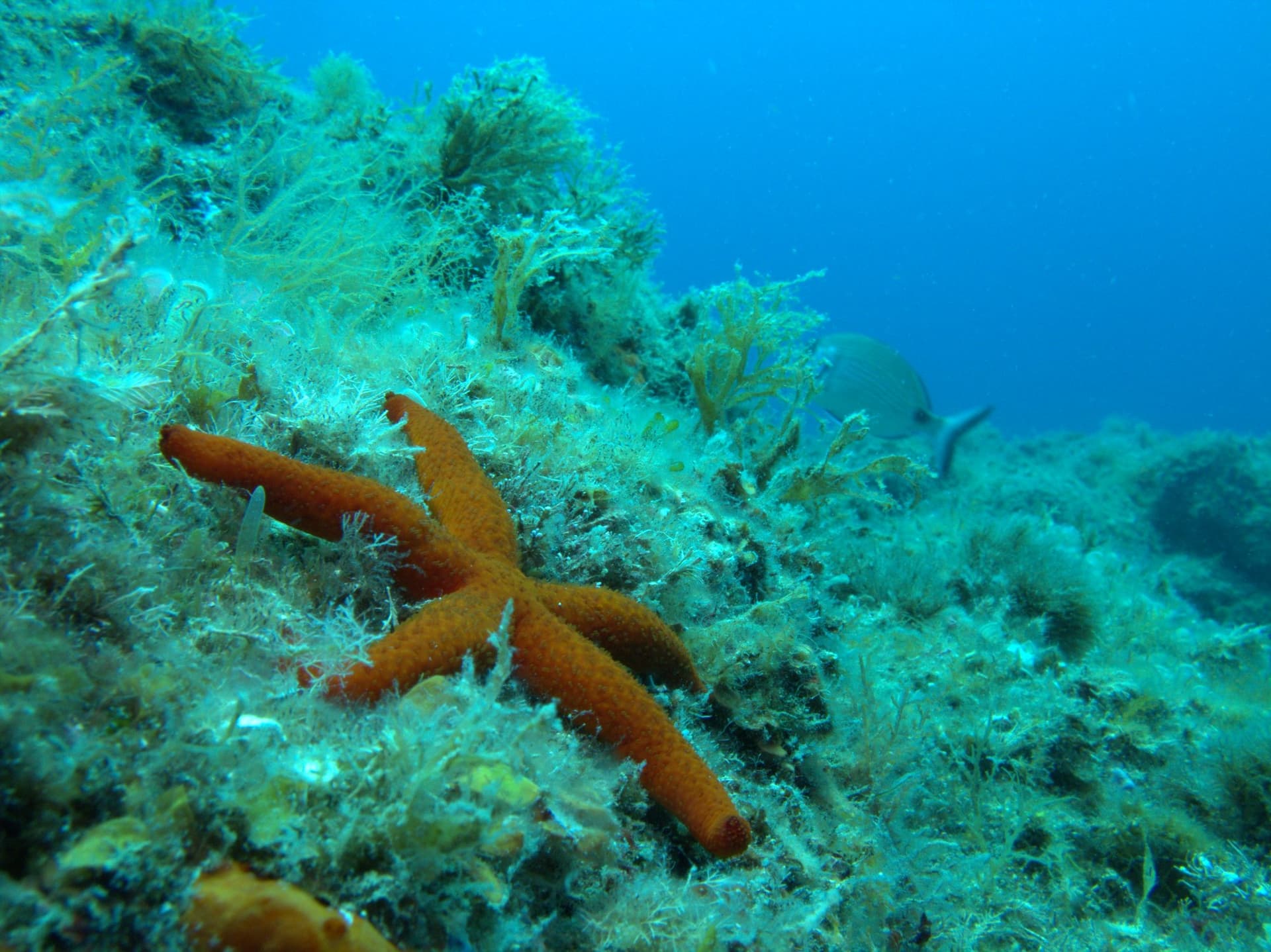
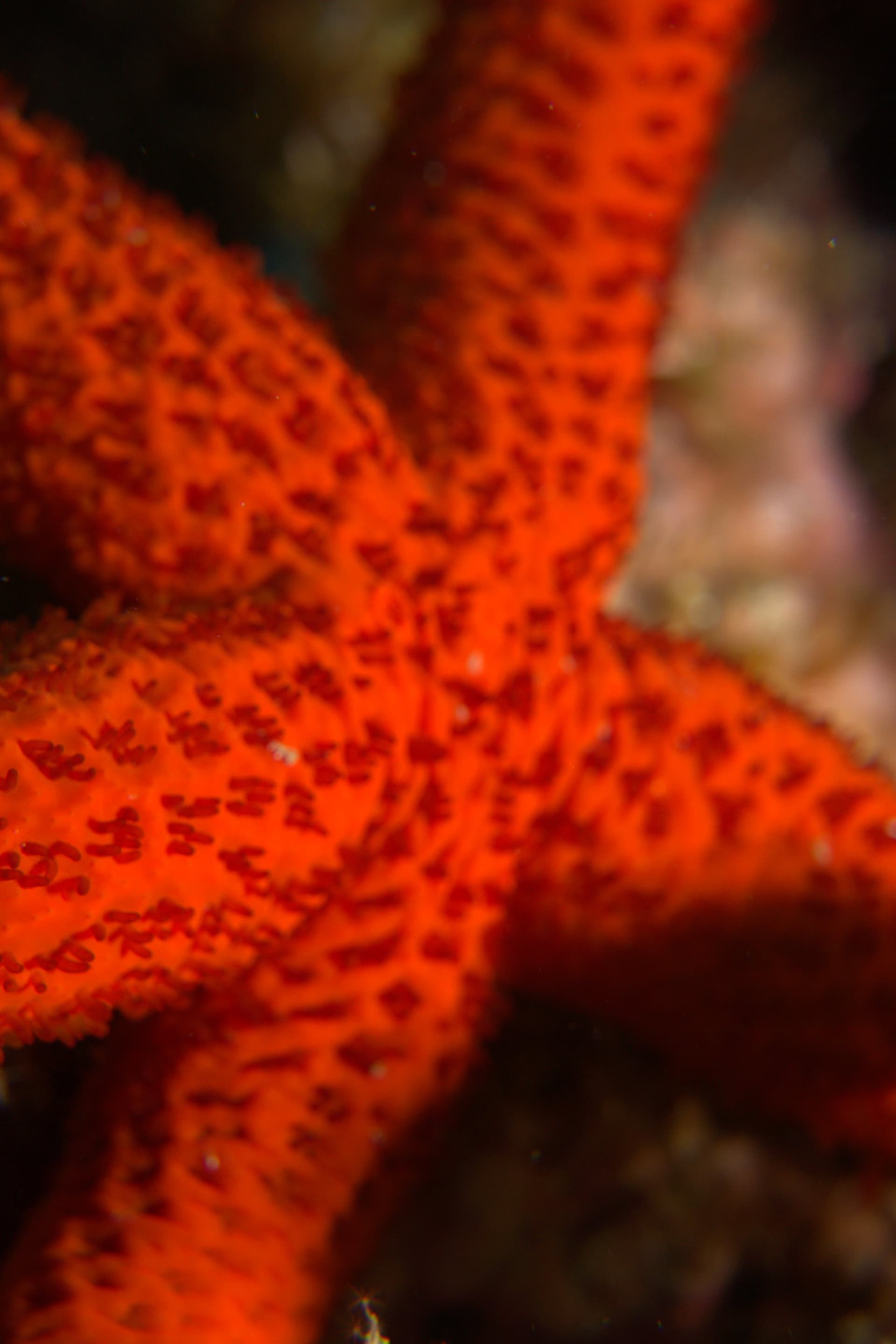
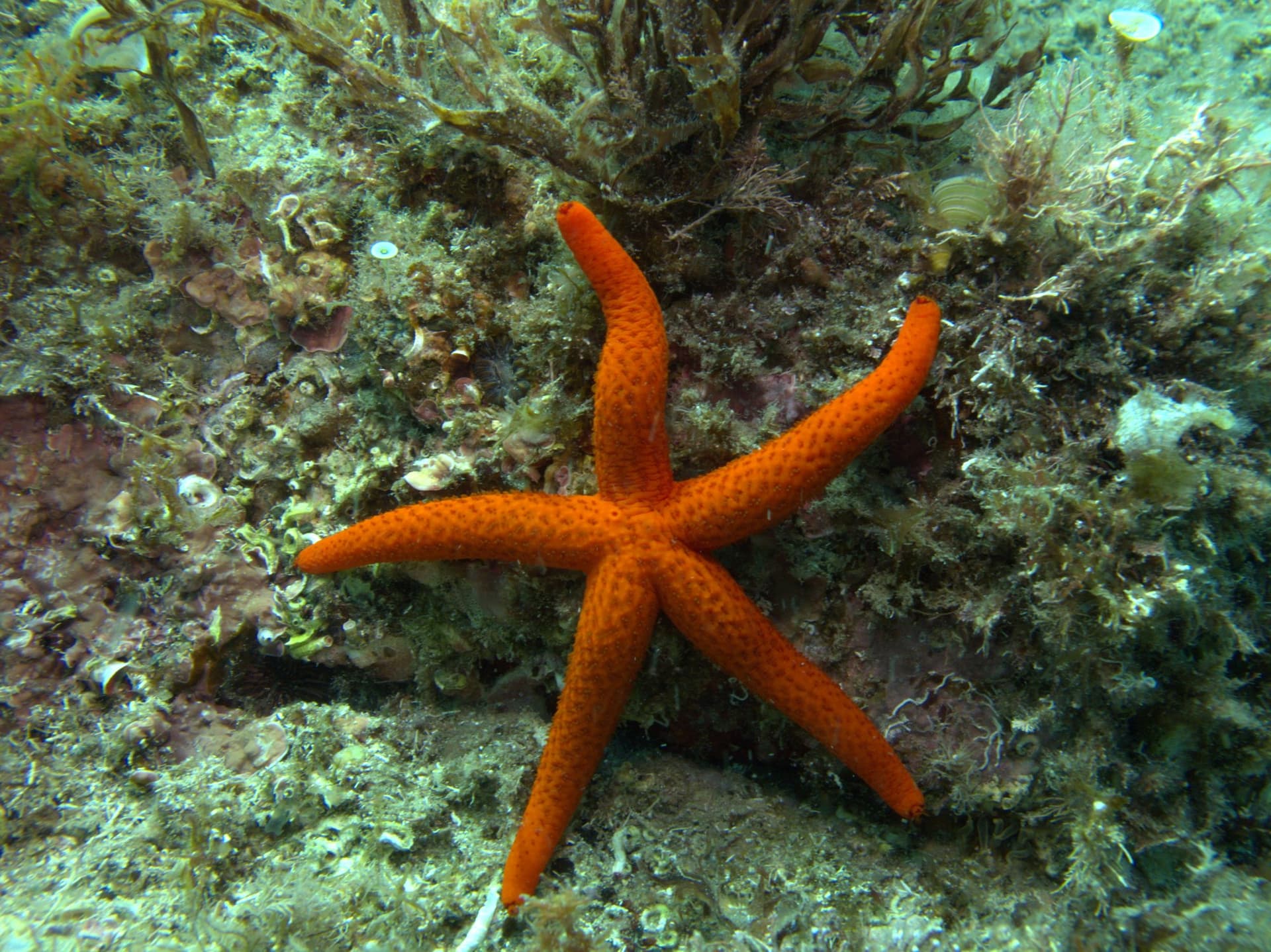
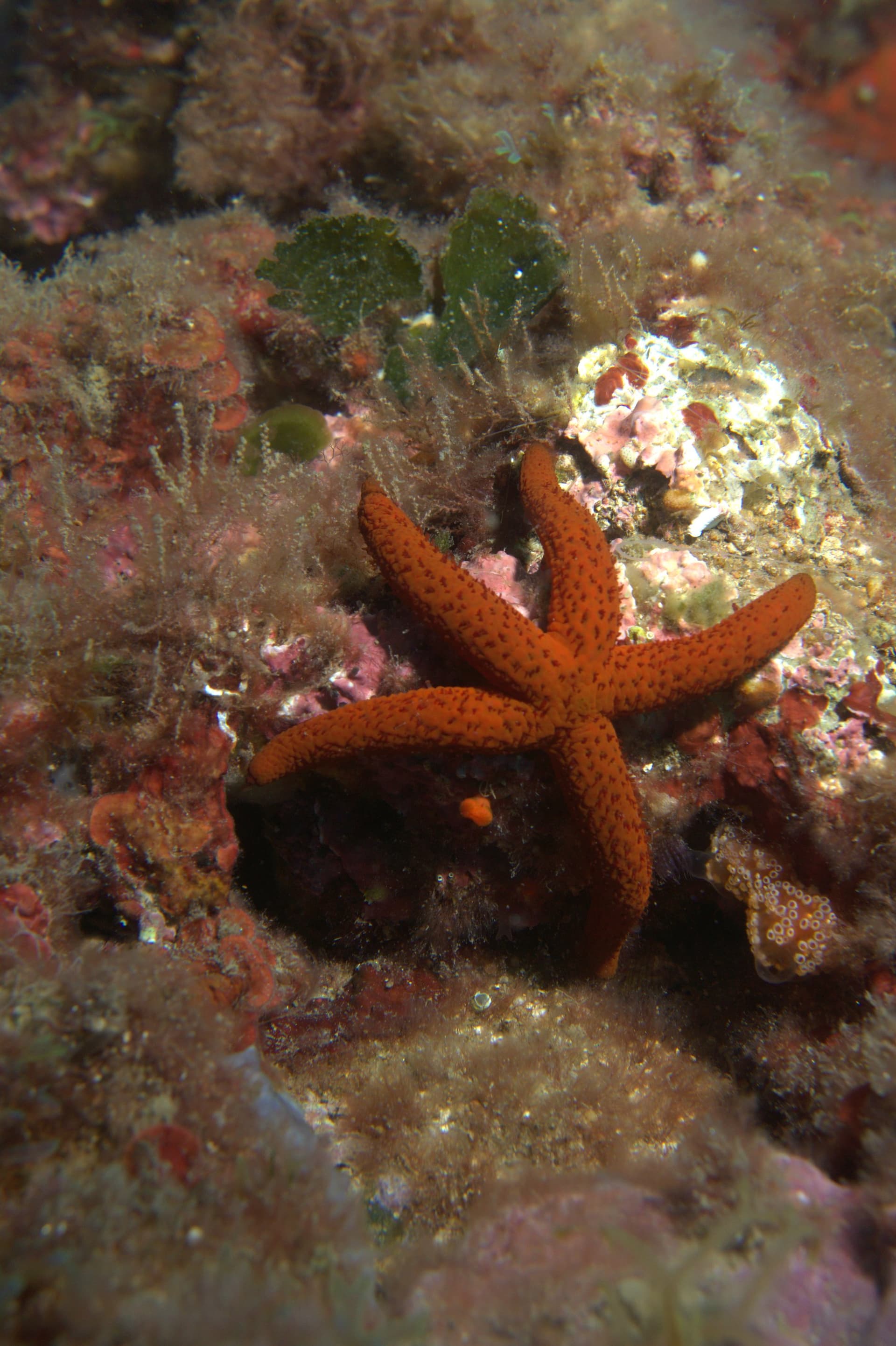
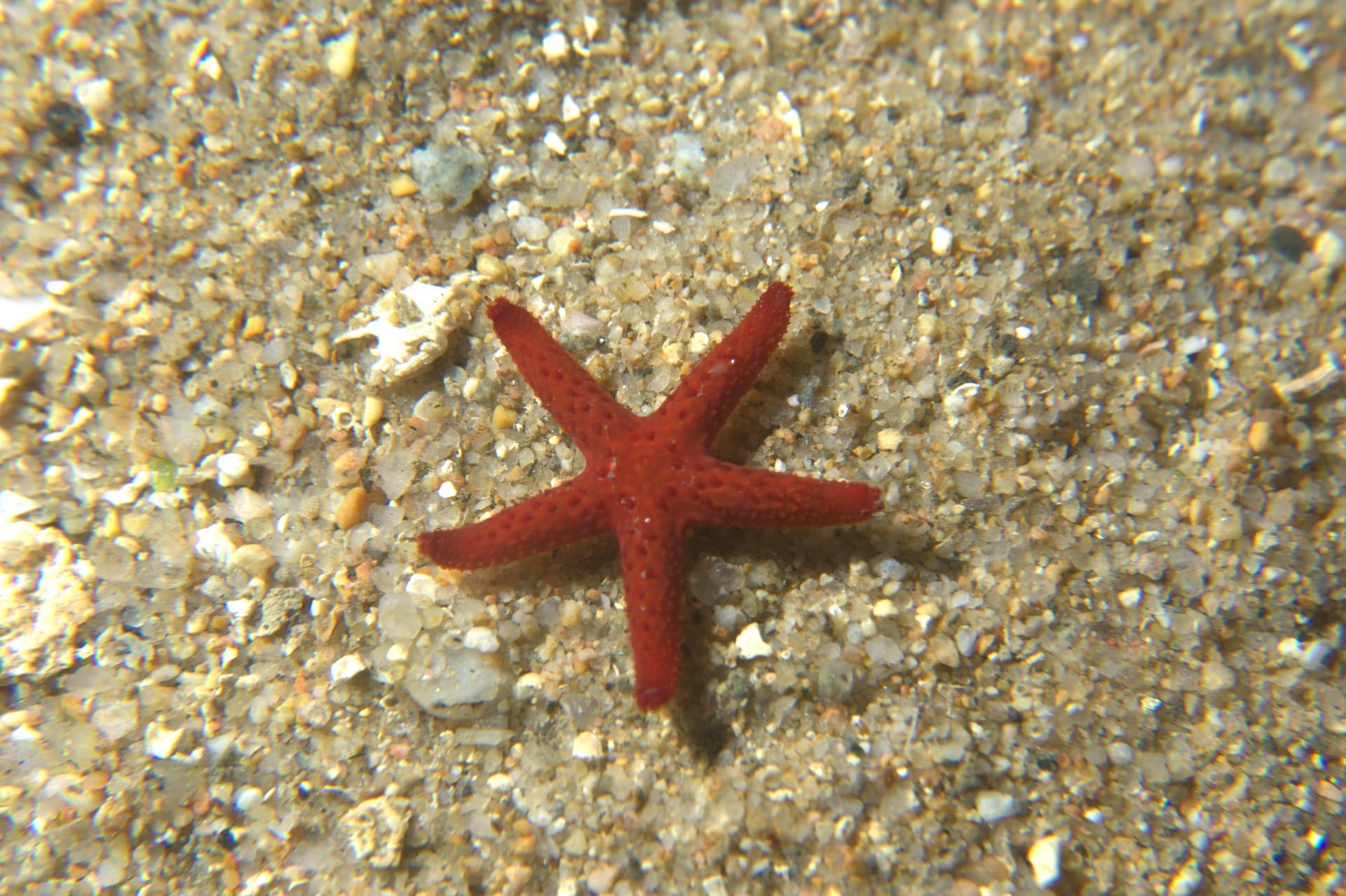
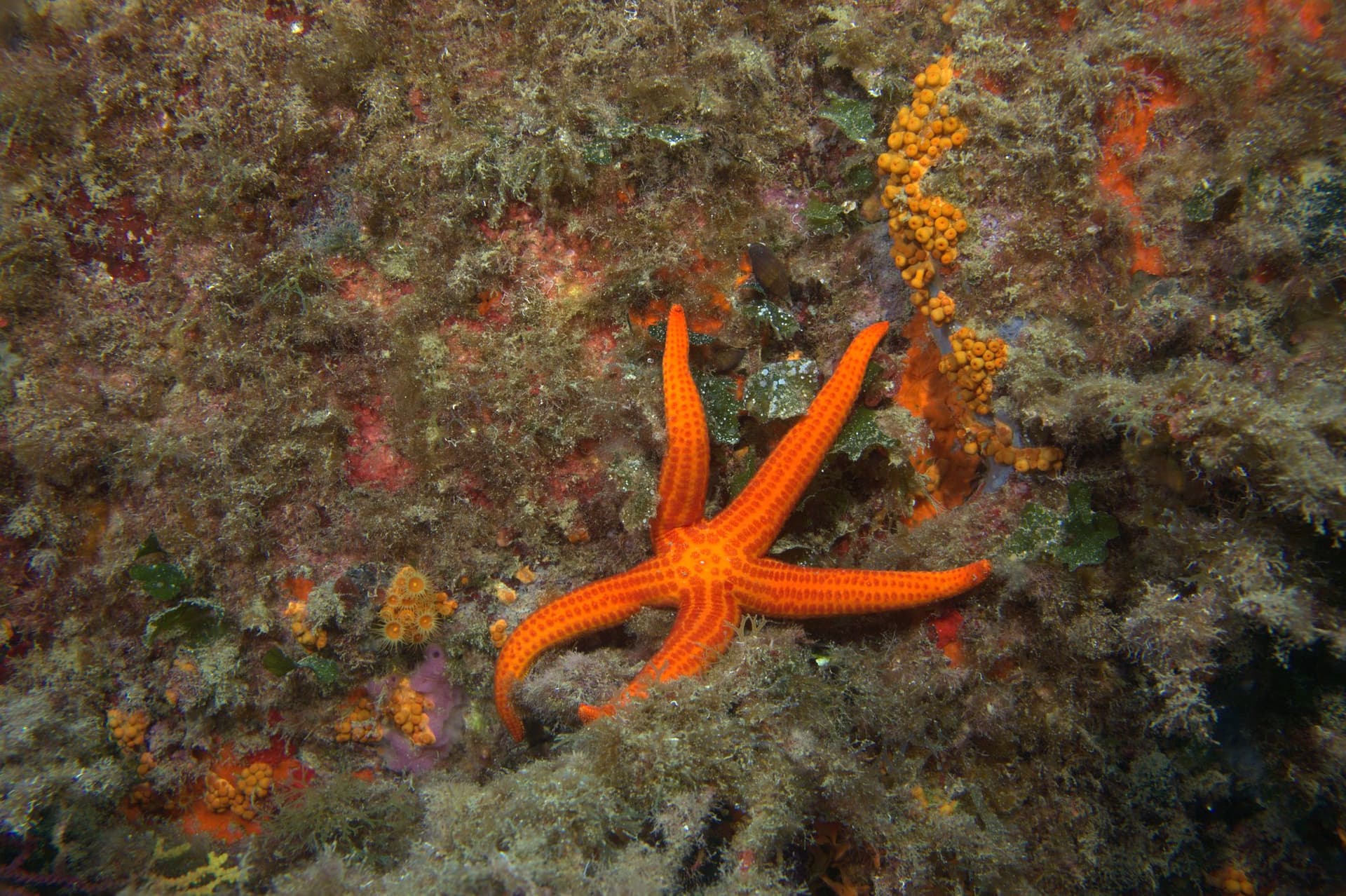
Red starfishEchinaster sepositus16 photos
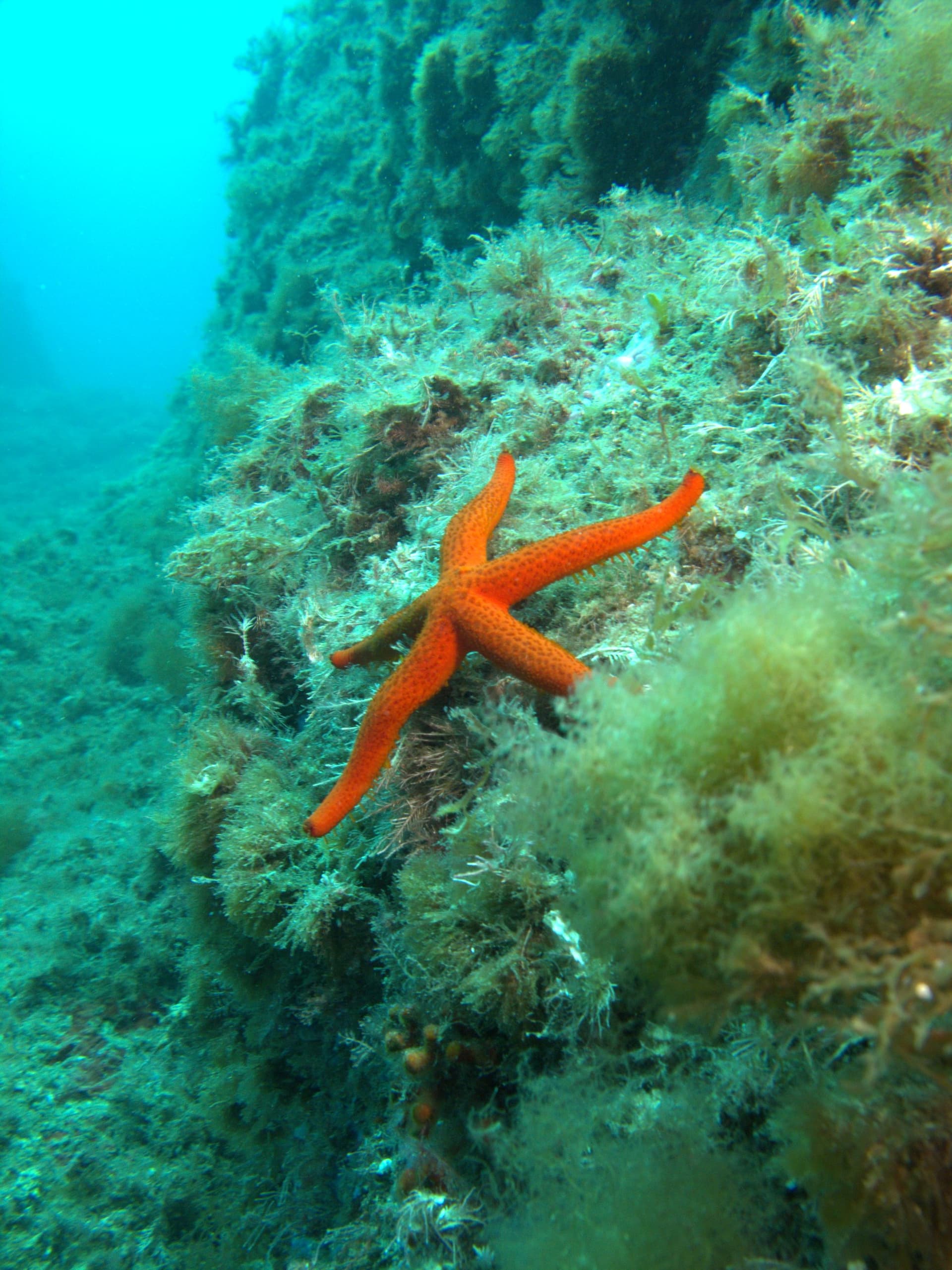
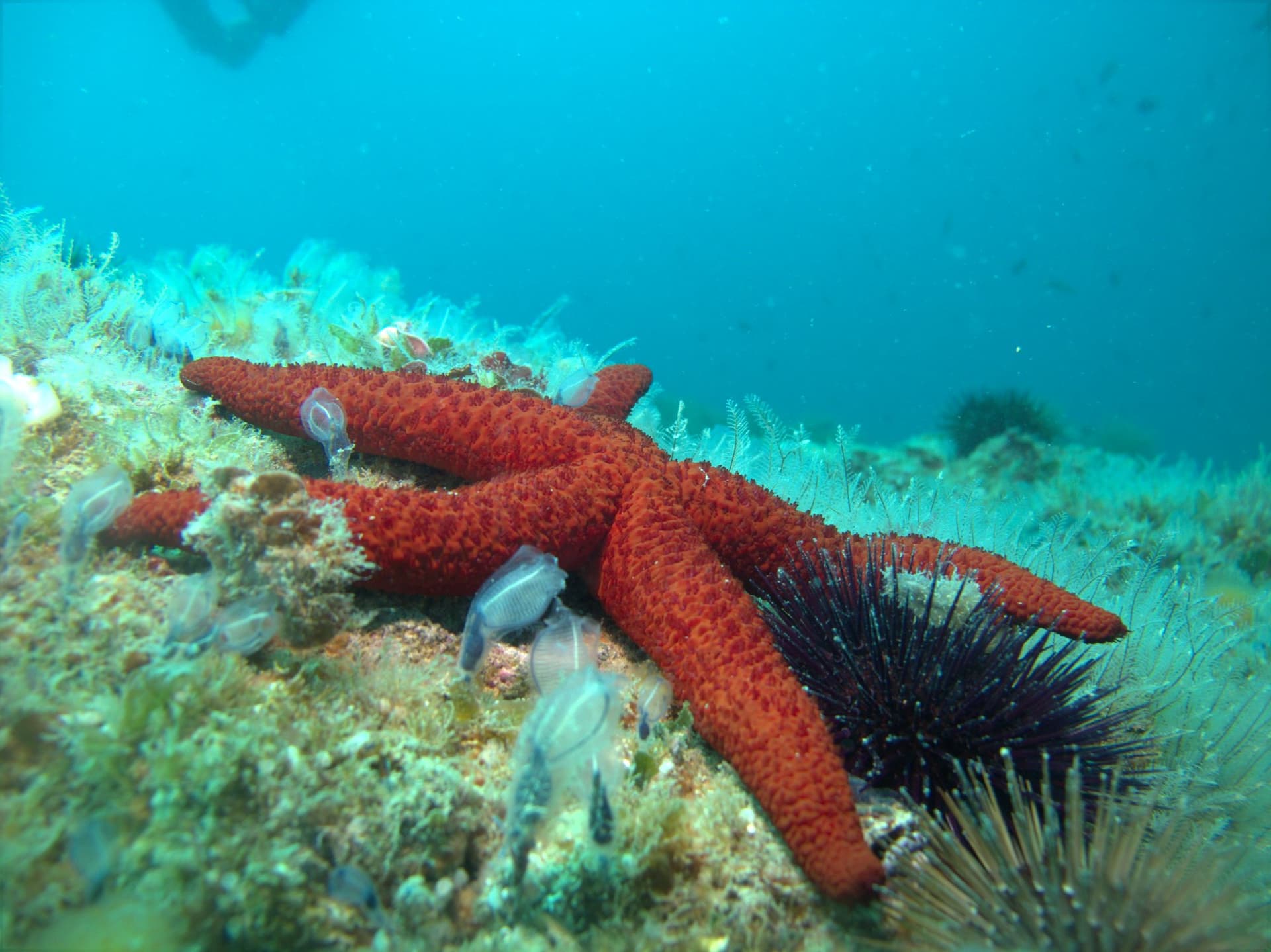
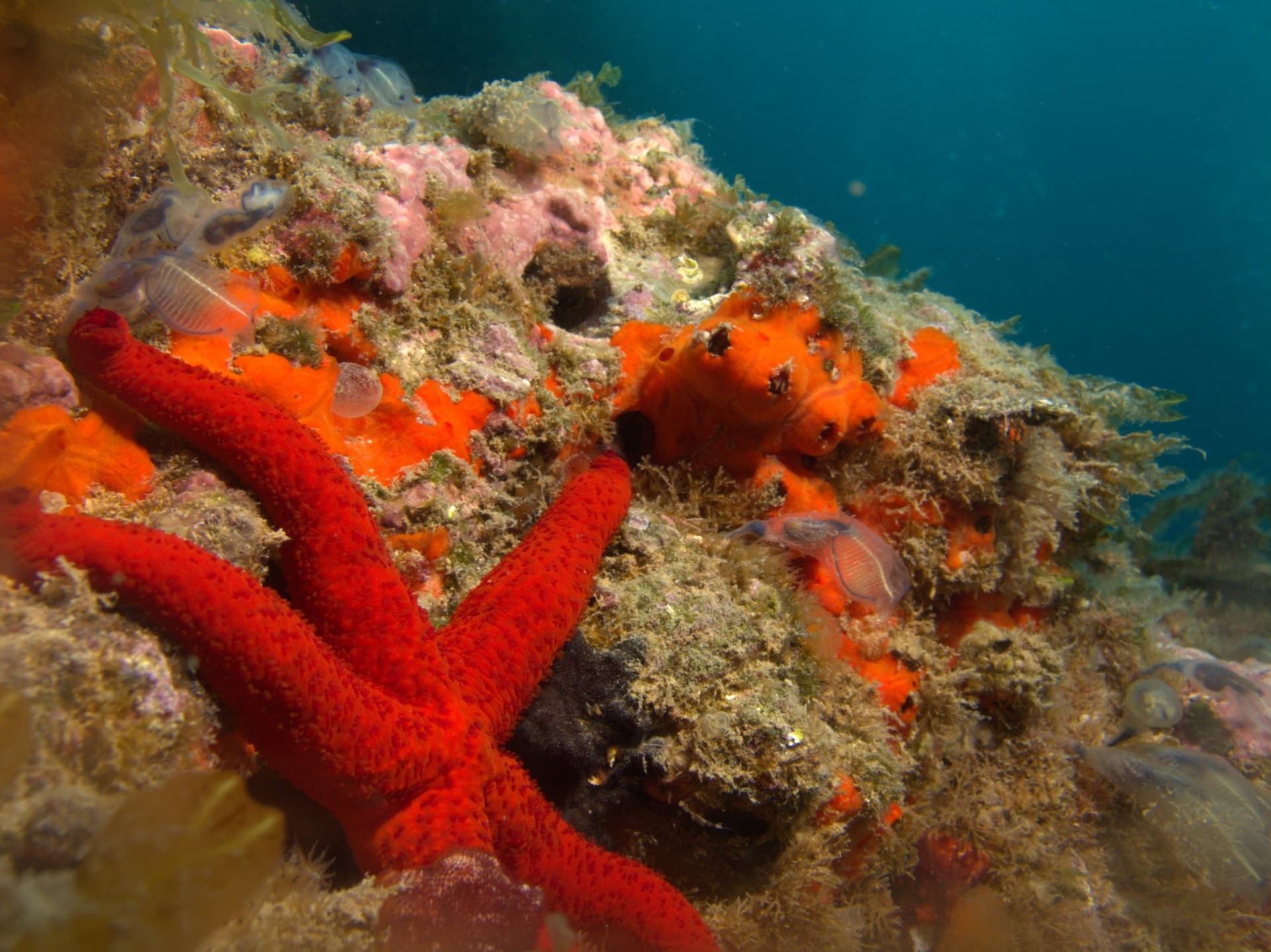
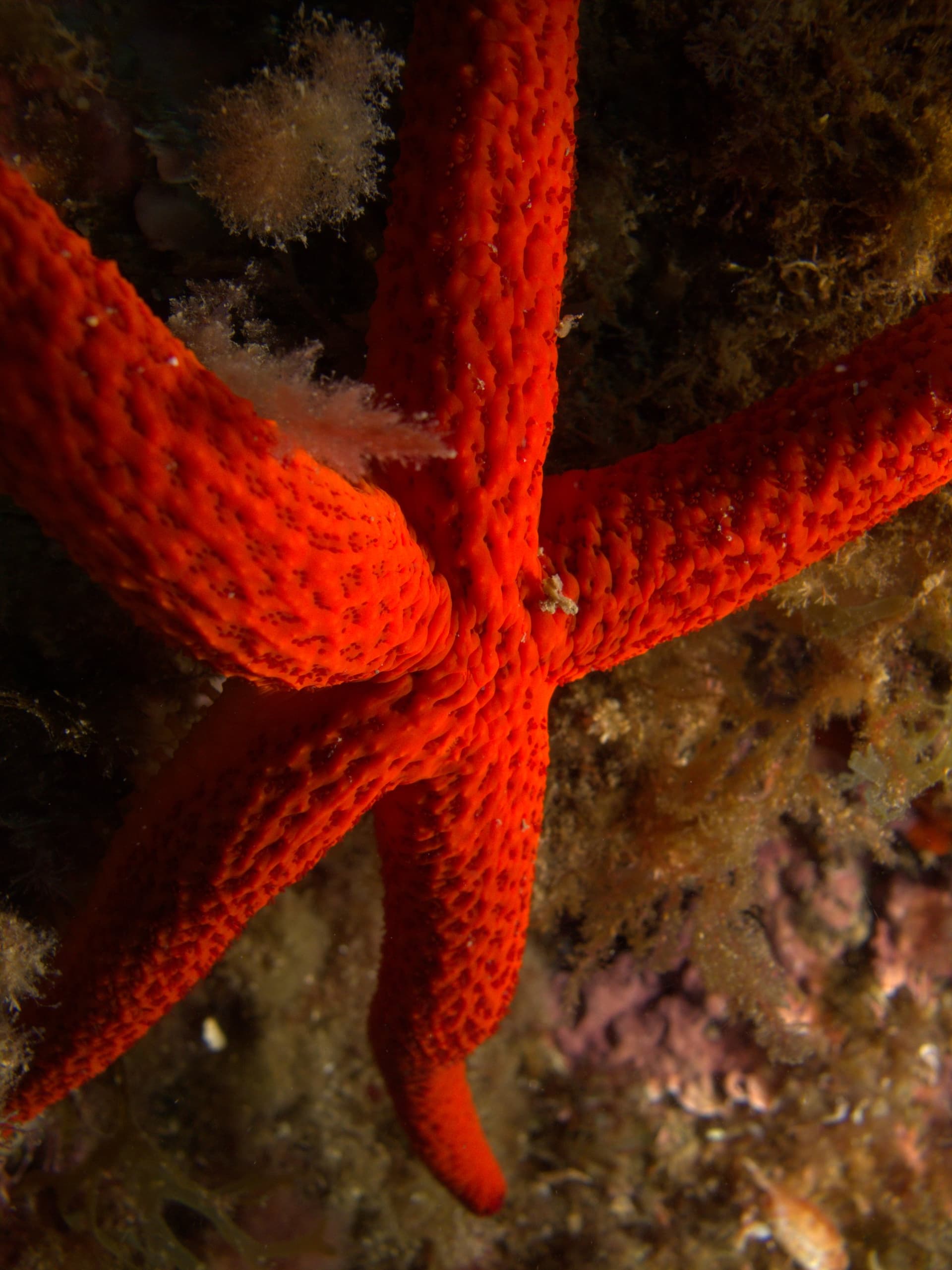
A vivid orange-red starfish with five smooth, cylindrical arms and a slightly bumpy surface. Instantly recognizable by its brilliant color against dark rock.
Clings to rocky walls and boulders, often in shaded areas — one of the Mediterranean's most photogenic and commonly seen starfish.
© Jouni Kuisma
© Jouni Kuisma
© Jouni Kuisma
© Jouni Kuisma
© Jouni Kuisma
© Jouni Kuisma
© Jouni Kuisma
© Jouni Kuisma
© Jouni Kuisma
© Jouni Kuisma
© Jouni Kuisma
© Jouni Kuisma
© Jouni Kuisma
© Jouni Kuisma
© Jouni Kuisma
© Jouni Kuisma
Observed at
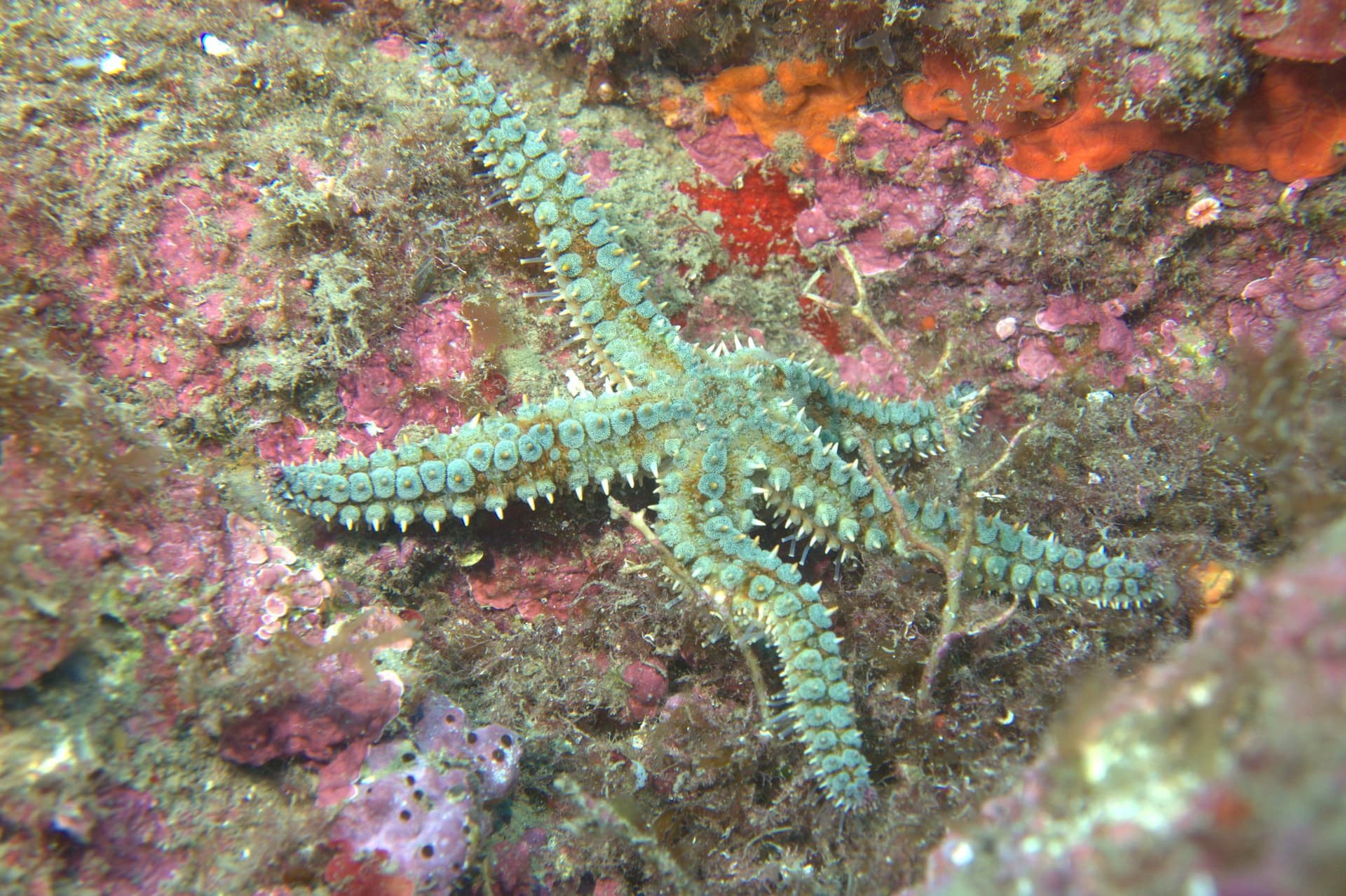
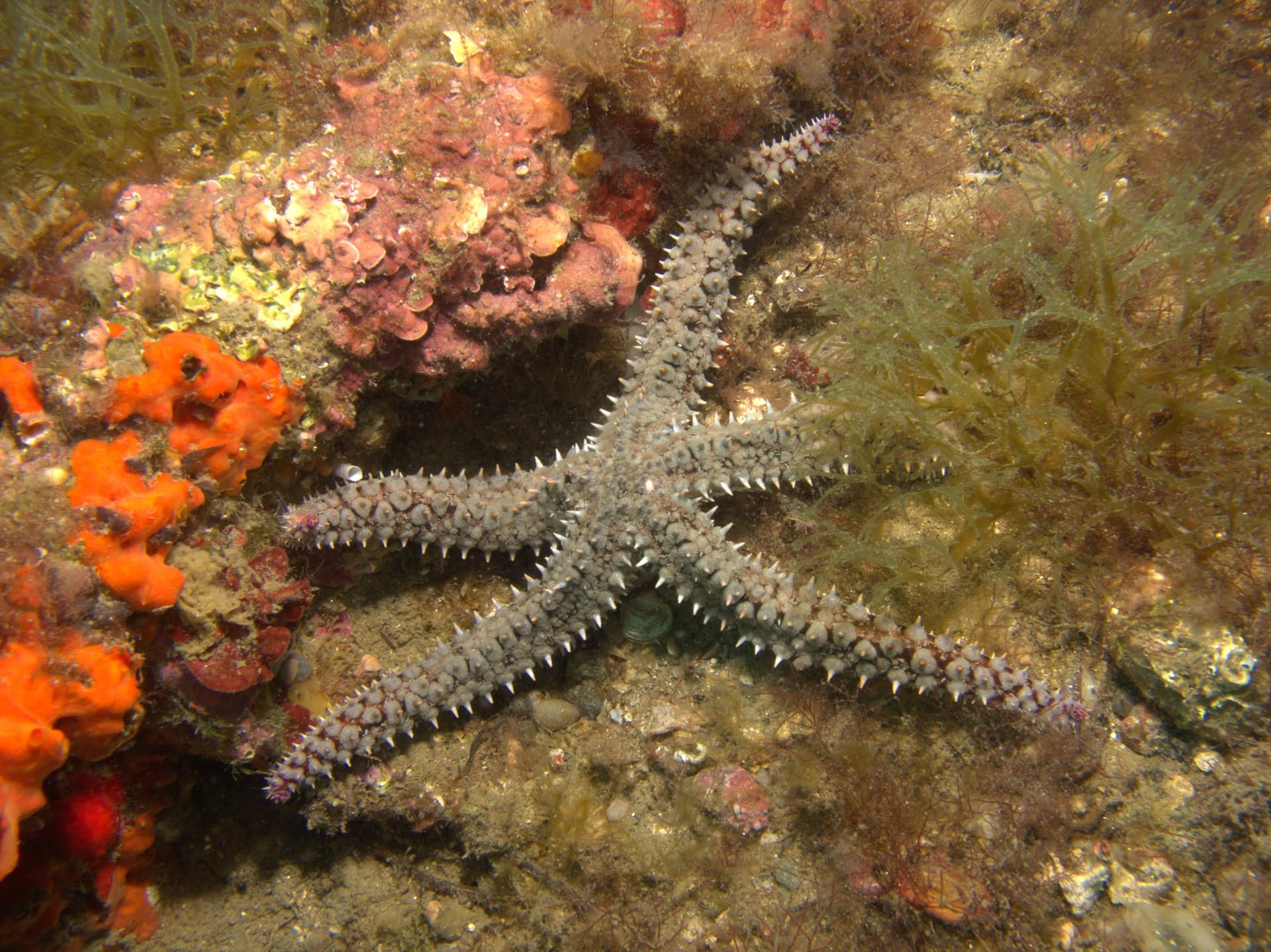
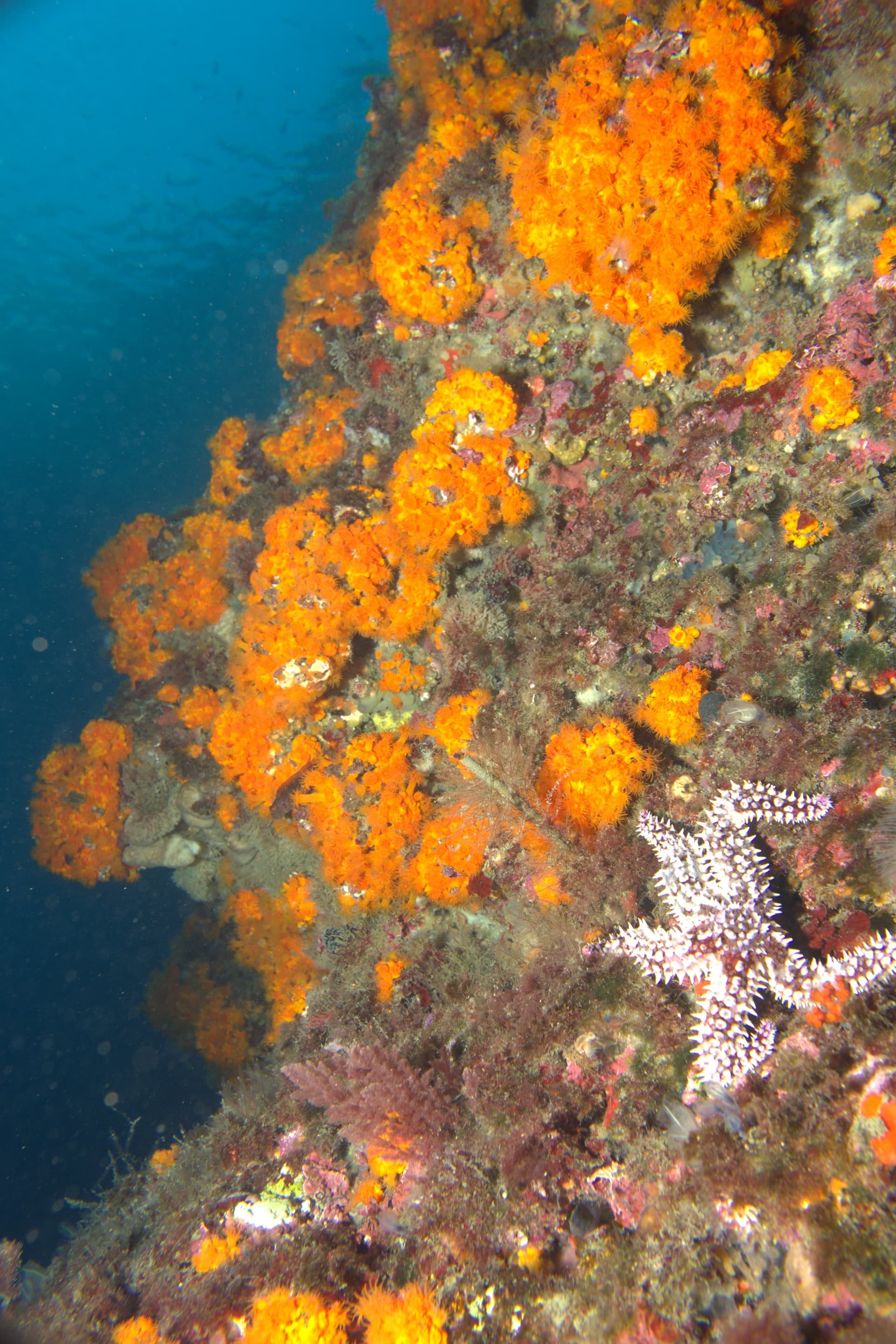
Spiny starfishMarthasterias glacialis3 photos
A large, robust starfish with prominent spines along its arms and a mottled green-brown surface. The biggest starfish commonly seen in the Mediterranean.
Found on rocky walls and boulders, moving slowly with its tube feet — often upside down in crevices.
© Jouni Kuisma
© Jouni Kuisma
© Jouni Kuisma
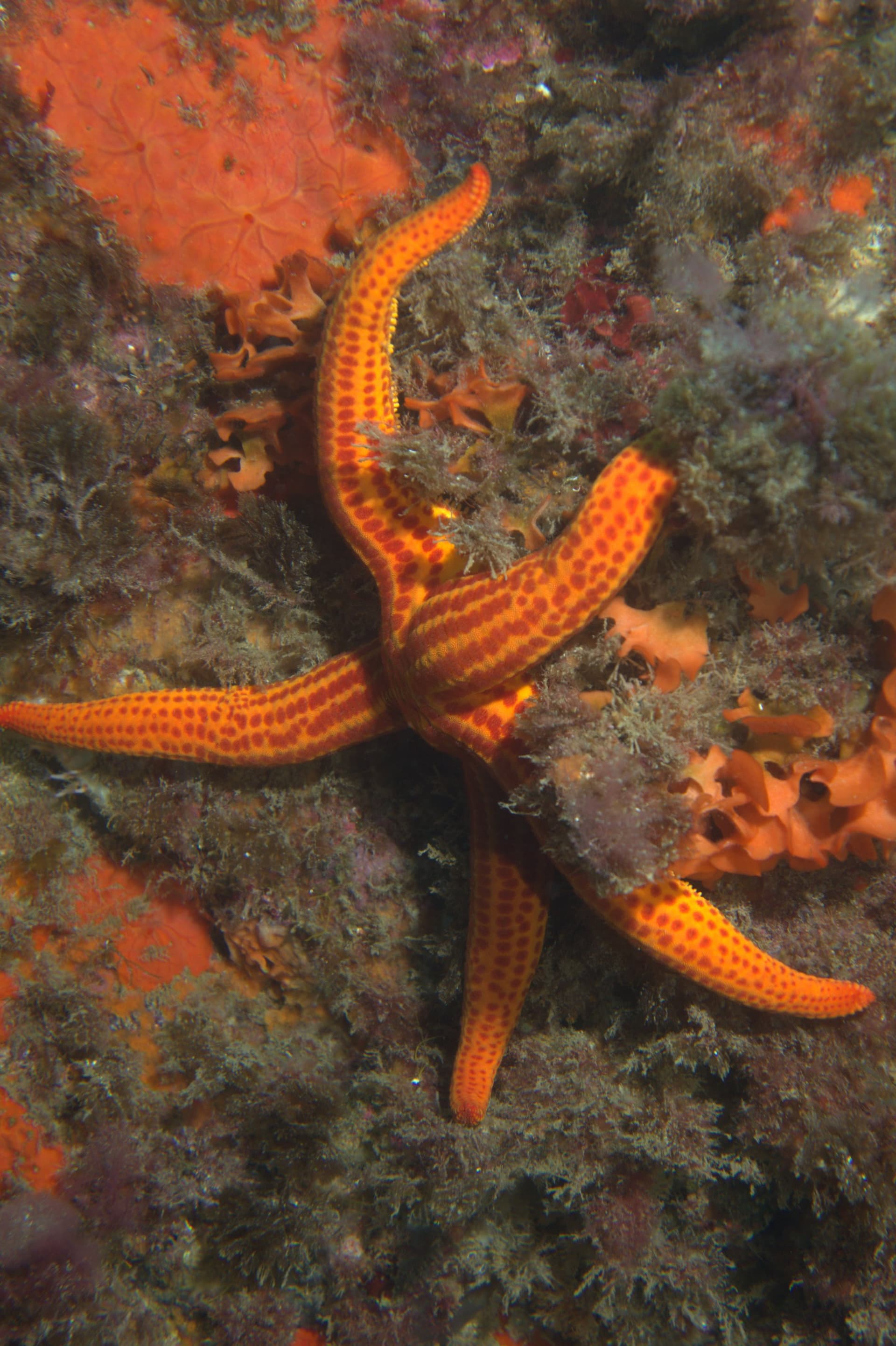
Smooth sea starHacelia attenuata2 photos
© Jouni Kuisma
© Jouni Kuisma
Observed at
Every dive has a story. Share yours.
Log your dives - notes, photos, conditions and the marine life you saw - and share them as one public diver profile. What you share helps the next diver, too.
Log every detail
Depth, duration, conditions, gear, buddy, notes — all in one place. Import from Suunto and other dive computers.
Track marine life
Record species sightings on each dive. Build a personal catalogue of everything you've seen underwater.
Your public dive profile
Share your dive history, stats, and experiences with a profile page you control. Show the world where you've been.