
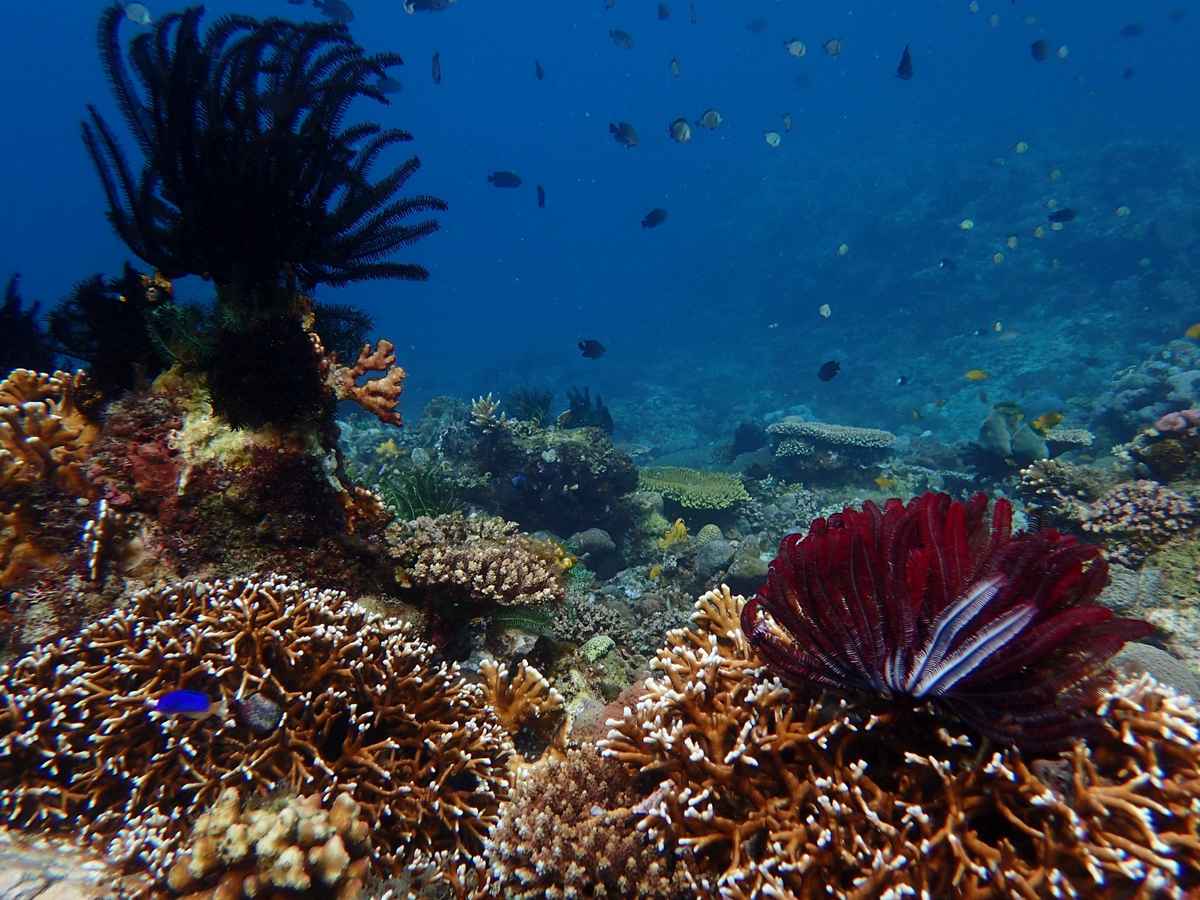
Anilao
Where Manila drives for nudibranchs
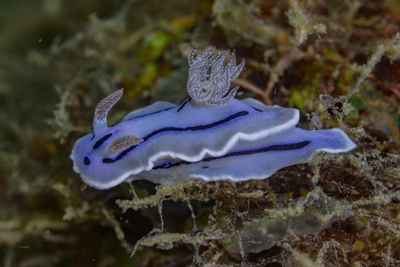
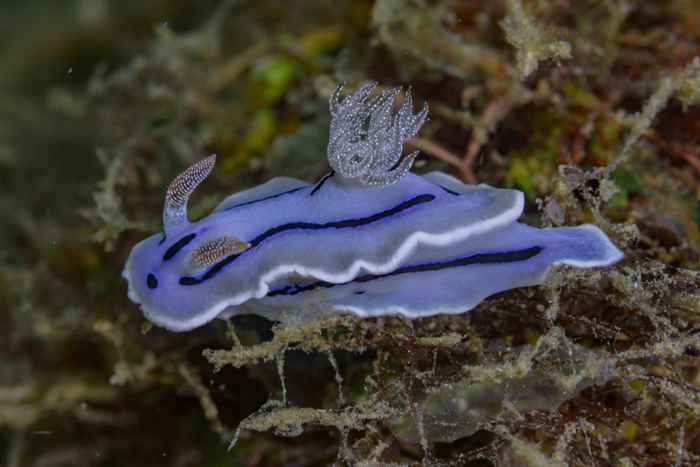
Macro coast on Luzon's Calumpan Peninsula, two to three hours from Manila, where two nudibranchs were described from its dive sites.
16 dive sitesBoat & shore
Dawn thresher sharks, a sardine baitball you walk into, a WWII wreck fleet and a no-take atoll, each on a different coast.
Last updated October 2026
Philippine diving splits by coast, and divers planning a trip talk in shortlists: wrecks at Coron, macro at Anilao and Dauin, walls and healthy reef at Panglao, then an order in which to fly between them.
Cebu has diving at both ends of one island. Off its northern tip, Malapascua sends boats out before dawn to Kimud Shoal, where the thresher sharks moved in 2022. On the west coast, Moalboal has a resident sardine baitball that you enter from the shore. In the south, Oslob's whale sharks are fed to keep them in place for visitors, and divers describe a crowded queue.
Bohol is the easiest base in the Visayas because Panglao has its airport on the island. Balicasag is the day boat from there, run on a rationed daily quota. Cabilao has walls off the west coast, Anda has a quiet limestone coast at the southeast tip, and Pamilacan has a drift that Panglao's own shore lacks. Across the strait in Negros Oriental, Dauin is black-sand muck, dived slowly with a guide, and Apo Island is a village-managed reef with real current. Southern Leyte has walls and a seasonal whale shark run.
Luzon is the weekend band. Anilao is the nudibranch coast, reached by road from Manila, and Puerto Galera faces it across the Verde Island Passage. Palawan holds the big set pieces. Coron Bay keeps the Japanese fleet sunk in September 1944, in shallow, sheltered water. Apo Reef is an offshore park that a day boat from Sablayan can reach. Tubbataha is a no-take atoll park, reached only by liveaboard.
The 16 highlighted areas have full dive guides. Grey markers show more of the country's dive regions, with new guides on the way.
Our handpicked selection of the best diving areas in Philippines.
Divers planning one liveaboard week around walls and reef sharks
Wreck divers after Pacific War steel, mostly at recreational depth
A shark dive before breakfast and macro for the rest of the day
Macro photographers and divers who hunt small animals
Day-trippers from Dauin after turtles, real current and a landmark reserve
Pick two destinations, three if you will spend days moving. The road transfer and boat at the end of each journey set how many places fit in a trip.
No national licence is needed; bring any recognised certification card. What repays checking is the operator's accreditation with the national scuba commission, which obliges a shop to keep a written accident-management plan. Accreditation is also a condition of the Permit to Operate for Tubbataha, the one park whose rules and fees are statutory. Other charges are set locally by ordinance or board resolution and can change without notice; read any figure as of its date. Apo Reef's diving fees follow the Municipality of Sablayan's own schedule.
Nationally the dry season runs December to May and the rainy season June to November, and dive-travel sources often begin the good-diving window in November. Diving continues year round, and storms are mostly a travel problem because they suspend ferries. Water sits around 25 to 30°C, warm enough for a 3mm suit.
For medical cover, the state has funded hyperbaric chambers at a number of dive destinations. A list shows where chambers exist, not that one is staffed on your dive day, so ask your operator for its evacuation plan before you book.
What makes this country a world-class diving destination.
Thresher dawns, a baitball from the beach, a wreck fleet and a no-take atoll are separate trips on separate coasts
Any recognised certification card works; accreditation is a rule on the operator, not on you
One national park publishes a statutory schedule; every other charge is a local ordinance or board resolution
Most destinations are a flight, then a road transfer, then a boat, and the sum limits the trip
The diving closest to Manila, from the macro coast of Batangas to the Verde Island Passage and the reefs off Mindoro.
Where Manila drives for nudibranchs
Macro coast on Luzon's Calumpan Peninsula, two to three hours from Manila, where two nudibranchs were described from its dive sites.
Tide-driven drifts in the Verde Island Passage
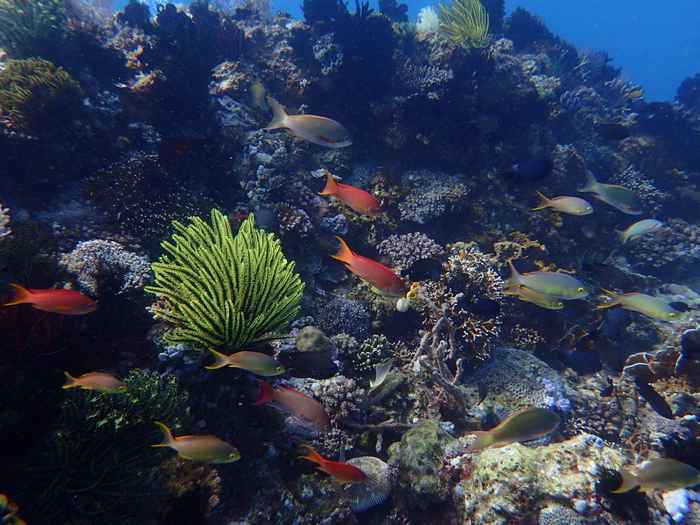
Drift, wreck and macro diving off Sabang Beach, where the tide at Escarceo Point turns the same site from a gentle slope into a fast drift.
An offshore reef park you can dive on a day trip
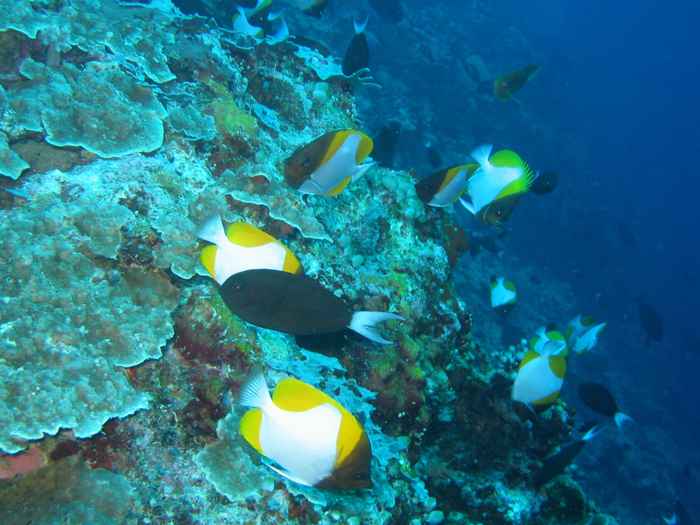
Two atoll-like reefs and a sand channel alone in the Mindoro Strait, off Sablayan, where whitetip reef sharks are the usual sighting.
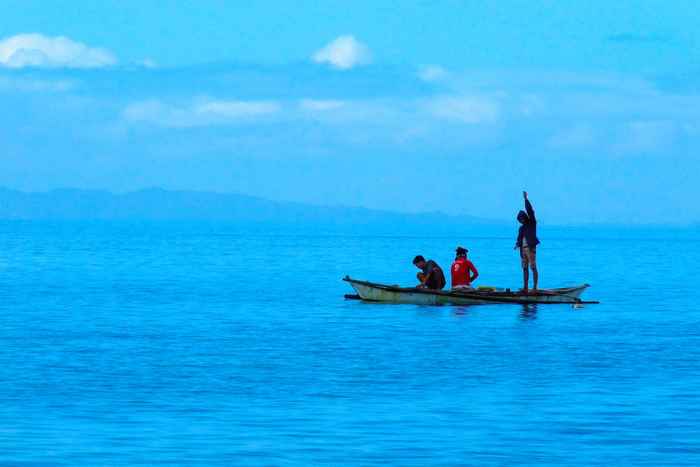
A plankton-thick bay off Sorsogon where wild whale sharks are met on snorkel by national rule, with the Ticao Pass dive sites a boat ride away.
Wartime wrecks in sheltered bays, and the offshore reefs of the Sulu Sea.
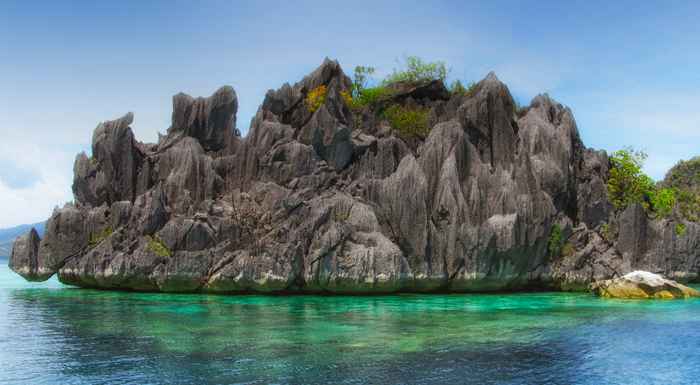
Steel from the fleet sunk here in September 1944
Japanese supply ships sunk by US carrier aircraft on 24 September 1944, mostly at recreational depth, plus a karst lake dive on Coron Island.
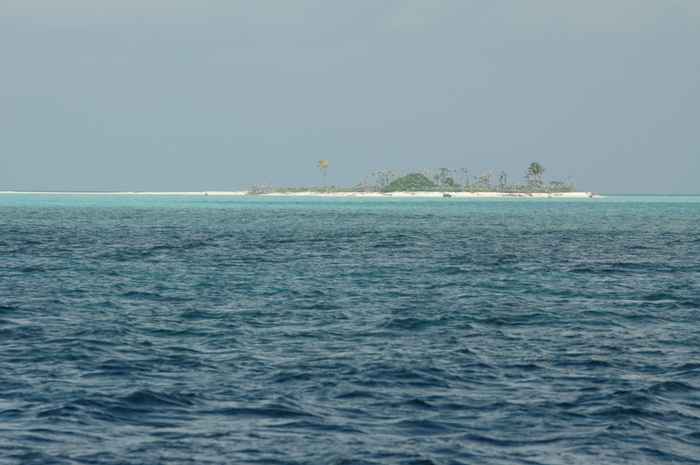
A no-take atoll park, dived only from a liveaboard
No-take atoll park in the middle of the Sulu Sea, dived only from a liveaboard after an overnight crossing, with the whitetip densities UNESCO cites.
Thresher sharks off the northern tip, and a resident sardine shoal in the south.
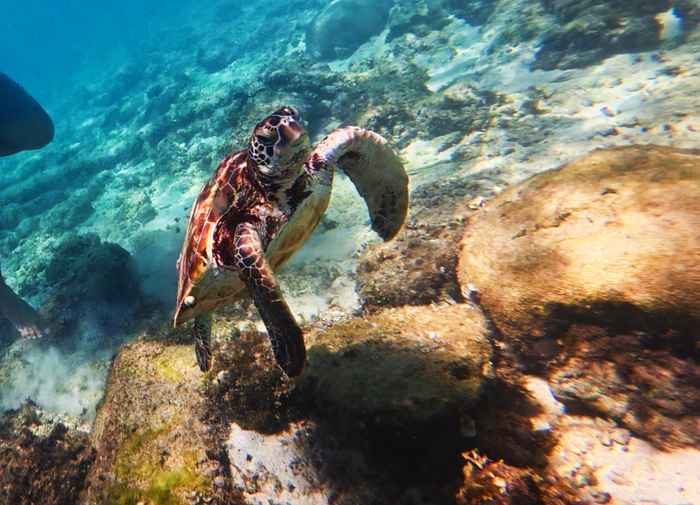
A resident sardine baitball you walk into from the shore
A baitball of resident sardines you walk into from the beach, a wall that starts three metres out, and Pescador Island's chimney offshore.
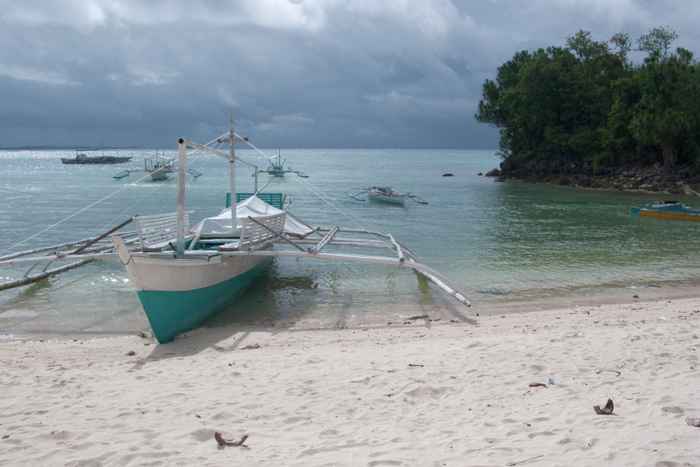
Dawn boats to a shoal where thresher sharks are cleaned
Dawn dives with Endangered thresher sharks on Kimud Shoal, plus muck minutes off the beach, a whitetip islet and a ferry wreck on a sand plain.
Wall diving and protected reefs around Bohol, from the Panglao boat runs to the quieter coasts east and west.
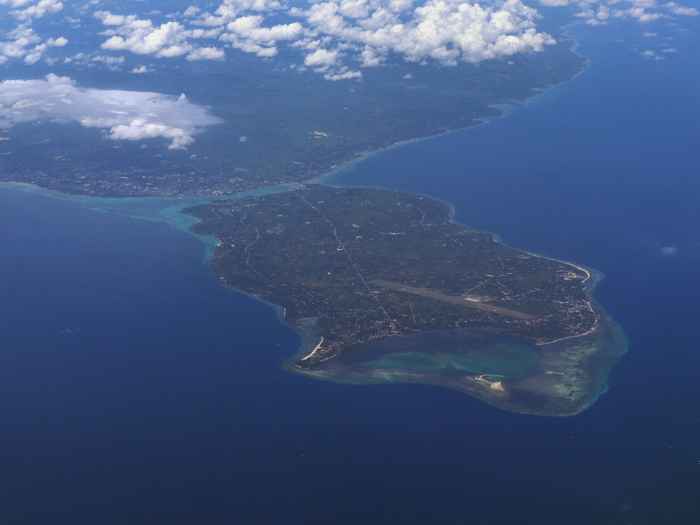
The Visayas' easiest logistics, airport on the island
Bohol's dive launchpad, with the airport ten minutes from the beach, shore-entry walls at Doljo and Napaling, and the boat to Balicasag.
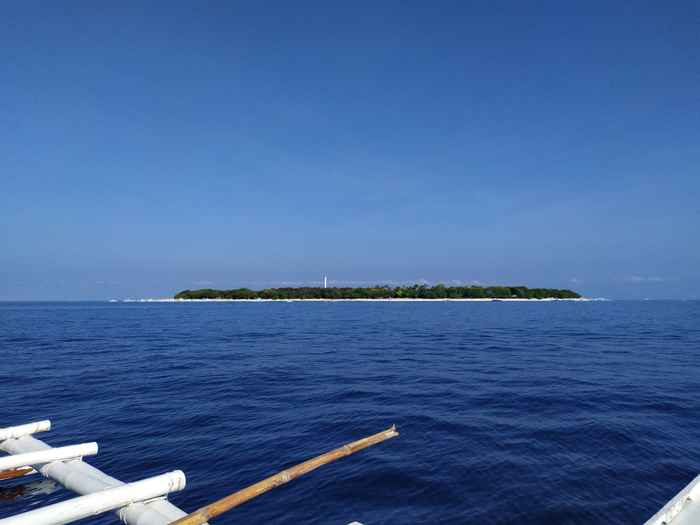
The Panglao day trip on a rationed daily quota
Wall and slope diving off Panglao under a column of bigeye trevally, with turtles in the shallows, on a capped quota that is booked ahead.
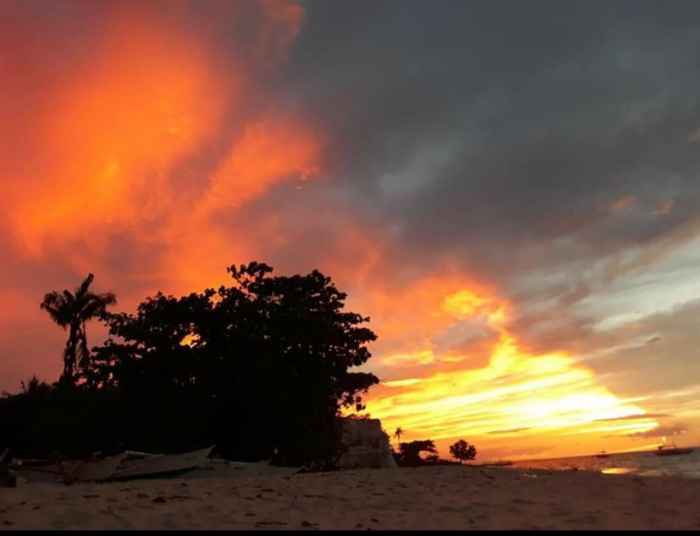
The crossing from Panglao, for a drift its own coast lacks
A small coral island off Bohol dived as a sheltered coral slope, an exposed drift and a macro shelf, beside a buoyed fish sanctuary closed to divers.
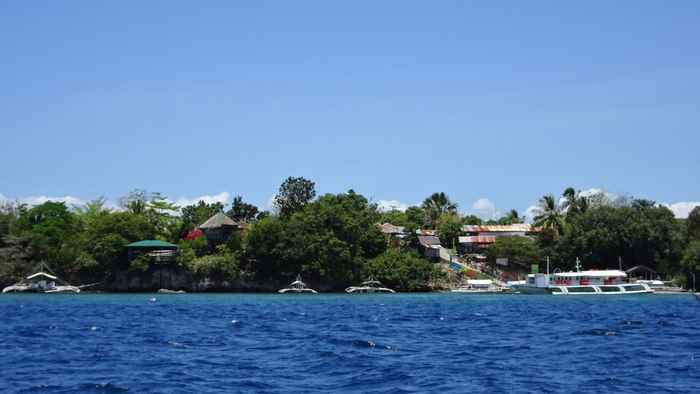
Steep west-coast walls under giant gorgonians
A quiet island off western Bohol whose west-coast wall is hung with giant gorgonians and pygmy seahorses, dived from the resorts on the island.

A quiet limestone wall at Bohol's southeast tip
A limestone wall runs almost unbroken along Bohol's southeast tip, five minutes off the beach, with frogfish on most dives and little company.
The muck coast at Dauin, the sanctuary reef at Apo Island, and the reefs of Sogod Bay.
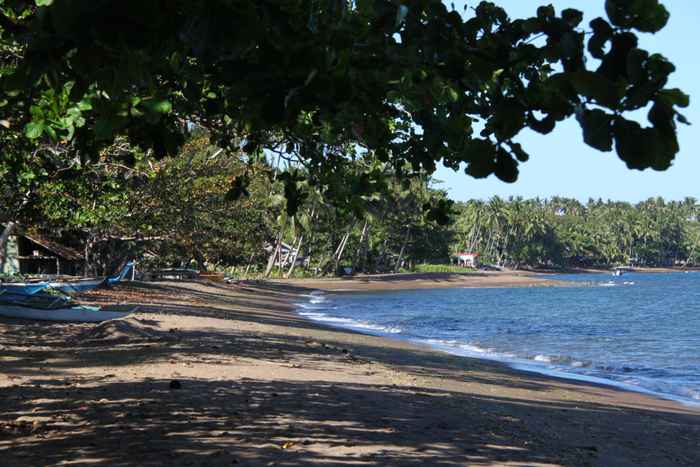
Black sand muck where the guide is the product
A 10 km strip of black volcanic sand dived slowly for cryptic animals, among tyres, cars and steel sunk on purpose, inside municipal sanctuaries.
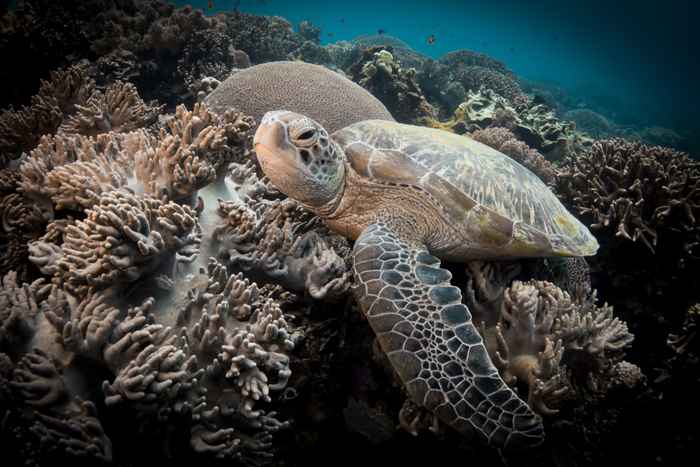
The village-managed reef, with real current
Turtles at snorkel depth and hard drifts on the points, off a volcanic island whose community closed its own reef in 1982.
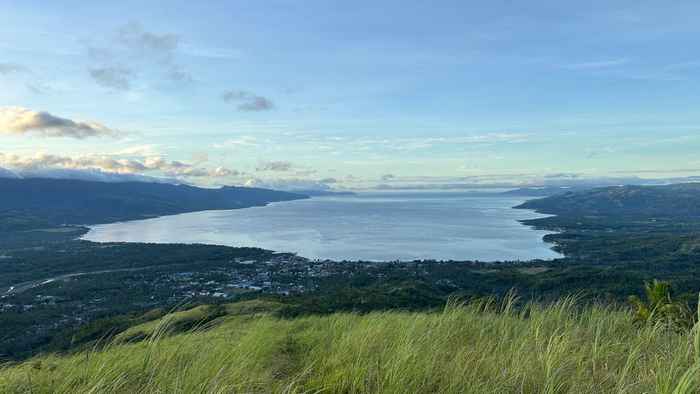
Quiet walls and a seasonal whale shark run
Sogod Bay: walls dropping into water a kilometre deep off Napantao and Limasawa, black-sand macro, and a snorkel-only whale shark season.
Protected areas lawFisheries Code, corals and rare speciesCultural heritage act, underwater sitesChecked: Oct 2026
No, on both counts. There is no national licence to buy, no national medical certificate to produce and no national logged-dive minimum, and any card from a recognised agency is accepted. The scuba commission regulates dive establishments, so the thing worth checking is the operator's accreditation, which is what obliges a shop to hold a written accident-management plan and to declare the certification of its professionals. A dive-count or supervision rule, where one exists, belongs to a specific marine protected area.
Accounts disagree. Some divers describe the park as open about three months a year, while the park authority's own tourism records show boats entering from 20 February to 29 July in 2024. The 2009 Act sets no closed season. The March to June window is weather and commerce: moderate northeast winds calm the sea from about mid-March, and liveaboards concentrate their sailings there. Treat any dates as a commercial pattern, check the sailing calendar of the operator you book, and remember that only the park's management board can grant a permit.
Two, or three if you accept losing days to travel. Almost every destination is a domestic flight, a road transfer and a boat, and the last two legs eat the schedule: the long road to Malapascua and its boat crossing, the drive to Moalboal. A long-stay diver's advice is at least four dive days per base, because each move costs about a day. Panglao is the exception, with its airport on the island.
December to May is the dry season nationally, and many dive-travel sources start the good-diving window in November. June to August carries typhoon risk, and the northeast winds can roughen the sea from about September into January without stopping the diving. A storm can also suspend every ferry around Cebu for days, so leave slack before an international flight. The country is too big for one answer: some destinations follow their own weather window.
Toward the shore-based destinations with gentle conditions. Puerto Galera is repeatedly recommended to newly certified divers, and Moalboal's baitball is entered from the beach with no early start. Panglao has its airport on the island. Macro coasts such as Anilao and Dauin ask for good buoyancy control, a skill that can be practised. Experienced divers add that much Philippine diving assumes you can backroll from a small boat and hold trim in current, so match the destination to what you already do comfortably, whatever your card says. Save the dawn shoals, the deep walls and the liveaboard-only atoll for when that is routine.
No. The Oslob whale sharks are fed to keep them in place for visitors, and divers who have been describe a crowded queue and a poor reputation. Wild whale sharks turn up elsewhere in the country, seasonally and with no guarantee. Donsol and Sogod Bay in Southern Leyte are the established alternatives.
Log your dives - notes, photos, conditions and the marine life you saw - and share them as one public diver profile. What you share helps the next diver, too.
Log every detail
Depth, duration, conditions, gear, buddy, notes — all in one place. Import from Suunto and other dive computers.
Track marine life
Record species sightings on each dive. Build a personal catalogue of everything you've seen underwater.
Your public dive profile
Share your dive history, stats, and experiences with a profile page you control. Show the world where you've been.