

Posidonia Dive
SSI Instructor Training Center at Port Balis marina, 35 km north of Barcelona, running 24 boat dive sites on the Maresme coast year-round.
SSI8 services3 languages
Boat diving over parallel rocky ridges and a sunken fish farm, a short drive up the coast from Barcelona.
Last updated October 2026
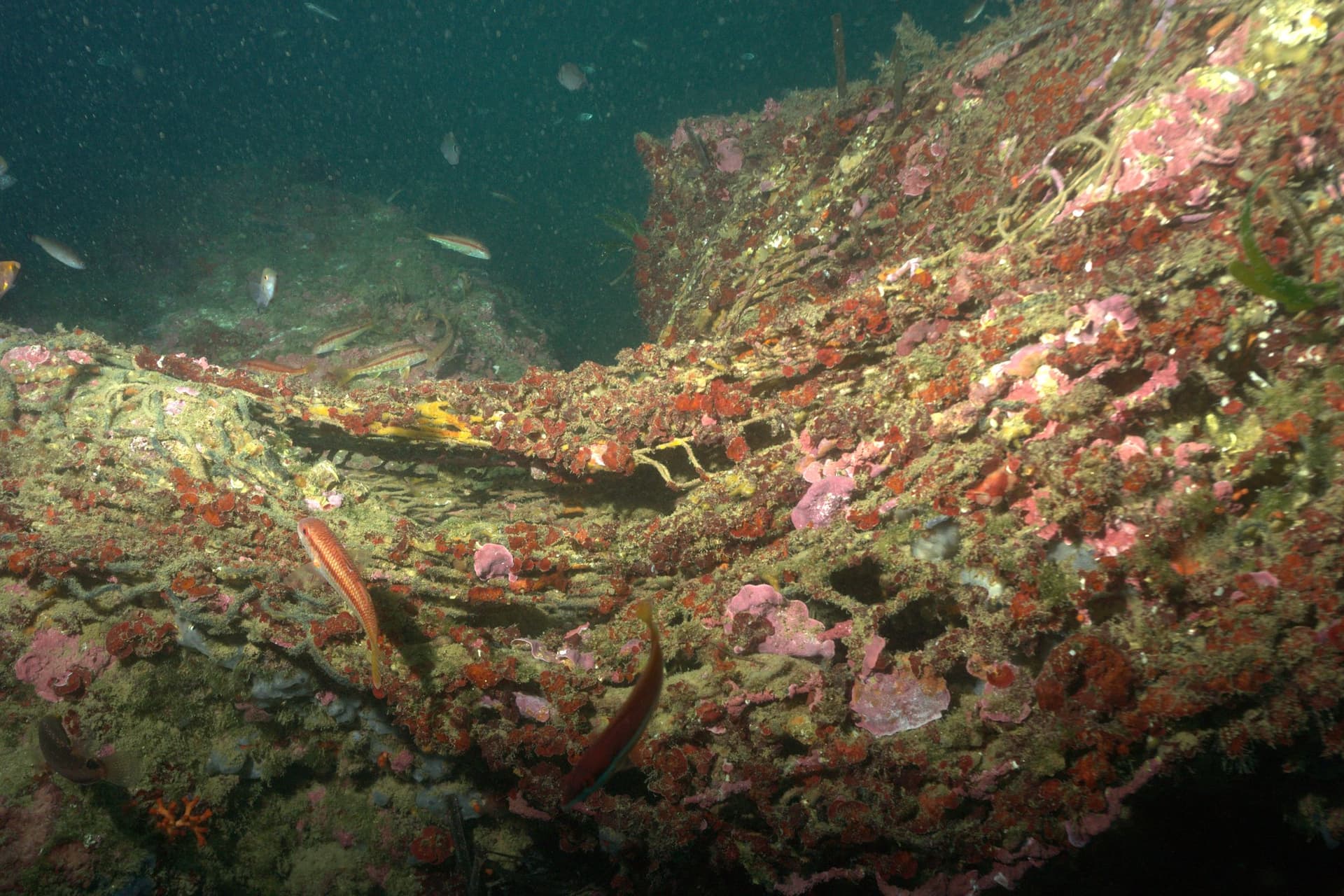
Barres, the local word for the rocky ridges that run parallel to the shore, organise diving on the Maresme, and fishermen named them long before divers arrived. Off Mataró they stack up in roughly six rows, from a ridge at the wave line out to the outermost at 26 to 29 m, and many carry a surname: La Torre Ferrer, La Barreta d'en Serra, La Llosa d'en Pujolà. Sand and Posidonia seagrass lie between the ridges, and the ridges are credited with keeping bottom trawlers off the Mataró meadow.
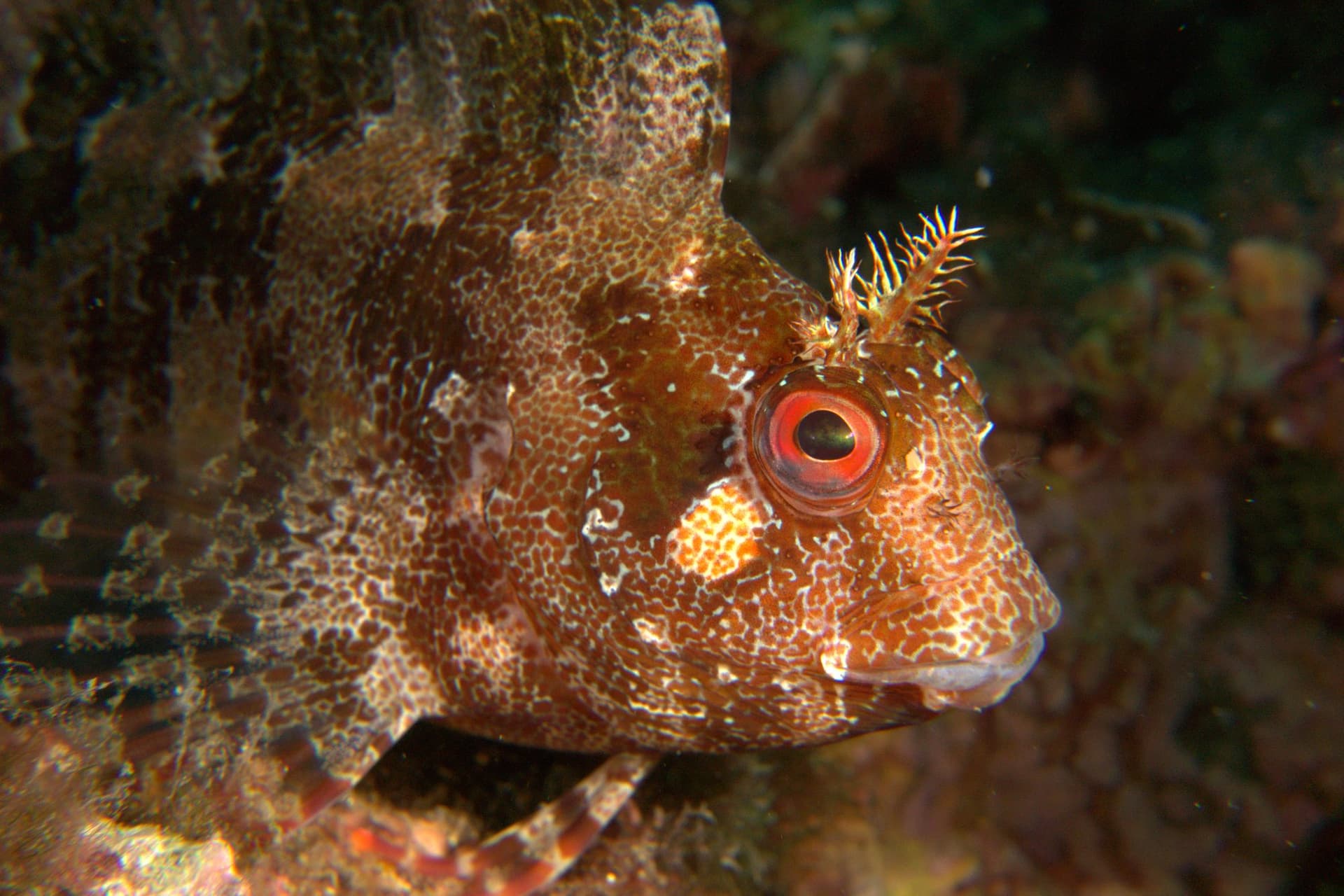
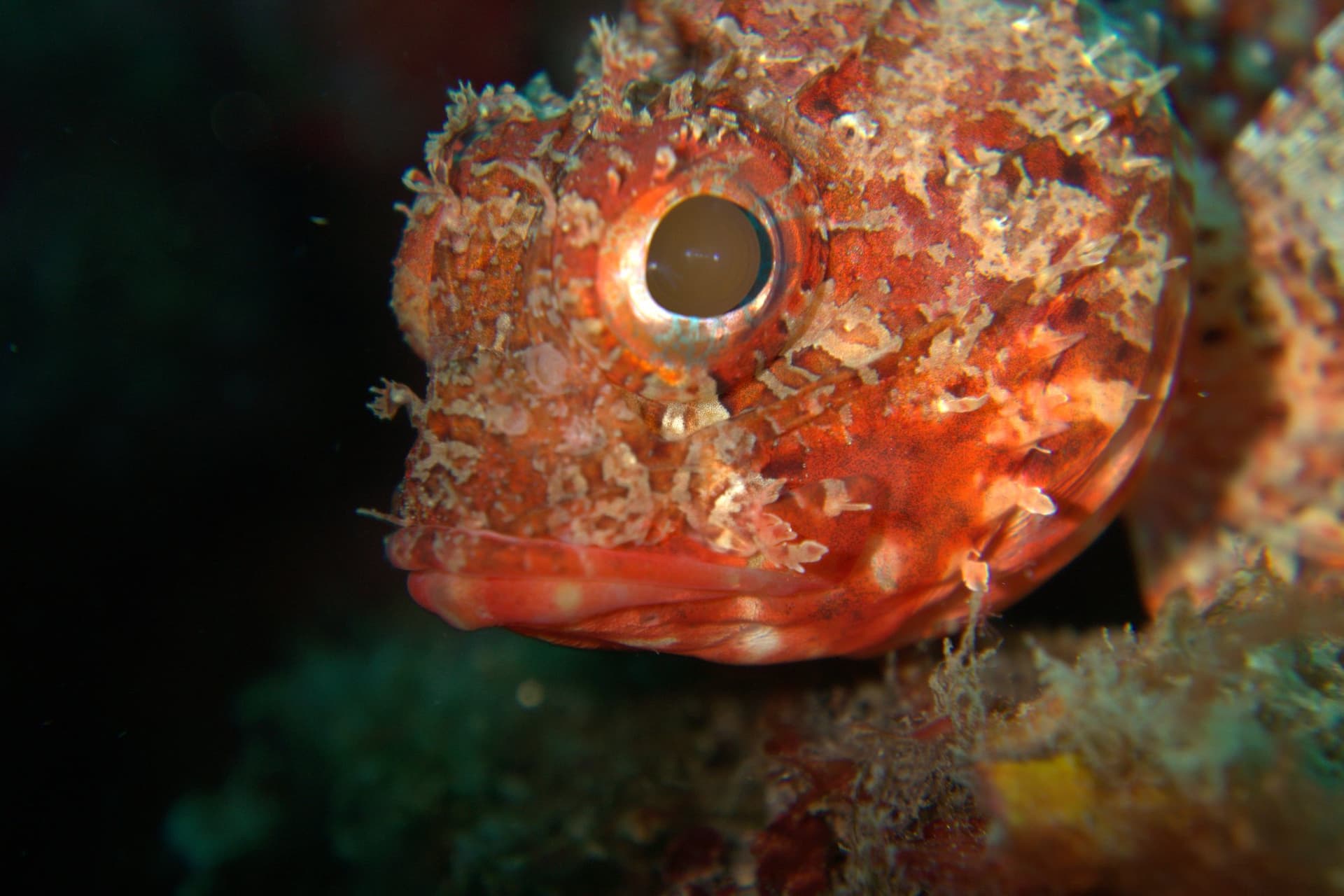
La Trencada, at about 14 m, is the gentle row to start on. Barra de l'Arbre and La Torre Ferrer sit in the 15 to 22 m row, El Pujolà works the outermost, where the surrounding profile drops to about 34 m, and Barra de l'Arbre doubles as a night dive. These are crevice dives. Morays and congers look out from the cracks, octopus and spiny lobsters tuck in beside them, and anyone who looks small finds nudibranchs and flatworms; dusky groupers turn up now and then.
Off Port Balís the signature is El Santuari, a decommissioned fish farm that was reportedly sunk on purpose in 2009 after it stopped producing in 2003. Its iron framework rises from the sand in two levels, so the upper walkways and the lower deck make very different dives. Barracudas circle it in summer and autumn, and seahorses are recorded there. Posidonia Dive takes divers from Port Balís; Blaumar schedules it as an occasional special outing. Nearby, La Virgen has a shallower western flank, a steeper eastern face and a name for spiny lobsters, and the Barra del Negre runs on as one long ridge through Punta Cana, Àncora del Negre and Peu del Negre.
Offshore lies the wreck of a Second World War bomber that local divers found in 1994. Its position stays private by local custom, so it is not a published dive site.
Everything is boat diving. Blaumar and Mediterranean Dive work from Port de Mataró, Posidonia Dive from Port Balís at Sant Andreu de Llavaneres, and Cercleaventura Mar from Premià de Mar. The runs are 10 to 15 minutes, there are no fixed buoys, and boats anchor at each site. Centres often lay a line from the anchor across the ridge, and divers are commonly sent down in pairs or small groups instead of behind one guide, so bring a compass and expect to navigate your own dive.
From central Barcelona it is roughly half an hour by car. Rodalies lines R1 and RG1 reach Mataró in about 49 minutes from Barcelona Sants, and Mediterranean Dive is a four-minute walk from the station. Barcelona-El Prat is 48 to 50 km away, around an hour and a quarter in total with changes. Arrive about 45 minutes before departure; boats typically leave at 08:00 or between 10:00 and 11:00. Port de Mataró has parking, and the centre at Port Balís coordinates it.
The shallow rows suit Open Water divers. Several Port Balís ridges lie at 25 to 30 m, past the 18 m Open Water limit, so confirm your certification with the centre before booking them, and at La Virgen ask whether the shallower western flank fits it; nitrox fills are available at the main centres and help on those profiles. Bottom water stays at 15 to 18 C below the thermocline even in high summer, so choose the suit for the bottom: a 5 mm wetsuit with hood in summer, a semi-dry or drysuit from November to April. Night dives run through Posidonia Dive, Cercleaventura Mar and Blaumar, which charged a 6 EUR supplement on selected outings in 2026.
Parallel rocky ridges (barres) offshore, remnants of older shorelines left by past sea-level changes, with sand and Posidonia meadow between them.
The diving here splits into 2 zones:
Open Water photographers and after-work divers near Barcelona who want a crevice-rich Mediterranean ridge with reliable macro
AOW divers and macro photographers wanting a deep Mataro-coast crevice ridge with reliable Nitrox-friendly profiles
Macro photographers and observation-focused divers who want a calm Mataro-side ridge at moderate depth
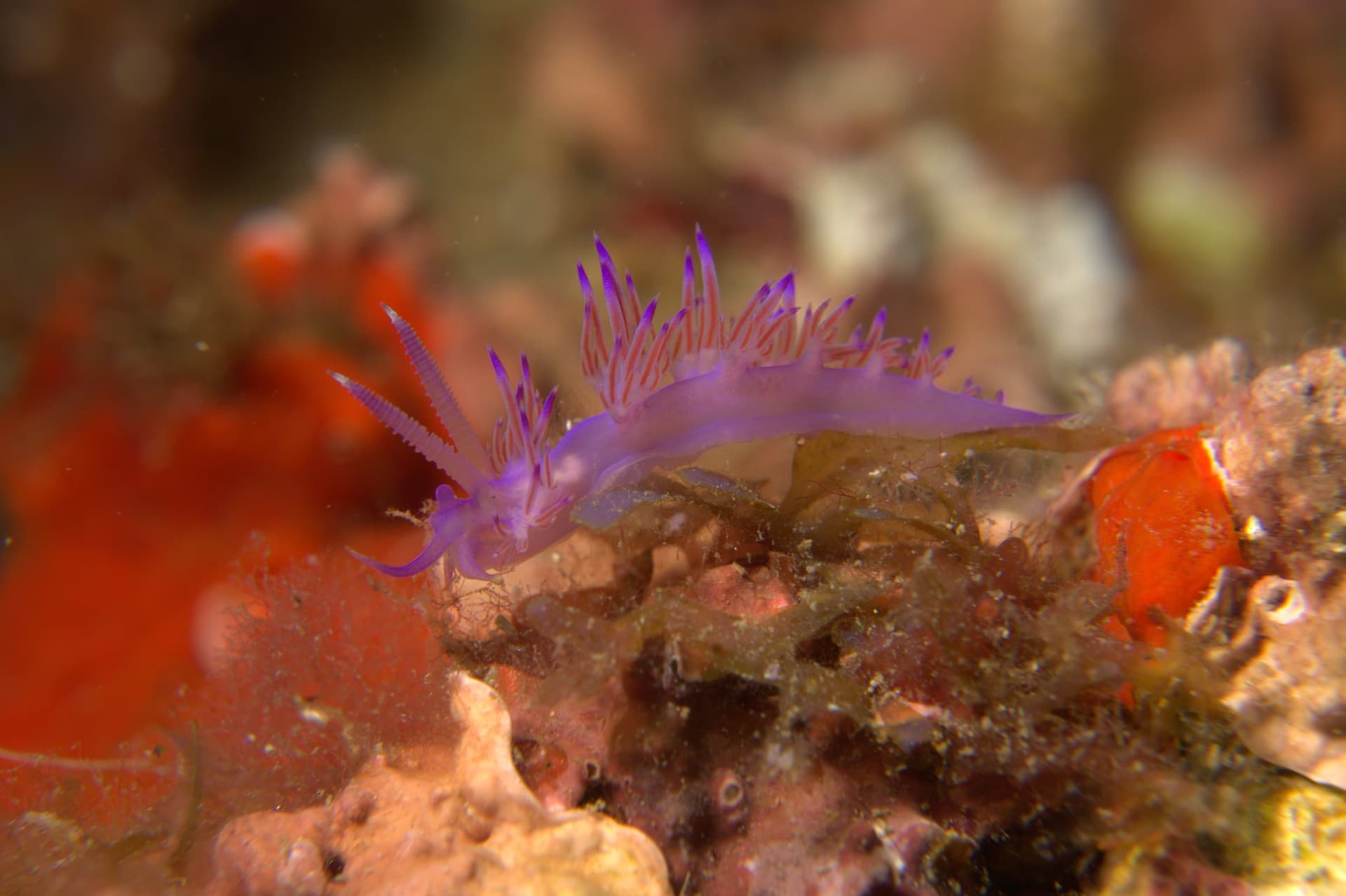
Open Water photographers wanting a shallow Mataro-side nudibranch ridge inside a no-deco profile
OW divers, refresher dives, and macro photographers wanting a shallow Mataro-coast barra with long no-deco budgets
Advanced and Deep-specialty divers wanting a 25-30m profile close to Barcelona without driving to Tossa or Costa Brava
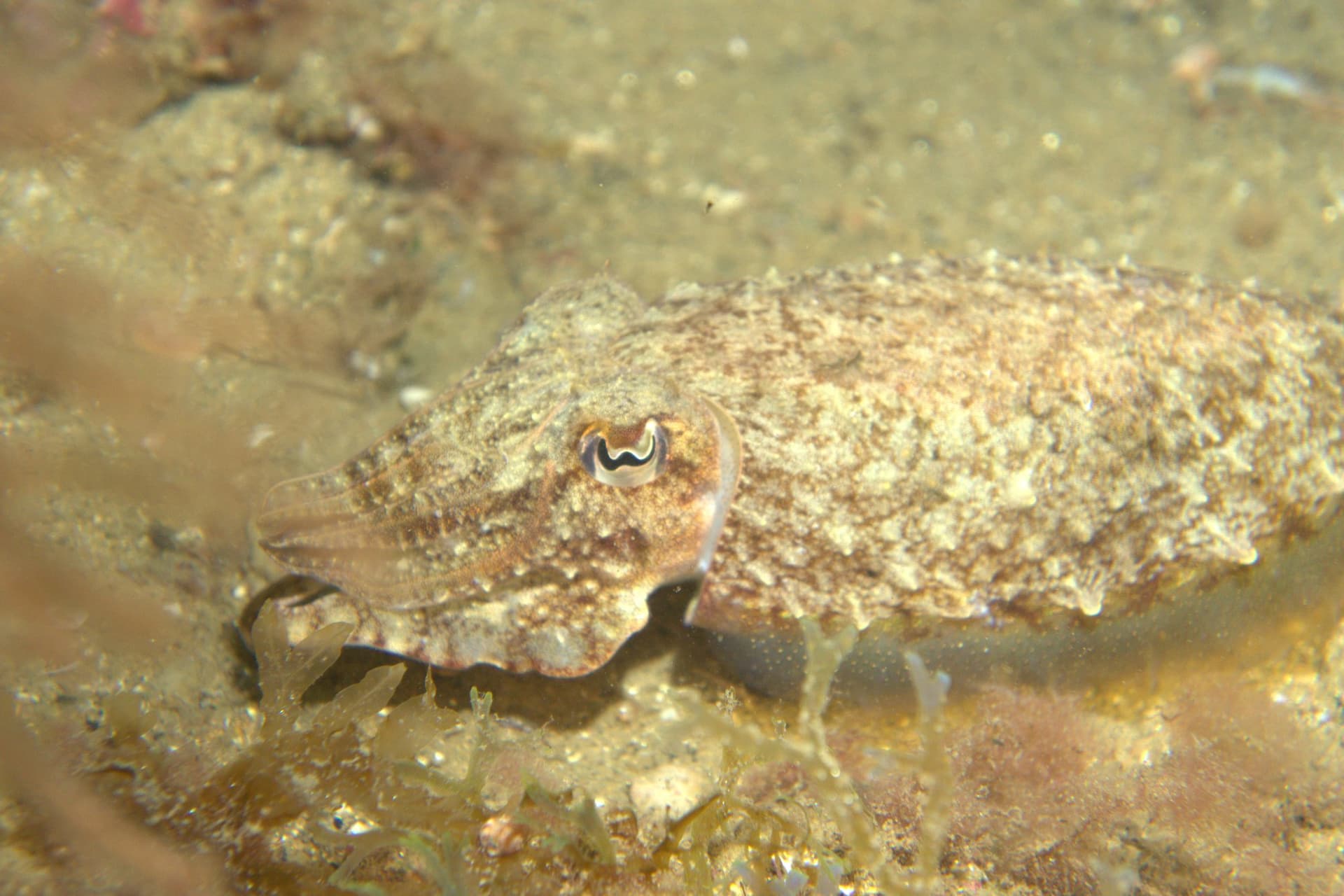
Certified divers near Barcelona who want a relaxed boat dive on a productive Mediterranean rocky ridge with macro subjects
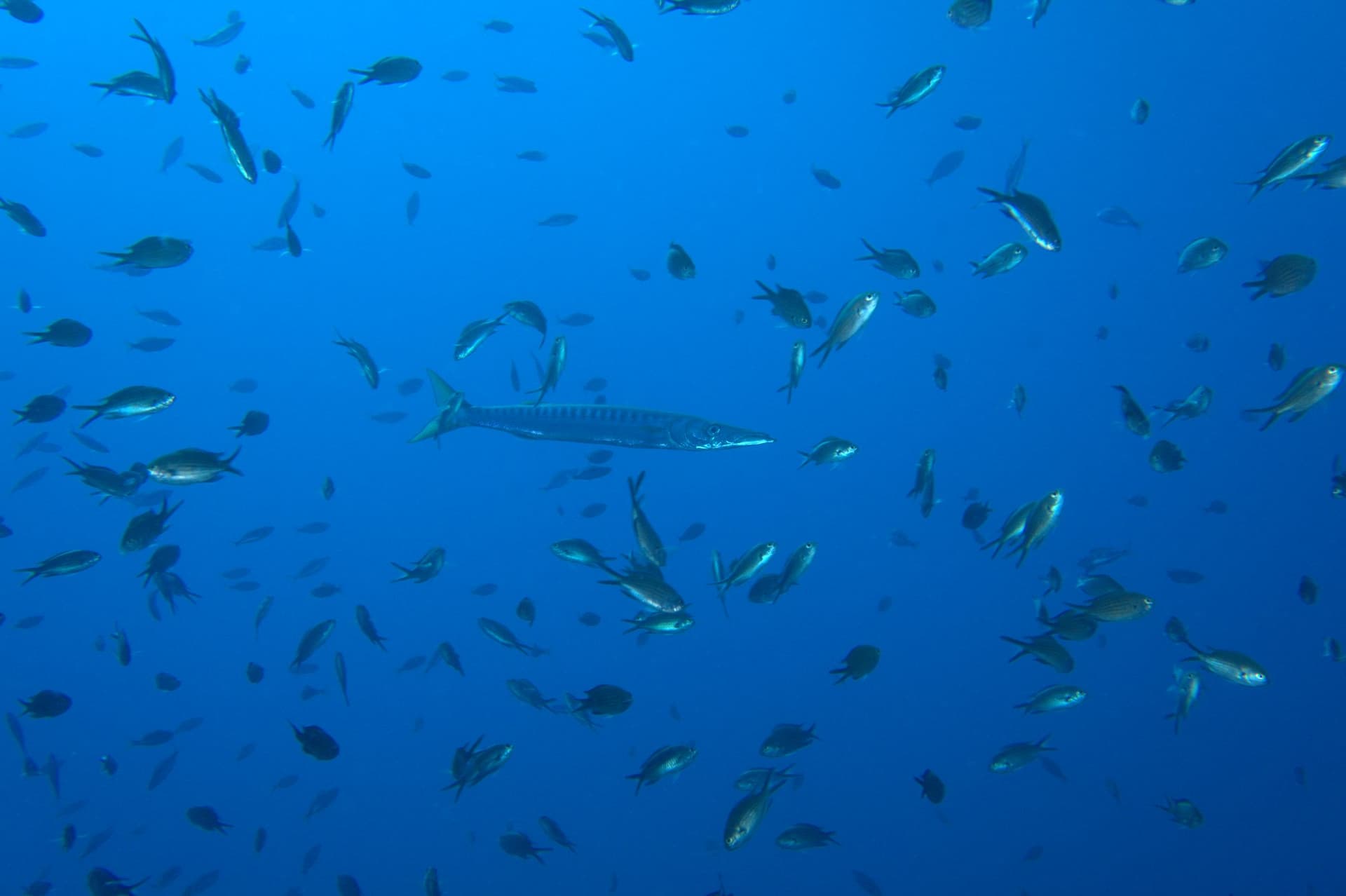
Underwater photographers and AOW divers looking for artificial reef diving with macro subjects near Barcelona
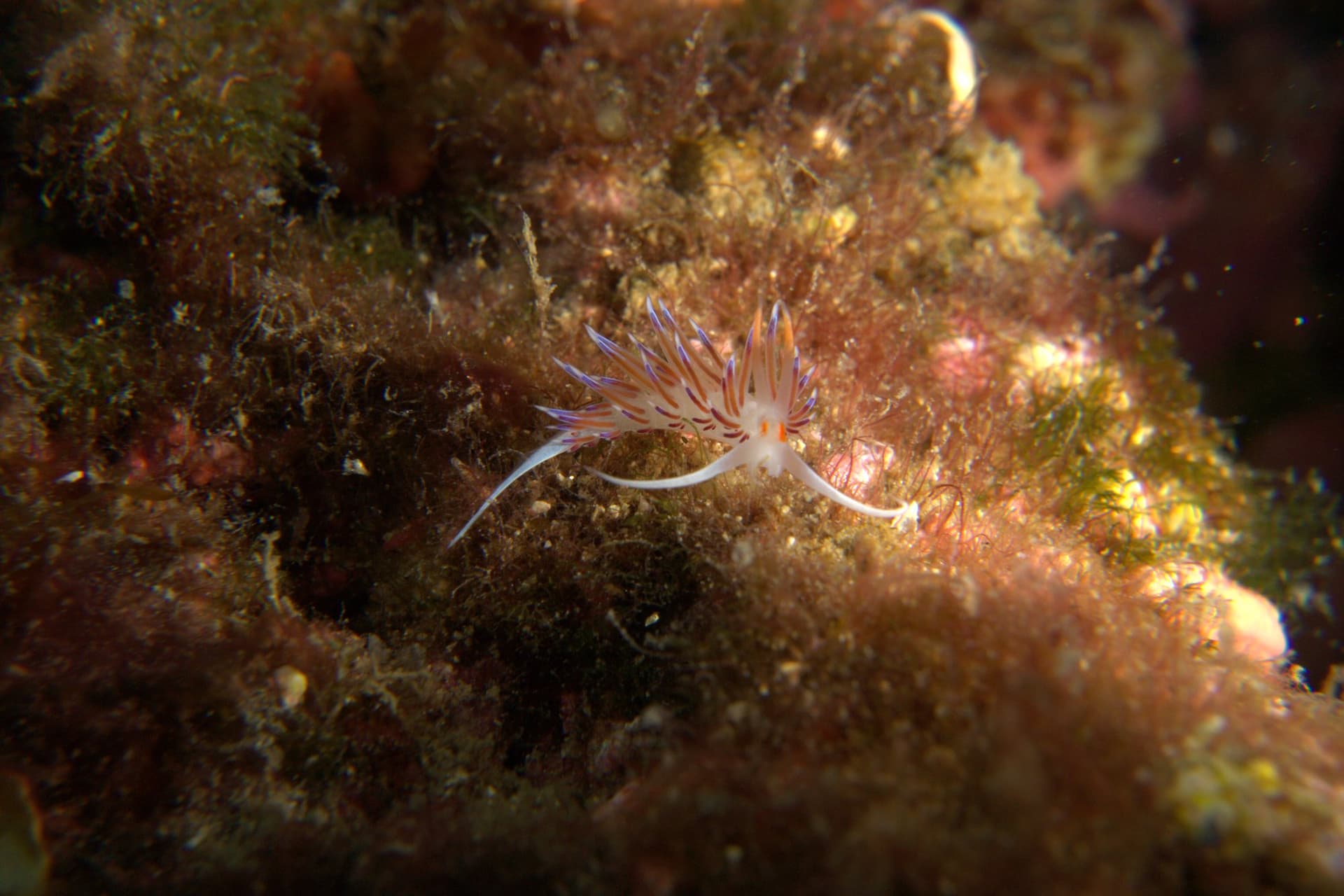
AOW Nitrox divers from Barcelona who want the deeper end of the Maresme rotation on a single continuous ridge
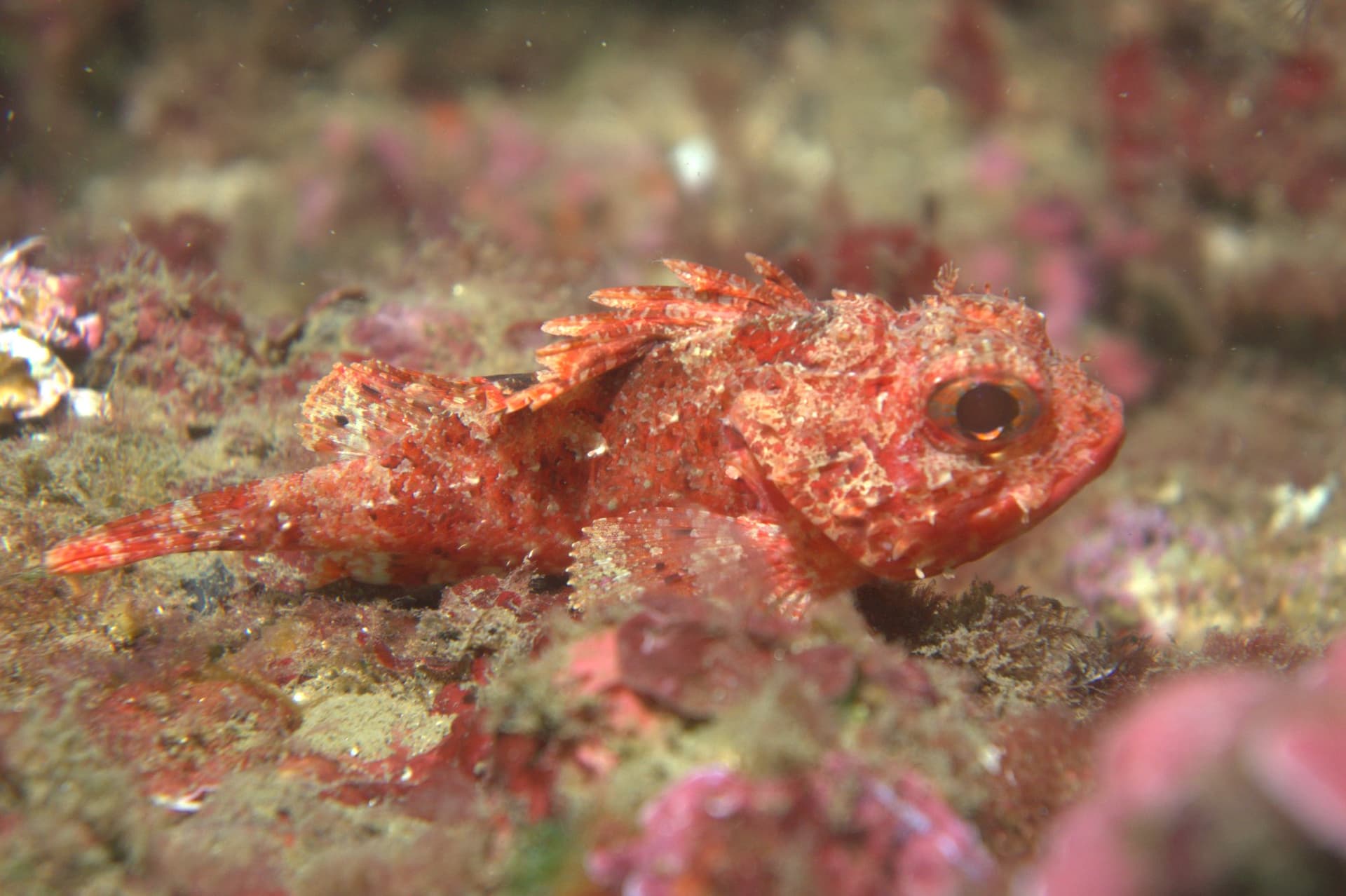
AOW divers wanting a deeper, crevice-focused barra near Barcelona with grouper and big moray potential
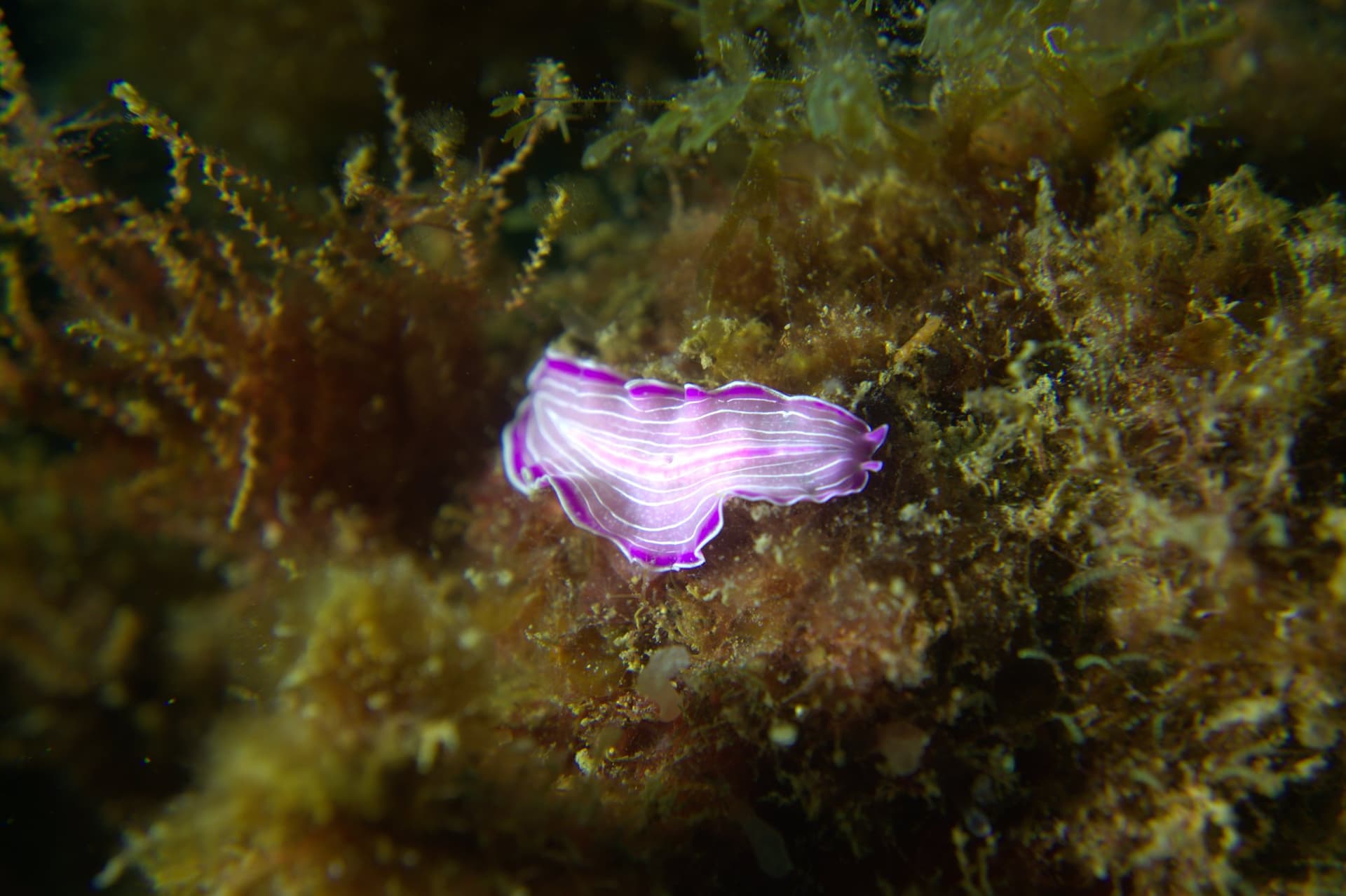
Macro-curious divers from Barcelona who want a moderate-depth ridge with a strong cool-season nudibranch and flatworm signal
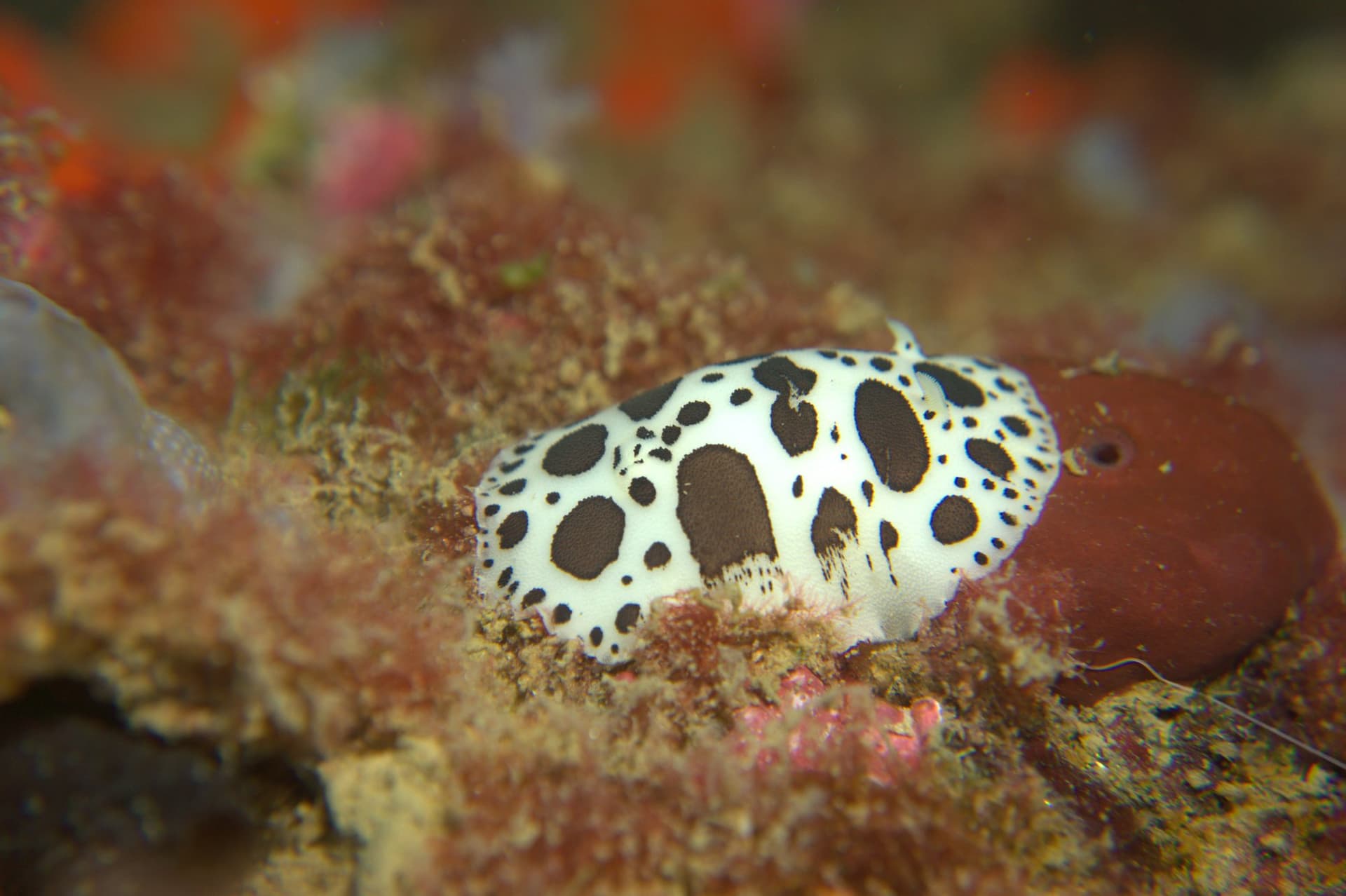
OW divers stepping up to a deeper Mataro-coast macro dive close to Barcelona, with cold-water nudibranch options
AOW Nitrox divers comfortable on a 25m profile who want a crevice-rich Maresme ridge with episodic current
Port Balis divers wanting a single-descent profile that suits Open Water and Advanced courses on the same ridge
AOW divers and macro photographers wanting a quiet deep ridge with sessile colour and crevice fauna near Barcelona
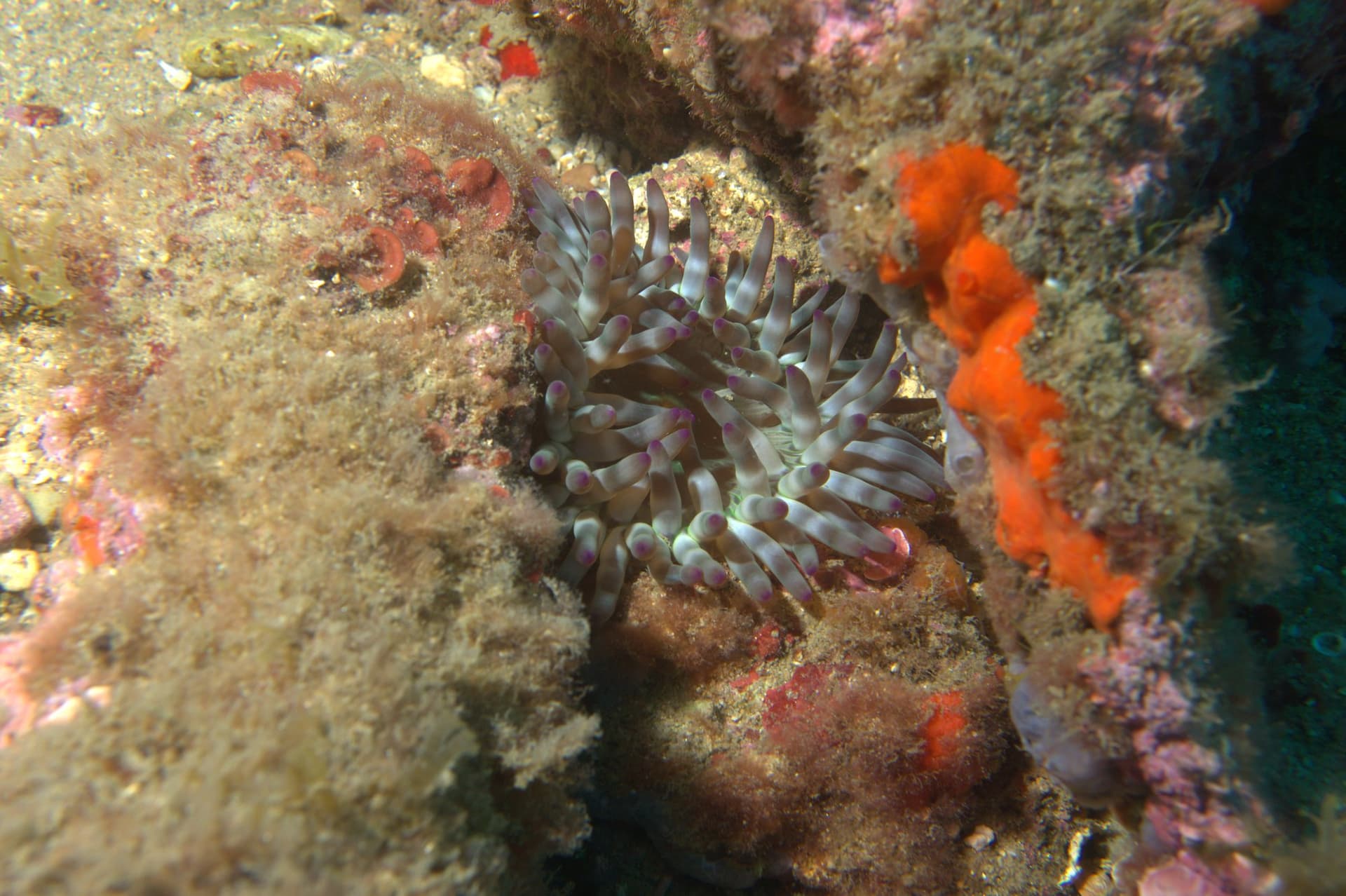
Open Water divers wanting an easy Maresme boat dive with macro-rich ridge tops
Advanced divers wanting a quieter Port Balis deep dive with reliable crevice fauna rather than a headline site
Intermediate divers and nudibranch enthusiasts seeking section-by-section depth variety on Barcelona's closest quality reef
Mataró boat divers working the Negre ridge for crevice life at an easy mid-water depth
Book online or contact a centre that dives this area.
SSI Instructor Training Center at Port Balis marina, 35 km north of Barcelona, running 24 boat dive sites on the Maresme coast year-round.

CMAS dive centre in Mataró port with 40+ years of trading, running 600+ boat outings a year on the Maresme rocky ridges, 30 minutes by train from Barcelona.

PADI 5 Star IDC dive school in Pineda de Mar, run as a club with weekly group outings along the Maresme and southern Costa Brava.
Port-based SSI club in Mataró, 30 km from Barcelona, running year-round boat dives on the Maresme barras with adaptive and technical training.
Recreational and technical diving school at El Masnou marina, 20 km north of Barcelona, running shore baptisms and FEDAS courses for first-timers.
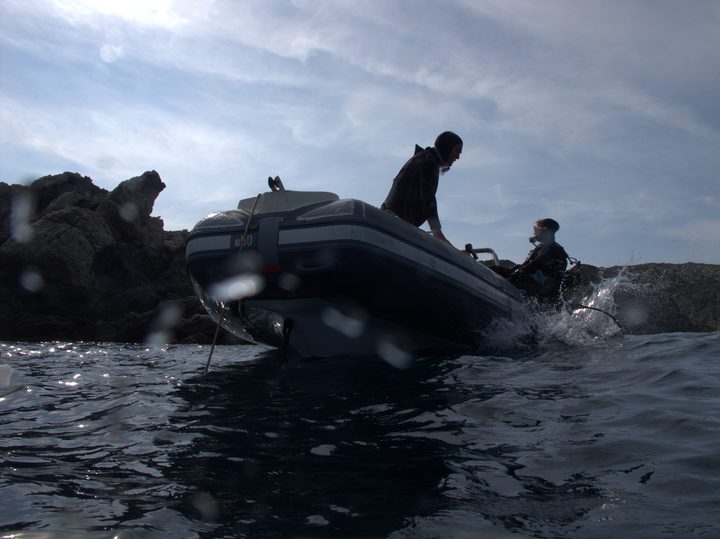
Get in touch to add or claim your dive center listing on DiveCodex.
Upcoming trips published by dive centres in this area.
Availability is read from each centre's public calendar and refreshed daily. Last checked October 16. Confirm with the centre before travelling.
The coast dives all year; July to September pairs warm surface water with the barracudas at El Santuari. Visibility swings from 1 or 2 m after heavy rain to 18 m or more in a summer calm, with 5 to 15 m the usual range. A south-west Garbí wind chops the surface while the bottom stays calm.
What can go wrong here, and what divers do about it. Conditions change - take the briefing from the operator on the day.
Decree on dive centresGeneralitat page for dive centresChecked: Oct 2026
National rules also apply: Rules and permits in Spain
The draw is distance, not scenery. From central Barcelona it is about half an hour by car, so two boat dives and lunch back in town fit a single day, and a regular from Mataró reckons twenty minutes to the port against an hour and a quarter to Tossa. Visibility swings with rain, so a weekday after a dry spell suits it best.
They are the fishermen's words for the shape of the bottom. A barra is a long rocky ridge and a barreta a small one, a llosa is a flatter slab-like plate of rock, and a roquer is a rocky patch. The names of the ridges often carry a surname, such as d'en Serra or d'en Pujolà. The distinction is real, so a llosa will dive more like a low wall than a ridge you follow along its crest.
It is not a marine reserve. The seabed is a Natura 2000 site protected for its Posidonia meadows. The site's management plan lists regulating diving and regulating anchoring on the meadow only as measures that may be applied where needed, and it states no diver permit, quota or fee. That does not rule out a local rule, and the centre you book with will know of any. Excessive anchoring by sport boats is a documented pressure on the meadow, which is one reason to dive with a centre that anchors on rock.
El Santuari is where they are recorded, with three seen on a single dive in January 2026, two red and one yellow. They are small and well hidden on the structure, and no one can promise a sighting.
Choose by the dive you want. Port de Mataró has the Barras rotation, the shallowest rows and a train station a short walk from one centre. Port Balís is the way to El Santuari and the longer Negre ridge, where several ridges lie at 25 to 30 m.
Also known as: El Maresme
Log your dives - notes, photos, conditions and the marine life you saw - and share them as one public diver profile. What you share helps the next diver, too.
Log every detail
Depth, duration, conditions, gear, buddy, notes — all in one place. Import from Suunto and other dive computers.
Track marine life
Record species sightings on each dive. Build a personal catalogue of everything you've seen underwater.
Your public dive profile
Share your dive history, stats, and experiences with a profile page you control. Show the world where you've been.