Ullastres II
Mixed-certification groups wanting one pinnacle that lets OW divers stay shallow on the south slope while AOW divers work the east-and-north gorgonian face
Moderate8–32mTech to 42mBoatPinnacleWall
Gorgonian walls off three small Costa Brava villages: the Ullastres pinnacles, Els Canons de Tamariu and an easy shore reef at Tamariu.
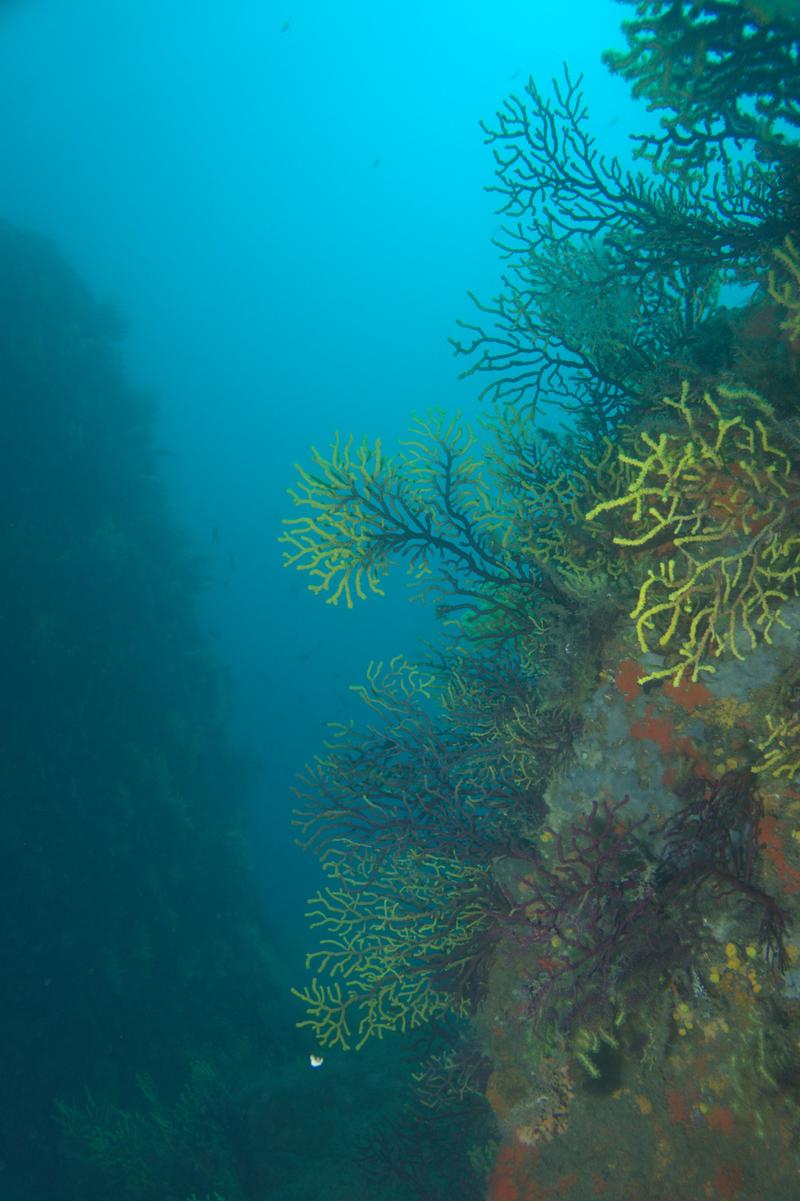
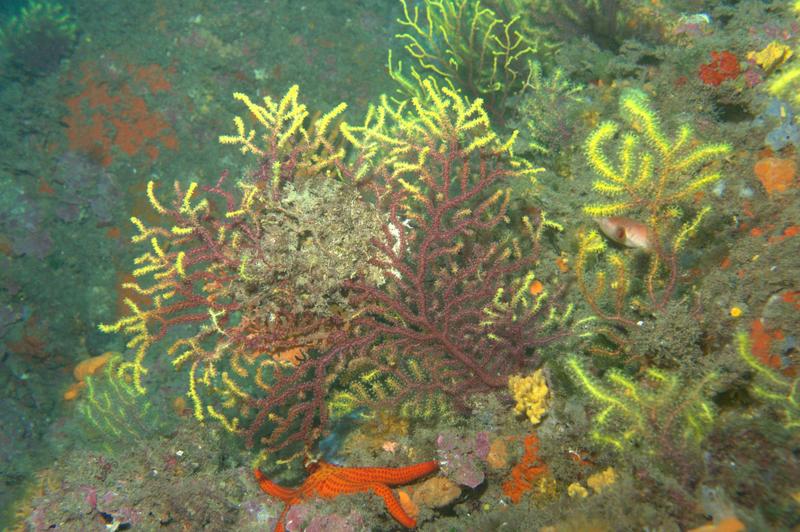
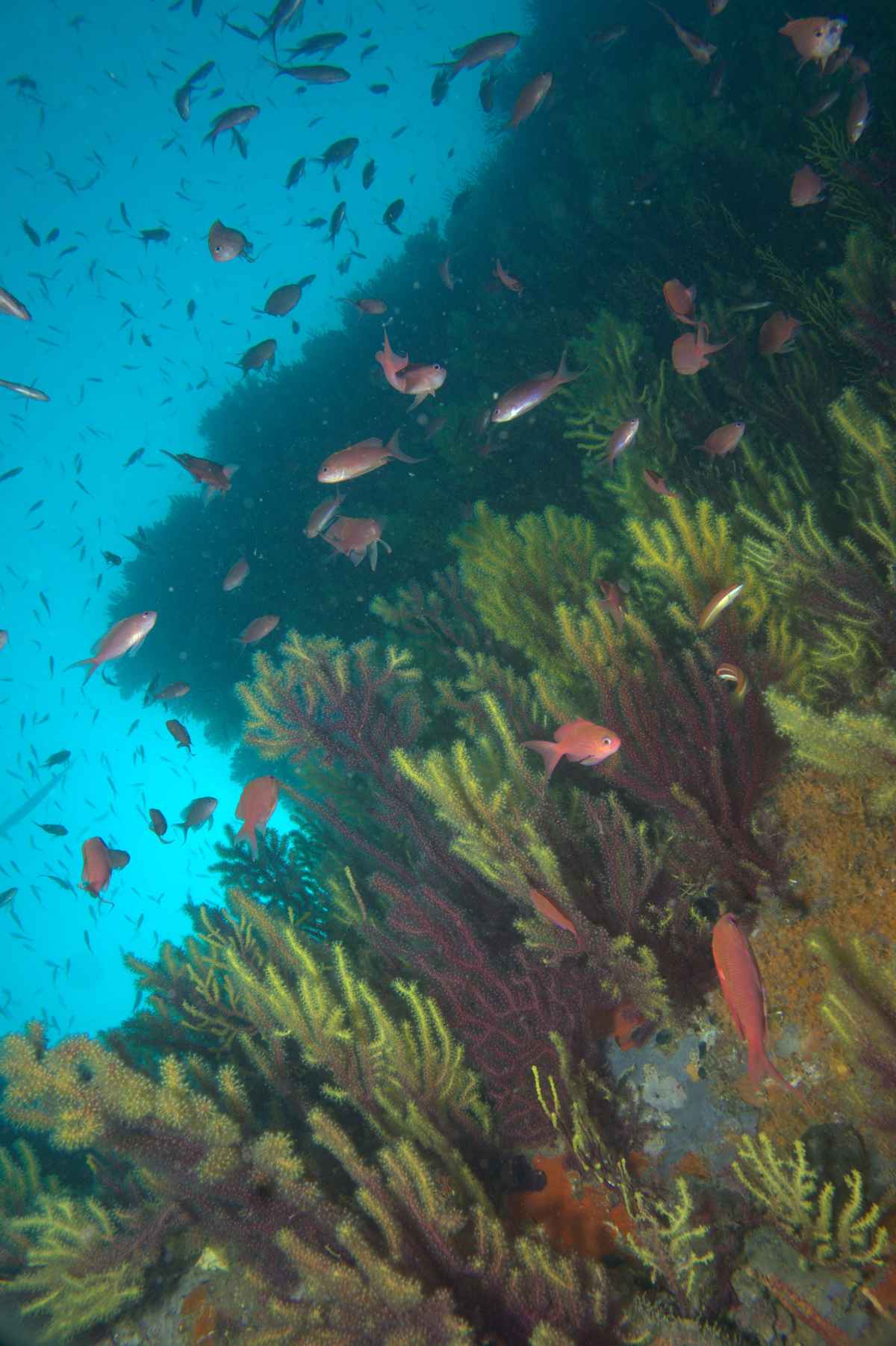
Red gorgonians are the common thread of the diving between Cap Roig and Tamariu. They cover the north faces of the three Ullastres pinnacles, line the parallel valleys of Els Canons de Tamariu and hang on the wall at El Tabal, and every one of those dives starts from a small seaside village: Calella de Palafrugell, Llafranc or Tamariu. The Ullastres lie under two miles off Llafranc, about five minutes by boat from there and about 20 from Palamós, whose centres run out to them.
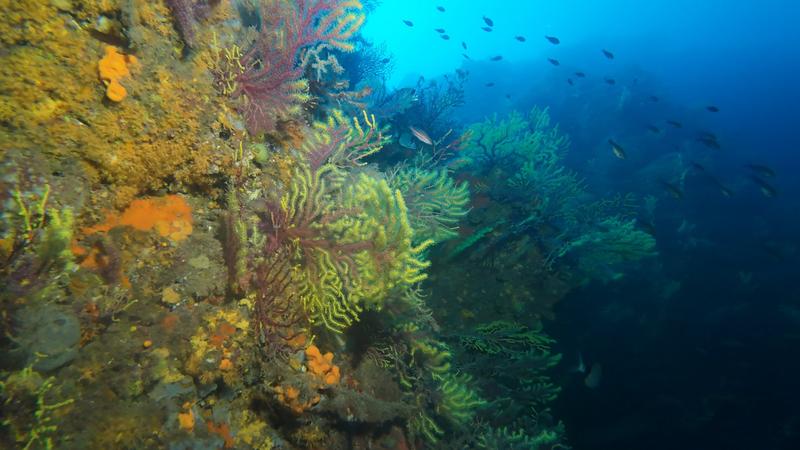
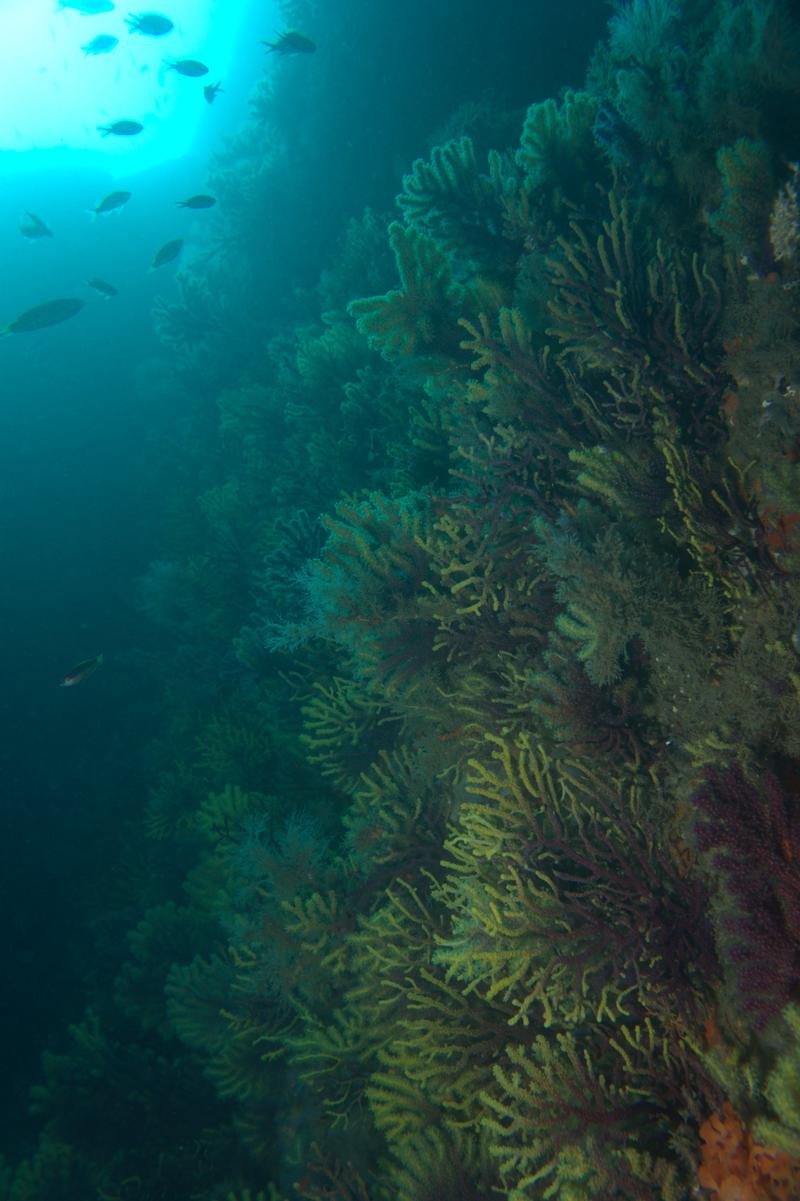
Ullastres I, the closest to the coast, is the one operators use to introduce divers to the rock. Ullastres II is the all-rounder, with gentle slopes, isolated rocks that form caves and gorgonian-covered formations more than 25 m high. Ullastres III lies farthest out and is a near-vertical wall hung with large gorgonians. On all three the buoy sits on the highest point, so orientation at the descent is simple.
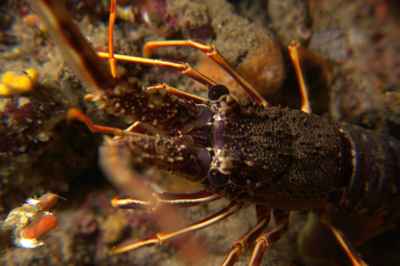
At Tamariu the reef at Els Canons has the shape of a hand, with valleys of varying width between its fingers, and groupers of all sizes, lobsters and barracuda are reported along it. Furió d'Aigua Xelida and the sheltered rock of El Montiell are a short boat ride from the village, and the house reef, a mix of sand, rock and seagrass, is a shore dive two minutes' walk from the base.
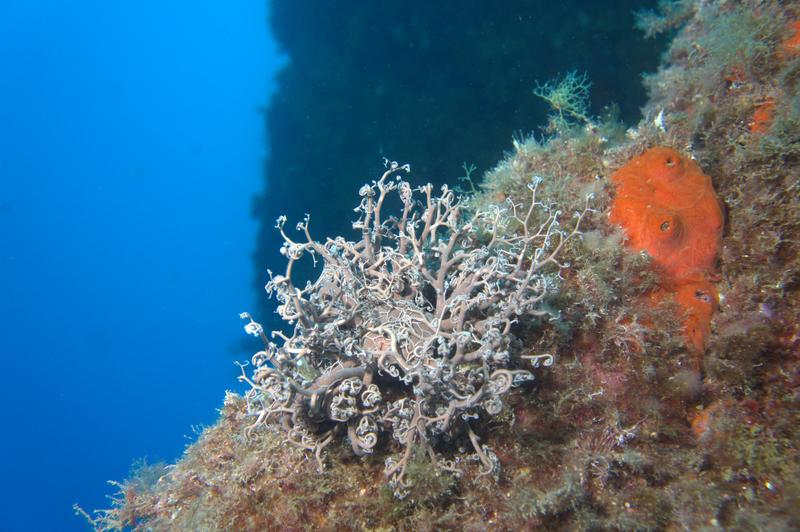
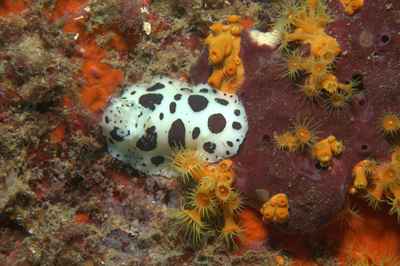
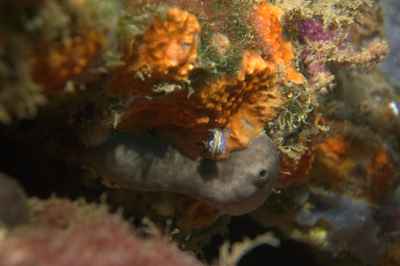
A 2021 marine survey of the municipal waters recorded 679 species of fauna and flora, 11 of them protected, with Tamariu the richest zone and the Ullastres holding the most protected species. The long-snouted seahorse is the one protected fish on that list, and posidonia meadows fill the bays. Around the rock, groupers, congers and morays work the crevices, and sunfish and John Dory pass the Ullastres in season. The Illes Formigues are a neighbouring dive that most boats run from Palamós.
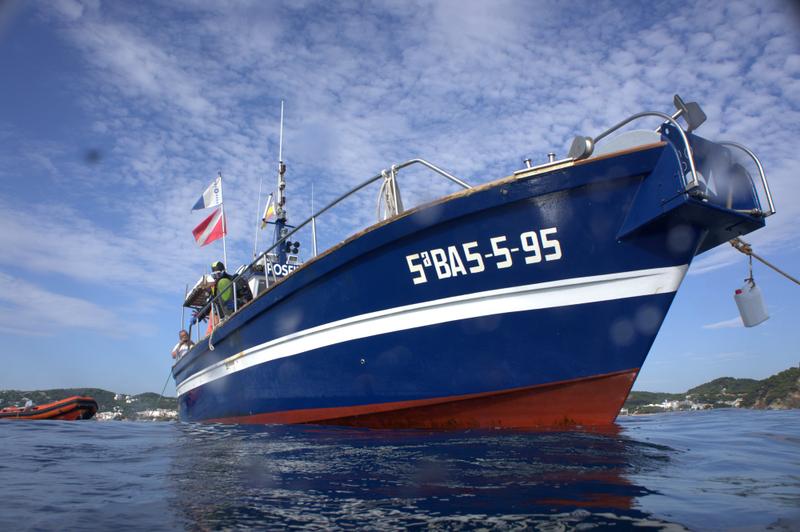
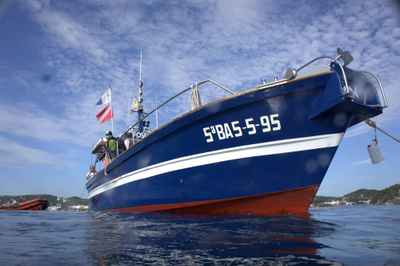
Poseidon runs from the beach at Port Pelegrí in Calella. Triton in Llafranc keeps its boat about 300 m from the shop, and Stolli's in Tamariu works from a jetty 30 m from its base and the house reef. Palamós Dive Center, Gidive, Anemone Diving Center, Diversub and H2O Diving Center also run boats to the Ullastres from Palamós.
Start by level: the house reef and Montiell first, then Ullastres I and II. El Tabal is for experienced divers, and on Ullastres III you stay on the wall at your certification depth. Els Canons starts at 9 to 12 m, though one Llafranc operator grades it advanced, so expect the question when you book. Llafranc and Tamariu operate a season, so outside April to November the Ullastres are a Palamós trip.
A boat dive lists at about 40 to 42 EUR in 2026, Stolli's house-reef dive at 60 EUR with full kit, guide and insurance, and Open Water courses at about 410 to 480 EUR.
Girona airport is about 45 minutes by road from Tamariu and Barcelona airport about an hour and three-quarters, and buses run from Palafrugell town to all three villages. The nearest decompression chamber, in Palamós, is about 15 minutes from Tamariu.
Anyone diving from a private boat follows the council's coastal rules, listed with the regulations here.
Rocky seabed of submerged pinnacles, parallel rock bars forming canyons, isolated rocks on sand and coves, with posidonia meadows in the bays.
Also known as: Calella, Llafranc and Tamariu
The diving here splits into 3 zones:
Mixed-certification groups wanting one pinnacle that lets OW divers stay shallow on the south slope while AOW divers work the east-and-north gorgonian face
Gorgonian colour along a near-vertical wall, 20 to 30 m
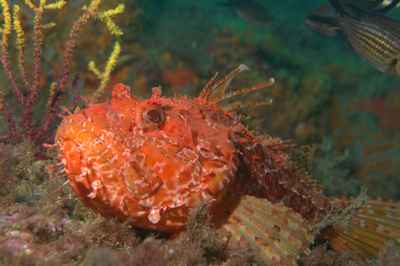
Gorgonian walls and a crevice-rich base on a buoyed offshore pinnacle
Gorgonian wall and holed coralligenous slope on one circuit of a deep rock
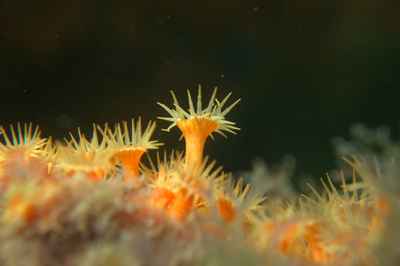
AOW divers seeking a corridor glide through gorgonian walls with pelagic encounters on the central Costa Brava
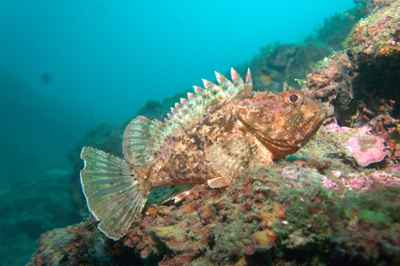
Sheltered eel-crevice rock for Open Water divers when the tramontana blows
Walk-in macro dive on a sheltered reef with seahorses and nudibranchs
Rocky headland, slabs and two caves in one small Costa Brava cove
Arch, cave and gorgonian walls on one rock, within Open Water reach
Book online or contact a centre that dives this area.
Palafrugell / Dive Center

Palafrugell / Dive Center

Palafrugell / Dive Center
Palafrugell / Dive Center
Palafrugell / Dive Center

Palafrugell / Dive Center
Palafrugell / Dive Center
Get in touch to add or claim your dive center listing on DiveCodex.
The bases at Llafranc and Tamariu run April to November, so outside those months the Ullastres are dived from Palamós. Surface readings overstate what you dive in once the summer thermocline sets up.
What can go wrong here, and what divers do about it. Conditions change - take the briefing from the operator on the day.
Managed by Ajuntament de Palafrugell · No permit required
Palafrugell lies inside the Natura 2000 site ES5120015 Litoral del Baix Empordà, a conservation designation that adds no diving permit or fee, and the council's public mooring-buoy fields are free.
Ullastres I has its top at about 10 m and a floor at about 30 to 32 m, and operators pitch it as an introduction to the pinnacles. Ullastres II drops from 8 m to about 40 m. Ullastres III starts at about 8 m and its floor is given as 53 to 55 m, upper-bound operator figures. Below 40 m is technical diving, so on III you stay on the wall at the depth your certification allows. Operators grade the three differently, from all levels to Open Water and Advanced divers, and the depth you plan is what sets the level.
El Tabal, the wall off the lighthouse, is graded advanced at 21 to 40 m by a Llafranc operator, and a Tamariu operator lists it at 25 to 34 m for experienced divers only. Els Canons de Tamariu runs from about 9 to 12 m down to 36 to 40 m, and the same Llafranc operator grades it advanced. The cove at Aigua Xelida is the gentle version of that stretch, at 5 to 20 m.
Montiell, a rock on sand just outside Tamariu port, is sheltered from the north, which suits days of strong tramontana. A Tamariu operator also calls it sheltered against currents and waves, at 9 to 24 m and about 7 minutes by boat. The Aigua Xelida cove, 5 to 20 m and about 15 minutes out, is described as free of current and protected from wind and waves. Montiell is a regular Open Water course site.
A Tamariu operator lists the Gisbert cave, an open cave from the surface to about 15 m with bats on the ceiling. It is described as an easy dive, needs a lamp and runs in low season only, so ask the centre whether it is going on your dates.
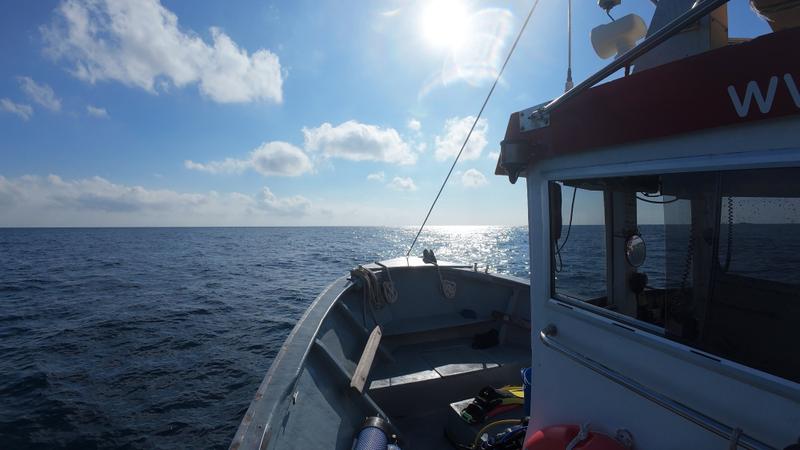
For the Ullastres, Llafranc: about five minutes by boat, with the boat berthed some 300 m from the dive shop and the kit carried by van. Tamariu puts you within 7 to 20 minutes of the Canons, Montiell, El Tabal and Aigua Xelida, and the house reef is a shore dive two minutes' walk from the base. At Calella the boat leaves from the beach at Port Pelegrí, and the Canons are about 20 minutes away. Palamós centres reach the Ullastres in about 20 minutes.
Surface water at nearby Palamós averages about 13 C in February against 23 C in August, and it is colder under the summer thermocline. The Llafranc and Tamariu bases close for the winter, since Triton runs April to November and Stolli's from Easter to the end of October. Palamós centres H2O and Anemone state they are open all year, and Anemone lists the Ullastres among its dives, so ask whether a boat is going out on your dates.
Not this one. The Cala Pedrosa described with a tunnel through Illa Pedrosa at 18 to 24 m is a different cove with the same name, near Torroella de Montgrí. The Cala Pedrosa on this coast lies between Llafranc and Tamariu.
The islets belong administratively to both Palamós and Palafrugell, and a 2009 Generalitat decision, ratified in 2011, divided them between the two municipalities. Most boats run them from Palamós, so plan them as a Palamós trip. A marine reserve proposed for the islands did not go ahead for lack of budget.
Log your dives - notes, photos, conditions and the marine life you saw - and share them as one public diver profile. What you share helps the next diver, too.
Log every detail
Depth, duration, conditions, gear, buddy, notes — all in one place. Import from Suunto and other dive computers.
Track marine life
Record species sightings on each dive. Build a personal catalogue of everything you've seen underwater.
Your public dive profile
Share your dive history, stats, and experiences with a profile page you control. Show the world where you've been.